
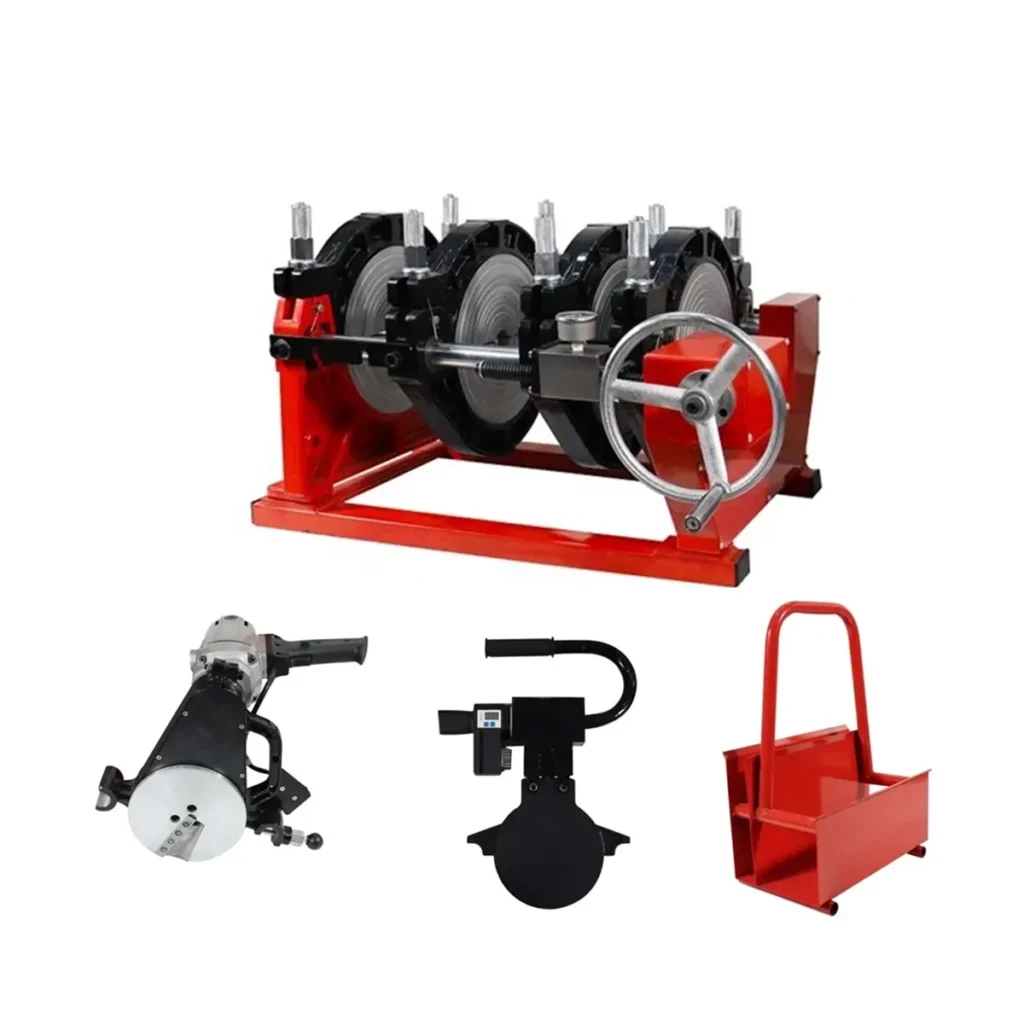
Choosing the right gas pipe welding machine starts with understanding cost drivers and aligning them with your project needs. This guide breaks down how prices are formed, what to look for by application, and a practical selection checklist to help pipeline contractors, municipal teams, and gas utility technicians make a confident buying decision.
What Determines Gas Pipe Welding Machine Price?
Several factors combine to set the final price of a welding machine for gas pipelines. Knowing these lets you compare offers apples-to-apples and avoid paying extra for features you don’t need.
1. Machine Type
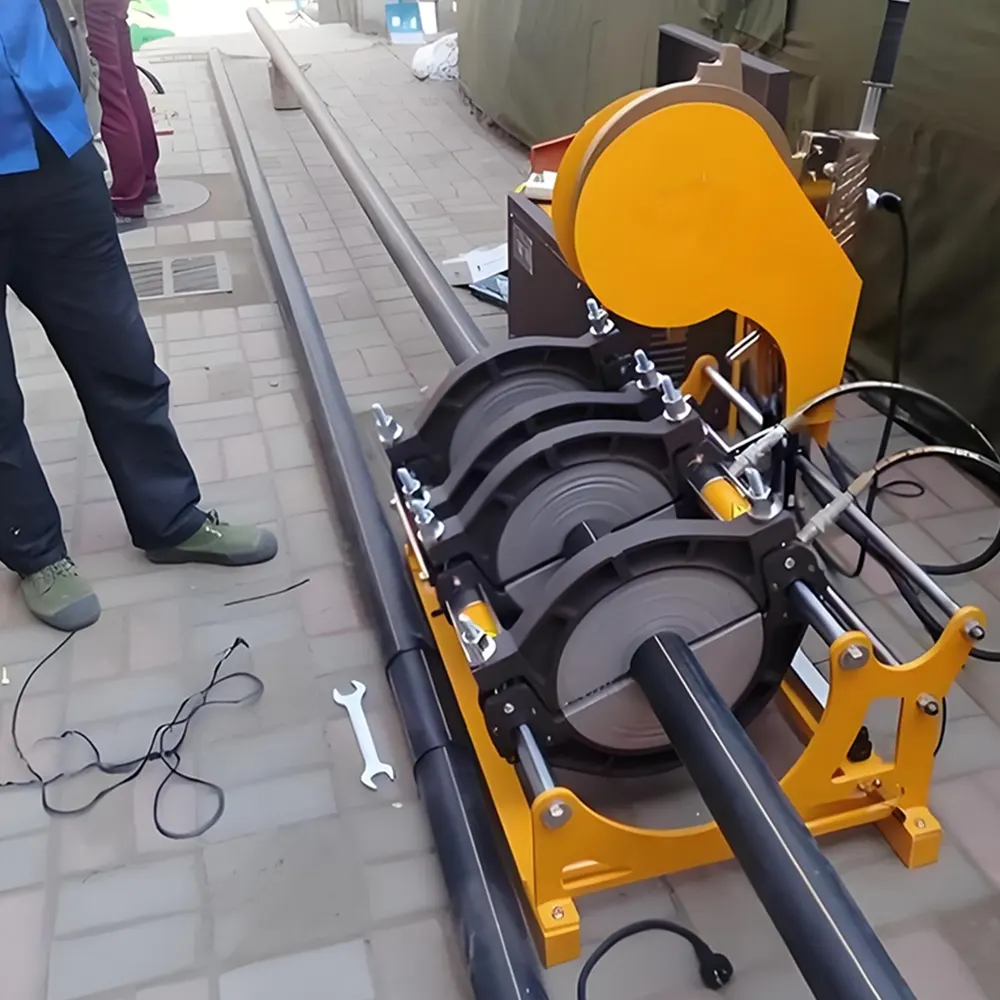
Manual butt fusion machines are the most affordable and ideal for small crews or occasional repairs. Hydraulic machines add power and consistency for larger-diameter work. Automatic/CNC systems include digital control and data logging, raising cost but improving repeatability and compliance for large projects.
2. Pipe Diameter Range and Capacity
Price scales with the maximum pipe diameter a machine can handle. A small-diameter unit is simpler and cheaper; large-diameter hydraulic frames and specialized clamps significantly increase cost due to heavier components and higher torque systems.
3. Build Quality and Materials
Stainless steel frames, precision machined clamps, and high-quality hydraulic pumps or electronics increase longevity and initial cost. For gas pipelines, prioritize durability and certified materials to meet safety standards.
4. Automation, Controls & Data
Onboard PLCs, touchscreen controls, weld parameter logging and remote diagnostics add value — and cost. For regulated gas networks, weld traceability can justify paying more upfront.
5. Accessories & Extras
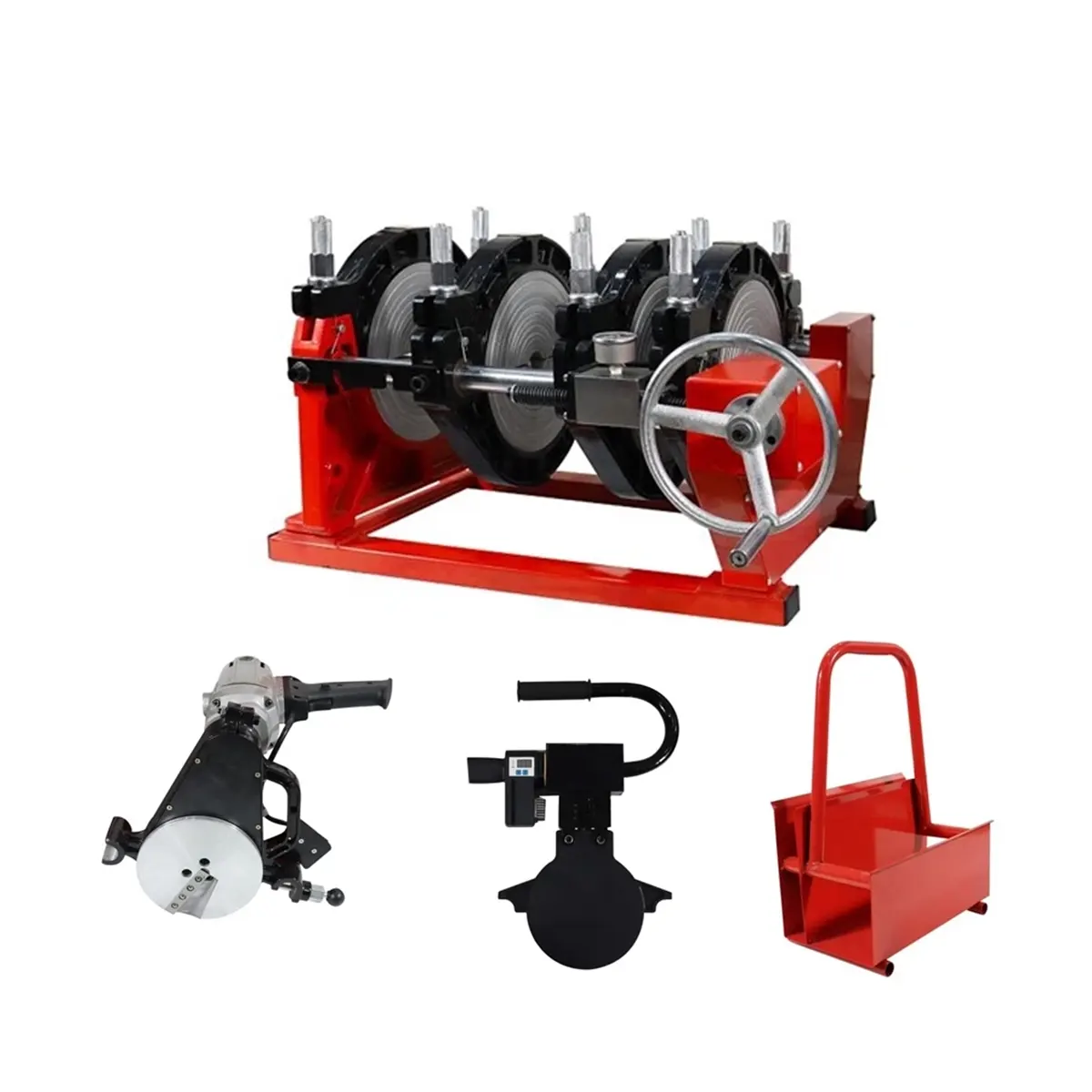
Heating plates, facing cutters, cart systems, transport frames, and specialized clamps can be quoted separately and add 10–40% to a base machine price. Factor these into total project cost, not just the machine sticker price.
Typical Price Ranges (Approximate)
The table below gives a quick market snapshot. Actual prices vary by brand, region, and configuration.
| Machine Category | Typical Capacity | Approx. Price (USD) |
|---|---|---|
| Manual Butt Fusion | 20mm – 315mm | $800 – $4,000 |
| Hydraulic Butt Fusion | 63mm – 1600mm | $3,500 – $40,000 |
| Automatic / CNC | 63mm – 1600mm+ | $15,000 – $150,000+ |
| Multi-angle / Fittings Machines | Fittings & Tee Fabrication | $8,000 – $120,000 |
Other Cost Factors to Consider
Shipping, Duty & Local Taxes
For international purchases, shipping, import duties, and local VAT/GST can add substantially to landed cost. Ask suppliers for CIF or DDP quotes to compare total landed price.
Training and After-Sales Support
Operator training, spare parts availability, and warranty length affect lifecycle cost. A slightly higher purchase price with strong local support often reduces downtime and total cost of ownership.
Certification & Compliance
Gas distribution requires strict safety and welding standards. Machines capable of producing certified welds and traceable weld records may be costlier but are essential for compliance and long-term liability protection.
How to Choose the Right Machine — A Practical Checklist
- Define application: repair work, distribution network installation, industrial plant? Choose capacity accordingly.
- Match diameter range: ensure the machine covers your most common pipe sizes plus a margin for growth.
- Decide on automation: small crews may prefer manual/hydraulic; high-volume projects benefit from CNC and data logging.
- Verify standards: ask for test reports, certifications, and weld procedure specifications relevant to gas pipelines.
- Check spare parts & service: local availability shortens repair lead times and lowers downtime costs.
- Evaluate total cost: include accessories, training, transport, and consumables in your budget.
ROI Considerations for Gas Utilities and Contractors
Investing in the right welding equipment reduces rework, leak risk, and regulatory exposure. For frequent, large-diameter projects, higher initial investment in automation and hydraulic systems typically pays back through faster cycle times and fewer weld failures. For sporadic repairs, renting or buying a compact manual unit may be the most cost-effective option.
Buying Tips: Negotiate Beyond Price
Request bundled quotes (machine + accessories + training), multi-year spare parts pricing, and extended warranty options. Ask the supplier about onsite commissioning, operator training packages, and documented weld reporting options — these can be more valuable than a few hundred dollars saved on the base unit.
Where to Learn More
For reliable butt fusion solutions covering manual, hydraulic, and CNC automatic machines with broad diameter coverage and global support, visit JQ-Fusion at https://jq-fusionwelding.com/ for product specs, stock lists, and service options.
Quick Glossary
Butt fusion: heating pipe ends and joining them by pressure to form a continuous, leak-free joint. Electrofusion: using fitting-embedded heating elements; common for service connections and repairs.



