
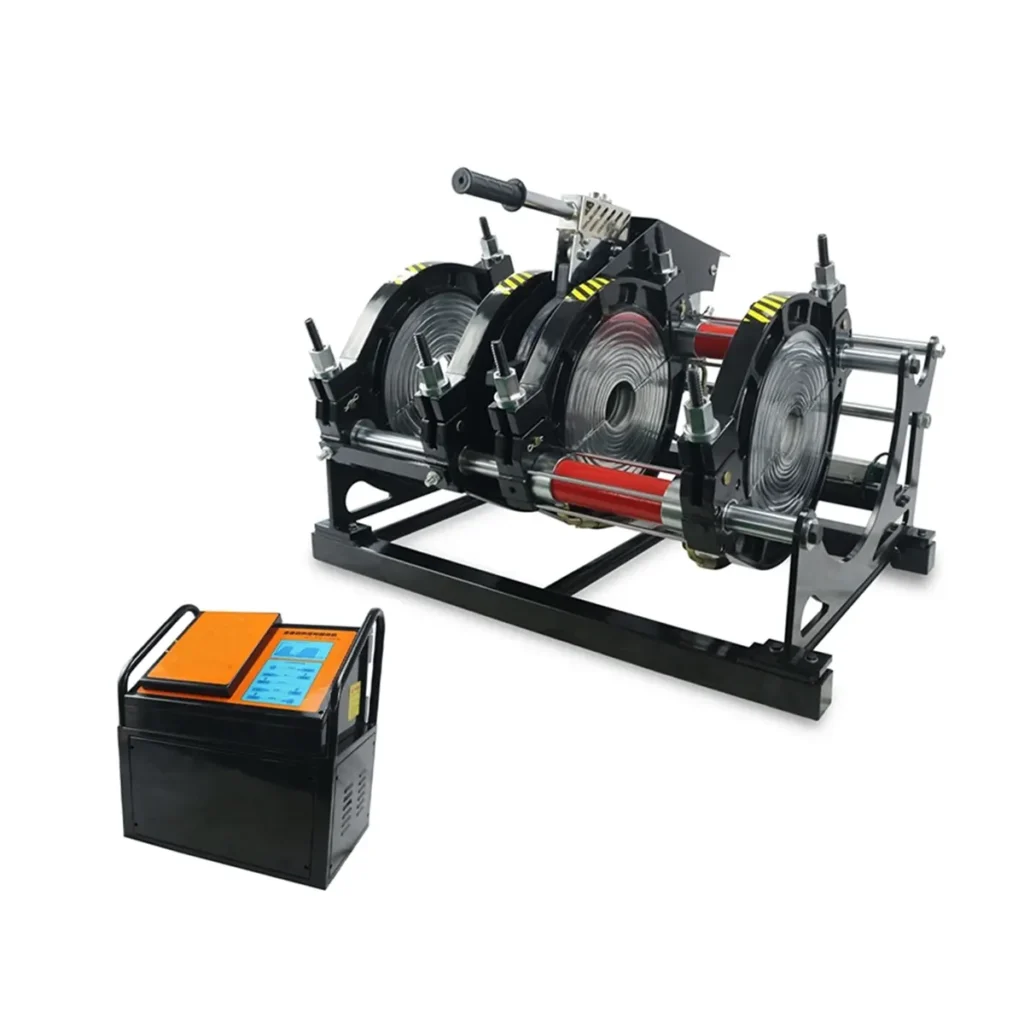
Efficient pipeline installation depends on two core capabilities: precise hydraulic pipe alignment and reliable butt fusion welding. Proper alignment reduces rework, improves joint strength, and shortens project schedules for water, gas, mining, and industrial pipelines. This article explains how modern hydraulic alignment systems and butt fusion equipment work together to deliver consistent, high-quality pipeline joints.
Why Precise Hydraulic Alignment Matters
Hydraulic alignment systems ensure pipe ends meet with controlled axial and angular tolerance before fusion. Misalignment can cause weak beads, incomplete fusion, or early service failures. Accurate alignment improves fusion quality, reduces sealing defects, and enables faster automated welding cycles on-site.
Key Components of Modern Butt Fusion Systems
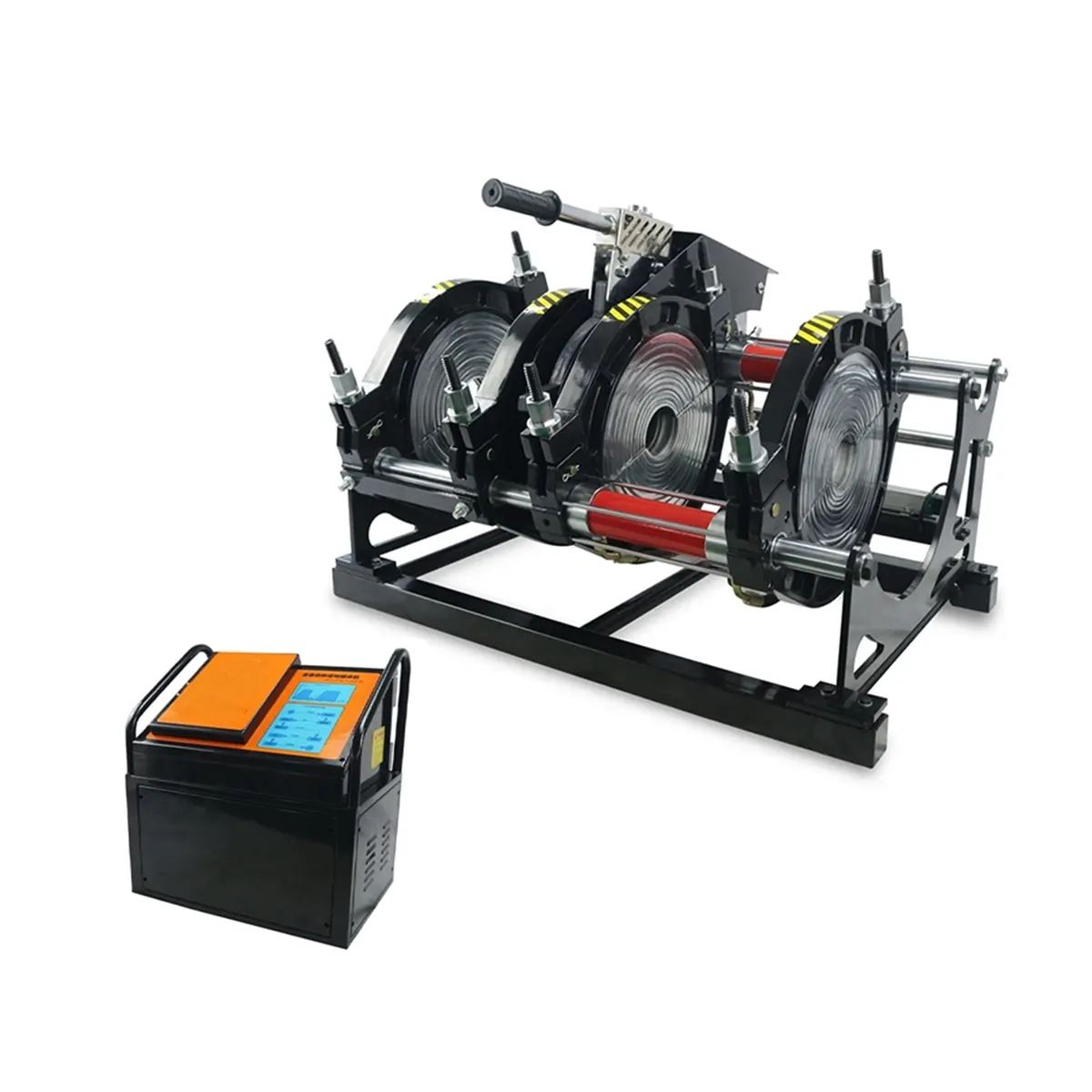
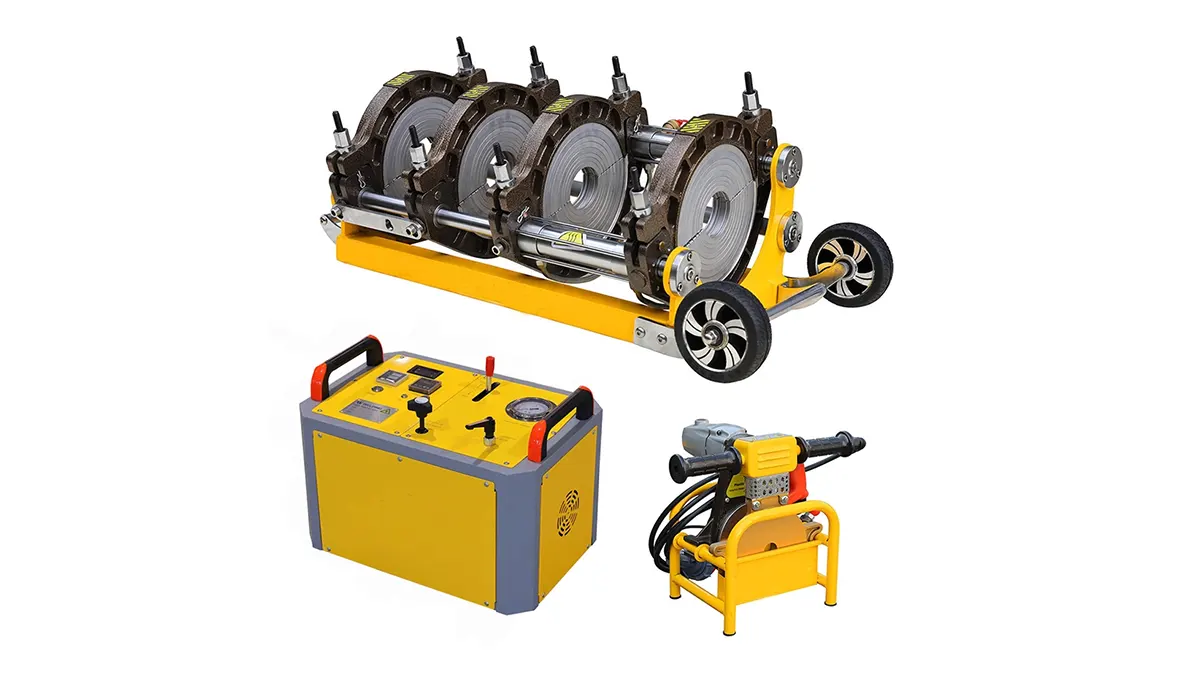
A complete butt fusion solution combines hydraulic clamps, precision facing/trimming tools, a heated plate assembly, and a control unit. Each part plays a specific role:
Hydraulic clamps: Provide uniform pressure to hold pipes during heating and fusion phases, ensuring concentric alignment.
Facing units: Trim and square pipe ends so the fusion interface is clean and perpendicular.
Heating plates and heaters: Deliver repeatable temperature control for optimal melt bead formation and strength.
Control modules: Manage time, temperature, and pressure cycles — from manual to fully automatic CNC sequences — to meet industry welding standards.
Performance Comparison: Typical Models
| Model | Pipe Range | Clamping Force | Automation | Best For |
|---|---|---|---|---|
| JQH250 | 63–250 mm | Medium | Manual / Semi-automatic | Small to medium municipal works |
| JQA630 | 315–630 mm | High | Automatic | Large infrastructure & industrial lines |
| JQMA630 | Multi-angle fittings up to 630 mm | High | Semi-automatic / CNC options | Complex fittings & prefabrication |
Typical On-Site Workflow for Faster, Safer Joints
A streamlined workflow reduces downtime and improves weld repeatability. Typical stages include:
Step 1 — Setup and alignment: Position pipes in hydraulic clamps; use alignment indicators and adjustable saddles to meet tolerance.
Step 2 — Facing: Rotary facing unit trims ends to create a uniform fusion surface.
Step 3 — Heating: Insert the heater plate and apply controlled temperature and pressure for the specified time.
Step 4 — Fusion: Remove the heater and bring pipe ends together under precise hydraulic pressure to form the joint.
Step 5 — Cooling & inspection: Hold pressure during cooling, then inspect bead geometry and mark the weld for traceability.
Quality Control & Standards
Effective QC combines documented welding parameters, visual inspection, and destructive or non-destructive testing where required. Recording time, temperature, and pressure for each joint is essential to demonstrate compliance with standards like ISO 21307 / EN 12201 for HDPE fusion in many regions.
Maintenance Best Practices
Routine maintenance keeps hydraulic alignment and fusion units reliable: lubricate moving parts, verify heater plate flatness, calibrate pressure gauges, and replace worn facing blades. Scheduled checks reduce downtime and protect weld integrity.
Return on Investment: Faster Projects, Lower Lifecycle Costs
Investing in precise hydraulic alignment and automated butt fusion systems increases first-pass weld success rates, lowers rework, and shortens installation timelines. Over project life, higher initial equipment quality yields reduced operational costs and fewer service interruptions.
For reliable butt fusion solutions and a full range of hydraulic alignment equipment, consider JQ-Fusion for proven models and global support: https://jq-fusionwelding.com/



