

Electric fusion welding machines deliver reliable, leak-free joints when the right parameters are used. This guide explains how to set temperature, pressure, and time for butt fusion and electrofusion operations, helping operators, contractors, and quality managers get consistent results across HDPE pipe sizes and project conditions.
Why Correct Welding Parameters Matter
Proper parameter settings ensure mechanical strength, long-term durability, and regulatory compliance. Incorrect temperature, insufficient pressure, or wrong heating time can cause weak joints, excessive flash, or long-term failure in water, gas, and industrial pipelines.
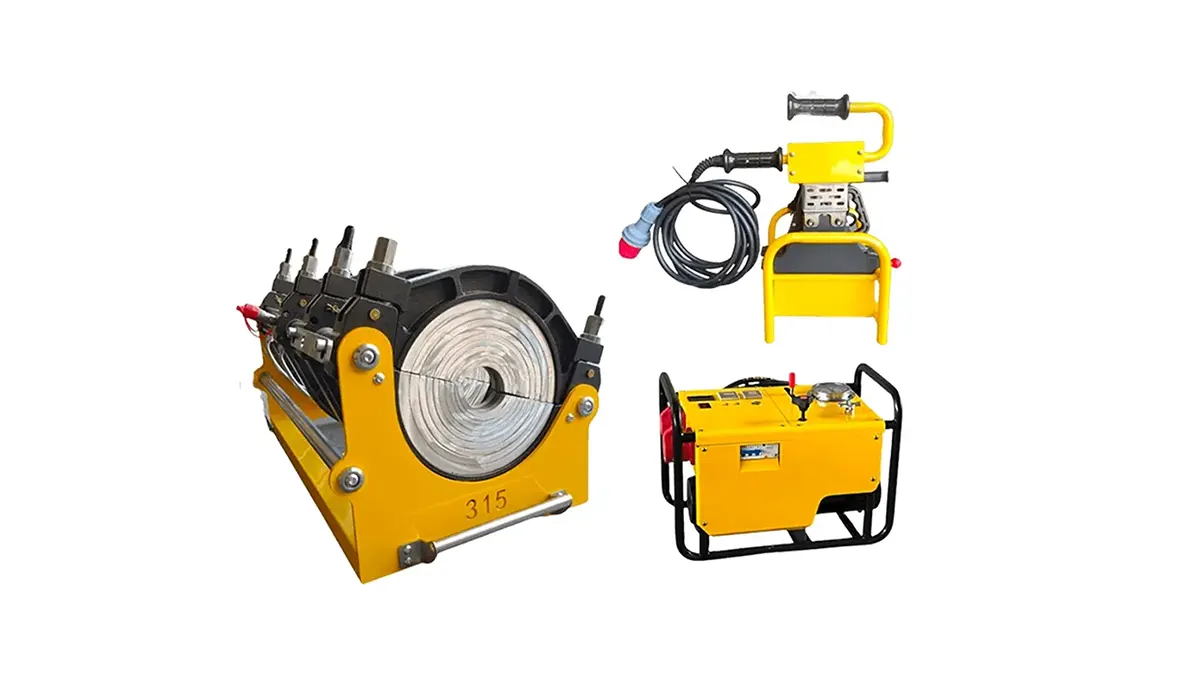
Core Parameters Explained
1. Heating Plate Temperature
Temperature depends on material grade (commonly PE80, PE100) and ambient conditions. Typical ranges for HDPE butt fusion are between 200°C and 260°C on the heating plate. Higher temperatures reduce heating time but risk degradation; lower temperatures lengthen heating time and may cause poor fusion.
2. Heating (Soak) Time
Heating time is a function of pipe wall thickness and diameter. Thicker walls require longer soak times. Follow manufacturer guidance, and perform trial fusions when working with unfamiliar materials.
3. Fusion Pressure (Initial & Final)
Apply steady axial pressure during heating to ensure intimate contact. After heating, increase pressure for the fusion (compression) phase to create molecular intermixing. Improper pressure causes voids or excessive flash.
4. Cooling/Crystallization Time
Allow joints to cool under restraint until they reach safe handling temperatures. Cooling time varies with pipe size and ambient temperature. Rushing this step leads to weakened joints.
Practical Step-by-Step Parameter Setup
Before starting: Clean pipe ends, check alignment/clamping, inspect heating plate and faces, and confirm material compatibility.
Step 1 — Select Material & Machine Mode
Set your machine to butt fusion or electrofusion mode and confirm material type (e.g., PE100). Many electric fusion machines have presets; use them as a baseline.
Step 2 — Set Heating Plate Temperature
Input the recommended plate temperature. For HDPE, start around 230°C and adjust based on pipe wall thickness and weather conditions.
Step 3 — Input Heating and Fusion Times
Use recommended time charts (see sample table). For critical projects, conduct a test weld and perform a destructive or non-destructive evaluation.
Step 4 — Set Pressure Values
Configure initial alignment pressure, heating pressure (light contact), and fusion pressure (higher). If your electric fusion machine offers automatic pressure control, verify the values match pipe diameter and SDR.
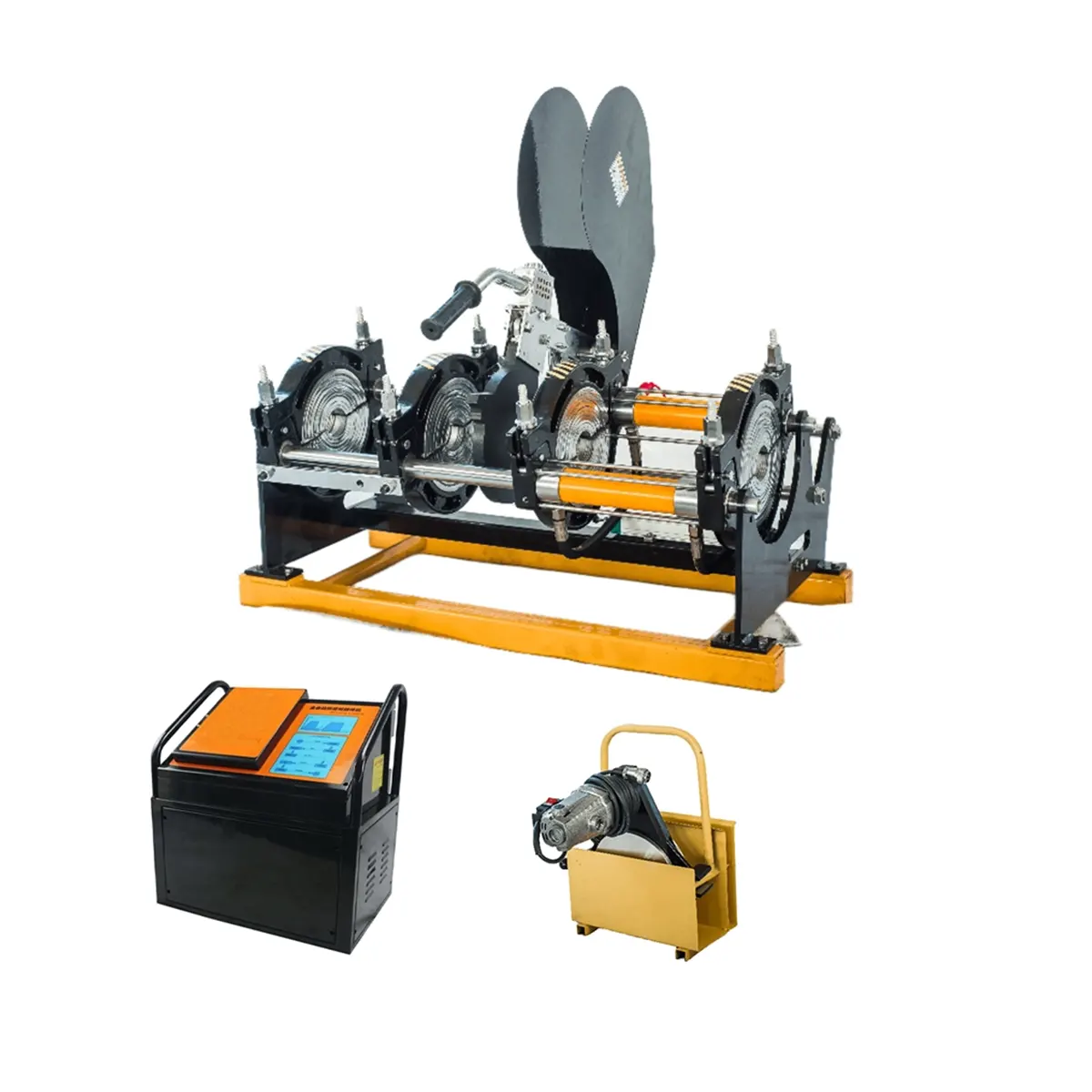
Parameter Reference Table (Typical HDPE Butt Fusion)
| Pipe OD (mm) | Wall Thickness / SDR | Plate Temp (°C) | Heating Time (s) | Fusion Pressure (bar) |
|---|---|---|---|---|
| 63 | SDR11 / 5.8 mm | 230 | 30–40 | 6–8 |
| 160 | SDR11 / 14.5 mm | 230 | 90–120 | 10–12 |
| 315 | SDR11 / 28.6 mm | 230–240 | 240–300 | 12–18 |
| 630 | SDR11 / 57.3 mm | 235–245 | 600–900 | 20–30 |
Note: These values are typical starting points. Always validate with material supplier data and machine manufacturer recommendations.
Quality Control & Testing
After welding, inspect bead formation and flash symmetry. Perform visual checks, non-destructive tests (ultrasonic), or destructive testing samples for critical projects. Document parameter settings and environmental conditions for traceability.
Common Mistakes and Troubleshooting
Cold Joints or Poor Fusion
Causes: insufficient temperature, short heating time, or low fusion pressure. Remedy: increase plate temp slightly, extend heating time, or verify pressure settings and clamps.
Excessive Flash or Melt-Back
Causes: too high temperature, excessive fusion pressure, or prolonged heating. Remedy: lower plate temp, reduce fusion pressure, and use manufacturer-recommended times.
Misalignment and Uneven Flash
Causes: poor clamping or preparation. Remedy: re-align, re-clamp, and use guides or facing tools to ensure square ends.
Maintenance Tips for Consistent Parameter Control
Keep heating plates clean and free of degradation, calibrate thermocouples periodically, and maintain hydraulic/electronic systems. Regular maintenance ensures the electric fusion machine delivers repeatable temperatures and pressures.
Who Should Use This Guide
This guide is designed for field operators, site supervisors, procurement teams, and QC engineers working with HDPE butt fusion and electrofusion equipment. For turnkey welding machines, spare parts, or technical support, contact JQ-Fusion for model-specific advice and spare parts.
JQ-Fusion provides a full range of manual, hydraulic, and CNC automatic butt fusion welding machines and can advise on optimal parameter sets for your project needs.


