
Pipeline welding projects, especially those using HDPE butt-fusion or electrofusion methods, face predictable challenges that can affect joint integrity, project schedules, and long-term system performance. This guide breaks down the most common problems, their root causes, practical solutions, and industry best practices to keep construction quality high and downtime low.
Common Problems in Pipeline Welding Projects
Misalignment and Poor Fit-Up
Cause: Inadequate pipe preparation, uneven bedding, or rushed clamping. Poor alignment leads to stress concentrations and weak joints.
-
Solution: Use precision clamps and alignment tools, check pipe ends with gauges, and ensure competent excavation/ bedding before welding.
-
Tip: Establish a fit-up checklist and enforce a “no-weld-until-aligned” policy on site.
Surface Contamination (Dirt, Moisture, Oxidation)
Cause: Dusty sites, oily residues, or pipe storage outdoors without protection. Contamination prevents proper molecular fusion.
-
Solution: Clean and dry pipe ends using approved solvents and lint-free wipes. Keep heating plates and tools covered when not in use.
-
Preventive: Store pipes off the ground and protect cut ends with caps until welding.
Inconsistent Heating and Melt Defects
Cause: Incorrect heater temperature, worn plates, or uneven pressure during heating.
-
Solution: Calibrate heaters regularly, replace damaged plates, and monitor temperature stability. Follow manufacturer parameters for heating time and pressure.
-
Important: Overheating and underheating both produce defects — always record parameters for QA.
Equipment Failures and Insufficient Capacity
Cause: Using undersized machines for large-diameter pipes, poor maintenance, or lack of spares.
-
Solution: Select machines rated for project pipe diameters, carry spare consumables (heating plates, blades), and implement scheduled maintenance.
-
Operational: Train technicians on hydraulic checks and alarm response procedures.
Operator Error and Inadequate Training
Cause: Inexperienced welders, inconsistent procedures, or weak supervision.
-
Solution: Provide formal training, certification where required, and on-site mentoring. Use step-by-step weld sheets and require sign-off at each stage.
-
Quality: Random weld inspections and recorded parameters improve accountability and reduce repeat failures.
Quick Reference Table: Problems, Causes, and Immediate Fixes
| Problem | Likely Cause | Immediate Fix |
|---|---|---|
| Poor bead formation | Incorrect heat/time/pressure | Re-check settings; scrap affected joint; re-weld with correct parameters |
| Cold joint | Insufficient heating or contamination | Clean surfaces; increase heating time within spec; re-fuse |
| Alignment gap | Poor fit-up or clamp failure | Realign and clamp; replace faulty fixture |
Best Practices for Reliable Pipeline Welding
Adopt a systems approach: equipment, people, procedures, and records. The following practices are proven to reduce weld defects and rework.
Pre-Weld Preparation
-
Site grading and bedding to avoid pipe sag and uneven load on joints.
-
Pre-inspection of pipes and fittings for material grade and cleanliness.
Standardized Procedures & Documentation
Maintain weld sheets, traceability records, and a non-conformance log. Recording heating temperature, time, pressure, and operator reduces disputes and improves quality over time.
Training & Competency
Regular hands-on training, refresher courses, and a certification program for site welders ensure consistent, high-quality joints. Use real-world drills and documented pass/fail criteria.
Maintenance & Spares
Implement a preventive maintenance plan for heaters, hydraulic units, and electronic controls. Carry critical spares and consumables to avoid schedule delays.
Final Checklist Before Commissioning
-
All welds inspected and documented by QA.
-
Pressure testing completed and logged.
-
Repair records filed and corrective actions implemented.
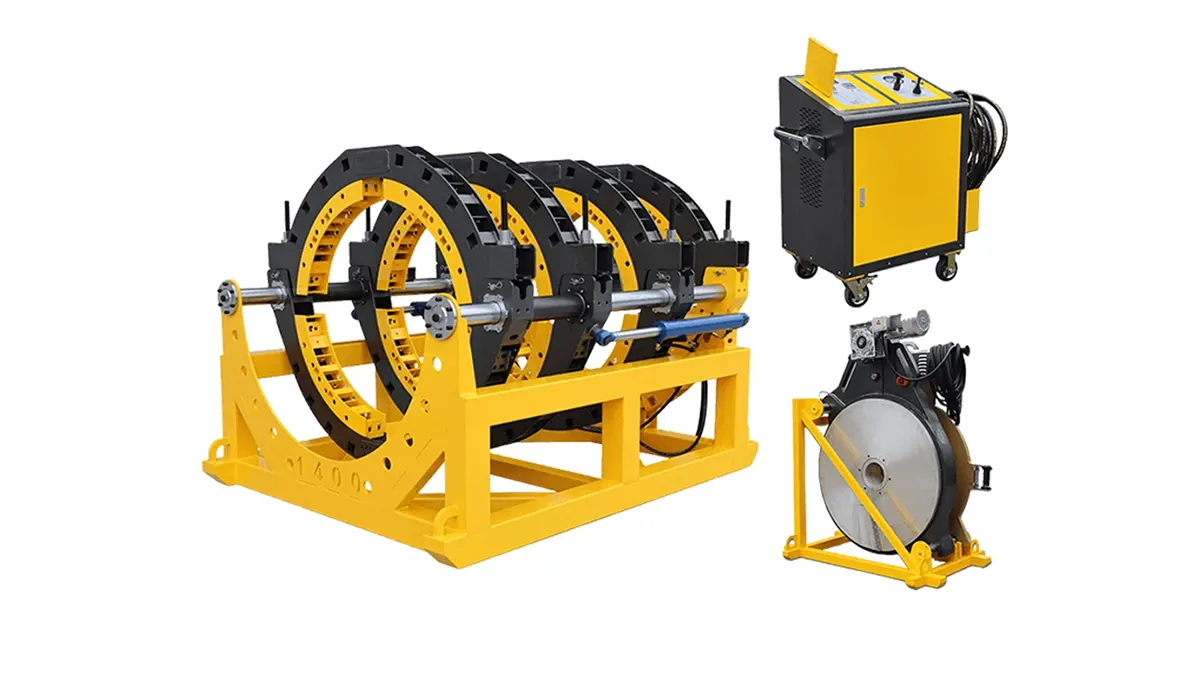
Proactive planning—matching the right butt fusion machine capacity to pipe diameters, enforcing cleaning and alignment routines, and investing in training—cuts costs and increases system reliability.
JQ-Fusion is a professional manufacturer specializing in HDPE pipe welding machines, providing reliable butt fusion solutions for global infrastructure projects. With years of industry experience, we focus on the development and production of manual, hydraulic, and CNC automatic butt fusion welding machines, covering a wide range of pipe sizes from small to large diameters. Our products are widely used in water supply, gas distribution, mining, and industrial pipeline systems. We are committed to delivering high-quality, durable, and customizable welding equipment to meet diverse project requirements. Supported by advanced manufacturing facilities, strict quality control processes, and a responsive service team, we help clients achieve efficient, precise, and reliable pipe welding performance.



