
Maintaining HDPE pipe welding equipment is essential for consistent fusion quality, longer machine life, and safer job sites. This guide covers practical maintenance tips, common repairs, troubleshooting strategies, and a clear service schedule to help operators and workshop technicians keep butt fusion machines running at peak performance.
Why Regular Maintenance Matters
Consistent weld strength: Well-maintained heating plates, clamps, and hydraulic systems reduce variability in fusion joints and minimize rejects. Lower downtime: Preventive checks spot wear early—saving costly repairs and project delays. Efficient maintenance also improves operator safety and extends equipment resale value.
Daily and Pre-Shift Checklist
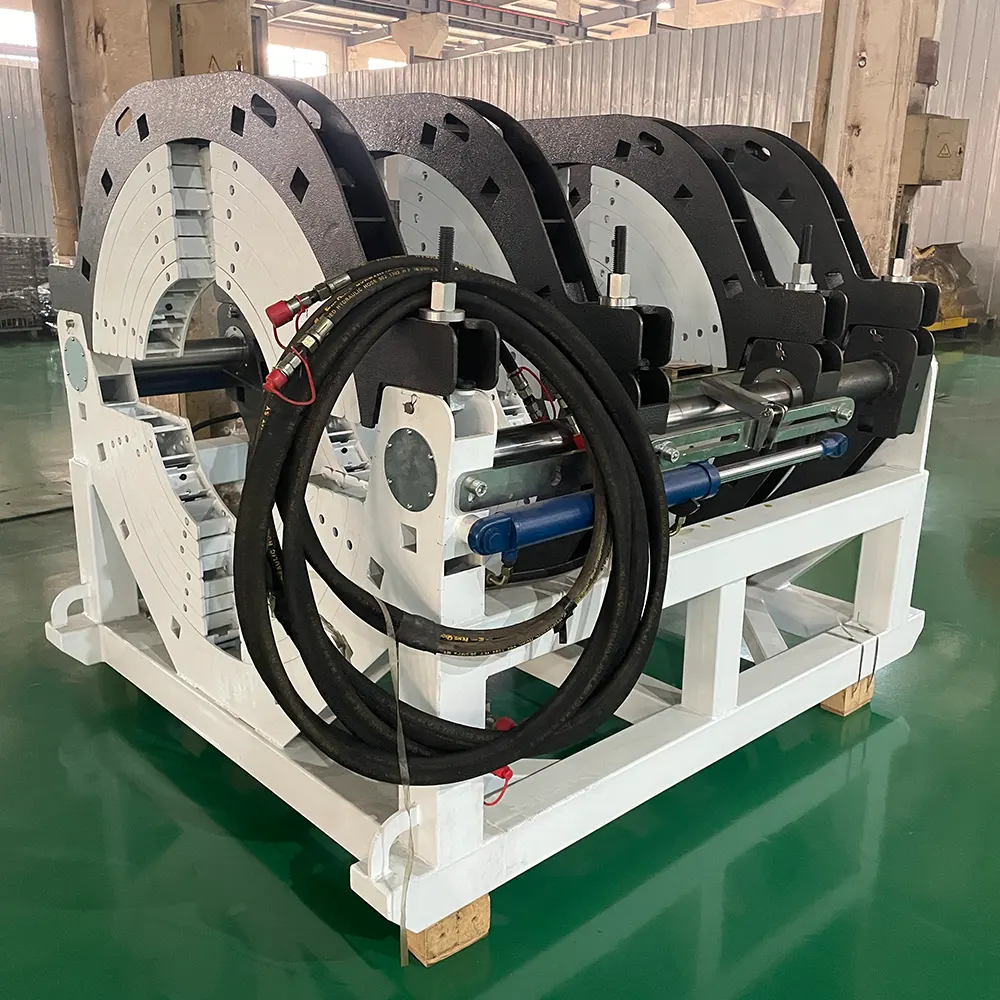
Visual inspection: Check clamps, carriage rails, heater plate, and pipe alignment for damage or debris.
Hydraulic fluid level: Confirm proper level and look for leaks—low fluid or drops indicate seals or fittings need attention.
Heating plate condition: Ensure the plate surface is clean and free of scoring; minor nicks can be smoothed with a soft abrasive pad designed for tool surfaces.
Electrical and control checks: Verify power cables, connectors, and emergency stop operations. For CNC and automatic units, confirm sensor feedback and display functionality.
Weekly Service Tasks
Grease moving parts: Apply recommended lubricant to slides, lead screws, and pivot points—pay special attention to clamp pins and carriage rails.
Clean hydraulic fittings: Remove dust and grime around hydraulic couplings and accumulator connections to prevent contamination.
Tighten fasteners: Inspect bolts on frames, clamps and heater assemblies; vibration can loosen them over time.
Maintenance Schedule
| Interval | Task | Why it matters |
|---|---|---|
| Daily | Visual check, heater plate wipe-down | Prevents contamination and poor fusion surfaces |
| Weekly | Lubricate moving parts, inspect hydraulics | Reduces wear and hydraulic failures |
| Monthly | Test electronic controls, replace filters | Keeps automation reliable and clean |
| Annually | Full service: seals, hoses, calibration | Restores factory tolerances and safety margins |
Common Repairs and How to Handle Them
Leaking hydraulic lines: Inspect fittings and hoses for abrasion. Replace hoses showing bulging or cracking. Use new seals and torque fittings to manufacturer specs.
Worn heater plate or uneven heating: Check thermocouple readings and replace faulty sensors. Resurface or replace the heater plate when scratches exceed allowable depth—uneven heat causes weak fusion beads.
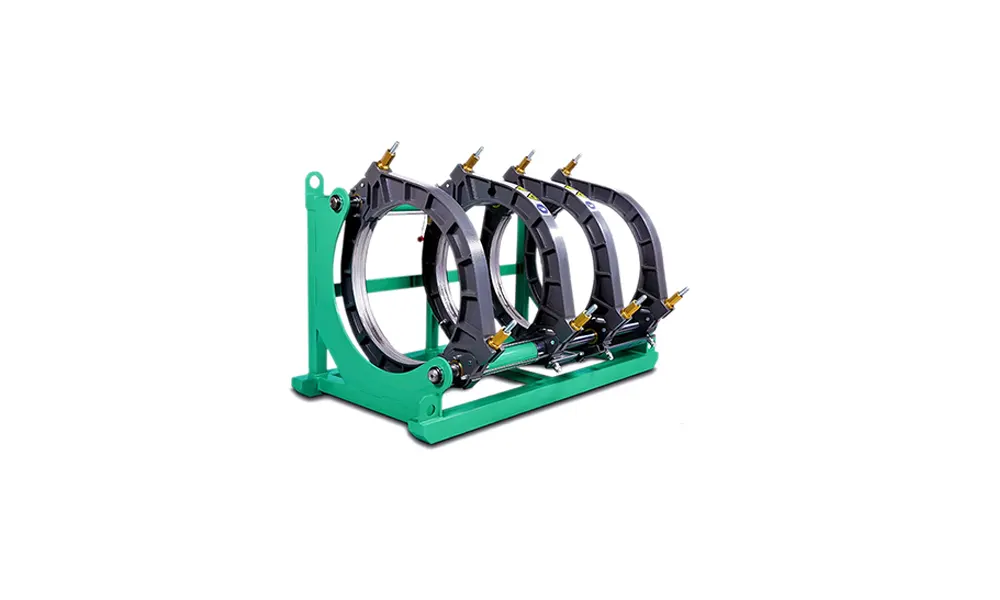
Stiction or binding of carriage: Clean rails and re-lubricate. If pins or bearings are damaged, replace them and verify alignment using straight-edge or dial indicators.
Step-by-Step: Replacing a Hydraulic Seal
1. Safely depressurize the hydraulic system and disconnect power.
2. Clean the area and remove the cylinder from the frame if required.
3. Extract the old seal carefully and inspect the piston for scoring; polish minor marks.
4. Install the new seal using assembly lubricant, reassemble, bleed the system, and test at low pressure.
Troubleshooting Quick Tips
Poor fusion bead: Check alignment, plate cleanliness, and heater temperature accuracy.
Slow hydraulic response: Look for air in the system (bleed), low oil level, or a failing hydraulic pump motor.
Control errors on automatic machines: Reboot controller, inspect cables and sensors, and verify firmware if persistent.
Spare Parts & Consumables to Keep On-Hand
Essential: Heater plates, thermocouples, hydraulic seals, hoses, filters, spare clamps/pins, and approved lubricants. Having these items ready reduces repair turnaround and project interruptions.
If you need factory-grade replacement parts or technical support, JQ-Fusion provides a wide range of HDPE butt fusion machines and genuine spare parts to help maintain site productivity. Visit https://jq-fusionwelding.com/ for product and service details.



