
Electrofusion welding equipment for HDPE pipe systems is a critical investment for contractors, utilities, and pipeline installers. Understanding the factors that drive cost and how to choose the right machine can save project time and reduce long-term operating expenses. This guide breaks down pricing drivers, typical budgets, and practical buying tips to help you select the best electrofusion solution.
Why Electrofusion Equipment Matters for HDPE Pipelines
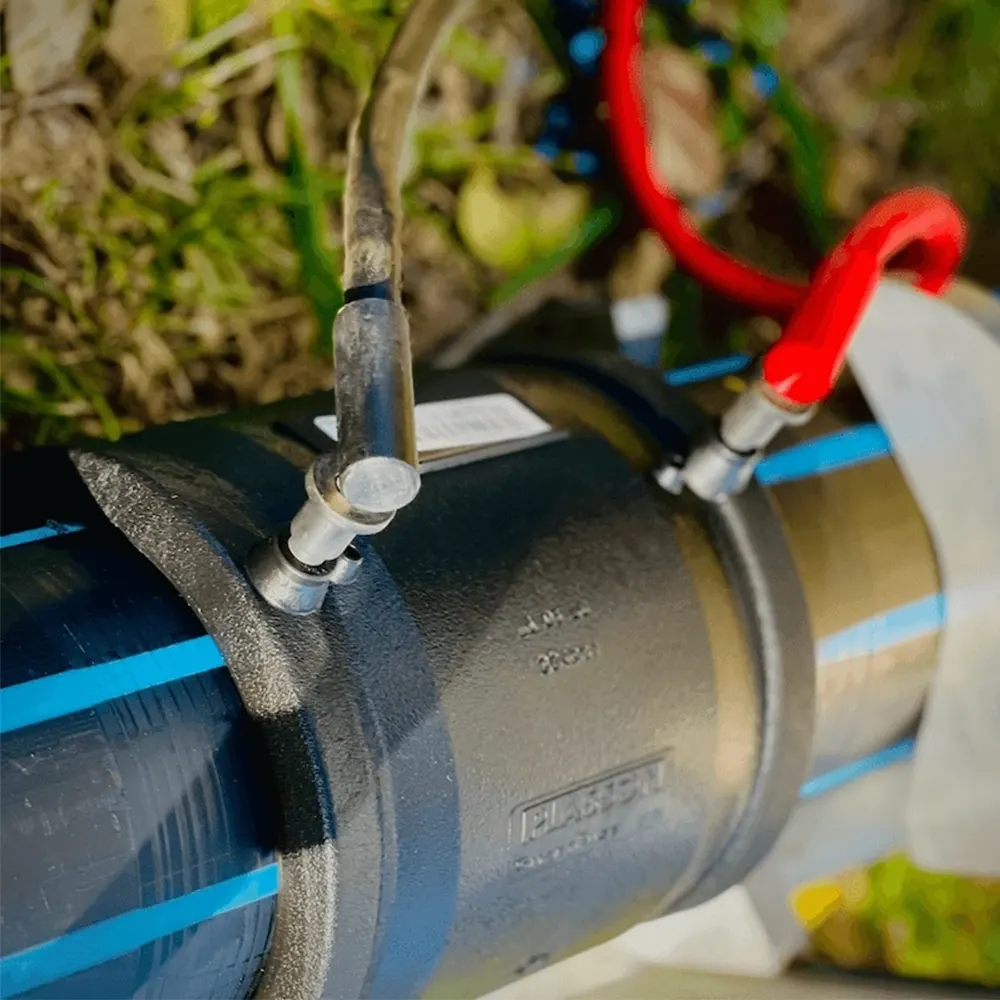
Electrofusion machines deliver controlled heat to fusion couplers and fittings, producing reliable, leak-free joints for water, gas, and industrial networks. The right equipment improves weld consistency, reduces downtime, and ensures compliance with standards—especially on large-scale municipal or industrial projects where failure is not an option.
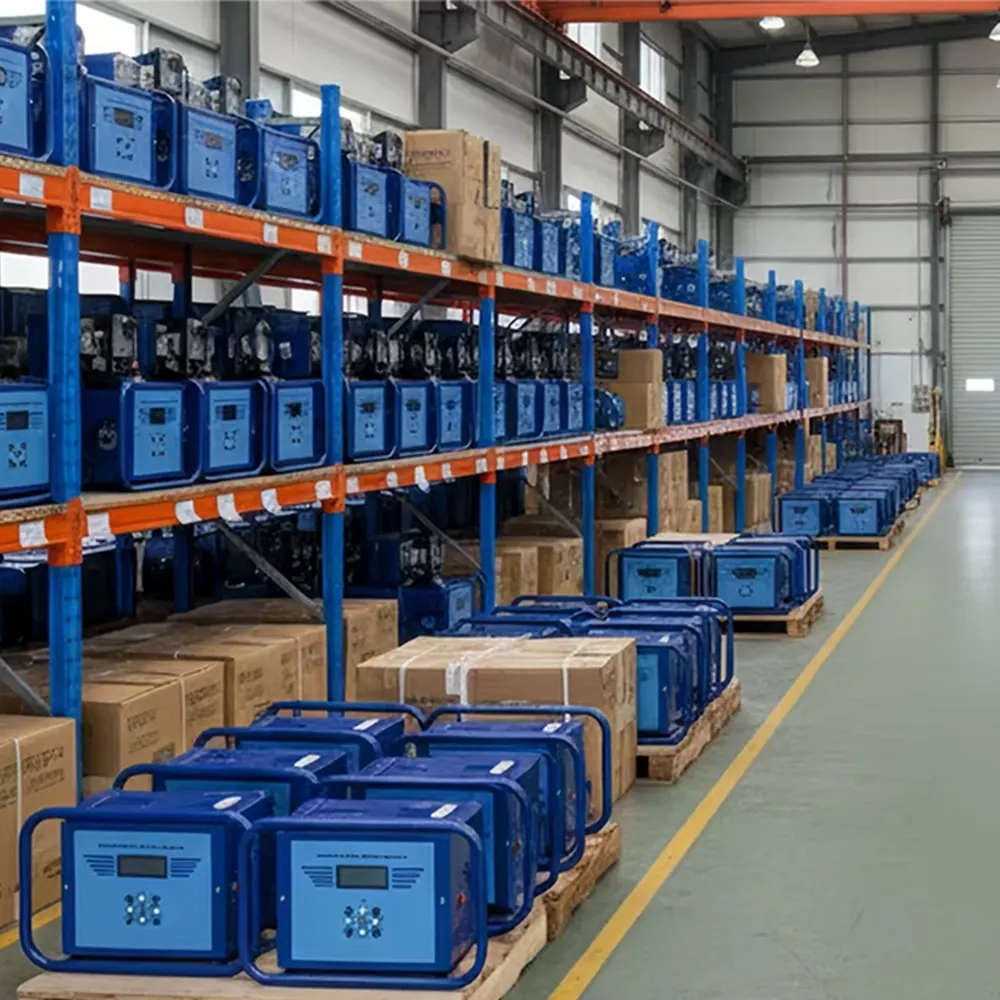
Key Factors That Affect Electrofusion Equipment Price
Prices vary widely because electrofusion machines differ across several technical and service dimensions. Consider these main cost drivers:
- Machine type: handheld or portable units for fieldwork cost less than bench or fully automatic systems used in fabrication yards.
- Control & accuracy: digital controllers, programmable welding parameters, and built-in record-keeping add to the price but improve traceability.
- Power & capacity: units designed for large-diameter fittings or high-volume production require more robust power electronics and are more expensive.
- Connectivity & software: Bluetooth, USB logging, and cloud integration simplify QA/QC but increase upfront cost.
- Certifications & components: compliance with regional standards, OEM heating elements, and quality clamps influence cost and long-term reliability.
- After-sales support: warranty length, local service, spare parts availability, and training affect total cost of ownership.
Typical Price Ranges (USD)
| Equipment Category | Typical Price Range | Best Use |
|---|---|---|
| Portable Handheld/Field Units | $400 – $2,500 | Small repairs, remote sites |
| Benchtop / Semi-Automatic | $2,500 – $8,000 | Workshops, moderate production |
| Automatic / Production Systems | $8,000 – $40,000+ | High-volume fabrication, large diameters |
| CNC / Integrated Welding Stations | $40,000 – $150,000+ | Automated pipe yards, critical infrastructure |
Practical Buying Tips to Get the Best Value
Follow these guidelines to choose equipment that balances initial cost and lifecycle performance:
- Define your application: field repairs vs. factory production, pipe diameters, and expected daily weld volume should drive your selection.
- Prioritize weld traceability: machines that log weld IDs, operator ID, and parameters reduce rework risk and help meet regulatory requirements.
- Check compatibility: confirm the machine supports your electrofusion fittings and pipe materials (PE100, PE80, etc.).
- Evaluate total cost of ownership: factor in consumables, replacement heaters, clamps, training, and shipping from the supplier.
- Request test records and references: ask for sample weld logs and client references for similar projects to verify performance claims.
- Negotiate warranty & support: secure on-site training, spare parts kits, and an extended warranty if you’ll rely on the equipment for critical infrastructure.
Checklist Before Purchase
- Does the machine log weld records and export data?
- Are replacement heating elements and clamps readily available?
- Is there local technical support or authorized service?
- Does the supplier provide training and clear operating manuals?
- Are certifications and calibration records available for QA audits?
About the Manufacturer
JQ-Fusion is a professional manufacturer of HDPE pipe welding machines, offering manual, hydraulic, and CNC automatic butt fusion and electrofusion solutions for global pipeline projects.
Final note
Choosing the right electrofusion machine means balancing upfront price with accuracy, traceability, and support. Investing a bit more in reliable equipment and service often pays dividends in reduced downtime, fewer failed joints, and smoother project delivery.



