
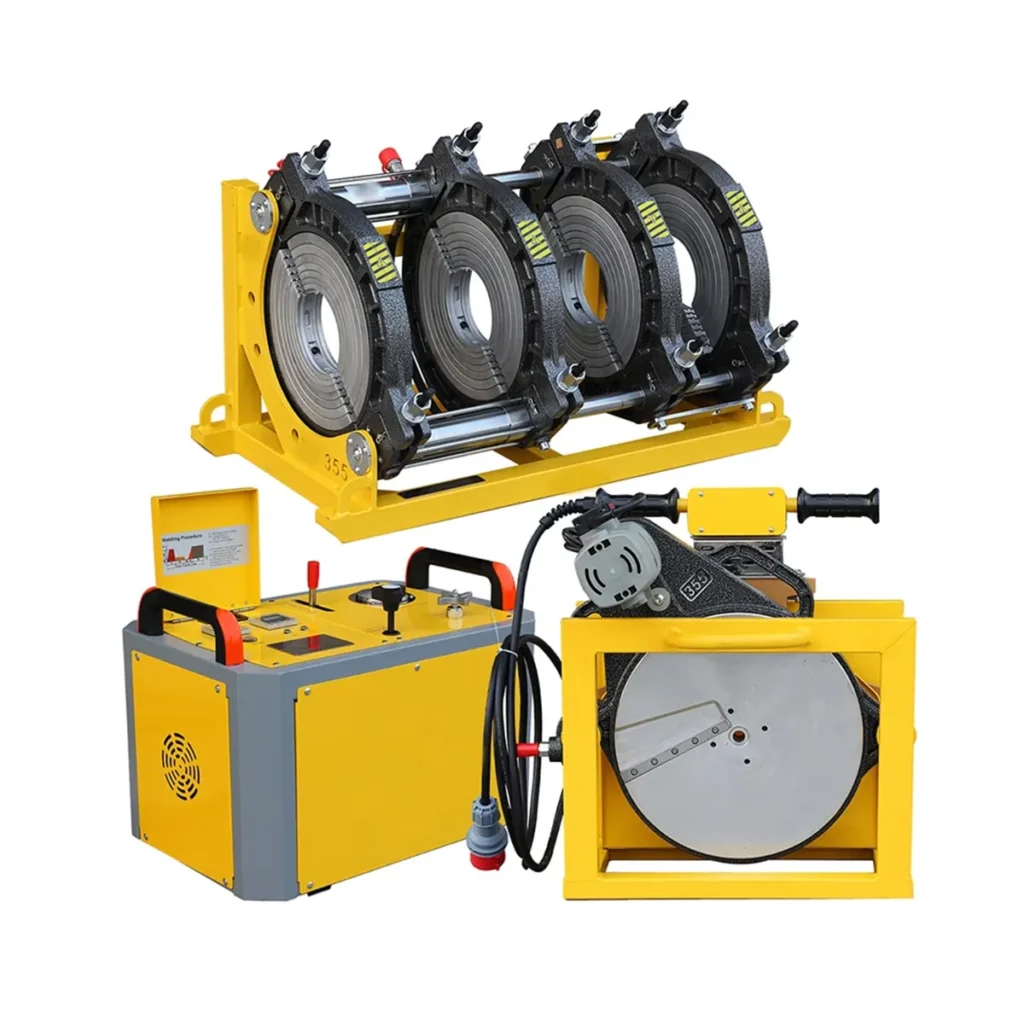
The PE hydraulic butt fusion welding machine is a cornerstone for reliable HDPE pipeline installation, offering consistent joint quality, high efficiency, and strong mechanical performance across water, gas, mining, and industrial pipeline projects. This guide explains features, applications, benefits, maintenance tips, and how to choose the right model for your project.
Key Features of Hydraulic Butt Fusion Machines
High Hydraulic Force: Modern hydraulic units deliver stable, adjustable pressure for large-diameter HDPE pipes, ensuring uniform fusion and repeatable results.
Precision Alignment: Integrated clamp and carriage systems maintain axial alignment during heating and cooling to minimize mismatch and reduce rework.
Durable Heating Plates: PTFE-coated heating plates with even temperature distribution reduce sticking and improve fusion bead consistency.
User-Friendly Controls: Many models include clear analog or digital control panels for pressure, heating, and timing to simplify operation onsite.
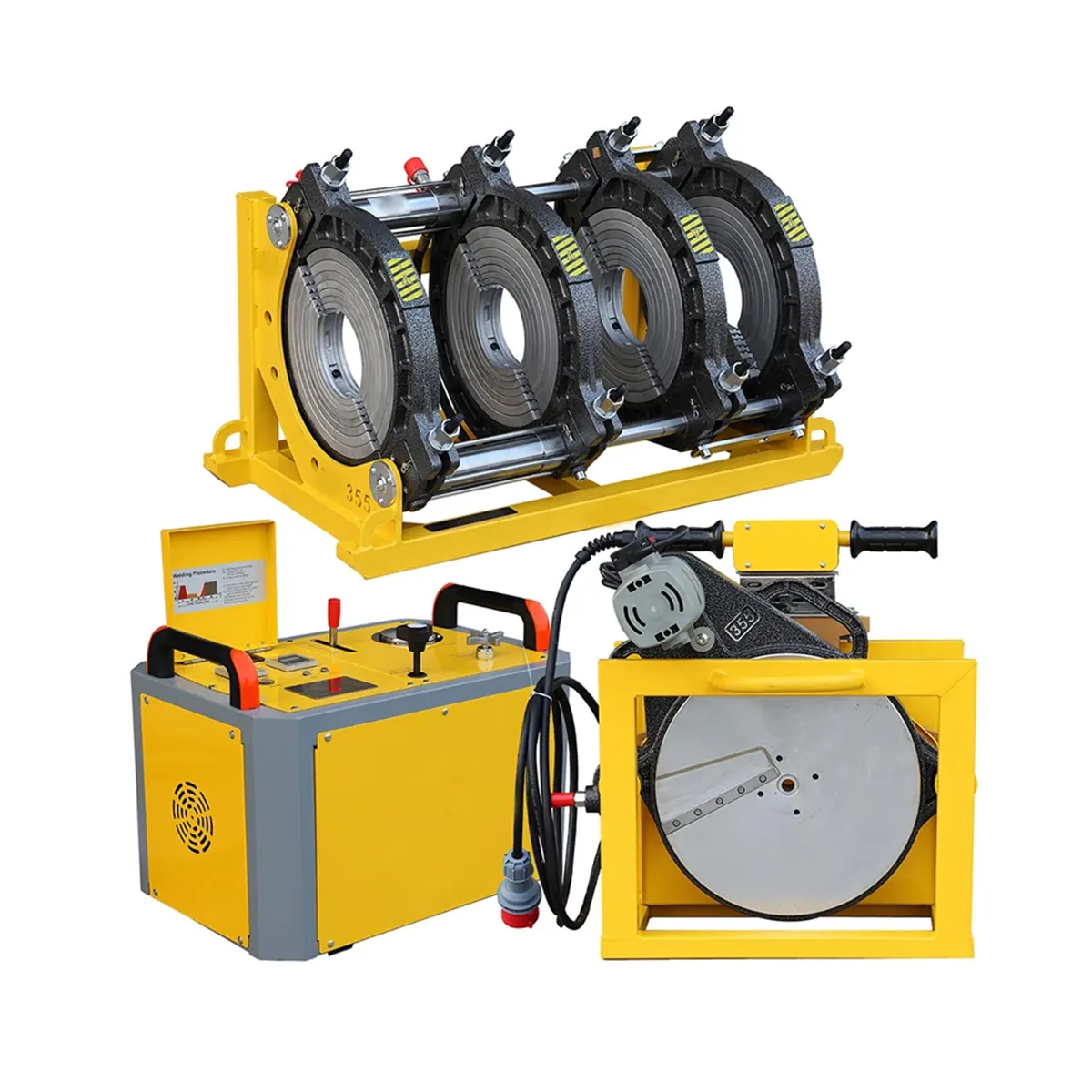
Common Applications
Hydraulic butt fusion welding machines are widely used where durable, leak-free joints are critical. Typical applications include:
Municipal water distribution — pressure-rated HDPE mains and service lines.
Gas distribution networks — low- and medium-pressure systems that require certified, robust joints.
Mining and slurry pipelines — abrasion-resistant HDPE piping systems running across rough terrain.
Industrial process piping — chemical or wastewater lines needing corrosion-resistant materials and secure fusion.
Quick Specification Comparison
| Model Range | Pipe Diameter | Hydraulic Pressure | Control Type |
|---|---|---|---|
| Compact Hydraulic Units | 16mm – 160mm | Up to 6 MPa | Manual / Semi-automatic |
| Mid-Range Machines | 160mm – 630mm | 6 MPa – 12 MPa | Semi-hydraulic with digital timers |
| Large-Diameter Stations | 630mm – 2250mm+ | 12 MPa and above | Fully hydraulic with CNC control |
Top Benefits
Reliable Joint Strength: Properly executed hydraulic butt fusion produces homogenous joints with strength comparable to the parent pipe.
High Productivity: Hydraulic systems speed up the alignment, heating, and cooling cycles, especially for large diameters where manual effort would be impractical.
Versatility: Available in portable frames for fieldwork and heavy-duty bench or CNC models for fabrication yards.
Hydraulic butt fusion is especially valued in climates and installation scenarios where consistent equipment performance under variable field conditions matters most.
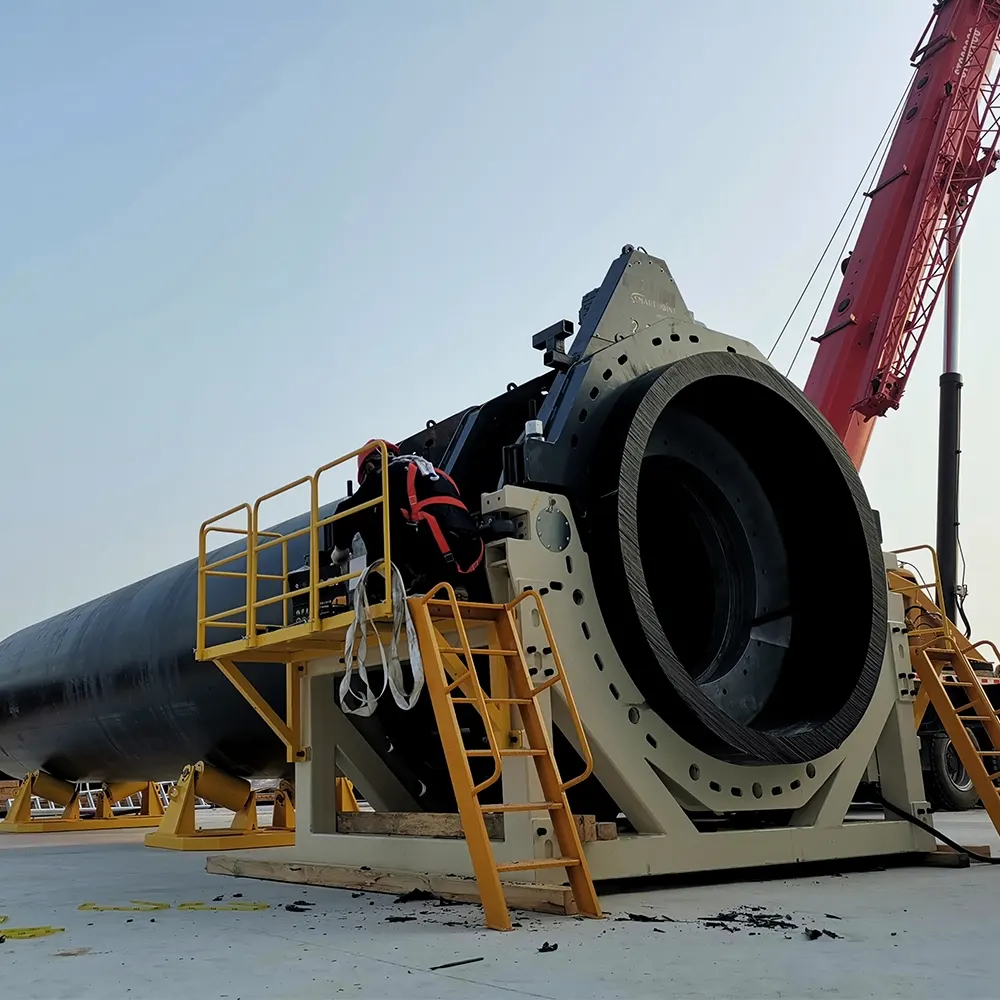
Maintenance & Safety Essentials
Daily Checks: Inspect hydraulic hoses, fittings, and clamps for leaks or wear. Verify heater plate condition and clean PTFE surfaces after cooling.
Calibration: Regularly confirm temperature sensors and pressure gauges are within spec to avoid under- or over-fusion.
Operator Safety: Use PPE, keep hands clear of heated surfaces, and follow lockout procedures before maintenance.
How to Choose the Right Machine
Match the machine to your project by considering pipe diameter range, expected throughput, mobility needs, and the level of automation desired. For frequent site moves select lightweight portable hydraulic frames; for production yards prioritize CNC or fully automatic hydraulic units.
Why Professionals Prefer JQ-Fusion
JQ-Fusion provides a broad lineup of hydraulic butt fusion machines designed for durability and field reliability, backed by experience in supplying solutions for water supply, gas distribution, mining, and industrial pipeline systems.
Frequently Asked Questions
Q: What is the typical fusion cycle? A: Cycle times vary with pipe size and material but include facing, heating to target temperature, and controlled cooling — larger diameters require longer cooling times for optimal strength.
Q: Can hydraulic butt fusion be used for all HDPE grades? A: Yes — properly configured machines and correct fusion parameters allow joining of common PE grades (PE80, PE100) used in utilities.
Q: Do I need certification to operate these machines? A: Many regions require trained operators and documented fusion procedures for pressure systems; check local standards and training programs before deployment.



