
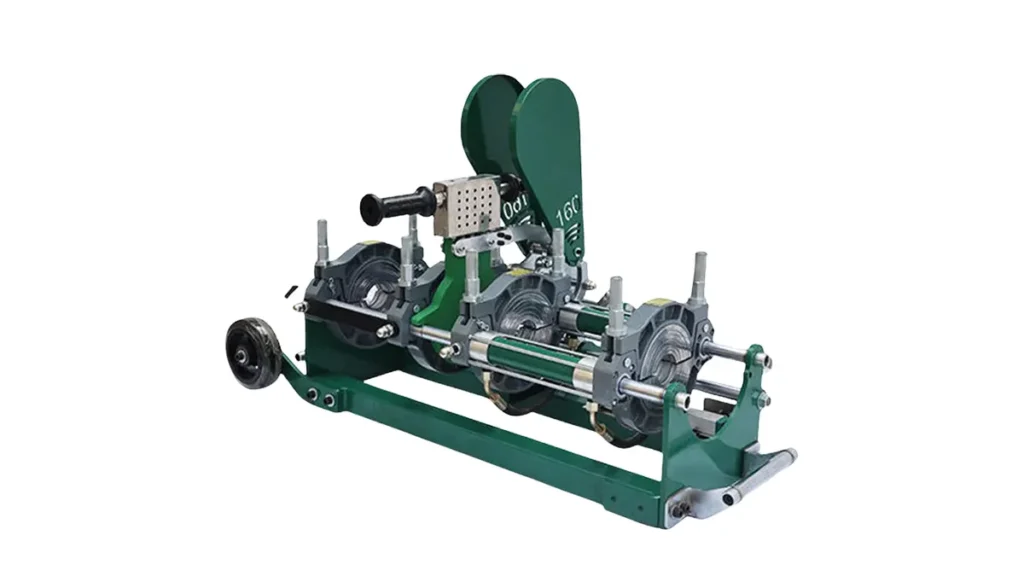
Choosing the right poly pipe welder can make the difference between a leak-free pipeline and costly rework. This guide covers reliable welding machines for plastic pipe joining — from handheld electrofusion units to heavy-duty hydraulic butt fusion systems — helping contractors, municipal engineers, and pipeline installers make smart purchases.
Why Invest in a Quality Poly Pipe Welder?
Plastic pipe systems (HDPE, PE, PP) require consistent heating and controlled pressure to form durable, homogeneous joints. A reliable poly pipe welder ensures repeatable weld cycles, fewer failures, and compliance with industry standards — crucial for water supply, gas distribution, mining, and industrial pipelines.
Key Benefits
Improved joint strength, reduced downtime, and predictable cycle times are among the main advantages. Professional welders also deliver better safety, traceable weld records, and easier certification for large infrastructure projects.
Common Welding Methods
Butt fusion (two pipe ends heated and pressed together), electrofusion (special fittings heated by embedded elements), and socket fusion are the dominant techniques. Selecting the right machine depends on pipe diameter, project scale, and desired automation level.
Types of Poly Pipe Welders
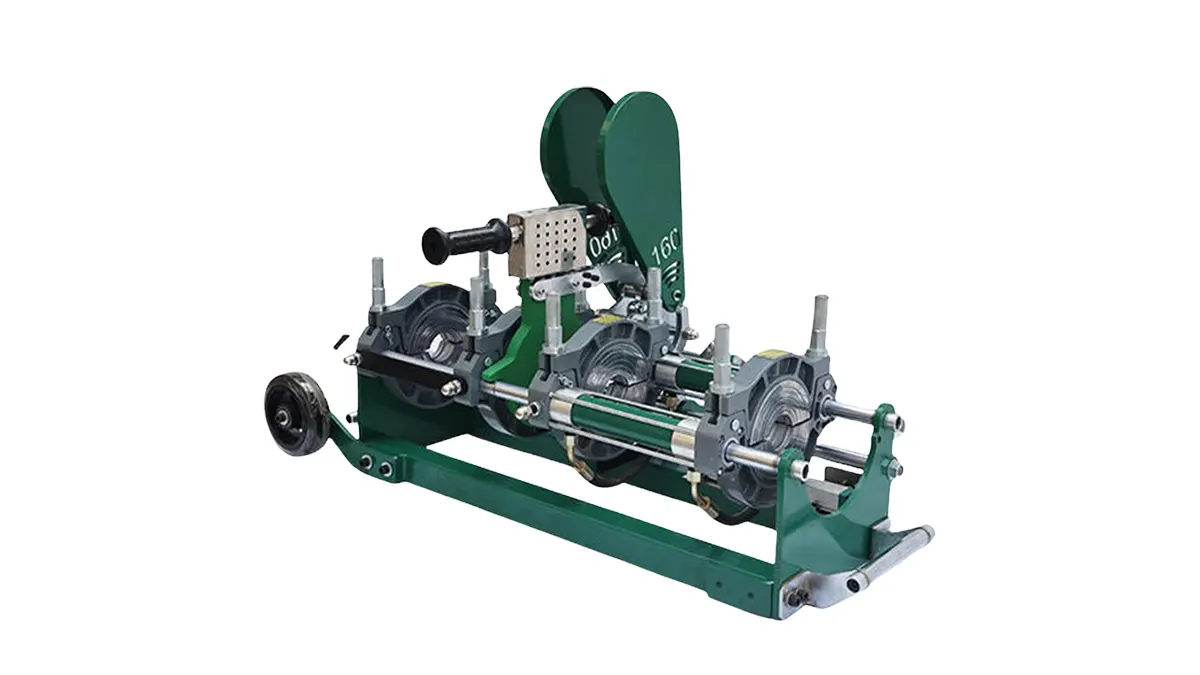
Manual Welders
Ideal for small-diameter pipes and remote jobs where portability matters. Manual units are simple, robust, and cost-effective for repair work and small installations.
Hydraulic Butt Fusion Machines
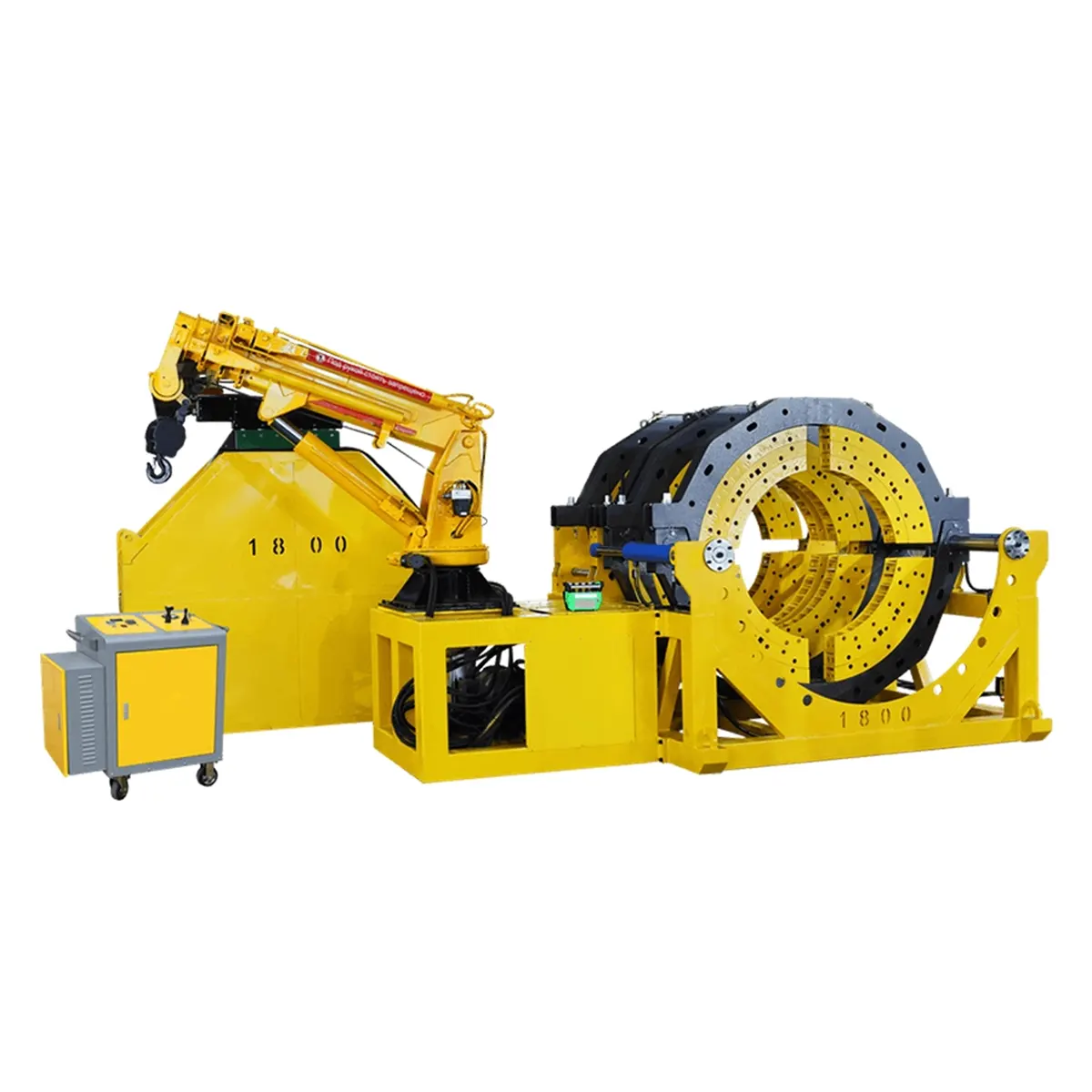
Designed for medium to large diameter pipelines, hydraulic machines provide stable force control and repeatability. They are widely used in municipal and industrial installations where consistent weld pressure is critical.
CNC Automatic Butt Fusion Systems
For high-volume or precision projects, CNC automatic welders control heating, soak, and cooling times via programmable cycles. These systems reduce operator variability and speed up large deployments.
Electrofusion Machines
Used with electrofusion fittings, these machines supply controlled current to heat the fitting’s embedded coil. They are essential for tapping, fittings, and some repair scenarios.
Model Comparison at a Glance
| Model | Type | Pipe Range | Key Feature |
|---|---|---|---|
| JQSY-4M | Manual | 20–400 mm | Lightweight, portable for field repairs |
| JQH-800 | Hydraulic | 160–800 mm | Stable pressure control for utility networks |
| JQA-250 | CNC Automatic | 63–250 mm | Programmable weld cycles, data logging |
| JQEA | Electrofusion | 20–355 mm | Precise current control for fittings |
How to Choose the Right Welder
Consider pipe diameter, wall thickness, production rate, and onsite power availability. For contractors handling multiple pipeline sizes, a mix of manual and hydraulic/CNC systems often provides the best balance between flexibility and productivity.
Selection Checklist
– Confirm the maximum and minimum pipe diameters.
– Check heating plate quality and replaceable elements.
– Look for programmable settings or data recording for audit trails.
– Verify spare parts availability and local service options.
Maintenance & Best Practices
Routine inspection of heating plates, hydraulic lines, and clamps extends machine life. Keep heating surfaces clean, follow calibration schedules, and train operators on consistent alignment and pressure procedures to prevent weak joints.
Safety Tips
Always wear PPE, avoid direct contact with hot plates, and ensure hydraulic systems are depressurized before maintenance. Proper grounding and electrical checks are crucial for electrofusion equipment.
Applications Across Industries
Poly pipe welders are suitable for:
– Water and sewer networks
– Gas distribution pipelines
– Mining slurry and tailings lines
– Agricultural irrigation and industrial fluid systems
Buying Tips & Warranty Considerations
Choose suppliers that provide clear warranty terms, spare parts, and technical support. For large contracts, consider onsite training and extended service packages to reduce lifecycle costs.
Frequently Asked Questions
Q: Can one machine handle all pipe sizes?
A: Most machines have defined ranges; large-diameter lines require specialized hydraulic or H-frame systems.
Q: How important is traceability?
A: For municipal and industrial projects, weld logs and calibration records are often required for acceptance.
About the Manufacturer
JQ-Fusion is a professional manufacturer specializing in HDPE pipe welding machines, offering manual, hydraulic, and CNC automatic butt fusion solutions for global infrastructure projects. https://jq-fusionwelding.com/
Ready to equip your team? Select a model that fits your pipe range and production needs, prioritize serviceability, and verify operator training — these steps will keep your projects on time and leak-free.



