
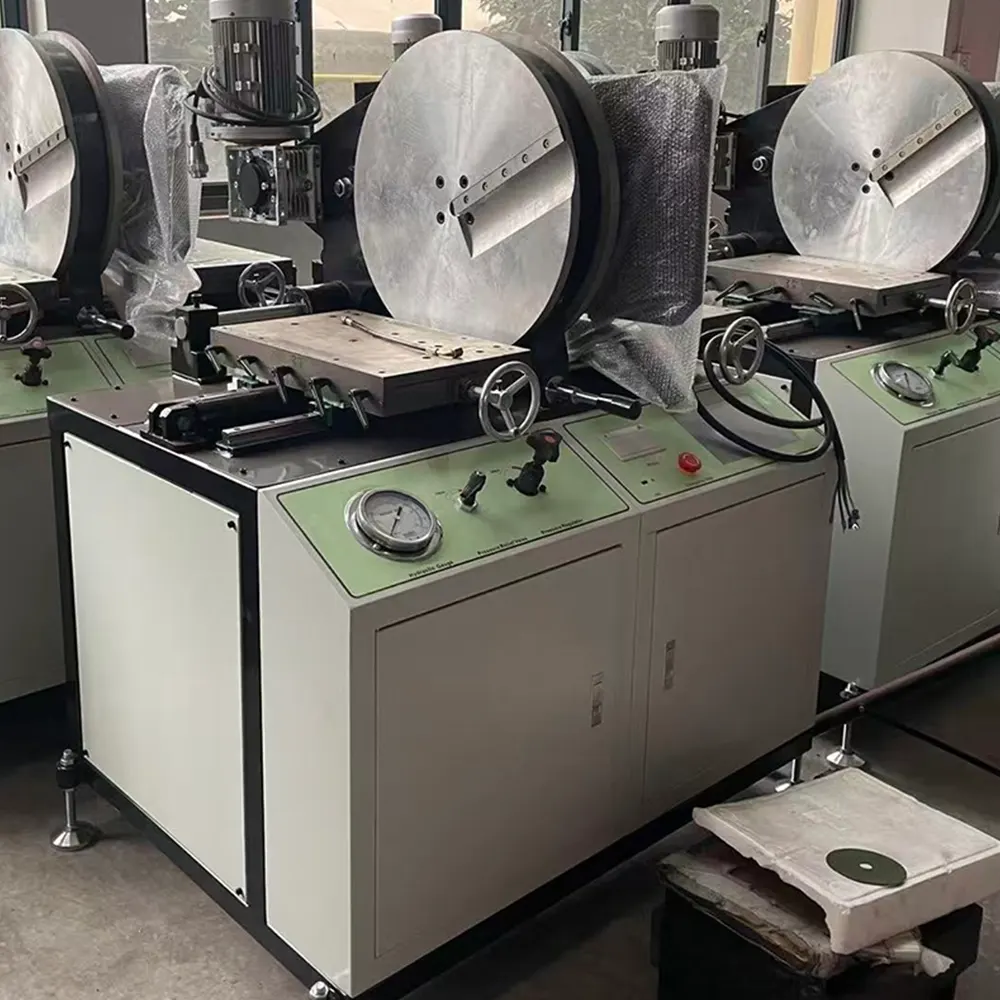
When people ask how a pipe fusion machine works, they are usually looking for more than a machine description. They want to understand the entire welding logic behind the process: how plastic pipe ends are prepared, heated, aligned, and pressed into a single leak-resistant joint. In modern pipeline construction, especially for HDPE systems, this process is essential because it creates a connection that is often stronger than the pipe itself. For contractors working on water supply, gas distribution, mining, and industrial pipeline projects, mastering this principle is a key step toward building reliable infrastructure.
Pipe fusion is not a complicated mystery, but it does require precision, stable temperature control, correct pressure, and accurate alignment. A small deviation in any one of these factors can affect the final weld quality. That is why a professional butt fusion machine plays such an important role in the field. It is designed to make the fusion process repeatable, efficient, and safe, even in demanding jobsite conditions.
What a Pipe Fusion Machine Actually Does
A pipe fusion machine joins thermoplastic pipes by heating the pipe ends until they reach a softened state, then pressing them together under controlled force. Once cooled, the two sections become one continuous pipeline. The machine does not simply “glue” pipes together; it creates molecular bonding through heat and pressure. This is why fusion welding is highly valued in HDPE applications, where joint strength and long-term reliability matter most.
The machine typically includes a frame, clamps, a heating plate, a hydraulic or manual drive system, and a facing tool. Each part contributes to one stage of the process. The clamps hold the pipes in perfect alignment. The facer removes contaminated material and creates flat, even pipe ends. The heating plate transfers controlled heat. The drive system applies the correct joining pressure. Together, these functions produce a consistent weld that is suitable for high-performance pipeline systems.
The Core Working Principle
The working principle of a pipe fusion machine is based on thermal softening and molecular diffusion. When the pipe ends are heated to the proper temperature, the surface layer becomes plasticized. At that point, the material is ready to fuse. After the heating plate is removed, the softened ends are pressed together with the right force. The molecular chains from both pipe ends intermingle, and during cooling they solidify into one continuous joint.
★ Key idea: A good fusion weld depends on three essentials: clean pipe ends, precise heat, and controlled pressure.
This principle is simple in theory, but in practice it requires accurate operation. If the heating temperature is too low, the material will not soften enough to bond. If it is too high, the polymer can degrade and weaken the joint. If pressure is uneven, the weld may form irregular bead patterns or internal stress points. That is why professional machines are engineered to maintain consistency at every stage.
Main Stages of the Fusion Process
The fusion cycle usually follows a clear sequence. First, the pipe ends are clamped and aligned. This step ensures the surfaces remain concentric and stable. Next, the facer trims both ends so they are smooth, level, and free from oxidation. After that, the heating plate is inserted, and the pipe ends are brought into contact with it until they soften.
Once the proper melt depth is reached, the heating plate is removed quickly and the pipe ends are pushed together under the correct joining pressure. This creates the initial fusion bead around the joint. The machine then keeps the connection stable while the welded area cools naturally. Cooling is not a shortcut stage; it is part of the welding process. Premature movement can damage the molecular bond and reduce joint strength.
⚙️ Alignment matters: even a slight mismatch in pipe ends can create a weak point, especially in large-diameter systems.
Why Temperature Control Is So Important
Temperature is one of the most sensitive factors in pipe fusion. The heating plate must deliver stable, evenly distributed heat so that both pipe ends soften uniformly. Professional machines are built with reliable temperature regulation because inconsistent heating can produce defective welds. In real pipeline work, especially on high-pressure systems, temperature accuracy is not a bonus feature; it is a requirement.
For example, if one side of the pipe receives more heat than the other, the fusion bead can become unbalanced. This may lead to internal stresses or poor fusion depth. A well-designed machine helps reduce these risks through accurate plate control and dependable heating performance. In many field projects, operators choose equipment with strict testing standards to ensure stable results across different site conditions.
Hydraulic Pressure and Manual Force
Pipe fusion machines may use manual force or hydraulic force to move the pipe clamps and apply joining pressure. Manual machines are often used for smaller pipe sizes or simpler site conditions. They are practical, portable, and easier to operate when the workload is moderate. Hydraulic systems, on the other hand, are better suited for larger diameters and heavier-duty projects because they offer smoother and more precise pressure control.
In both cases, the principle remains the same: pressure must be sufficient to create a strong bond, but not so high that it squeezes out too much molten material or disturbs the weld interface. The operator must follow the correct fusion parameters for the specific pipe size and material. Proper pressure control helps maintain uniform bead formation and reliable weld integrity.
Important: Different pipe diameters require different fusion settings. A machine with flexible adjustment is much easier to use across multiple project types.
The Role of the Facer
The facer is one of the most important tools in the fusion machine system. Before heating begins, the facing process removes dirt, oxidation, and uneven material from the pipe ends. This creates a fresh, flat surface that can bond properly during welding. If the ends are not faced correctly, the fusion area may contain contamination or gaps, which can weaken the joint.
Many welding failures begin with poor preparation rather than poor heating. That is why experienced technicians treat facing as a critical step, not a routine formality. The better the surface preparation, the more reliable the final weld.
How the Heating Plate Works
The heating plate is the heart of the fusion process. It transfers controlled heat to the pipe ends and softens the contact surfaces to the correct melting condition. The plate must be clean, stable, and properly calibrated. If contaminants stick to the surface, or if the temperature fluctuates too much, the weld quality can suffer.
High-quality machines use heating plates designed for durability and consistent thermal performance. In professional production and project environments, stable heating equipment helps reduce rework, minimize downtime, and improve overall welding efficiency. This is one of the reasons why reputable manufacturers invest heavily in precision machining and testing.
Why Machine Structure Affects Weld Quality
A pipe fusion machine is not just a heat source. Its frame rigidity, clamp accuracy, and hydraulic stability all directly affect the final result. If the frame is weak or the clamps are misaligned, the pipe ends may shift during heating or joining. This can produce an uneven bead or internal stress that is difficult to detect immediately.
For that reason, professional manufacturers focus on both engineering and quality control. JQ-Fusion, for example, emphasizes stable performance, precise alignment, and durable construction for different pipeline applications. Their machines are built for long service life and real-world project demands, which is especially important for contractors who need consistent performance across repeated welds.
✅ Strong structure = stable welding. A rigid machine frame helps maintain alignment from start to finish.
Where Pipe Fusion Machines Are Used
Pipe fusion machines are widely used in water distribution, gas pipelines, mining systems, and industrial pipeline installations. These applications require secure, leak-resistant joints that can handle pressure, vibration, and environmental stress. Fusion welding is especially suitable for HDPE pipes because the material is flexible, corrosion-resistant, and highly reliable when welded correctly.
In large infrastructure projects, a dependable fusion machine can improve both efficiency and project quality. Contractors appreciate machines that are easy to transport, quick to set up, and capable of producing repeatable welds. For this reason, product lines such as hydraulic, automatic, and electrofusion systems are often selected based on project scale and installation environment.
Learn more about machine options and technical support at JQ-Fusion official website.
Why Manufacturers Matter
Not all fusion machines are built to the same standard. The manufacturer’s engineering capability, quality inspection process, and customization options all influence the final product. A strong manufacturer can provide the right configuration for different pipe diameters, voltages, branding needs, and jobsite requirements. This is particularly valuable for distributors and contractors who serve diverse markets.
JQ-Fusion focuses on global pipeline projects and offers manual, hydraulic, and CNC automatic butt fusion welding machines. Their factory capability, strict testing, and OEM/ODM customization support help customers match equipment to project needs more effectively. In real-world operations, this kind of support can save time, reduce risk, and improve customer satisfaction.
How to Recognize a Reliable Fusion Machine
A reliable machine should offer stable temperature control, accurate clamp alignment, durable components, and smooth operation under load. It should also be easy to maintain and suitable for the pipe sizes you work with most often. If you are selecting equipment for a business or project, it is wise to look beyond price and evaluate performance, support, and long-term value.
Key features to look for:
• Precise heating plate control
• Strong frame rigidity
• Accurate pipe alignment system
• Reliable hydraulic or manual operation
• Clear technical support and after-sales service
Practical Benefits of Using the Right Machine
Using the correct pipe fusion machine can significantly improve welding speed, joint quality, and overall jobsite efficiency. It reduces the chance of leaks, lowers repair costs, and supports long-term pipeline reliability. It also helps operators work more confidently because the process becomes more predictable and easier to control.
In competitive construction and distribution markets, these benefits matter. Projects move faster when equipment performs well. Clients trust contractors more when joints are consistent and durable. And businesses grow more easily when their tools support repeatable quality.
Pro tip: Choose a machine that matches your pipe range and job frequency, not just your current budget.
Conclusion
The working principle of a pipe fusion machine is based on a simple but powerful idea: controlled heat, correct pressure, and accurate alignment can transform two plastic pipe ends into one strong and durable joint. From facing and heating to joining and cooling, every step matters. That is why professional equipment, skilled operation, and reliable manufacturing all play essential roles in the success of the final weld.
For modern pipeline projects, especially those using HDPE systems, a high-quality fusion machine is more than a tool. It is a core part of building safe, stable, and long-lasting infrastructure. Whether the project involves water, gas, mining, or industrial transport, the right machine helps deliver results that stand up to real-world demands.
FAQ
Q1: What is the main purpose of a pipe fusion machine?
It joins thermoplastic pipes by heating and pressing the ends together, creating a strong, leak-resistant bond.
Q2: Why is temperature control so important in fusion welding?
Because the pipe ends must be heated evenly and accurately. Too little heat weakens the bond, while too much heat can damage the material.
Q3: What does the facer do in a butt fusion machine?
It trims the pipe ends to create clean, flat surfaces so they can fuse properly during welding.
Q4: Are hydraulic machines better than manual machines?
Not always. Hydraulic machines are better for larger pipe sizes and heavier work, while manual machines are practical for smaller or simpler applications.
Q5: What makes a fusion machine reliable?
Stable temperature control, accurate alignment, durable structure, and strong technical support are the main factors that determine reliability.



