
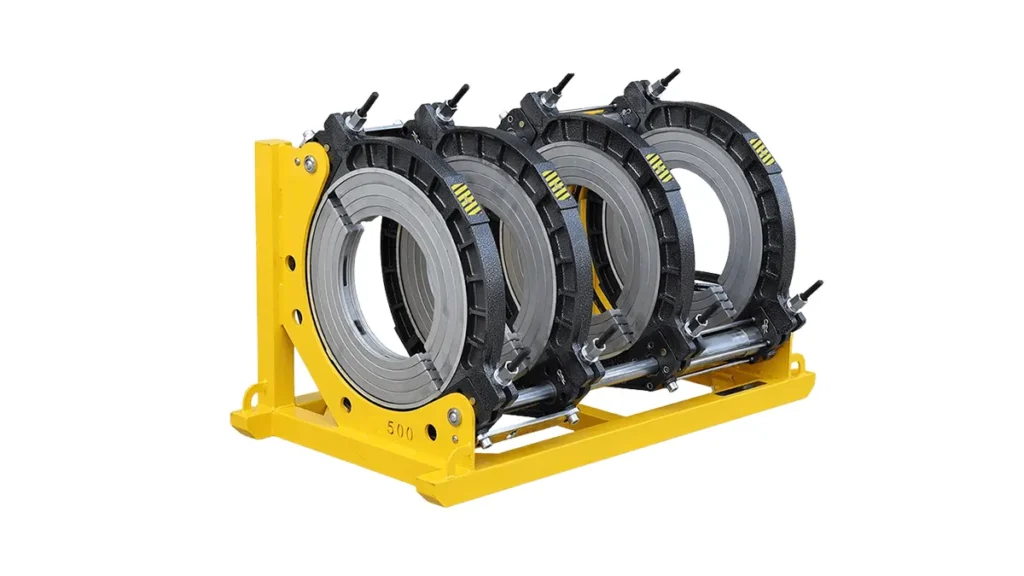
The expected lifespan of an electric fusion welder is a key concern for contractors, utilities, and pipeline specialists. Understanding the factors that influence durability and ongoing performance helps you plan maintenance, predict costs, and avoid downtime on critical HDPE pipe fusion projects. This guide breaks down the real-world variables that determine how long a fusion welding machine will remain reliable and productive.
Why Welder Lifespan Matters
Longevity affects total cost of ownership, job scheduling, and safety. A well-maintained welder that endures heavy duty cycles delivers consistent joint quality, reduces rework, and protects project timelines. Conversely, premature component failure can trigger costly delays and compromise pipeline integrity.
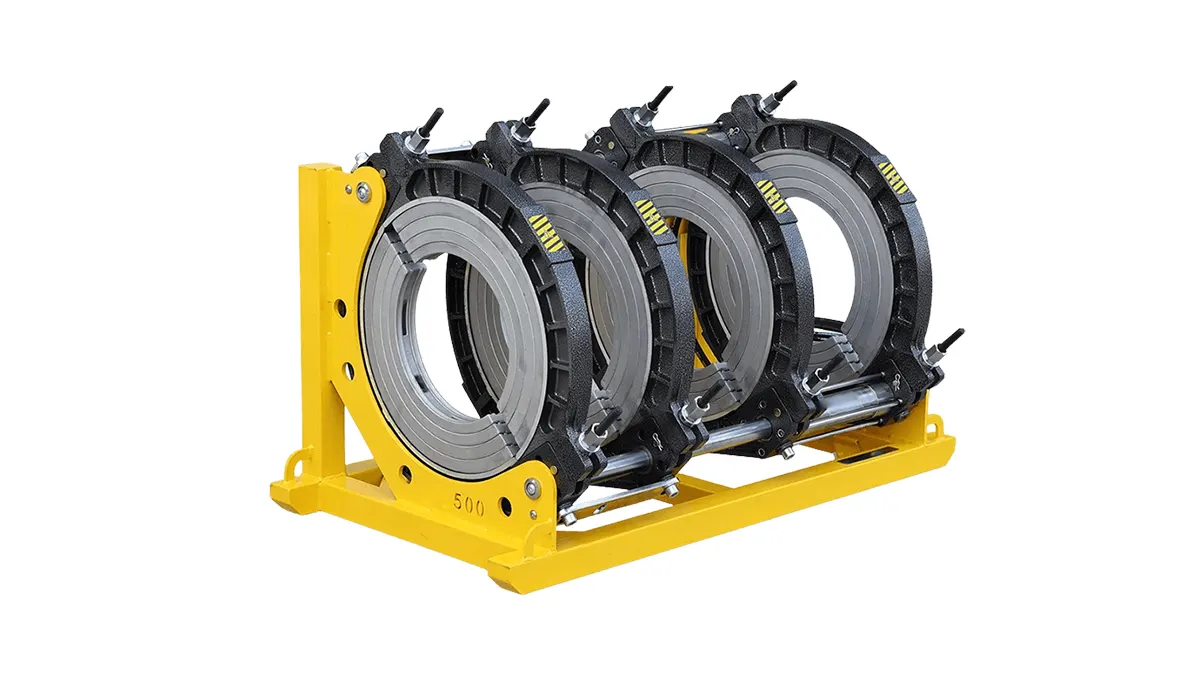
Primary Factors That Determine Lifespan
Design and Build Quality
Robust mechanical design, quality welding platens, durable wiring, and corrosion-resistant frames are foundational. Machines built with precision components and tested controls typically outlast inexpensive alternatives by years.
Usage Patterns and Duty Cycle
How often and how hard the machine is used directly impacts wear. Continuous industrial use or long shifts accelerate bearing, hydraulic, and heater wear compared with occasional site jobs. Matching machine class to workload prevents over-stressing components.
Power Supply and Electronics
Stable voltage, effective surge protection, and high-quality control electronics extend lifespan. Frequent power spikes or poor grounding increase failure rates in heating elements and control boards.
Maintenance and Consumables
Regular replacement of consumables—heater plates, Teflon covers, seals, and clamps—preserves welding quality. Lubrication of moving parts and scheduled calibration reduce cumulative damage and ensure consistent joint strength.
Operating Environment
Harsh sites (salt air, extreme temperatures, heavy dust, or chemical exposure) accelerate corrosion and electrical faults. Machines stored indoors or under protective covers retain performance far longer.
Operator Training and Procedures
Skilled operators who follow correct fusion parameters (temperature, pressure, and dwell times) reduce undue strain on heaters and mechanical systems. Poor technique often looks like equipment failure when it is avoidable human error.
Estimated Component Lifespan and Replacement Guide
| Component | Typical Lifespan | Replacement Trigger |
|---|---|---|
| Heater Plate / Element | 1–5 years (depends on use) | Uneven heating, frequent hot spots, or visible damage |
| Hydraulic Pump & Seals | 3–10 years | Leaks, pressure drop, or erratic motion |
| Electronic Control Unit | 5–12 years | Frequent faults, display failures, or inconsistent cycles |
| Clamps & Jaws | 2–8 years | Wear, slippage, or deformation |
| Frame and Fasteners | 10+ years | Corrosion, cracks, or alignment loss |
Practical Tips to Maximize Lifespan
Daily checks: Inspect heater surfaces, electrical connections, and hydraulic lines before each shift to catch issues early.
Scheduled maintenance: Implement a preventive schedule for lubrication, seal replacement, and electrical inspections.
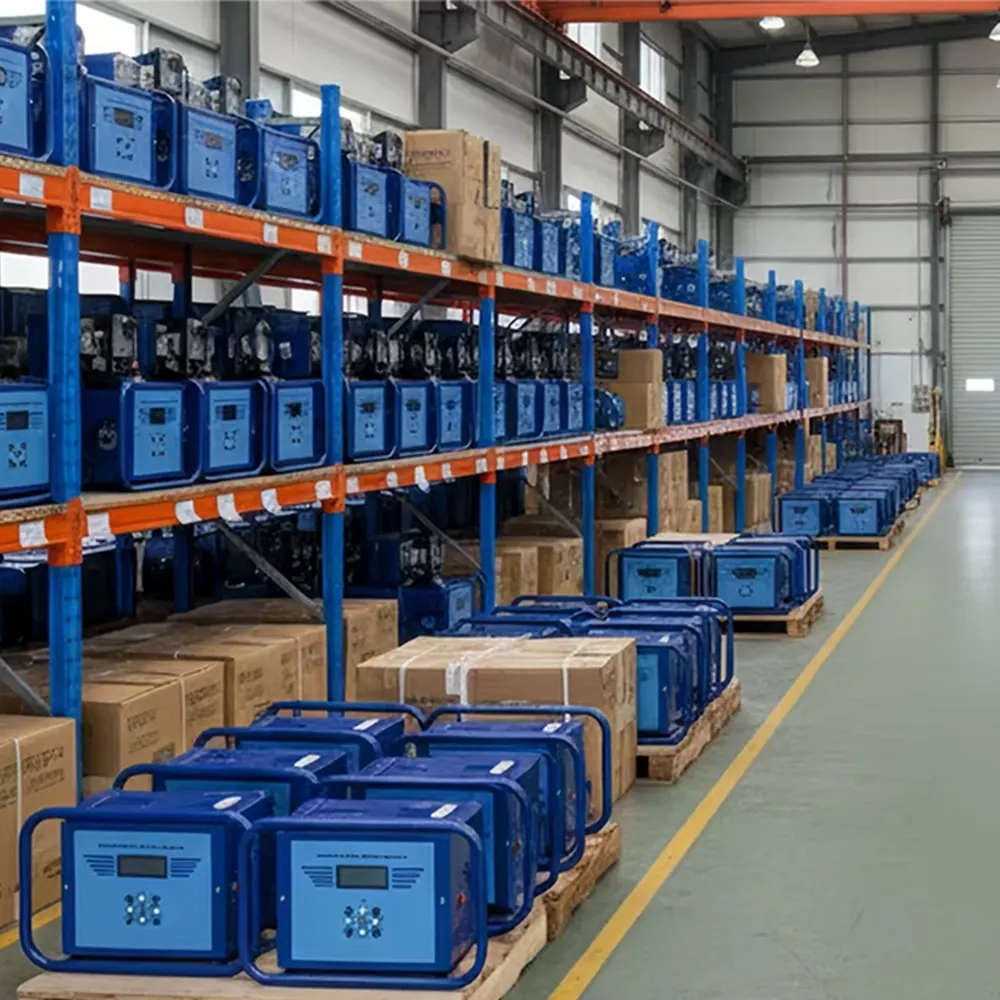
Proper storage: Protect the machine from moisture and dust between jobs—cover or store indoors whenever possible.
Use OEM consumables: Replacement heater plates, Teflon sheets, and seals from quality suppliers reduce mismatch wear and maintain weld consistency.
Training: Invest in operator training and standard operating procedures to reduce misuse and improve joint quality.
When to Repair vs Replace
Minor component wear and electronic repairs are often cost-effective. Replace the entire machine when repair costs approach 50–60% of a new unit, or when foundational items (frame alignment, control architecture) are compromised. Upgrading to a newer model can be justified when advanced automation or improved energy efficiency delivers clear project gains.
Buying Considerations for Long-Term Performance
Choose machines with clear service support, available spare parts, and proven build quality. Warranty length, local service options, and documented test results (pressure & joint integrity) are vital. For dependable HDPE fusion equipment and global project support, consider manufacturers with a track record in butt fusion technologies—JQ-Fusion offers a range of manual, hydraulic, and CNC automatic machines and spare parts to match different project sizes and duty cycles: https://jq-fusionwelding.com/
Quick Pre-Purchase Checklist
1. Confirm duty cycle rating vs expected daily workload.
2. Verify spare parts availability and lead times.
3. Request test weld reports and references from similar projects.
4. Ensure training and maintenance documentation are provided.
Bottom Line
Electric fusion welder lifespan is driven by design quality, usage intensity, environmental exposure, and maintenance discipline. With proper selection, preventive care, and trained operators, many welders deliver years of reliable service while protecting weld integrity and project schedules.



