
Electric fusion machines are the backbone of reliable HDPE pipe connections, delivering consistent heat and pressure for leak-free joints. This guide helps contractors, municipal engineers, and pipeline technicians choose the right machine and use it correctly for durable, compliant pipe fusion.
Types of Electric Fusion Machines
Manual Butt Fusion Machines — simple, portable, ideal for small-diameter pipes and on-site repairs. They rely on operator control for alignment, heating, and fusion pressure.
Hydraulic Butt Fusion Machines — provide higher clamping force and better consistency for medium to large diameter pipes. They reduce operator fatigue and improve repeatability in demanding projects.
Automatic/CNC Butt Fusion Machines — programmable cycles, digital control of heating time, pressure, and cooling; best for high-volume installations and factory conditions.
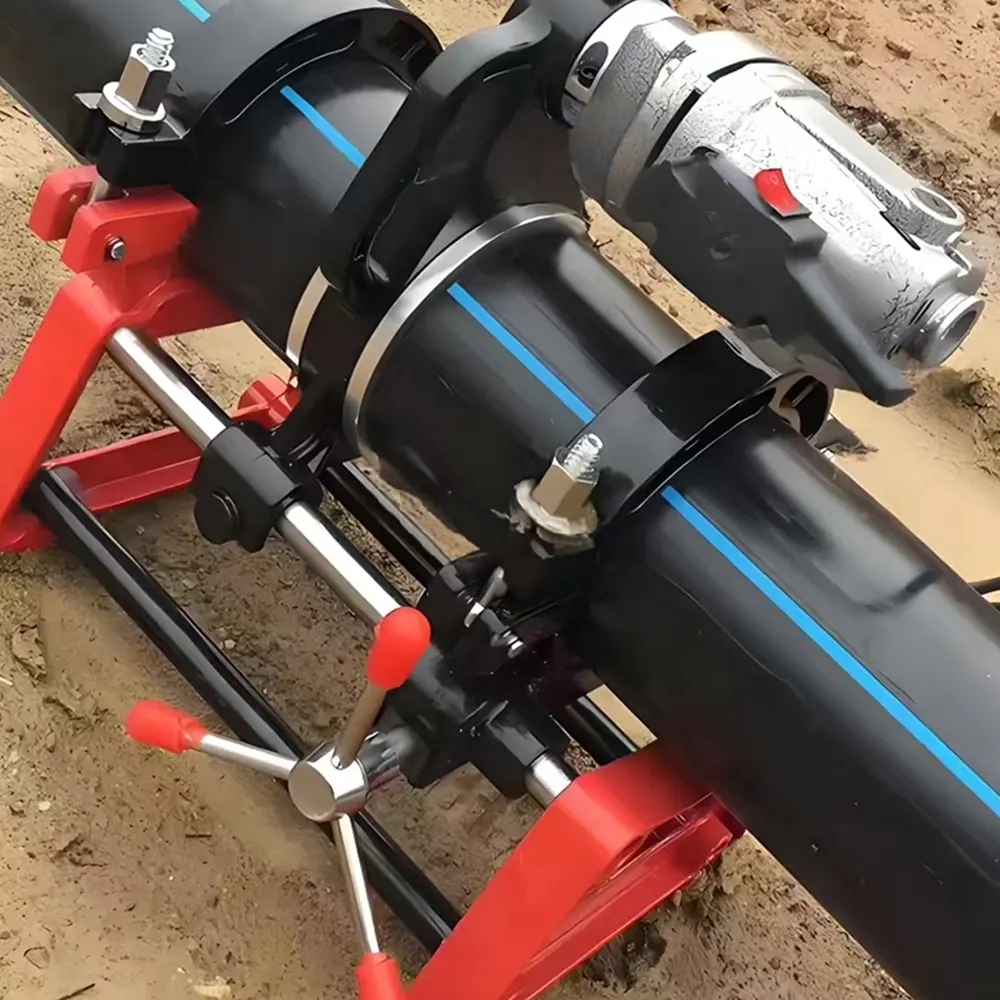
Key Features to Compare
Power & Heat Control: stable heating plate temperature and accurate thermostatic control are essential for uniform fusion beads.
Clamping & Alignment: rigid clamps and accurate alignment fixtures prevent mismatch and stress on joints during cooling.
Pressure System: hydraulic or electromechanical drives with measurable pressure feedback ensure the correct fusion force for pipe diameter and SDR.
Quick Comparison Table
| Model Type | Best For | Typical Range |
|---|---|---|
| Manual | Small repairs, remote sites | 20mm – 315mm |
| Hydraulic | Trench & field pipelines | 160mm – 1000mm+ |
| Automatic / CNC | Production yards, large projects | 50mm – 2000mm |
Step-by-Step: Performing a Reliable Butt Fusion
1. Prepare the Pipes: clean pipe ends, remove dirt and moisture, mark alignment points. Ensure pipes are fully free of debris.
2. Secure & Align: clamp both pipe ends into the machine, align axial centerlines using the machine’s guides.
3. Facing (Trimming): use a facing tool to create smooth, perpendicular ends — essential for uniform fusion.
4. Heating: bring the heating plate to the required temperature for the polymer grade, typically displayed or set per manufacturer instructions.
5. Fusion Under Pressure: press the pipes together under controlled pressure for the specified melt time, then hold during controlled cooling to form the fusion bead.
6. Inspection: visually inspect the bead for uniformity and proper upset; perform destructive or non-destructive testing where required by project specs.
Safety and Best Practices
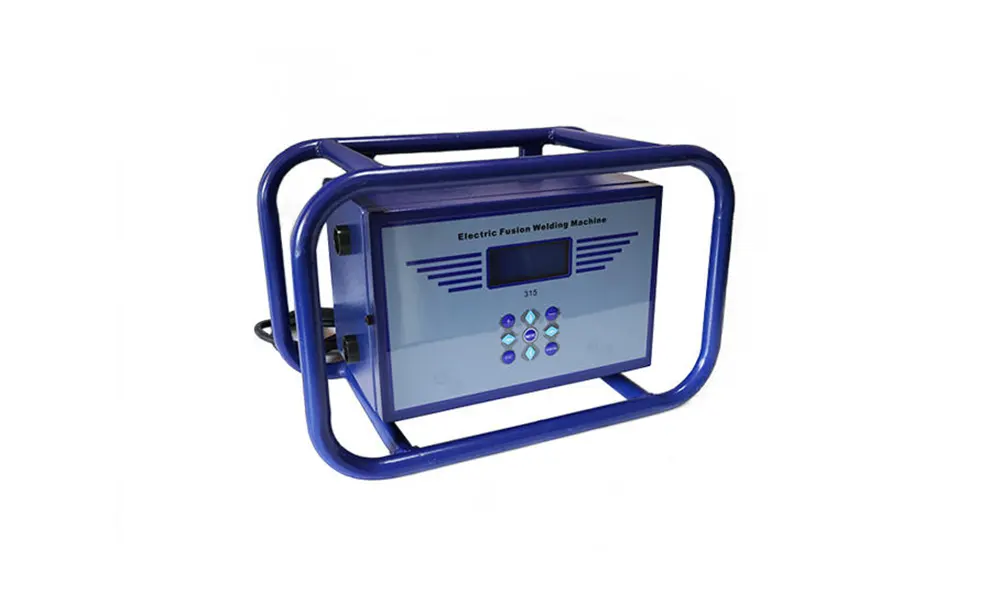
Always use PPE: heat-resistant gloves, eye protection, and protective clothing. Work on a stable surface and keep the heating element guarded when not in use. Verify electrical grounding and use appropriate power sources for the machine rating.
Maintenance Tips for Longevity
Regularly clean the heating plate to avoid polymer build-up, inspect hydraulic hoses for wear, and check alignment fixtures for damage. Keep software and firmware updated on automatic machines and log each fusion for traceability.
Common Troubleshooting
Cold Beads: check plate temperature and facing quality. Excessive Flash: reduce fusion pressure or shorten upset time. Misalignment: re-face and re-clamp with proper alignment tools.
Choosing the Right Machine for Your Project
Match the machine capacity to the pipe diameter, production volume, and site conditions. For municipal water or gas networks where reliability and record-keeping matter, consider automatic units with data logging. For rural repairs or occasional works, a robust manual or hydraulic unit may be most cost-effective.
Procurement & Support
For professional-grade equipment, consider manufacturers with global support and experience in HDPE welding. For example, JQ-Fusion supplies a wide range of manual, hydraulic, and CNC automatic butt fusion machines and can provide spares and technical support for infrastructure projects.
If you need immediate guidance on which machine suits your pipeline project, review technical datasheets, request sample fusion logs, and ask about training options to ensure installers follow correct fusion procedures and standards.



