
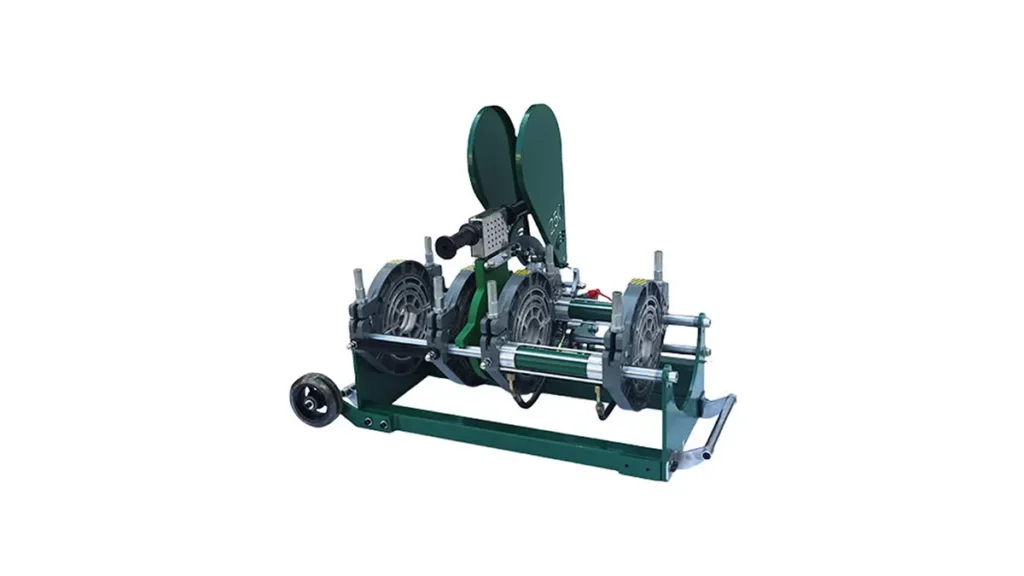
Heat fusion welding is the backbone of reliable engineering pipelines made from thermoplastics like HDPE and PP. Achieving consistently high weld quality requires attention to equipment, procedure, operator skill, and site conditions. The steps below focus on practical best practices and actionable tips to reduce failures, improve joint integrity, and speed up commissioning.
Understand Key Factors That Affect Heat Fusion Quality
Before starting a project, review these critical variables: material compatibility, pipe surface condition, welding temperature and pressure, heating time, machine calibration, and environmental factors such as wind, moisture, and ambient temperature. Overlooking any of these increases the risk of weak or porous welds.
Material & Preparation
Use pipes and fittings from the same polymer family and compatible SDR/pressure ratings. Clean and square-cut pipe ends—remove dirt, oxide, and any weathered layer. For butt fusion, facing tools (trimmers) must leave smooth, perpendicular ends to ensure full contact.
Equipment Selection & Maintenance
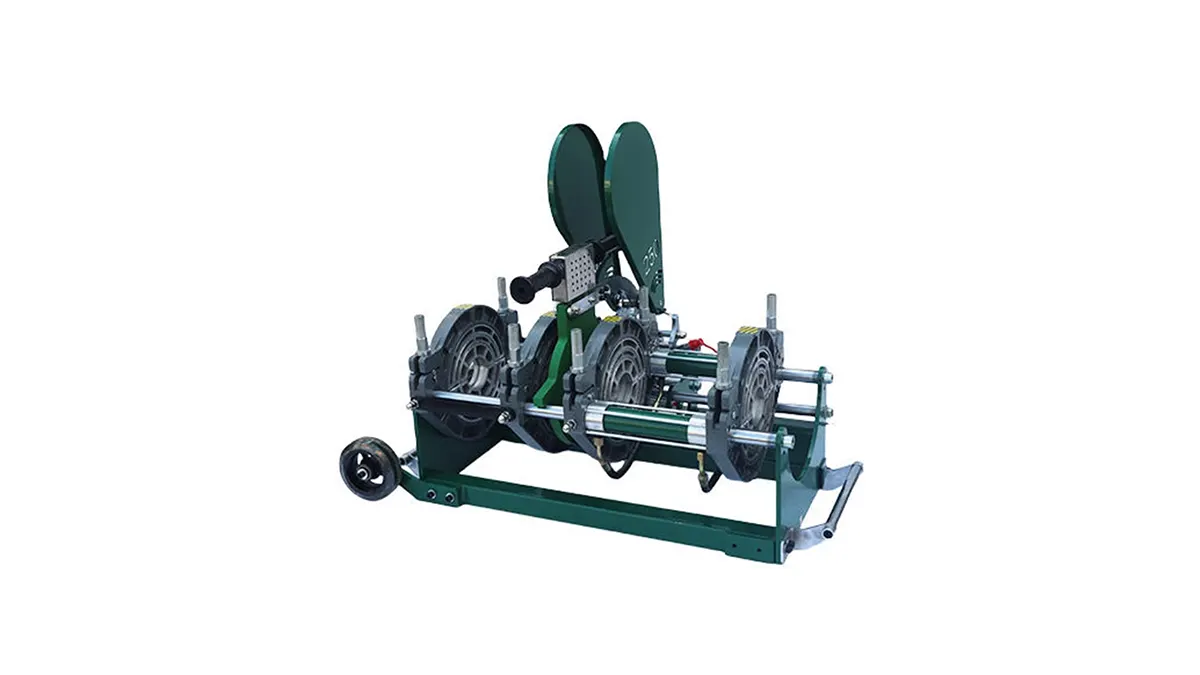
Choose the right machine type—manual, hydraulic, or CNC automatic—based on pipe diameter and project scale. Maintain flat heating plates, calibrated temperature controllers, and accurate hydraulic pressure gauges. Replace worn clamps and check alignment regularly.
Set and Control Welding Parameters
Follow manufacturer and material guidelines for heating temperature, soak time, and fusion pressure. Consistent records help optimize settings for site-specific conditions.
| Parameter | Typical Range | Notes |
|---|---|---|
| Heating Plate Temperature | 200–260°C | Depends on polymer; follow datasheet |
| Heating/Soak Time | 30–180 s per side | Longer for larger diameters |
| Fusion Pressure | 0.1–0.6 MPa (varies) | Consistent squeeze is essential |
| Cooling Time | 10–60 min (depends on diameter) | Avoid disturbing joints during cool-down |
Best Practices for On-Site Welding Operations
Pre-weld checklist: inspect pipe ends, confirm machine calibration, verify parameters, ensure clean heating plate, and secure pipe alignment. Keep a log of each weld with time, temperature, pressure, and operator name to support traceability.
Control the Environment
Work under shelter when possible. Wind can cause rapid cooling and uneven heat distribution; rain or condensation compromises surface cleanliness. For cold climates, preheat pipes and use windbreaks. For hot, sunny conditions, avoid direct sunlight on the heating plate.
Operator Technique and Training
Skilled operators reduce variability. Train staff in facing, alignment, proper clamp torque, and reading process indicators. Reinforce correct timing for heating, joining, and cooling. Hands-on practice with inspection (visual and destructive sample tests) accelerates competency.
Quality Control, Testing & Documentation
Adopt a layered QC approach: visual inspection, non-destructive testing (longitudinal sonic/ultrasonic), and occasional destructive testing (tensile or macro-examination) on representative samples. Keep digital records and photos for each critical joint.
Visual Inspection Tips
Look for uniform bead width, no cold laps, absence of burn marks, and consistent melt flow. Check that the joint is free of contaminants and that the fusion bead adheres symmetrically around the pipe circumference.
Common Test Metrics
Track joint strength (as a percentage of base material), bead height consistency, and pass rates for NDT. Use these metrics to refine training and machine settings.
Troubleshooting Common Fusion Issues
Porosity or voids: often caused by contaminated surfaces, insufficient heating, or rapid cooling. Cold joints: increase heating time or temperature and verify plate cleanliness. Misalignment: reface pipe ends and improve clamping procedures.
When to Stop and Rework
If visual inspection shows irregular melt, unacceptable bead geometry, or if process logs deviate from approved parameters, stop and remove the weld area for re-facing and re-fusion. Document rework thoroughly.
Efficiency Tips Without Sacrificing Quality
Standardize procedures across crews to reduce variability. Use automated or semi-automatic machines for long runs to keep parameters steady. Implement quick QC spot checks rather than exhaustive tests on every joint to balance speed and safety—backed by periodic destructive samples.
Tool & Spare Parts Management
Keep facing knives, heater plates, thermostats, and hydraulic seals in stock to avoid delays. A preventive maintenance schedule minimizes downtime and maintains weld quality over the life of the machine.
Final Notes
Consistent heat fusion welding quality results from the right combination of well-maintained equipment, trained operators, controlled procedures, and rigorous documentation. If you need reliable fusion equipment and technical support for HDPE pipeline projects, consider contacting JQ-Fusion for solutions and spare parts.



