
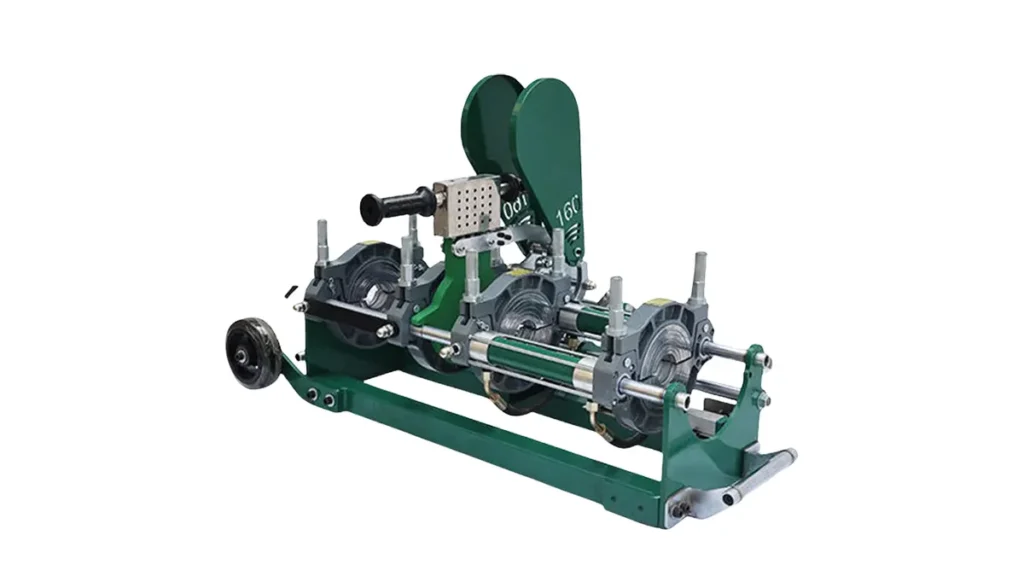
High-density polyethylene (HDPE) pipe welding systems are the backbone of modern pipeline construction and repair. From municipal water networks to gas distribution and industrial pipelines, choosing the right welding system ensures long-term integrity, leak-free joints, and efficient installation. This guide covers the main welding methods, system benefits, practical applications, and selection tips to help engineers, contractors, and procurement teams make informed decisions.
Understanding HDPE Pipe Welding Systems
HDPE welding refers to joining thermoplastic piping using heat and controlled pressure. The most common techniques are butt fusion, electrofusion, and socket fusion. Each method offers distinct advantages depending on pipe diameter, site conditions, and project scale.
Butt Fusion: The Most Versatile Method
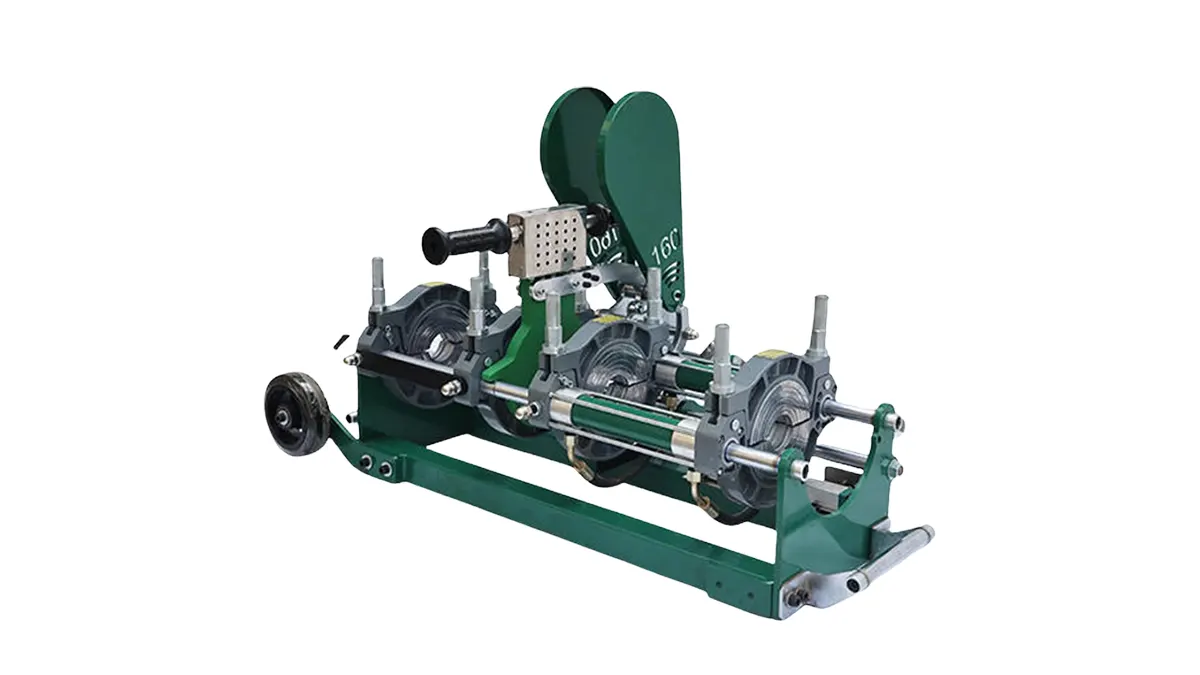
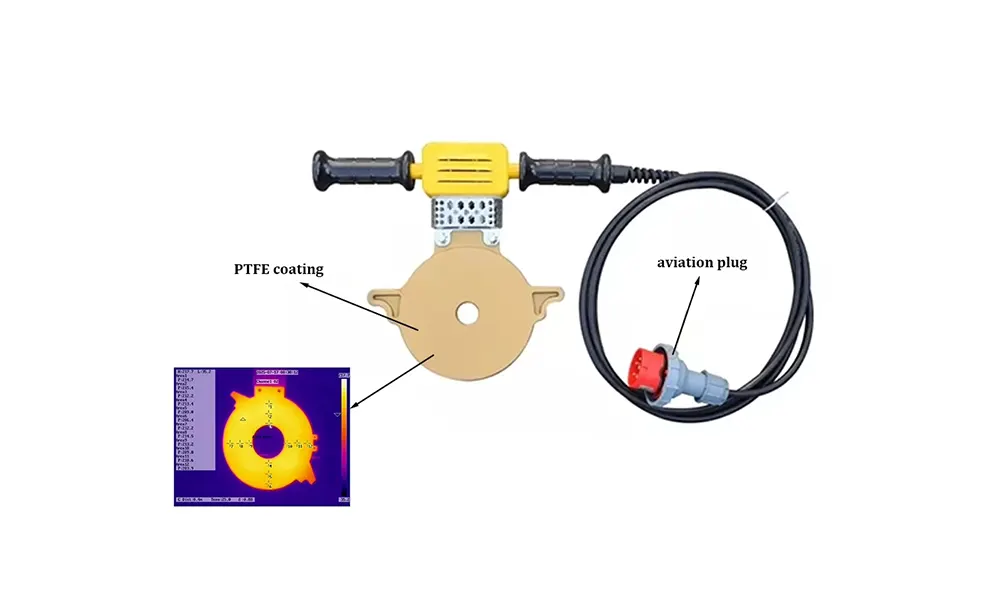
Butt fusion welding uses heating plates to melt the pipe ends before bringing them together under controlled pressure. It produces strong, homogenous joints ideal for medium to large diameters and is widely used in utility and infrastructure projects. Modern systems include manual, hydraulic, and CNC automatic units for high repeatability and data logging.
Electrofusion: Precision for Small-to-Medium Pipes
Electrofusion uses molded fittings with integrated heating elements. After clamping, an electric current melts the fitting and pipe surfaces together. This method excels for repairs, complex fittings, and locations where assembling large fusion machines is impractical. It’s commonly used in gas distribution and lateral water connections.
Key Benefits of HDPE Welding Systems
Reliability and Leak Resistance: Properly fused HDPE joints are as strong as the base material, delivering long-term leak-free performance. Flexibility and Corrosion Resistance: HDPE resists chemical corrosion and adapts to ground movement, reducing maintenance costs.
Operational Advantages
Modern welding systems offer digital controls, automated heating cycles, and traceable weld reports. These features minimize human error, accelerate installation, and improve quality assurance for large-scale infrastructure projects.
Applications Across Industries
HDPE pipe welding systems are used across a range of sectors:
Water Supply: potable water mains, pressure mains, and distribution networks due to hygienic, corrosion-free properties.
Gas Distribution: low- and medium-pressure gas lines favor HDPE because of its toughness and fused-joint safety.
Mining & Industrial: slurry lines, chemical transfer, and process piping where abrasion and chemical resistance are needed.
Telecom & Drainage: conduit systems and stormwater drainage for flexibility and ease of installation.
Choosing the Right Welding Machine
Selecting the best machine depends on several factors: pipe diameter, project volume, on-site conditions, and quality traceability requirements. Below is a quick comparison to help you choose.
| Machine Type | Ideal Pipe Range | Key Benefits | Typical Projects |
|---|---|---|---|
| Manual Butt Fusion | 20 mm – 315 mm | Portable, low-cost, simple maintenance | Small site repairs, rural networks |
| Hydraulic Butt Fusion | 63 mm – 2000+ mm | High force, stable pressure control, suitable for large diameters | Mainline pipelines, large-diameter installs |
| Automatic/CNC Butt Fusion | 75 mm – 1600+ mm | High repeatability, data logging, faster cycle times | Large projects, contract works with QA requirements |
| Electrofusion | 20 mm – 630 mm (typical fittings) | Ideal for fittings, quick onsite assembly, suitable for repairs | Gas service connections, repairs, complex configurations |
Installation & Quality Tips
Always follow manufacturer’s welding parameters and standardized procedures (e.g., PE welding codes). Key steps include proper pipe preparation, correct alignment, controlled heating and cooling times, and weld documentation. For regulated industries like gas and potable water, ensure traceable weld records and operator certification.
Maintenance and Safety
Regular calibration of heating plates, inspection of clamps and hydraulic components, and clean power supply for electrofusion units prolong equipment life. Implement safety protocols for hot surfaces, pressurized lines, and electrical connections.
Return on Investment & Long-Term Value
Although automated systems and larger hydraulic machines require higher upfront investment, they reduce installation time, rework, and failure risks. Over the life of a pipeline, the lower maintenance and replacement costs from reliable fused joints offer significant savings.
Contact & Equipment Sourcing
For specialized HDPE welding equipment and project consultation, consider reputable manufacturers who provide local support, spare parts, and training. JQ-Fusion offers a wide range of butt fusion, hydraulic, and CNC automatic machines suited to diverse infrastructure needs. Visit https://jq-fusionwelding.com/ for product details and service options.



