
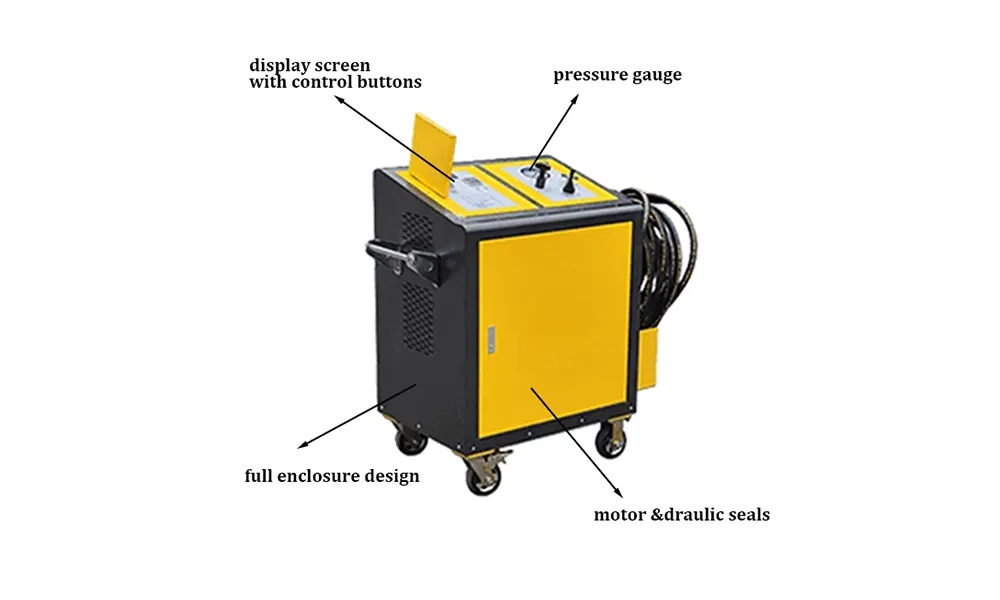
A gas line welder is a specialist who joins gas piping systems with precision, safety, and compliance in mind. In industries where natural gas, propane, and other fuel gases are transported through pipelines, the quality of every weld directly affects system integrity. A weak seam, poor alignment, or incorrect heat control can create leaks, reduce service life, and increase safety risks. That is why choosing the right gas line welder is not simply a hiring decision or a tool purchase—it is a critical part of protecting the entire project.
In most pipeline projects, especially those involving HDPE gas distribution systems, welding quality must meet strict technical standards. Whether the work is for municipal gas distribution, industrial plants, mining sites, or infrastructure expansion, the welder’s skill and the equipment used must work together to produce stable, durable, and repeatable results. For this reason, many contractors evaluate both the operator and the welding system before they begin a project.
⚠ Key idea: In gas pipeline construction, welding is not a “one-size-fits-all” task. The right welder depends on pipe material, diameter, site conditions, project scale, and required compliance level.
What Does a Gas Line Welder Do?
A gas line welder is responsible for creating sealed, durable joints in piping systems that carry gas. In metal gas lines, this may involve fusion welding, socket welding, or other joining methods depending on the material and code requirements. In polyethylene gas networks, the term often refers to technicians or machines that perform butt fusion or electrofusion welding. The core goal is always the same: make the pipe ends become one continuous, reliable system.
A good gas line welder does more than simply heat and join materials. They must prepare pipe surfaces correctly, verify alignment, control temperature, manage pressure, and inspect the weld after completion. In high-pressure or long-distance applications, even minor errors can become expensive failures. That is why experienced contractors often invest in qualified operators and dependable welding systems together.
Important: A successful gas line weld depends on four factors: clean pipe ends, correct machine settings, stable pressure, and skilled inspection.
Types of Welding Used in Gas Line Work
Different gas line projects require different welding methods. The best choice depends on the pipe material and the performance requirements of the system.
• Butt fusion welding: Commonly used for HDPE gas pipelines. Pipe ends are heated and pressed together to form a single homogeneous joint.
• Electrofusion welding: Uses fittings with built-in heating elements, ideal for repair work, limited-access areas, and smaller pipeline branches.
• Metal pipe welding: Often used in traditional gas distribution networks where steel or alloy piping is required.
• Multi-angle fitting welding: Useful for special joints, complex layouts, and custom installation requirements.
For HDPE gas systems, butt fusion remains one of the most trusted methods because it creates a strong, leak-resistant joint. A properly executed fusion connection can perform reliably for many years under demanding conditions. This is one reason why contractors working in modern gas distribution often search for a butt fusion machine with stable temperature control and accurate pressure management.
Why the Right Welder Matters for Gas Projects
Gas systems are high-responsibility infrastructure. Unlike some other piping applications, failure in a gas line can cause immediate hazards, service interruptions, and regulatory problems. The right welder helps reduce these risks by ensuring consistent connection quality across the entire system.
A skilled welder or a properly selected welding machine contributes to:
✓ Leak prevention: Strong welds reduce the chance of gas escaping from the joint.
✓ Long-term durability: Reliable fusion joints withstand pressure changes, temperature shifts, and ground movement.
✓ Compliance: Professional welding supports adherence to project standards and safety regulations.
✓ Efficiency: The right equipment reduces rework, delays, and material waste.
Tip: For large projects, choose welding equipment that keeps performance stable across repeated joints, not just one or two trial welds.
How to Choose the Right Gas Line Welder
Selecting the right gas line welder requires a balance of skill, experience, equipment quality, and project fit. Below are the most important factors to evaluate before making a decision.
1. Match the Welder to the Pipe Material
The first question is whether the pipeline uses steel, HDPE, or another material. Metal gas lines require different techniques from plastic gas lines. If your project uses HDPE, a machine designed for thermal fusion is usually the best option. If the project involves mixed systems or special fittings, you may need a machine with multiple welding capabilities.
2. Check Diameter Range and Project Scale
A machine that performs well on small pipes may not be suitable for large-diameter gas networks. Always verify the diameter range before purchasing or assigning equipment. Small utility repairs, rural gas service lines, and major city distribution projects all require different capacity levels.
3. Evaluate Temperature and Pressure Control
Precision is essential in fusion welding. The machine must maintain stable temperature and pressure throughout the process. Inconsistent heat or unstable hydraulic pressure can weaken the joint. For this reason, contractors often prefer machines with digital controls, reliable gauges, and proven calibration accuracy.
4. Look for Certification and Testing
A trustworthy machine should be produced under strict quality control and tested before shipment. Certifications matter because they show the equipment has been evaluated according to recognized standards. For international projects, this becomes even more important because compliance requirements may vary by country or region.
5. Consider Service, Training, and Support
The best equipment is only valuable if the team can use it correctly. After-sales support, technical training, spare parts availability, and troubleshooting help should all be part of your decision. In time-sensitive gas projects, responsive support can prevent major delays.
Checklist: Ask whether the machine supports your pipe size, voltage, job site environment, operator skill level, and future project growth.
Why Equipment Quality Is as Important as Operator Skill
Even an excellent welder cannot fully compensate for poor machine performance. A low-quality unit may overheat, lose alignment, or fail to deliver consistent pressure. In contrast, a well-built machine supports repeatable results and makes it easier for the operator to follow the correct welding process every time.
This is especially relevant in projects that rely on butt fusion welding machine technology. The fusion process is highly dependent on accurate machine behavior. Stable heating plates, solid clamps, and reliable hydraulic systems all contribute to a cleaner, stronger weld. If the machine is designed and manufactured with precision, the operator can focus on execution rather than correcting equipment problems.
Note: Good welding results are usually the product of both good training and good equipment. One without the other often leads to rework.
How JQ-Fusion Supports Gas Pipeline Welding Projects
For contractors and distributors looking for dependable fusion equipment, JQ-Fusion provides solutions designed for real-world pipeline demands. With over 20 years of industry experience, the company focuses on manual, hydraulic, and CNC automatic butt fusion welding machines for different pipe sizes and application needs. Their equipment is widely used in water supply, gas distribution, mining, and industrial pipeline installation projects worldwide.
What makes this especially valuable for gas line work is the combination of manufacturing capability and support. JQ-Fusion emphasizes advanced production lines, precision machining, strict testing, and flexible OEM and ODM customization. That means customers can select a machine configuration that fits their project requirements instead of adapting the project to an ill-suited tool.
If you want to learn more about the company or explore its product range, you can visit the official website here: JQ-Fusion Official Website. You can also review their butt fusion machine solutions for large and small pipeline projects, or check their custom welding equipment options if your project needs a tailored setup.
Why this matters: In gas pipeline construction, a machine with stable output, strong clamp alignment, and tested performance can reduce errors and improve project confidence.
Common Mistakes to Avoid When Choosing a Gas Line Welder
One common mistake is choosing equipment based only on price. Lower-cost machines may appear attractive at first, but if they cannot maintain pressure accuracy or heating consistency, the real cost becomes rework, downtime, and possible safety problems. Another mistake is ignoring future project needs. A welder that fits one job may not support the next contract.
It is also a mistake to overlook operator training. Even advanced equipment requires proper setup, cleaning, alignment, and inspection. Finally, some buyers skip service considerations and later discover that spare parts or technical support are difficult to obtain. In pipeline work, these oversights can slow the entire project.
Final Thoughts
A gas line welder is not just someone who joins pipes; it is a professional responsible for safety, reliability, and long-term system performance. Choosing the right welder means matching the welding method to the pipe material, verifying machine quality, and making sure the team has the support it needs. For HDPE gas distribution projects, a high-quality fusion system can make a major difference in installation efficiency and final weld quality.
Whether you are managing a small utility repair or a large industrial pipeline installation, the best results come from combining skilled operation with dependable equipment. That is why many project teams prefer manufacturers with proven experience, strict quality assurance, and flexible customization. In the end, the right choice helps protect the pipeline, the schedule, and the people who depend on the gas system every day.
Summary: The best gas line welder is the one that fits your material, diameter, compliance requirements, and project environment while offering stable performance and reliable support.
Frequently Asked Questions
1. What is the main job of a gas line welder?
A gas line welder joins pipeline sections so the system can safely transport gas without leaks or weak joints. The work may involve metal welding, butt fusion, or electrofusion depending on the pipe material.
2. What is the best welding method for HDPE gas pipes?
Butt fusion is one of the most common and reliable methods for HDPE gas pipes because it creates a strong, continuous joint with excellent leak resistance.
3. How do I choose the right welding machine for a gas project?
Check pipe material, diameter range, temperature and pressure control, certifications, and after-sales support. The machine should match your project scale and compliance requirements.
4. Why is machine quality so important in gas line welding?
Because gas systems require highly reliable joints. A machine with unstable heating or pressure can create weak welds, increasing safety risks and repair costs.
5. Where can I find reliable butt fusion equipment for gas line projects?
You can explore manufacturers like JQ-Fusion, which offers butt fusion solutions for different pipe diameters, project needs, and customization requirements.



