
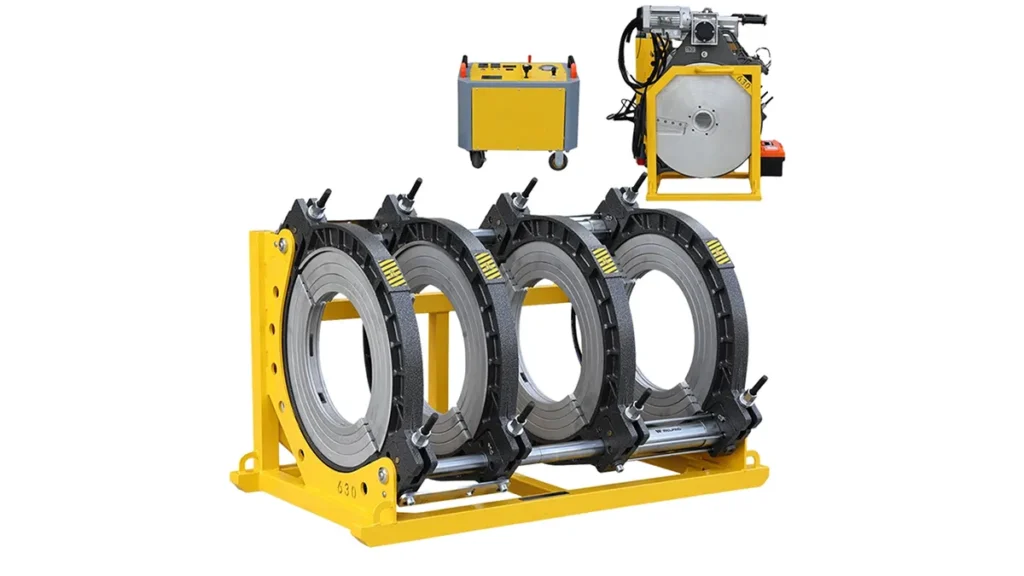
Understanding the clamping device structure of an HDPE heat fusion (butt fusion) machine is essential for reliable, leak-free pipeline joints. This article breaks down the clamping assembly, explains why each element matters, and offers practical guidance for operators and specifiers working with modern butt fusion equipment. Manufacturers like JQ-Fusion design clamping systems to balance precise alignment, consistent pressure, and fast operation for use in water, gas, mining, and industrial piping projects.
Why the Clamping Device Matters
The clamping device holds pipe ends securely during facing, heating, and fusion cycles. A well-designed clamp ensures axial alignment, prevents slippage under pressure, and distributes load evenly to produce strong, uniform welds. Key performance factors include rigidity, repeatability, and ease of adjustment.
Core Components of a Clamping Assembly
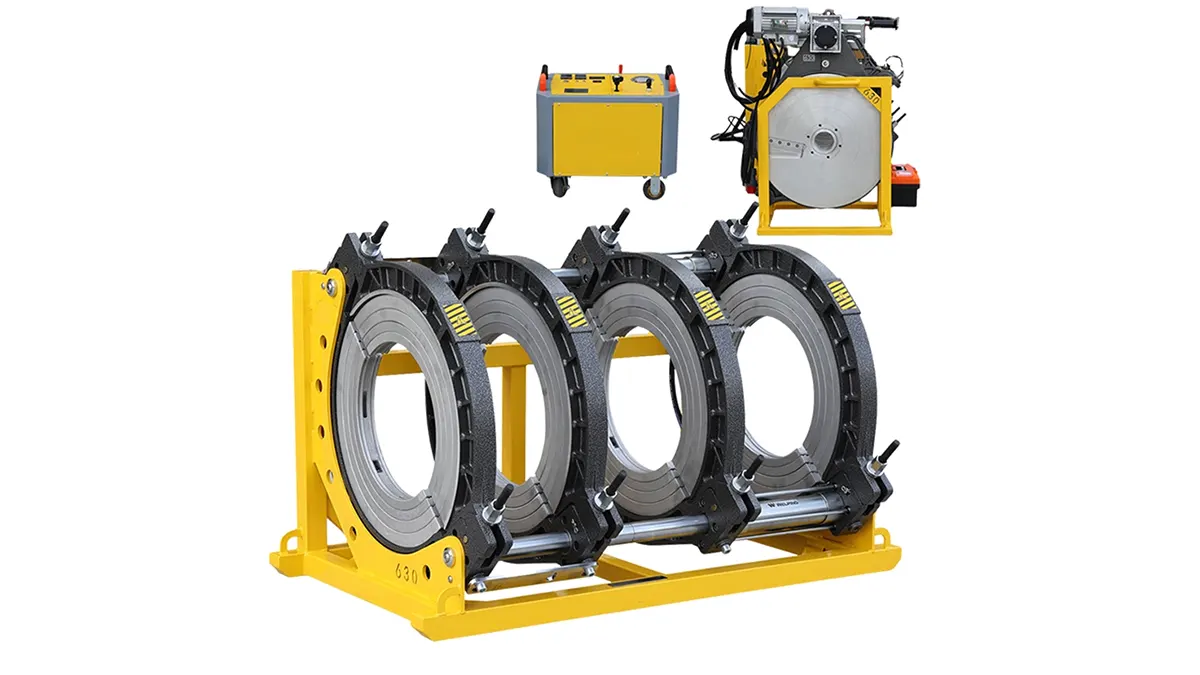
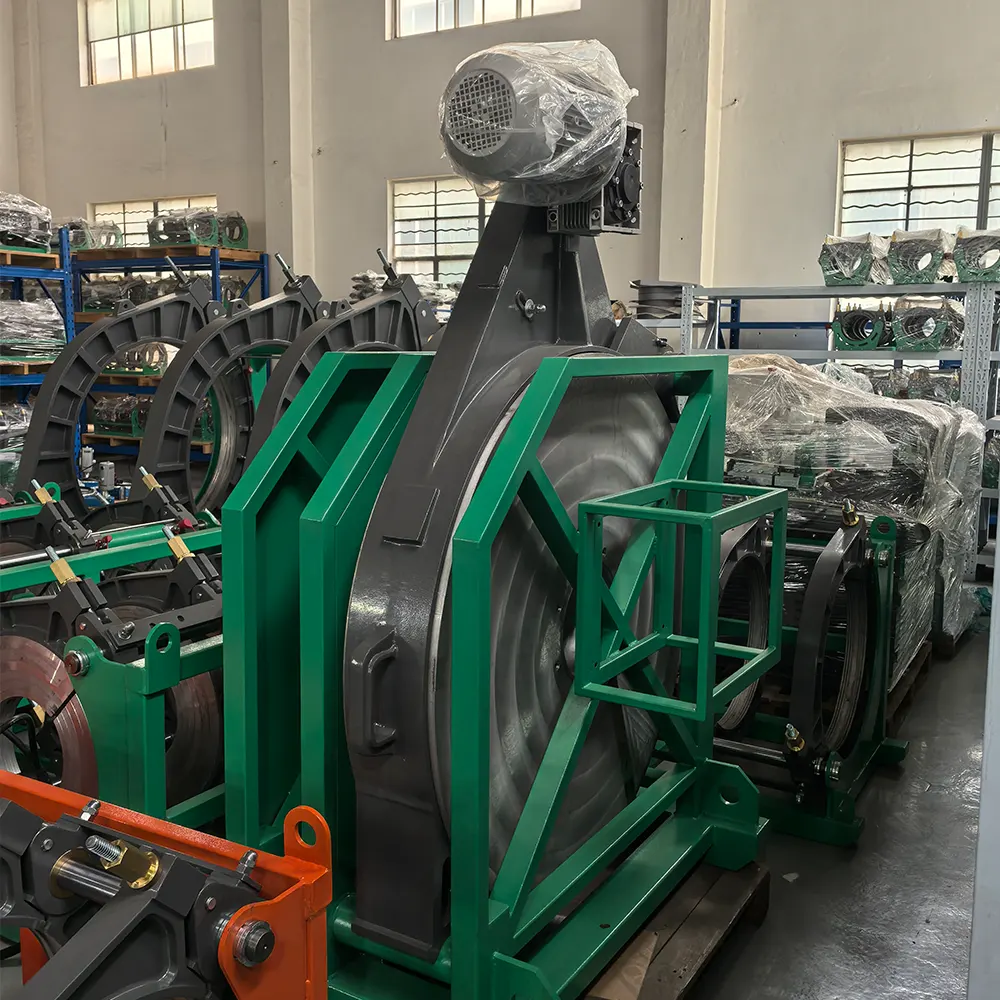
- Clamp frame: Rigid base that resists bending and keeps the pipe axis fixed.
- Clamp jaws or chuck: Interchangeable inserts that match pipe diameter and provide biting surface.
- Hydraulic/pneumatic cylinders: Deliver controlled axial force and rapid actuation for large-diameter systems.
- Alignment guides and centering pins to maintain concentricity during fusion.
- Quick-release and safety locks for fast setup and secure holding between cycles.
- Pressure sensors and gauge mounts for process monitoring and validation.
Design Considerations for Performance
Material and Geometry Matching
Clamp jaws must match HDPE outer diameters precisely. Incorrect jaw profiles increase local stress and lead to deformation or slippage during the heating phase.
Clamping Pressure and Distribution
Uniform radial contact across the pipe circumference reduces the risk of ovality. For hydraulic systems, use pressure regulation valves and accumulators to maintain steady force during the fusion cycle.
Maintenance and Durability
Use corrosion-resistant finishes on moving parts and inspect jaw teeth and seals regularly. Simple modular designs reduce downtime—swap worn inserts on-site rather than returning the whole frame.
| Pipe OD (mm) | Recommended Clamp Pressure | Typical Jaw Type |
|---|---|---|
| 20 – 63 | Low / Manual torque | Plastic-lined soft jaws |
| 75 – 315 | Medium / Hydraulic assist | Interchangeable serrated jaws |
| 355 – 1600+ | High / Heavy hydraulic | Custom aluminum clamp frames |
Common Problems and Troubleshooting
- Slippage during heating: Check jaw wear and verify correct jaw size; increase clamp pressure gradually and confirm alignment.
- Uneven melt bead formation: Re-check concentric alignment and facing plate condition.
- Hydraulic leaks or slow actuation: Inspect hoses, seals, and cylinder rods for damage; bleed air from the system.
- Misalignment after closing clamps: Verify guide pins, check for debris in the clamping zone, and confirm that both jaws seat evenly.
Installation and Best Practices
- Start with clean, de-burred pipe ends and matched jaw inserts.
- Bring pipe ends to axial alignment using centering guides before applying full clamp pressure.
- Follow manufacturer pressure and heating time charts; verify with gauges and temperature sensors.
- Allow an adequate cool-down period while clamps remain engaged to avoid joint displacement.
Safety Features to Require
Look for mechanical locks that prevent accidental release, pressure relief valves to protect hydraulic circuits, and visible indicators for clamp status. Ergonomic levers and remote controls improve operator safety on large systems.
Choosing the Right Clamping System
Select a clamping solution that balances accuracy, portability, and serviceability. For projects that demand frequent on-site changes — such as municipal pipework or mining expansions — modular clamps with rapid jaw exchange reduce downtime and lower lifecycle costs.



