
Choosing the right PPR pipe fusion machine means balancing upfront cost, long-term reliability, and the specific needs of your projects. This guide breaks down typical price ranges, key specs that drive cost, and practical tips to help contractors, distributors, and procurement teams find the best value for PPR pipe fusion equipment.
Understanding PPR Pipe Fusion Machine Types
PPR pipe fusion equipment comes in several forms. Each type targets different pipe sizes, jobsite conditions, and operator skill levels:
Manual machines – Simple, portable units ideal for small-diameter PPR pipes and repair work. Lower purchase price and easy field maintenance make them attractive for small contractors.
Hydraulic machines – Provide higher clamping force and more consistent alignment for medium to large diameters. They cost more but reduce rework risk on critical installations.
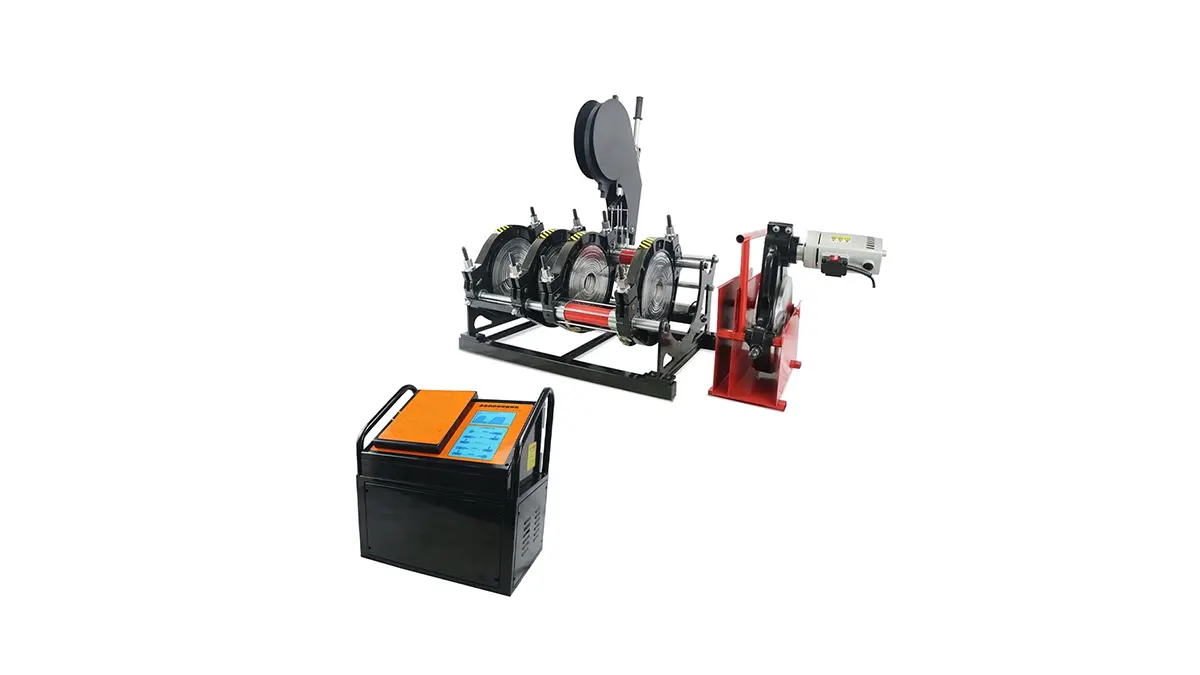
Automatic / CNC machines – Offer programmable cycles, precise pressure control, and data logging for large projects and OEM pipe fabrication. They command a premium but improve repeatability and throughput.
Electrofusion units – Specialized for electrofusion fittings; pricing varies with control unit sophistication and traceability features.
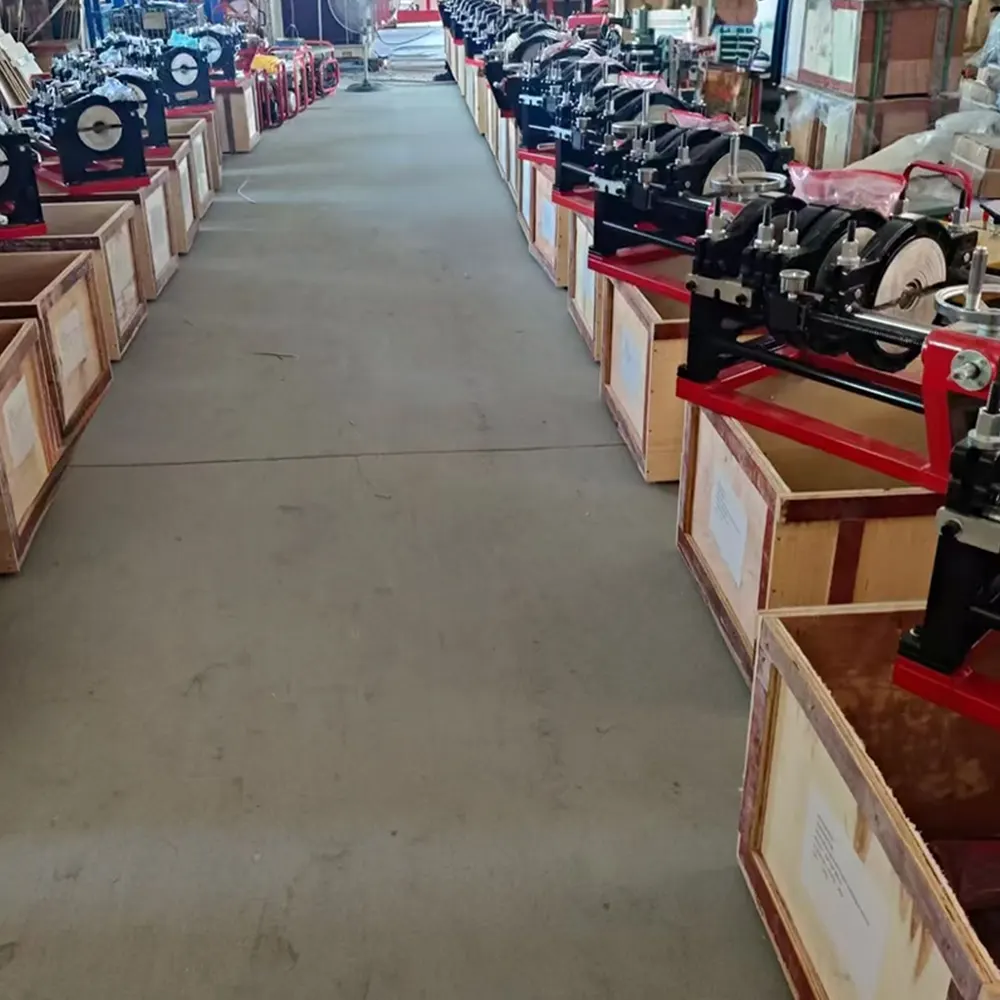
PPR Pipe Fusion Machine Price Ranges (Typical)
| Machine Type | Typical Price Range (USD) | Best For |
|---|---|---|
| Manual / Portable Fusion | $800 – $2,500 | Small jobs, repairs, budget-minded contractors |
| Hydraulic Butt Fusion | $3,000 – $15,000 | Medium to large pipelines, consistent quality needs |
| Automatic / CNC Butt Fusion | $10,000 – $60,000+ | High-volume production, certified projects, data logging |
| Multi-angle / Fittings Machines | $8,000 – $40,000 | Complex fitting assemblies, prefabrication shops |
| Electrofusion Units | $1,200 – $6,000 | Electrofusion fittings, traceable weld records |
Why Prices Vary: Key Cost Drivers
Several technical and service-related features push prices up or down. Pay attention to:
- Diameter & capacity: Machines rated for larger diameters require stronger frames and more powerful hydraulics.
- Automation & controls: PLC/CNC control panels, data logging, and touchscreen interfaces add cost but increase accuracy.
- Clamping & alignment: High-precision clamps and alignment systems reduce scrap and rework.
- Hydraulic power unit: Quality pumps and valves affect performance in heavy-duty applications.
- Heating element quality: Durable heater plates and fast warm-up systems improve cycle times.
- Service, warranty & spare parts: Longer warranties, easy access to spares, and local service raise upfront price but lower lifecycle cost.
Match Machine to Your Project Needs
Choose based on project scale and expected usage:
Small contractors: Manual or compact hydraulic units offer the best ROI for occasional fusion works.
Municipal works / utilities: Mid-range hydraulic machines with reliable heating control and certified procedures are often optimal.
Large pipeline contractors / fabricators: Automatic CNC machines with documentation capabilities and rugged hydraulics save time and ensure compliance.
How to Compare Quotes Like a Pro
When you request quotes, make sure each supplier provides:
- Complete technical specs (max diameter, clamping force, cycle time).
- Warranty terms and availability of spare parts in your region.
- Included accessories (heater plate, facer/trimmer, clamps, hoses, tool kits).
- Training, commissioning, and documentation for quality assurance.
- Certifications and compliance (ISO, CE or local standards) relevant to your contracts.
Buying Tips to Get the Best Value
To balance price and long-term performance, consider these tactics:
- Buy to the nearest required spec, not the highest possible spec—overspending for unused capacity reduces ROI.
- Ask for bundled pricing (machine + facer + spare heater plates + export packaging) to get predictable final cost.
- Evaluate total cost of ownership: warranty, spare parts lead time, service network, and expected operating life.
- Consider certified used units from reputable sellers when budgets are tight, but insist on test weld records and a short warranty.
- Negotiate training and first-year spare parts as part of the purchase to prevent downtime.
Quick Pre-Purchase Checklist
– Confirm maximum pipe diameter and wall thickness capability.
– Verify heater plate size and facer compatibility.
– Check required power supply and any hydraulic oil specifications.
– Request references or case studies from similar projects.
For reliable manufacturing and global supply of butt fusion equipment, JQ-Fusion offers a broad lineup spanning manual, hydraulic, and automatic models to match different budgets and project scales. Visit their site for model specs and support options: jq-fusionwelding.com.



