
Choosing the right HDPE pipe fusion machine is a critical decision for contractors, utilities, and infrastructure teams who need leak-free, long-lasting joints in water, gas, mining, and industrial pipeline systems. This guide walks through the key factors—machine types, technical specs, site conditions, and quality controls—to help you select a heat fusion welder that delivers reliable results on every job.
Understand Fusion Methods: Butt Fusion vs. Electrofusion
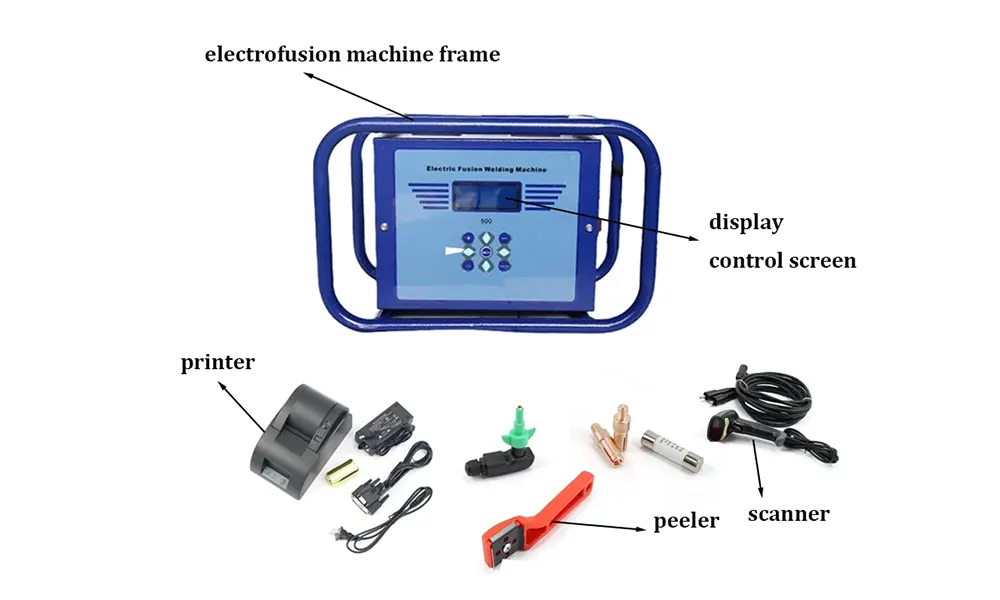
Different fusion methods fit different applications. Butt fusion is the most common choice for straight HDPE pipe runs, delivering high-strength, homogeneous joints by heating two pipe ends and pressing them together. Electrofusion uses special fittings with embedded heating elements and is ideal for repairs, saddle taps, or when joining dissimilar fittings where space is limited.
When to choose each method
Select butt fusion for large-diameter mains and projects that prioritize speed and uniform strength. Electrofusion is often preferred for service connections, complex fittings, or when working in constrained urban or repair environments.
Key Selection Criteria for Heat Fusion Welders
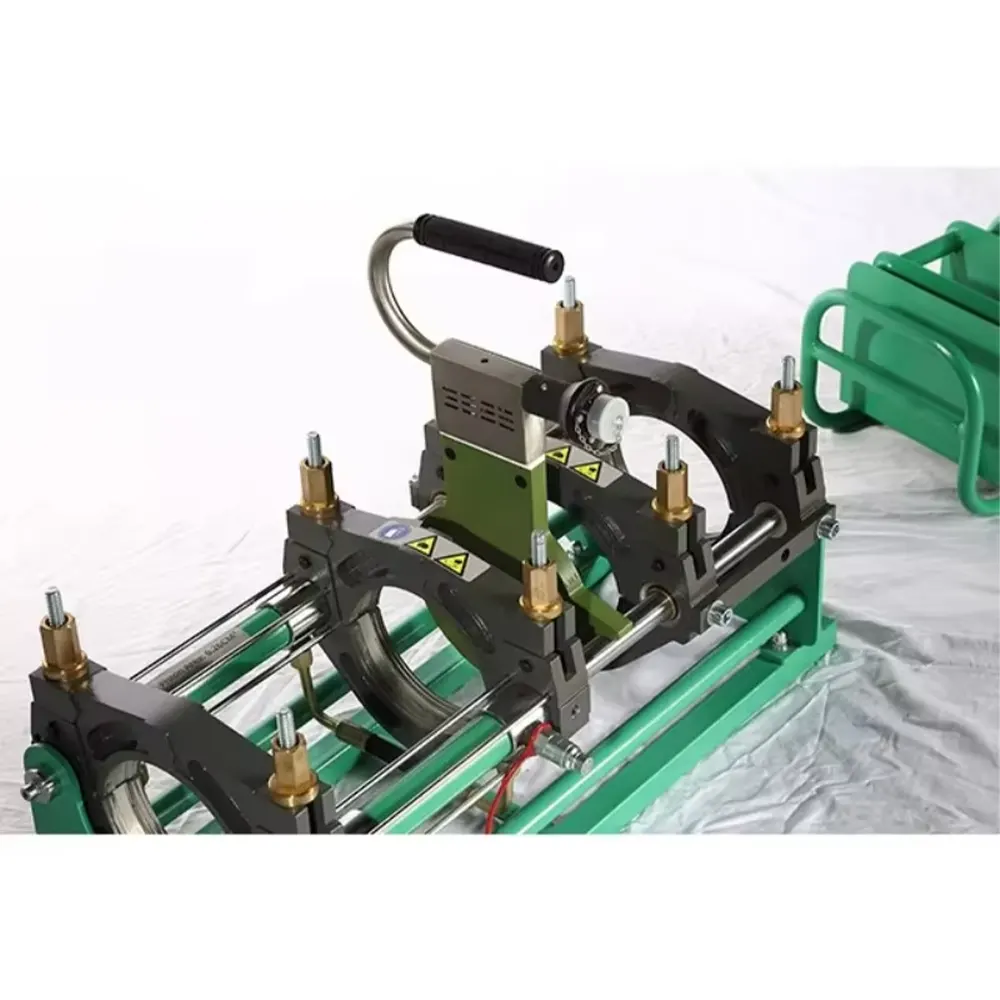
1. Pipe diameter range: Match the machine’s clamping and heating capacity to your project pipe sizes. Manual machines suit small to medium diameters; hydraulic and automatic units handle larger pipes more consistently.
2. Automation level: Automatic CNC butt fusion machines reduce operator variability and save time on long runs, while manual machines remain economical for small projects and remote sites.
3. Heating plate quality & temperature control: Accurate, durable heating plates and reliable temperature sensors are essential to avoid cold or over-heated joints.
4. Pressure control and alignment: Hydraulic systems provide stable, repeatable pressure for larger pipes; good alignment fixtures prevent misaligned welds that reduce pipe strength.
5. Portability and power source: Consider site access—portable manual units are suitable for remote repairs, while heavier hydraulic/automatic machines need transport planning and a stable power supply.
Operational and Safety Features
Look for machines with clear control panels, automatic cycle recording, emergency stop functions, and safety guards on heating plates. Built-in traceability (weld logs and exportable reports) helps meet contractorQA and regulatory requirements.
Quick Comparison: Machine Types
| Type | Best For | Advantages |
|---|---|---|
| Manual Butt Fusion | Small projects, remote repairs | Low cost, portable, simple |
| Hydraulic Butt Fusion | Medium to large diameter mains | Stable pressure control, durable |
| CNC Automatic Butt Fusion | High-volume pipeline installation | Consistent welds, saved labor, record logs |
| Electrofusion Units | Service connections, fittings, repairs | Precision on fittings, minimal space |
Quality Assurance: Tests and Documentation
Ensure your chosen machine supports QA workflows: weld cycle logs, temperature and pressure charts, and exportable records. Perform destructive and non-destructive tests (e.g., peel tests, visual inspection, hydrostatic tests) consistent with industry standards to validate joint integrity.
Maintenance & After-Sales Support
Durable heating plates, easily replaceable wear parts, and accessible technical support minimize downtime. Choose suppliers who provide calibration services, spare parts, and operator training to keep project schedules on track.
Selecting a Trusted Supplier
Work with manufacturers that offer a broad product range, documentation, and a proven track record in pipelines. JQ-Fusion provides manual, hydraulic, and CNC automatic butt fusion machines for small to large-diameter HDPE applications and is an example of a supplier focused on reliable butt fusion solutions for global infrastructure.
Final Checklist Before Purchase
Confirm pipe size compatibility, cycle automation level, records/traceability, portability needs, safety features, warranty terms, and availability of spares and training. Investing a bit more in a properly specified fusion machine prevents costly rework and ensures pipeline longevity.
Next Steps
If your project requires tailored recommendations, match typical weld volumes and site constraints to the machine types described above. Careful selection and operator training turn a quality HDPE pipe fusion machine into a reliable tool for long-term, leak-free pipelines.



