
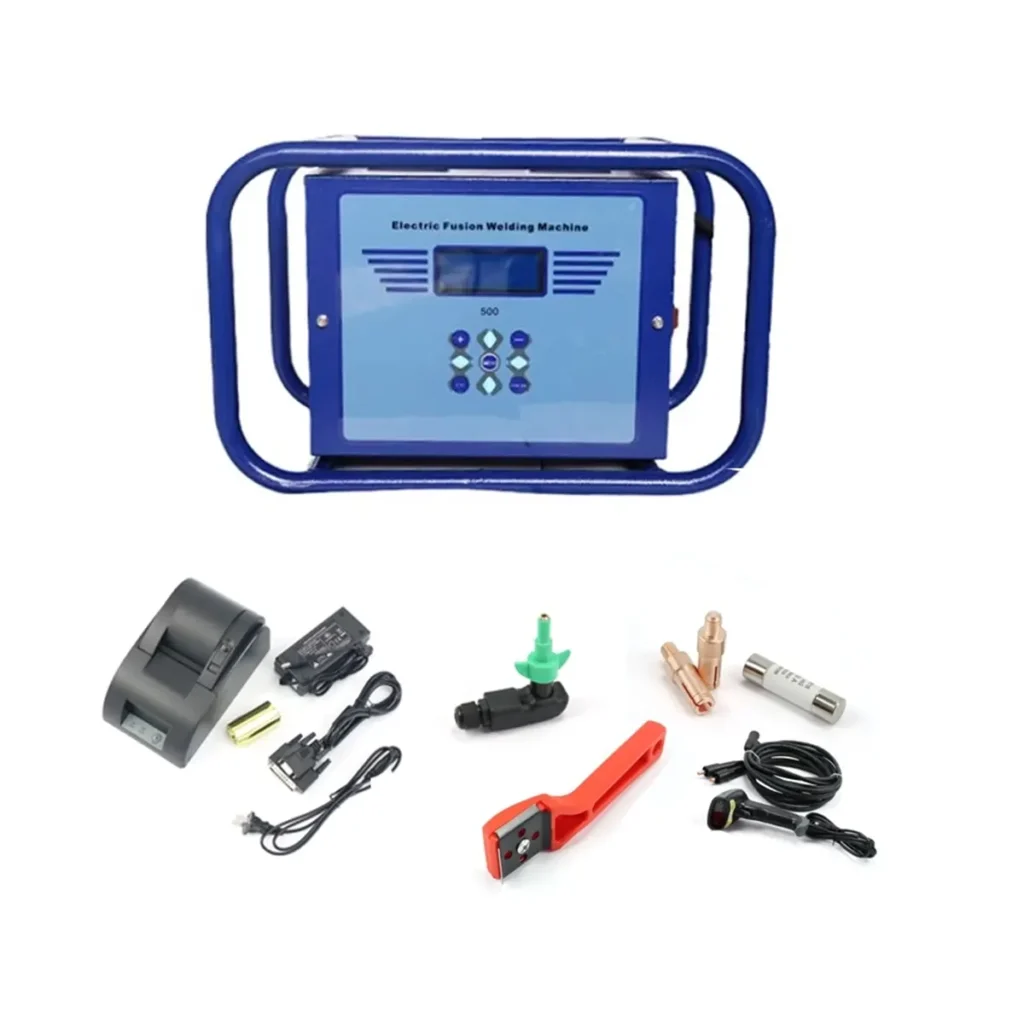
Electrofusion machine wholesalers provide contractors, distributors, and municipal procurers with the dependable HDPE pipe joining equipment needed for large-scale infrastructure projects. This article outlines what to expect when sourcing electrofusion machines in bulk, key technical features to compare, and the commercial benefits of partnering with an experienced manufacturer like JQ-Fusion.
Why Choose an Electrofusion Machine Wholesaler?
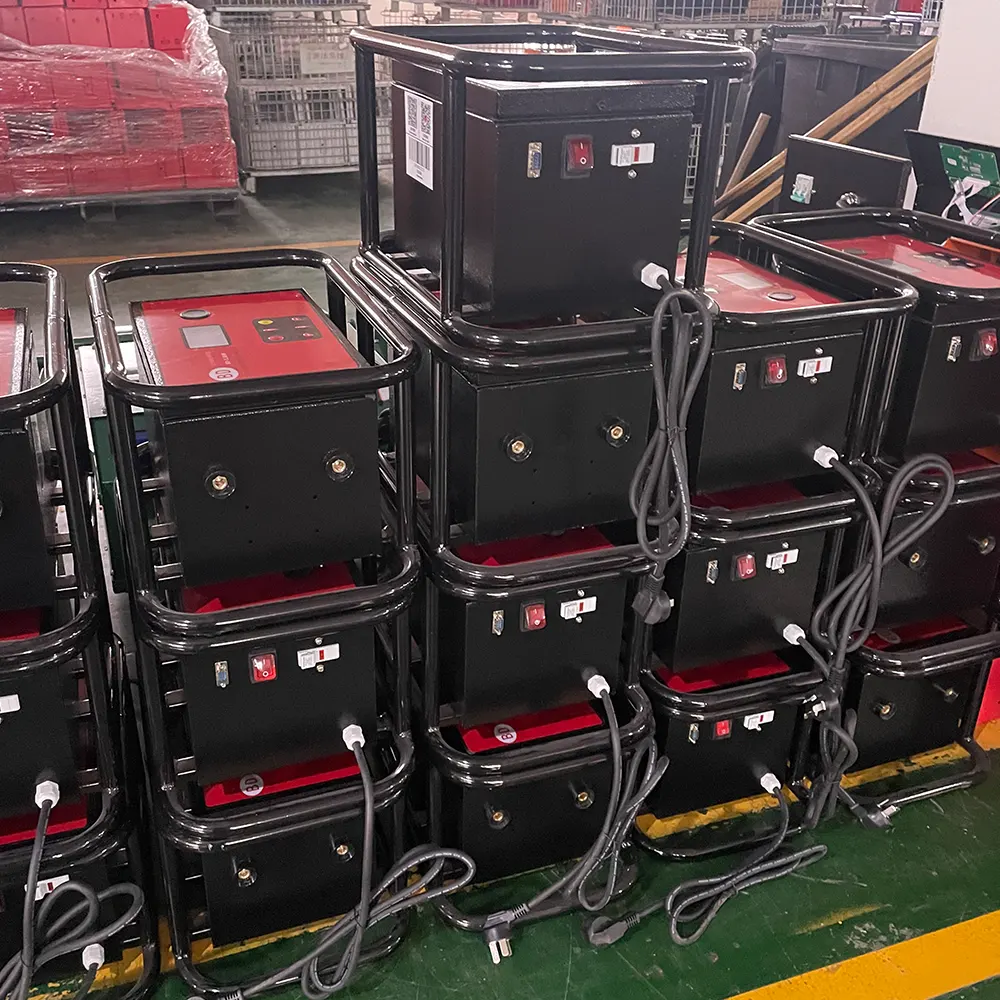
Buying from a specialized wholesaler ensures consistent product quality, predictable lead times, and cost advantages for repeat orders. Wholesalers typically maintain inventory of common models, offer flexible MOQ options, and bundle accessories — such as clamps, power leads, and software updates — that are essential for on-site productivity. For procurement teams managing multiple projects, using a trusted wholesaler reduces the risk of downtime caused by incompatible or low-quality equipment.
Core Technical Features to Look For
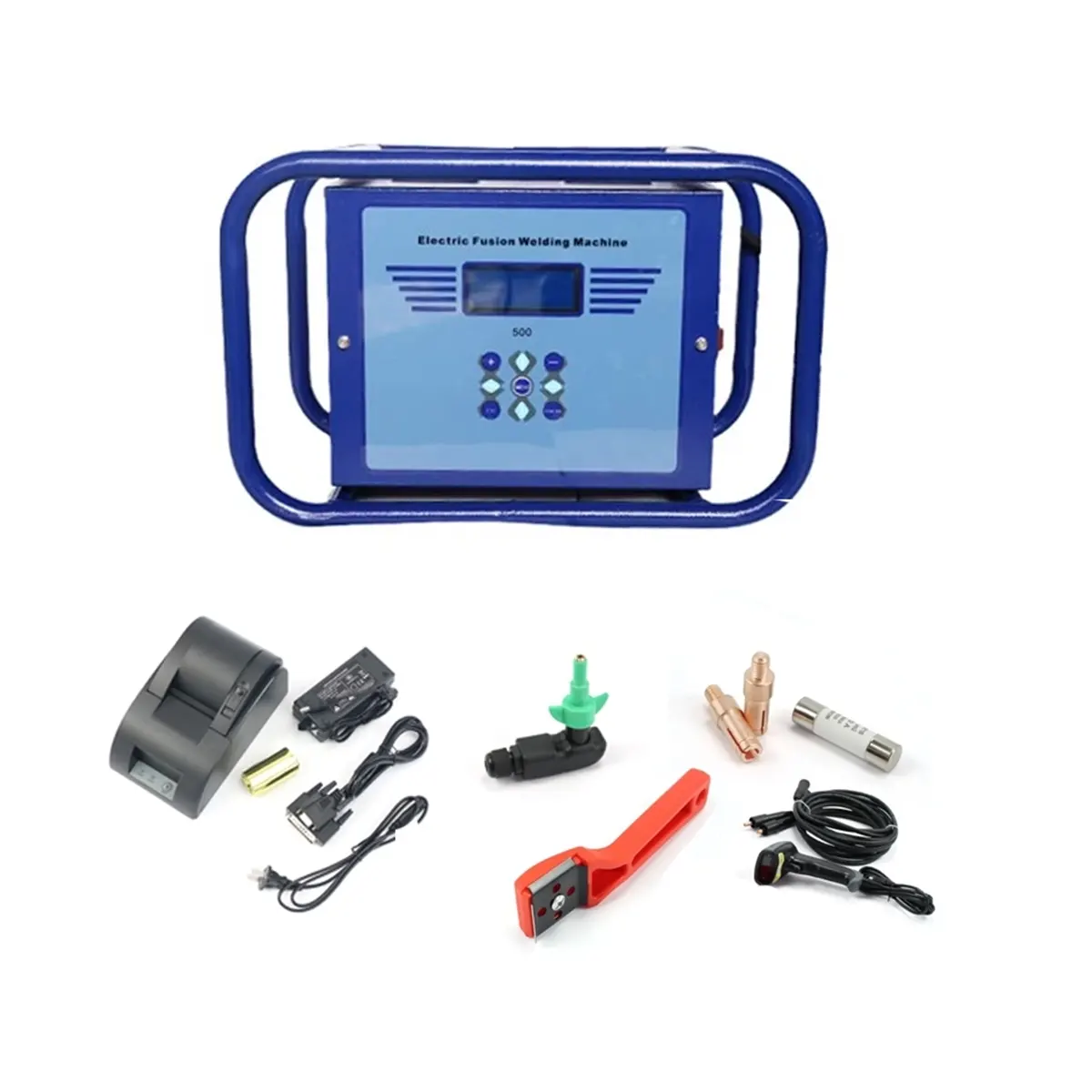
When evaluating electrofusion machines, focus on:
- Power and Voltage Control: Stable output for consistent welds over long weld cycles.
- Digital Interface & Logging: Integrated display or software to store weld parameters and traceability reports.
- Compatibility: Support for a wide range of fittings and pipe diameters, plus standards compliance (ISO, ASTM where applicable).
- Portability & Durability: Rugged casing and easy transport options for fieldwork.
- Safety Protections: Overcurrent protection, temperature sensors, and secure connectors.
Commercial Advantages of Wholesale Procurement
Wholesalers often deliver: volume discounts, warranty packages tailored to fleets of machines, prioritized spare parts, and training programs for end-users. For distributors and installers, consolidated logistics from a single supplier simplifies customs paperwork and reduces per-unit shipping costs.
Common Use Cases
Electrofusion welding machines are widely used in:
- Water supply and sanitation networks
- Gas distribution systems
- Industrial process piping in mining and chemical plants
- Underground trenchless installations and repair works
Quick Comparison Table — Typical Electrofusion Models
| Model | Pipe Range | Key Feature | Ideal For |
|---|---|---|---|
| Compact Portable Unit | 20–160 mm | Lightweight, battery option | Service teams, quick repairs |
| Bench/Workshop Station | 63–630 mm | High-power, advanced logging | OEMs, fabricators |
| Heavy-Duty Field Model | 160–1200 mm | Rugged frame, extended duty cycle | Large pipeline projects |
Buying Tips for Distributors and Contractors
To maximize procurement success:
- Request sample weld reports and performance test data.
- Confirm spare parts availability and lead times for critical components like heating plates and power modules.
- Negotiate training and commissioning support in the contract to ensure consistent weld quality.
- Verify CE/ISO certifications and compliance with local regulations if required.
After-Sales Support & Warranty
A reputable wholesaler will back machines with a clear warranty, accessible service networks, and options for annual calibration and software updates. This reduces total cost of ownership and protects project schedules.
Final Considerations
Sourcing electrofusion machines through a specialist wholesaler delivers operational consistency and cost savings—especially for repeat buyers and scale projects. When selecting a partner, prioritize product traceability, spare parts logistics, and training offerings to ensure reliable weld quality across every site deployment.
Ready to order? Contact the manufacturer and wholesaler directly through their official site to discuss volume pricing, lead times, and customized support packages.



