
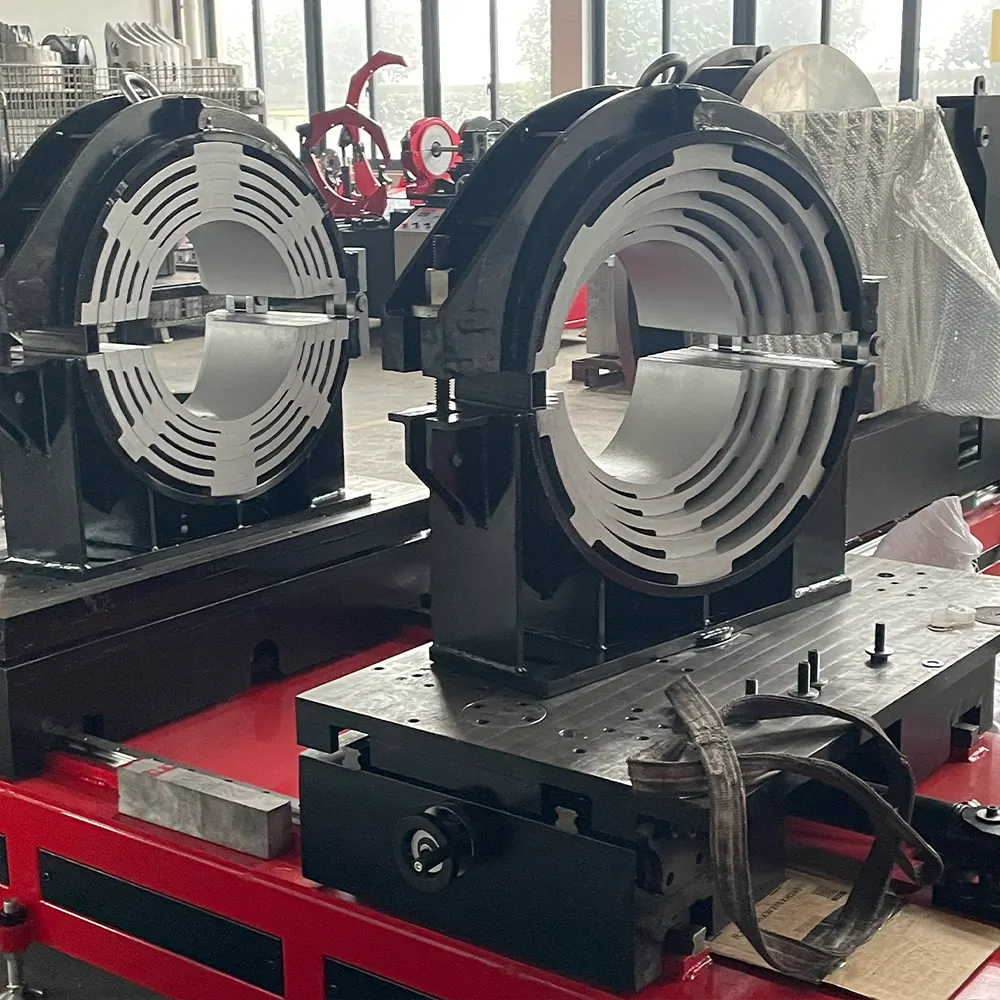
When people search for a reliable way to join polyethylene pipes and fittings, one machine often appears at the center of the conversation: the electrofusion welding machine. In modern pipeline construction, this equipment plays an important role in creating secure, leak-resistant connections for water supply, gas distribution, mining, and industrial systems. For contractors, distributors, and project managers, understanding how it works is not just useful knowledge; it can directly affect project quality, safety, and long-term maintenance costs.
An electrofusion welding machine is designed to join pipe components through controlled electrical heating. Instead of relying on open flame or external heat sources, it uses specially designed fittings with embedded heating coils. Once current is applied, those coils generate heat, soften the material, and fuse the pipe and fitting together into a single, solid joint. The result is a connection that is strong, clean, and highly dependable when properly installed.
Key point: electrofusion is especially valued where space is limited, conditions are difficult, or a high level of joint consistency is required. That is why this technology is widely used in utility pipelines and engineering projects where reliability matters most.
Unlike traditional joining methods, electrofusion welding is highly controlled. The quality of the joint depends on several factors, including pipe preparation, fitting compatibility, correct alignment, and accurate welding time. This is why many professional teams rely on well-designed machines from experienced manufacturers such as JQ-Fusion, which focuses on pipeline welding solutions for global projects.
In this article, we will explain what an electrofusion welding machine is, how it works, where it is used, what components it includes, and why it is an essential part of modern pipe installation.
What Is an Electrofusion Welding Machine?
An electrofusion welding machine is a specialized device used to weld polyethylene and similar plastic pipes by sending controlled electrical energy into an electrofusion fitting. These fittings are manufactured with built-in resistance wires. When powered by the machine, the wires heat up and melt the surrounding plastic on both the fitting and the pipe surface. As the material cools, it forms a permanent fusion bond.
This process creates a joint that is often stronger than the pipe itself when carried out correctly. Because the machine controls voltage, current, and welding time, it helps ensure uniform heating and consistent results across multiple joints. In large projects, this consistency is a major advantage.
Electrofusion welding machine = controlled electrical heating + compatible fitting + correct installation procedure.
The equipment is typically portable, easy to transport, and suitable for on-site work. It is especially useful in trench installations, repair operations, and environments where conventional welding tools may be inconvenient or unsafe. Because of its versatility, it has become an important choice in both small-scale maintenance and large infrastructure projects.
How Does Electrofusion Welding Work?
The working principle is straightforward, but the execution must be precise. First, the pipe ends are cleaned and prepared. Then they are inserted into the electrofusion fitting, which already contains heating coils. After that, the welding machine connects to the fitting terminals and delivers the correct electrical input for a set period of time.
During heating, the embedded coils raise the temperature of the inner surface of the fitting and the outer surface of the pipe. The plastic softens and begins to flow together. The machine then stops supplying current, and the joint is left to cool naturally. Once cooling is complete, the fused connection becomes a single continuous structure.
Important: the cooling stage is just as critical as the heating stage. Moving or disturbing the joint too early can weaken the bond and reduce performance.
The process is controlled by parameters that can include welding time, cooling time, voltage, and fitting identification. Many advanced machines use barcodes or input codes to automatically select the correct welding settings. This helps reduce human error and improves repeatability in the field.
Core Steps in the Welding Process
1. Prepare the pipe surface: remove dirt, oxidation, and moisture.
2. Position the fitting: make sure the pipe and fitting are aligned correctly.
3. Connect the machine: attach the terminals to the fitting connectors.
4. Start the welding cycle: the machine supplies electrical current to heat the coils.
5. Allow cooling: wait for the joint to solidify before handling.
Tip: a good weld begins long before the machine starts. Pipe preparation and alignment are essential to joint quality.
Main Components of an Electrofusion Welding Machine
While designs vary by manufacturer and model, most electrofusion welding machines include several common parts. Understanding these components makes it easier to use the equipment safely and effectively.
Control unit: This is the main section that manages voltage, timing, and welding data. It is often the “brain” of the machine.
Output cables: These connect the machine to the electrofusion fitting and deliver the electrical current.
Input interface: Operators may use buttons, barcode scanners, or digital panels to enter welding parameters.
Display screen: This shows welding time, voltage, error messages, and process status.
Power supply system: It provides stable energy to ensure accurate welding performance.
Some machines are designed for basic site operations, while others include advanced automatic functions, memory storage, and data traceability. In professional projects, these features can be very valuable because they help record welding history and maintain quality control.
For companies looking for broader pipeline equipment solutions, JQ-Fusion’s product range also includes butt fusion machine solutions for different pipe connection needs.
Where Is Electrofusion Used?
Electrofusion technology is widely used in industries where safe and durable plastic pipe joints are required. One of the most common applications is water supply systems, where leakage prevention and long service life are essential. Gas distribution networks also rely heavily on electrofusion because of the need for highly secure joints and controlled installation standards.
In mining projects, pipelines must often operate under harsh conditions, including vibration, soil movement, and challenging terrain. Electrofusion joints are suitable for these environments because they can offer strong structural performance when installed correctly. Industrial pipeline installations also benefit from the compact equipment design and the ability to weld in tight spaces.
Another important use is repair work. When a section of pipeline must be replaced or connected to an existing line, electrofusion provides a practical solution. Since the machine is portable and the fittings are pre-made, technicians can complete the operation efficiently on site.
Common applications: water networks, gas systems, mining lines, industrial pipelines, and field repairs.
Why Contractors Prefer Electrofusion
Contractors value electrofusion because it combines ease of use with high joint reliability. The machine reduces the need for complex manual heat control, and the fitting design simplifies the process. In many cases, a trained operator can complete a weld with consistent results by following standard procedures.
Another major advantage is that electrofusion is well suited to difficult installation environments. It does not require large clearance around the pipe, making it helpful in trenches, narrow spaces, or retrofit projects. This flexibility saves time and expands the range of possible applications.
Quality assurance is also easier to manage. Since the welding cycle is determined by machine settings, project teams can establish repeatable procedures and reduce variation between joints. This matters in international projects where compliance, inspection, and documentation are important.
For many buyers, supplier reliability matters just as much as machine performance. Manufacturers with strong production capability, such as JQ-Fusion, support contractors with stable quality, customization options, and technical service. In large-scale work, that kind of support can help avoid delays and improve project outcomes.
What Makes a Good Electrofusion Welding Machine?
Not every machine performs the same way. A good electrofusion welding machine should deliver stable output, accurate timing, and easy operation. It should also be durable enough to handle repeated use in demanding field conditions.
Look for these qualities:
Stable voltage control
Clear digital display
Simple operation interface
Reliable cables and connectors
Protection against overload or overheating
Portable and job-site friendly structure
In addition, customization may be important for distributors and contractors. Some projects need specific voltage configurations, language settings, or branding. OEM and ODM services can be helpful when a business wants equipment tailored to its market or engineering requirements.
Professional users should always confirm compatibility between the machine, fitting type, and pipe material before starting the weld.
Safety and Quality Control Considerations
Electrofusion welding is a technical process, and safety should always come first. Operators should follow the manufacturer’s instructions, inspect cables and connectors before use, and make sure the work area is dry and clean. Any contamination on the pipe surface can affect weld quality.
Quality control should also include inspection of joint preparation, alignment, fusion time, and cooling time. In larger projects, teams may use checklists or digital records to ensure every weld meets the required standard. This is particularly important in gas and water networks where a failed connection can create serious problems.
Best practice: do not rush the process. Proper preparation, accurate machine settings, and full cooling time are essential for a dependable weld.
Many manufacturers conduct strict testing before delivery. At the production stage, machine accuracy, pressure stability, and clamp alignment may be checked to support long-term reliability. This type of quality control helps installers trust the equipment in real-world conditions.
The Role of Electrofusion in Modern Pipeline Projects
As infrastructure continues to expand around the world, pipeline systems must meet higher expectations for safety, durability, and efficiency. Electrofusion welding machines contribute to these goals by supporting clean installation methods and consistent connection quality.
In many regions, project teams want equipment that can perform reliably under pressure while still being easy to transport and use. That is one reason electrofusion remains a strong choice for modern engineering. It balances precision with practicality, which is exactly what field contractors often need.
Suppliers with long industry experience can add further value by offering technical guidance, fast delivery, and after-sales support. This is especially useful for distributors who serve multiple markets and need dependable inventory and product consistency.
When combined with strong project planning and skilled operators, electrofusion can help create pipeline systems that last for years with minimal maintenance.
FAQ
Q1: What materials can be joined with an electrofusion welding machine?
It is mainly used for polyethylene and similar thermoplastic pipe systems that support electrofusion fittings.
Q2: Is electrofusion suitable for gas pipelines?
Yes. It is widely used in gas distribution because it can produce strong, reliable joints when installed correctly.
Q3: How long does the welding process take?
The heating time depends on the fitting and machine settings, while cooling time must also be followed before handling the joint.
Q4: What is the most important factor for a good weld?
Pipe preparation, proper alignment, and correct welding parameters are all essential for a successful result.
Q5: Can electrofusion machines be used in field repairs?
Yes. Their portability makes them practical for on-site repairs and pipeline maintenance work.
In summary, an electrofusion welding machine is a practical and highly effective tool for joining plastic pipelines with precision and consistency. By using electrical resistance heating inside a specialized fitting, it creates strong fused joints that can serve demanding water, gas, mining, and industrial applications. For contractors and distributors, choosing the right machine and a reliable supplier can make a significant difference in project quality and operational efficiency.



