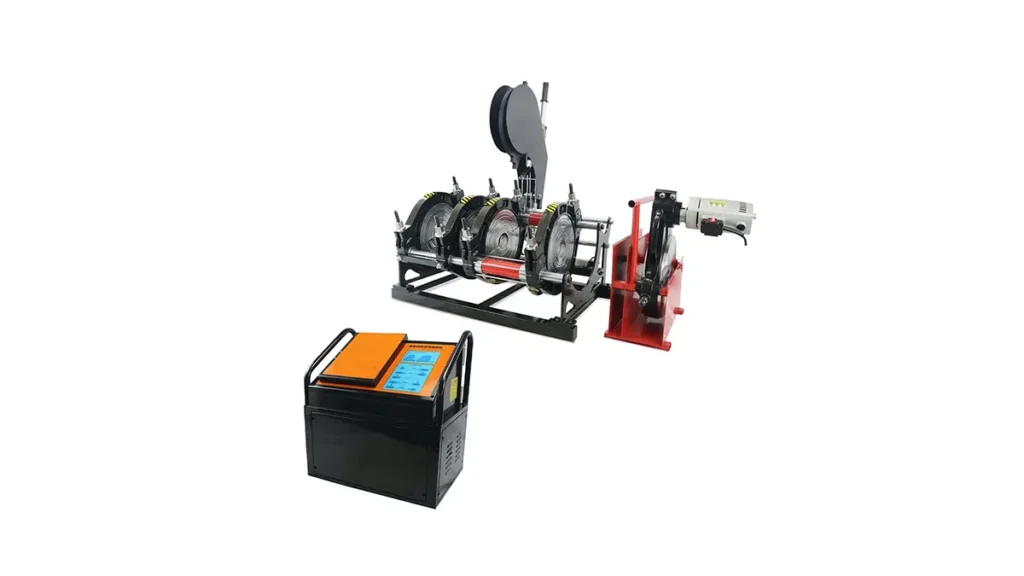
When people search for a butt fusion machine, they are often comparing different pipe joining technologies and trying to understand which method is best for their project. One of the most reliable and widely used methods in modern pipeline construction is electrofusion. An electrofusion machine is designed to join plastic pipes and fittings by using electrical current to create heat inside a specially designed fitting. This controlled heating process forms a strong, leak-resistant, and long-lasting joint that is ideal for water, gas, mining, and industrial pipeline systems.
Unlike traditional joining methods that depend on open flames, external heating, or adhesives, electrofusion uses embedded resistance wires inside the fitting. The machine supplies a precise amount of electrical energy, which melts the interface between the pipe and fitting. After cooling, the materials fuse into a single body. This process is valued for its consistency, safety, and suitability for installations in confined or difficult working environments. For more details about pipeline welding solutions, you can visit JQ-Fusion.
What Is an Electrofusion Machine?
An electrofusion machine is a specialized welding device used to join polyethylene (PE), HDPE, and other thermoplastic pipes with electrofusion fittings. It works by delivering a programmed electrical output to the fitting, which contains heating coils. These coils warm the plastic surface at the joint area until it melts and bonds together. The result is a homogeneous connection that can withstand pressure, soil movement, and long-term service conditions.
The machine itself usually includes a control unit, output cables, scanning or manual input functions, and safety protection systems. Some advanced models also feature barcode reading, automatic parameter recognition, and data logging. These functions help operators weld accurately while reducing human error. In the pipeline industry, precision matters, and the quality of the welding process directly affects the performance of the entire system.
Key point: Electrofusion is especially useful when working in tight spaces, repair zones, trench environments, or locations where butt fusion equipment cannot be easily positioned.
How Does an Electrofusion Machine Work?
The working principle is straightforward, but the process requires careful preparation. First, the pipe ends are cut square and cleaned thoroughly. The surface layer of the pipe is then scraped to remove oxidation and contaminants. This step is critical because the fusion joint depends on clean, fresh plastic surfaces. Next, the pipe is aligned and inserted into the electrofusion fitting.
Once everything is in place, the operator connects the machine leads to the fitting terminals. The machine then supplies electrical current according to the required fusion parameters. Heat generated by the embedded coil melts the fitting and the outer layer of the pipe simultaneously. As the melted material cools, it forms a molecular bond that is strong and uniform. The machine may also indicate whether the cycle is complete, helping the operator confirm the weld status.
⚡ Important: A successful electrofusion weld depends not only on the machine, but also on pipe preparation, correct alignment, and proper cooling time.
Main Components of the Equipment
A typical electrofusion machine includes several essential parts:
Control unit: Sets and monitors the welding output.
Power cables: Connect the machine to the fitting terminals.
Input interface: Allows manual entry or barcode scanning of weld data.
Display screen: Shows voltage, time, and operational status.
Safety protection: Prevents overheating, abnormal current, and operator errors.
These features help ensure that the welding process is stable and repeatable. In professional pipeline work, repeatability is especially important because contractors need every joint to perform reliably over many years of service.
Why Electrofusion Is Widely Used
Electrofusion has become a preferred method in many sectors because it offers flexibility and dependable results. It is commonly used in water supply systems, gas distribution networks, industrial fluid transport, and mining applications. The technique is particularly valuable for projects that require compact equipment, low disturbance, and high joint quality.
One major advantage is that the machine can weld fittings around pipes that are already installed, making it practical for maintenance, branch connections, and system extensions. It also reduces the need for bulky alignment tools. Because the machine controls the heat input precisely, operators can achieve consistent results even in demanding field conditions.
✔ Advantage: Electrofusion can be especially effective when project conditions make traditional fusion access difficult.
Benefits Compared with Other Joining Methods
Compared with mechanical fittings or solvent-based methods, electrofusion creates a stronger and more permanent connection. Compared with open-flame techniques, it is cleaner and safer. In many engineering projects, the combination of convenience and durability makes it an excellent choice for critical joints. It is also compatible with a wide range of pipe sizes and fitting types, which adds to its versatility.
When compared with butt fusion machine applications, electrofusion is often selected for smaller diameter pipelines, repairs, branch tapping, and situations where pipe movement must be minimized. Butt fusion remains highly effective for straight pipe-to-pipe joints, while electrofusion offers more flexibility in complex installation environments. The two methods are often complementary rather than competing technologies.
Industries That Depend on Electrofusion
Many industries rely on electrofusion welding because it helps build safe and durable pipeline systems. In municipal water networks, it ensures leak-free connections that support clean and stable delivery. In gas infrastructure, joint reliability is critical for safety, so precise fusion is essential. Mining operations also benefit from electrofusion because underground and remote installations often require compact, dependable tools.
Industrial plants use electrofusion for transporting chemicals, slurry, and process water. Since thermoplastic pipes resist corrosion better than metal in many environments, electrofusion supports long-term system life with lower maintenance needs. This makes it an important technology for modern infrastructure development.
Typical Project Applications
• Water transmission and distribution
• Gas pipeline construction and maintenance
• Mining slurry and dewatering systems
• Industrial process pipeline installations
• Repair work in confined or difficult-access areas
What to Look for in a Good Electrofusion Machine
Choosing the right equipment is essential for project quality. A good machine should provide stable output, accurate control, and reliable safety functions. It should also be easy to use in the field, since operators often work under challenging conditions. Durability matters as well because construction environments can be harsh and equipment must perform consistently over time.
Many buyers also value customization. For example, project teams may need specific voltage settings, connection types, branding, or data management features. Suppliers with OEM and ODM capability can help contractors and distributors build a more competitive offering. If you want to explore professional welding equipment options, you can also visit the product pages at JQ-Fusion welding solutions.
Look for: stable performance, easy operation, strong safety protection, and support from an experienced manufacturer.
Why Manufacturer Experience Matters
An experienced manufacturer can offer more than just a product. They can provide technical guidance, quality inspection, customization options, and after-sales support. In pipeline projects, these services can reduce risk and improve efficiency. A supplier with strong engineering capability and strict quality control is more likely to deliver equipment that performs well in real-world conditions.
For example, manufacturers such as JQ-Fusion focus on reliable welding solutions for global pipeline projects. Their product range and support services are designed to meet the needs of contractors, distributors, and project owners who require dependable equipment and professional service.
Safety and Quality in Electrofusion Welding
Safety is a major reason electrofusion is trusted in critical infrastructure. The process is controlled, repeatable, and less exposed to external heat sources than some other joining methods. Still, successful welding depends on proper training and disciplined procedure. Operators should follow the fitting instructions, use the correct weld parameters, and allow proper cooling time before moving the joint.
Quality control is equally important. Temperature accuracy, electrical stability, and clamp alignment all affect final performance. Reputable manufacturers test equipment thoroughly before delivery to ensure the machine can support professional pipeline work. This is one reason why buyers often prefer suppliers with proven quality management systems and global project experience.
✅ Best practice: Always verify pipe cleanliness, fitting compatibility, and cooling time before putting the line into service.
Final Thoughts
An electrofusion machine is a practical and highly effective tool for joining thermoplastic pipes in modern pipeline projects. Its ability to create strong, accurate, and durable joints makes it a valuable solution across water, gas, mining, and industrial applications. While butt fusion is ideal for many straight pipe connections, electrofusion offers unique advantages in repairs, branches, and confined spaces.
For companies looking to improve installation quality and operational efficiency, understanding how electrofusion works is an important step. With the right equipment, proper preparation, and trusted technical support, project teams can achieve long-lasting results that meet demanding performance requirements.
FAQs
Q1: What materials can be joined with an electrofusion machine?
It is mainly used for PE, HDPE, and other compatible thermoplastic pipes and fittings.
Q2: Is electrofusion better than butt fusion?
Neither method is universally better. Butt fusion is ideal for many pipe-to-pipe joints, while electrofusion is better for repairs, branches, and tight spaces.
Q3: Why is pipe surface preparation important?
Because the joint depends on clean plastic surfaces bonding correctly during the heating cycle.
Q4: Can electrofusion be used in gas projects?
Yes, it is widely used in gas distribution systems because it offers reliable, leak-resistant joints when installed correctly.
Q5: What should I check before buying an electrofusion machine?
Check output stability, safety features, durability, ease of operation, and whether the manufacturer provides technical support and customization.