
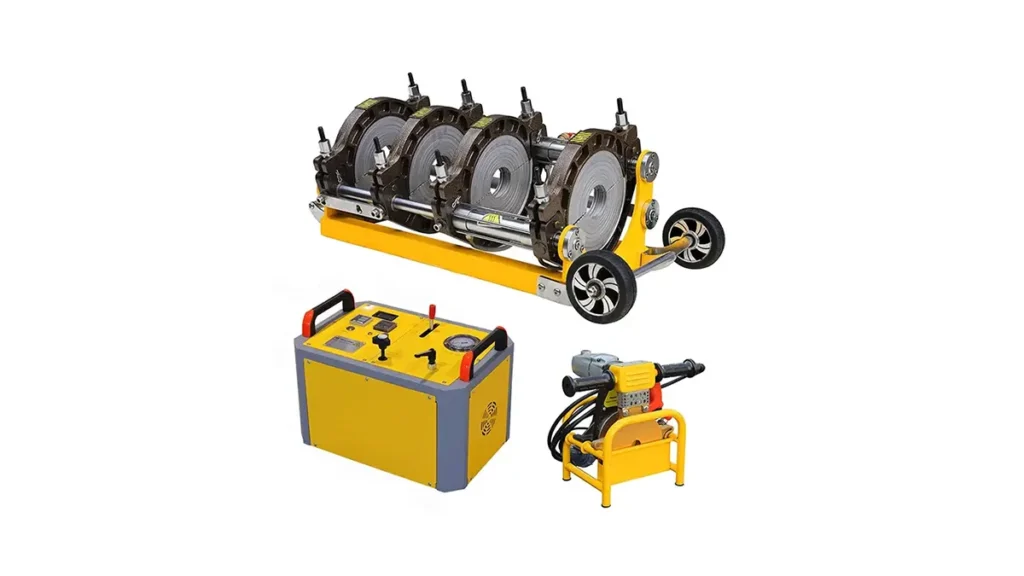
Heat fusion equipment for HDPE pipe joining delivers durable, leak-free pipeline connections that are essential for modern infrastructure. Choosing the right butt fusion or electrofusion machine ensures consistent weld quality, improved joint strength, and reduced downtime across water, gas, mining, and industrial projects.
Why Heat Fusion Is the Preferred Method for HDPE Pipes
Heat fusion creates a homogeneous joint by melting and rejoining the thermoplastic surfaces, producing a connection with strength and chemical resistance equivalent to the base material. Compared to mechanical fittings and adhesives, fusion joints minimize leak risk, require less maintenance, and perform reliably under pressure and thermal cycling.
Types of HDPE Fusion Equipment
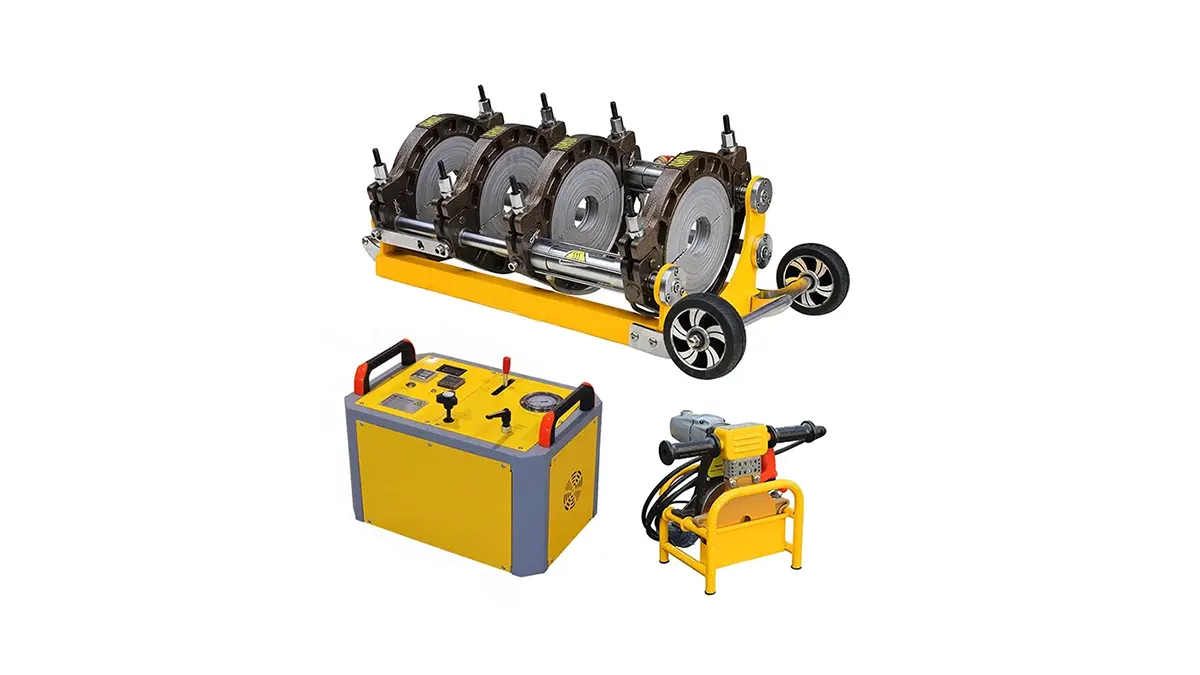
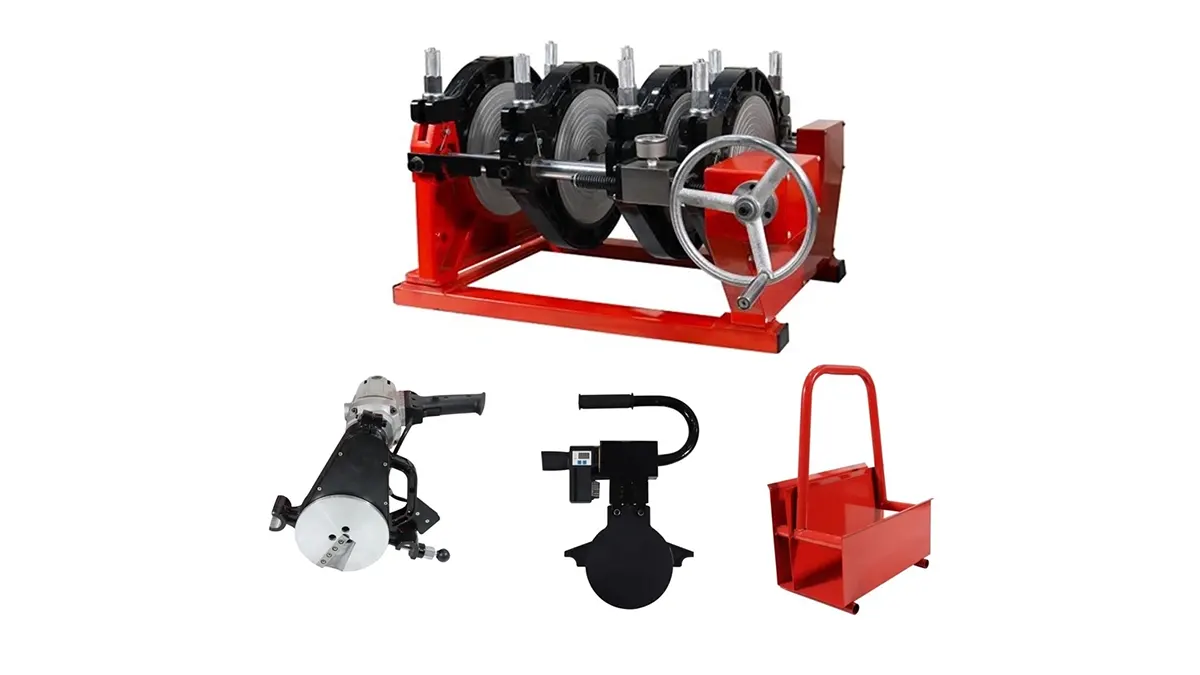
Manual butt fusion machines are ideal for small-diameter pipes and fieldwork, offering portability and straightforward operation. Hydraulic butt fusion machines deliver higher clamping force and are preferred for medium to large diameters. Automatic/CNC butt fusion systems provide repeatable, data-logged weld cycles for large projects and critical pipelines. Electrofusion machines are used for fittings and repair operations where localized heating elements are built into the connectors.
Key Features to Look For
Heating plate quality, precise alignment clamps, accurate hydraulic control, and a reliable control unit for time/temperature/pressure settings are essential. For automated systems, data logging and programmable weld sequences improve traceability and acceptance for regulated projects.
Quick Comparison
| Machine Type | Best For | Advantages |
|---|---|---|
| Manual Butt Fusion | Small diameters, remote sites | Portable, cost-effective |
| Hydraulic Butt Fusion | Medium to large pipelines | High force, consistent alignment |
| Automatic/CNC Fusion | Large projects, high throughput | Repeatable, data-logged |
| Electrofusion | Fittings, repairs | Convenient for joints in confined spaces |
Proper equipment selection depends on pipe diameter, site conditions, production schedule, and regulatory requirements. Consider machines with modular clamping frames for varied pipe sizes and those with robust heating plates that maintain uniform temperature.
Applications Across Industries
HDPE fusion equipment is widely used in municipal water distribution, natural gas pipelines, mining slurry lines, agricultural irrigation, and industrial process piping. In corrosive or abrasive environments, fused HDPE joints provide longevity and reduced life-cycle costs compared with metal alternatives.
Operational Best Practices
Ensure clean pipe ends, proper facing to remove oxides, stable clamping, and strict adherence to time/temperature/pressure parameters. Use qualified operators trained in the chosen fusion method and maintain a log of weld records for quality assurance and regulatory audits.
Maintenance and Service Tips
Regularly inspect heating plates, hydraulic seals, and alignment guides. Replace worn adapters and keep control units updated. Preventative maintenance reduces on-site failures and ensures consistent weld outcomes over the machine’s service life.
Standards, Testing & Quality Control
Adhere to internationally recognized standards for HDPE joining and pipeline integrity testing. Destructive and non-destructive testing methods, combined with process data logs, validate weld quality and help achieve long-term leak-free performance.
JQ-Fusion is a professional manufacturer specializing in HDPE pipe welding machines, providing reliable butt fusion solutions for global infrastructure projects. With experience in manual, hydraulic, and automated systems, the company supports diverse pipeline needs with quality manufacturing and service.
Choosing the Right Partner
Select a supplier that offers comprehensive training, spare parts availability, and after-sales support. Machines with clear user interfaces, modular frames, and robust construction deliver better return on investment and fewer schedule delays on the jobsite.
Final Notes for Project Managers
Evaluate fusion equipment based on project scale, required weld traceability, and the site environment. Investing in the appropriate HDPE fusion system and operator training will secure long-lasting, leak-free pipeline networks and reduce long-term maintenance costs.



