
Trusted PE Pipe Fusion Machine Manufacturer for Global Infrastructure
Engineered for absolute fusion precision, extreme field durability, and leak-free joint integrity across water supply, natural gas, mining slurry, and heavy industrial pipeline networks worldwide.
About JQ-Fusion: Industrial-Grade Butt Fusion Manufacturing
As an internationally recognized PE Pipe Fusion Machine Manufacturer, JQ-Fusion specializes in designing, fabricating, and calibrating advanced thermoplastic joining equipment. Our core engineering focus addresses the mission-critical needs of modern municipal water utilities, gas distribution grids, offshore ocean outfalls, agricultural irrigation, and high-abrasion mining lines.
Our comprehensive machine portfolio spans manual, semi-hydraulic, and fully automated CNC systems engineered strictly in compliance with international requirements including the PE butt fusion equipment standard (ISO 12176-1) and standardized ISO 21307 butt fusion procedures.
Backed by precision CNC milling centers, cleanroom electronic assembly, and exhaustive pre-shipment pressure-cycle testing, we empower EPC contractors and equipment distributors to achieve zero joint failure rates under harsh field conditions.
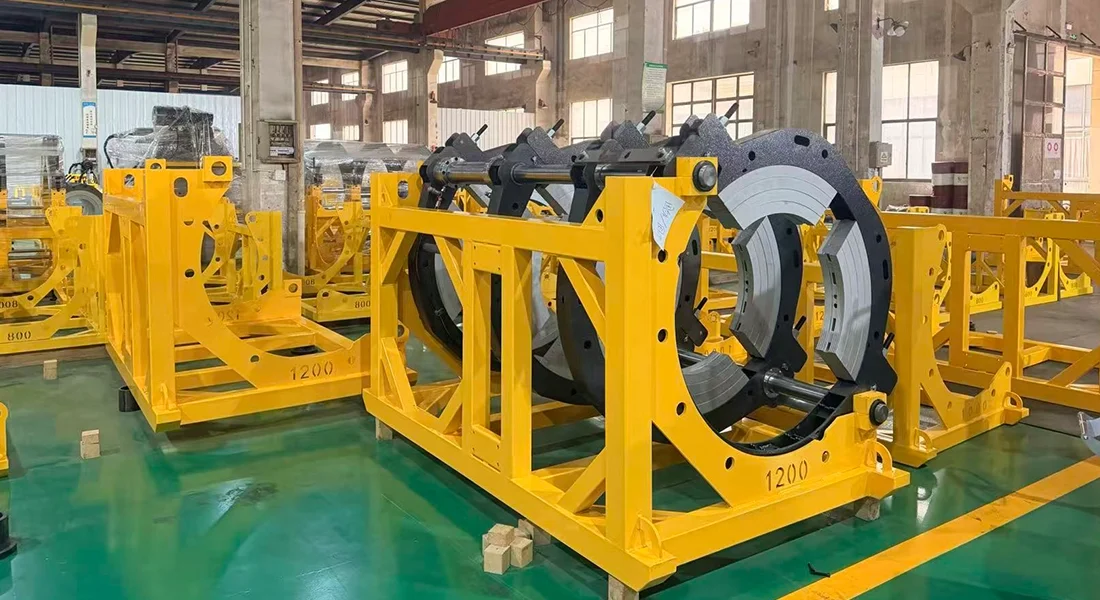
Featured PE Pipe Butt Fusion Machinery
Explore our heavy-duty hydraulic, automated CNC, manual field units, and workshop fabrication systems tailored for Polyethylene (HDPE), Polypropylene (PP), and PVDF pipeline assembly.
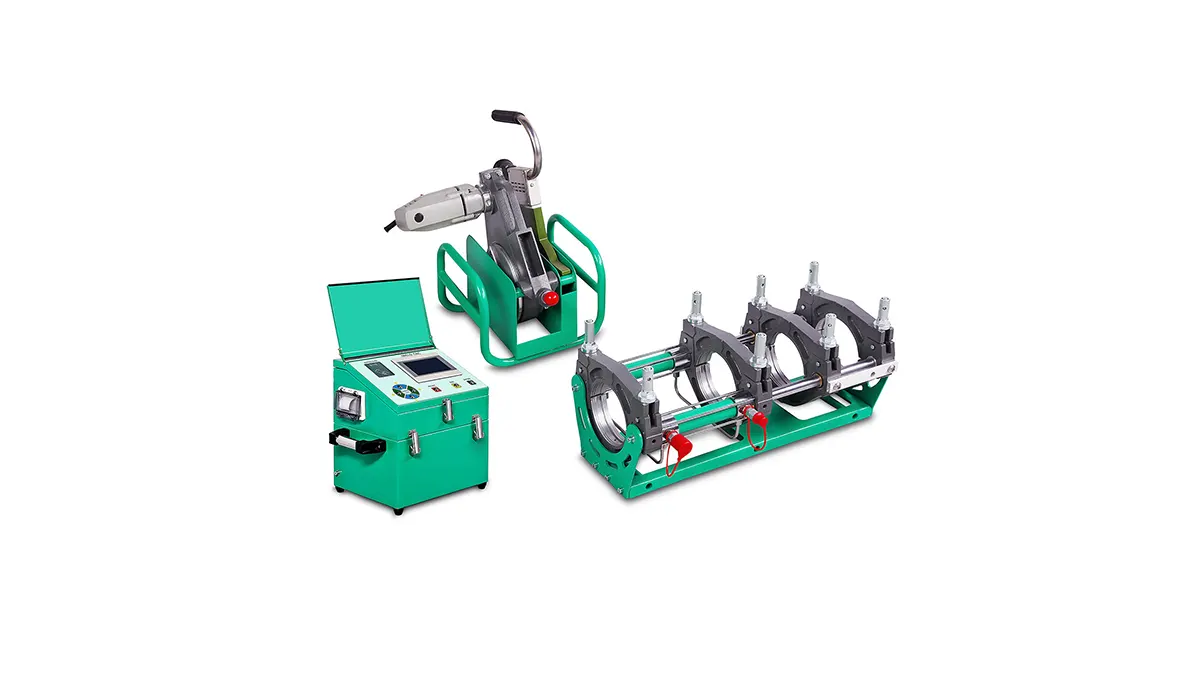
Hydraulic Butt Fusion Machine (Aluminum Clamps)
- Clamp Metallurgy:High-Grade Cast Alloy
- Hydraulic Unit:Closed-loop Pressure Valve
- Heating Element:PTFE Non-Stick Coated
- Standard:ISO 21307 / ASTM F2620
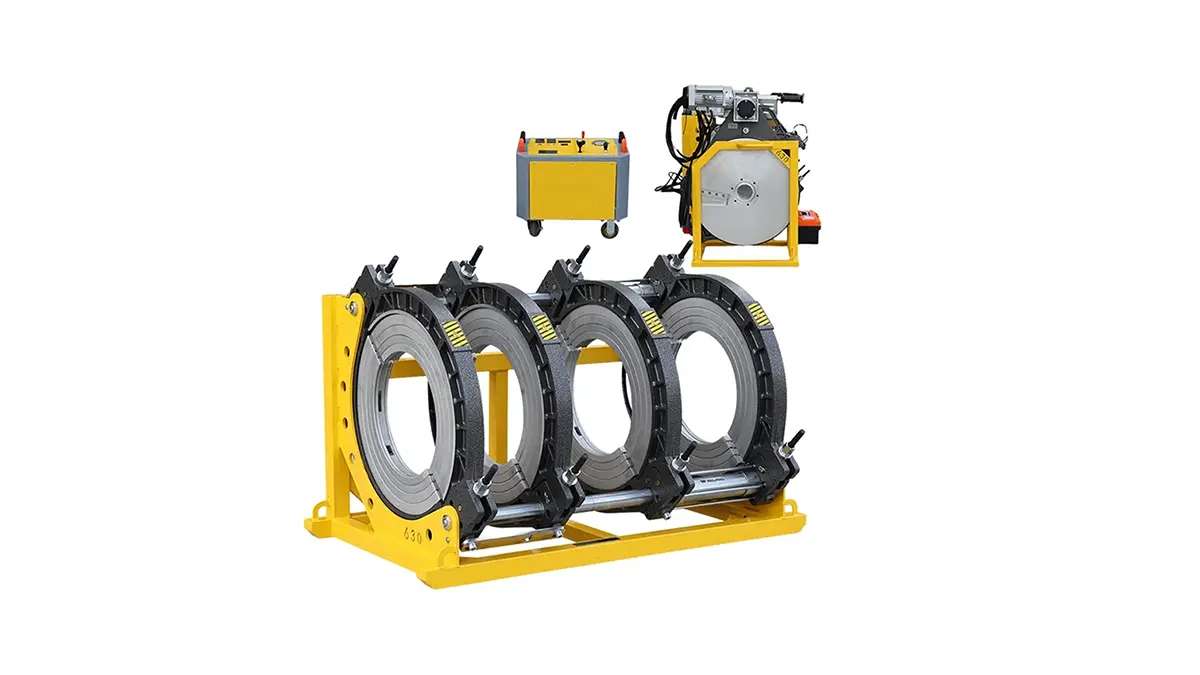
JQH630mm Hydraulic Butt Fusion Welder
- Pipe Range:315mm – 630mm
- Pressure Range:0 – 6.3 MPa
- Voltage Config:380V / 415V 50/60Hz
- Application:Water Trunk & Mining Slurry
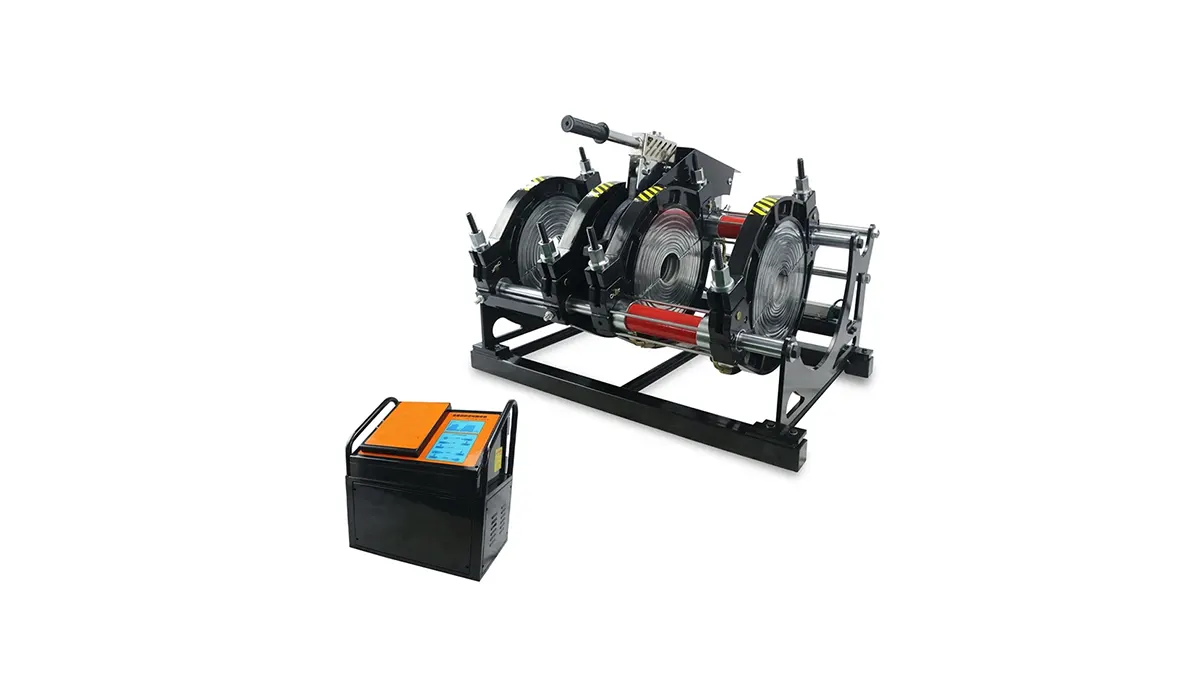
JQA630mm Automatic CNC Butt Fusion Welder
- Control System:PLC Touchscreen + Sensors
- Data Logging:USB / Cloud Traceability
- Safety Interlock:Heater Auto-Ejection
- Compliance:ISO 12176-4 Traceable
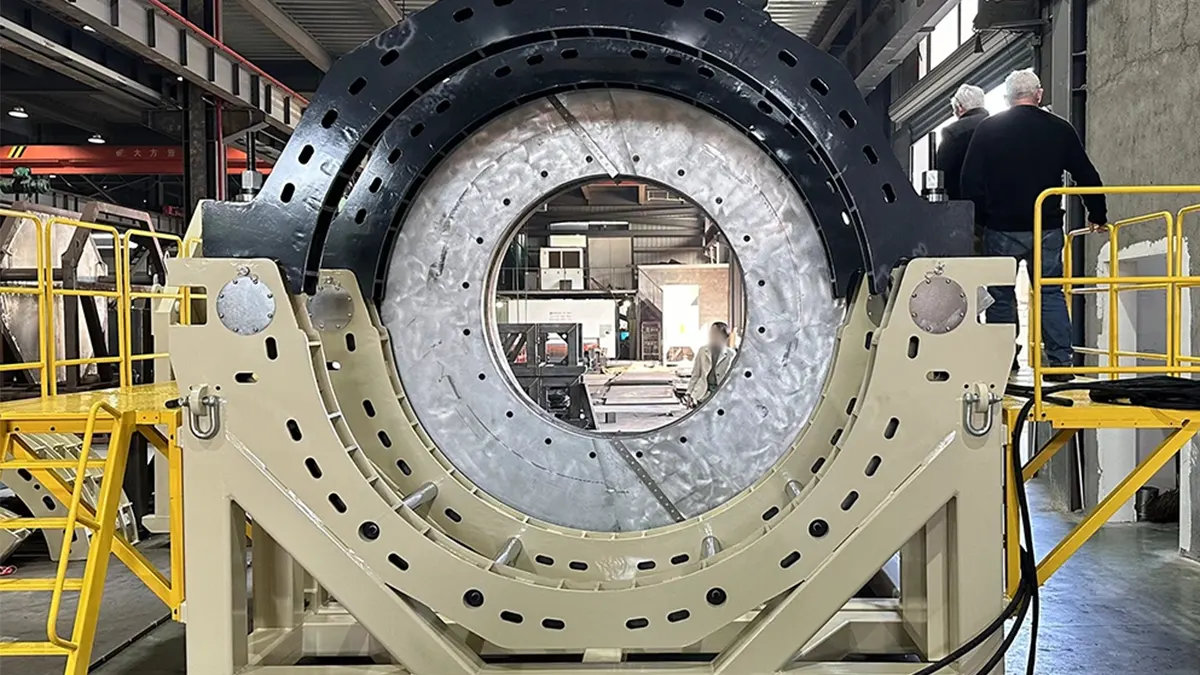
JQH2250mm Hydraulic Butt Fusion Machine
- Pipe Range:1600mm – 2250mm
- Drive System:Multi-Cylinder High-Tonnage
- Lifting Hoist:Integrated Electric Crane
- Application:Marine Outfalls & Intake Lines
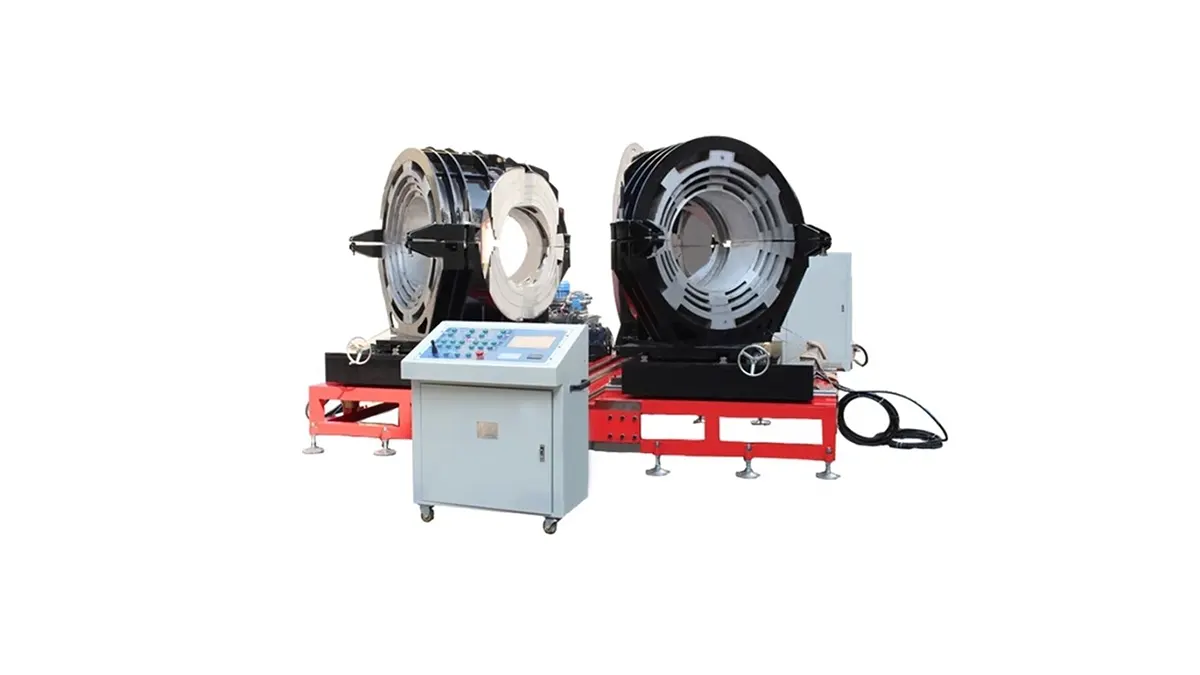
JQMA800 Multi-Angle Fitting Welding Machine
- Fabrication:Elbows, Tees, Crosses, Y-Branches
- Angle Range:0° to 90° Seamless Pivot
- Max Diameter:800mm Fitting Body
- Standard:ASTM F2206 Workshop Spec
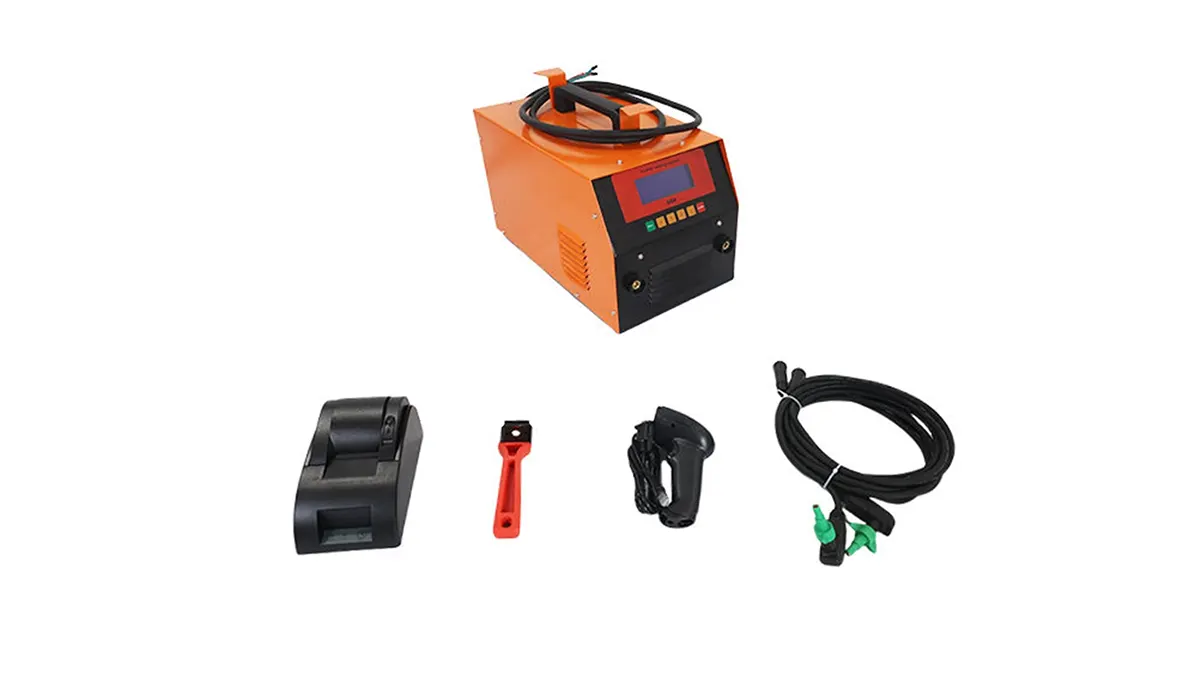
JQEB Digital Electrofusion Machine
- Welding Range:20mm – 800mm Couplers
- Scanner:Bar-code Optical Reader
- Data Storage:10,000+ Weld Records
- Compliance:ISO 12176-2 Standard
Technical Specifications Across Machine Series
Every machine engineered by JQ-Fusion is calibrated to adhere to international thermal fusion protocols, including ASTM F2620 heat fusion and the PPI butt fusion procedure. Below is an overview of our core model parameters:
| Model Series | Welding Range (OD) | Operation Mode | Heating Plate Power | Interfacial Pressure | International Standard | Primary Sector |
|---|---|---|---|---|---|---|
| JQH160 – JQH355 | 63mm – 355mm | Hydraulic Manual Assist | 2.2 kW – 4.5 kW | 0.15 N/mm² / Dual Low/High | ISO 21307 | Urban Gas & Potable Water Distribution |
| JQH400 – JQH630 | 160mm – 630mm | Hydraulic Power Unit (HPU) | 5.5 kW – 9.5 kW | 0.17 N/mm² High Pressure | ASTM F2620 | Municipal Mainlines, Sewer Force Mains |
| JQH800 – JQH1200 | 450mm – 1200mm | Hydraulic + Electric Crane | 12.0 kW – 22.0 kW | Dual Pressure Programmable | DVS 2207-1 | Mining Tailings, Industrial Cooling |
| JQH1400 – JQH2250 | 1000mm – 2250mm | Heavy-Duty High Tonnage HPU | 35.0 kW – 65.0 kW | Multi-Step Digital Controlled | ISO 12176-1 | Desalination, Marine Outfalls, Power Plants |
| JQA160 – JQA630 (CNC) | 63mm – 630mm | Fully Automated CNC / PLC | 2.2 kW – 9.5 kW | Sensor-Driven Precision Closed Loop | ISO 12176-4 | Certified Natural Gas, High-Spec EPC Contracts |
| JQMA315 – JQMA1600 | 90mm – 1600mm | Multi-Angle Workshop Fabricator | 4.5 kW – 28.0 kW | Preset Hydraulic Angle Drive | ASTM F2206 | Prefabricated Bends, Tees, Segmented Fittings |
Butt Fusion Engineering & Global Standard Compliance
Achieving a monolithic joint in polyethylene piping requires strict synchronization of temperature, interfacial pressure, bead-up formation, soak time, and controlled cooling under pressure. Learn more about the fundamental mechanics in what is HDPE butt fusion.
1
Precise Thermal Energy Distribution
JQ-Fusion heating plates utilize high-grade cast aluminum embedded with custom serpentine heating elements. This ensures a surface temperature uniformity within ±3°C across the entire heating plate face, compliant with ASTM D2513 PE gas pipe and ISO 4427 PE water pipes safety limits, preventing polymer thermal degradation during the soak stage.
2
Accurate Drag Pressure Compensation
Field conditions vary greatly with pipe lengths and pipe weights. Our hydraulic stations feature ultra-sensitive micro-throttling valves and precision digital pressure transducers that allow operators to accurately measure drag force and add it to the calculated interfacial theoretical pressure as required by PPI technical guidance.
3
Rigid Chassis with Zero Deflection
High clamping forces on large pipe walls (SDR 7 to SDR 11) can cause frame flexing in inferior machines, resulting in radial pipe misalignment. JQ-Fusion machine guide rods and frame structures undergo FEA (Finite Element Analysis) stress testing to ensure clamp alignment deviation remains under 0.15mm even under maximum clamp loads.
4
CNC Traceability & Human-Error Elimination
Our CNC automatic machines log every critical parameter—including ambient temperature, hydraulic peak pressure, heater plate removal time, and cooling cycle duration. The recorded data can be exported via USB in conformity with PE fusion traceability protocols for complete QA/QC compliance.
International Certifications & Standards Verification
JQ-Fusion operates under rigorous total quality management systems. Our factory is fully certified under ISO 9001:2015, ISO 14001, and SGS, with CE certification covering machinery safety directives (2006/42/EC) and low-voltage electrical safety (2014/35/EU).
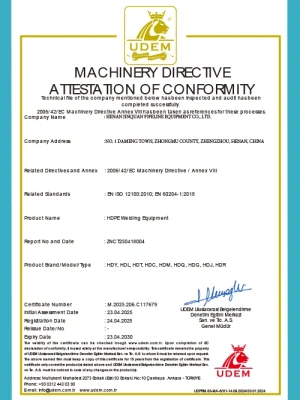
CE Machinery Directive Safety Certification
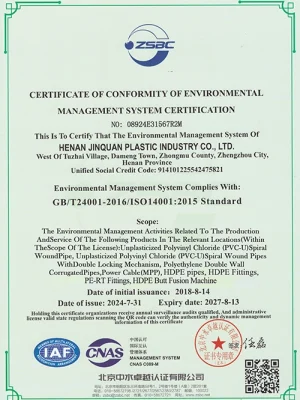
ISO 9001:2015 Quality Management System
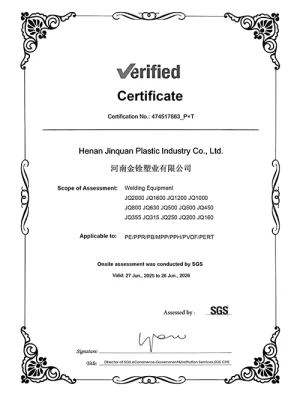
SGS Audited Supplier & Production Inspection
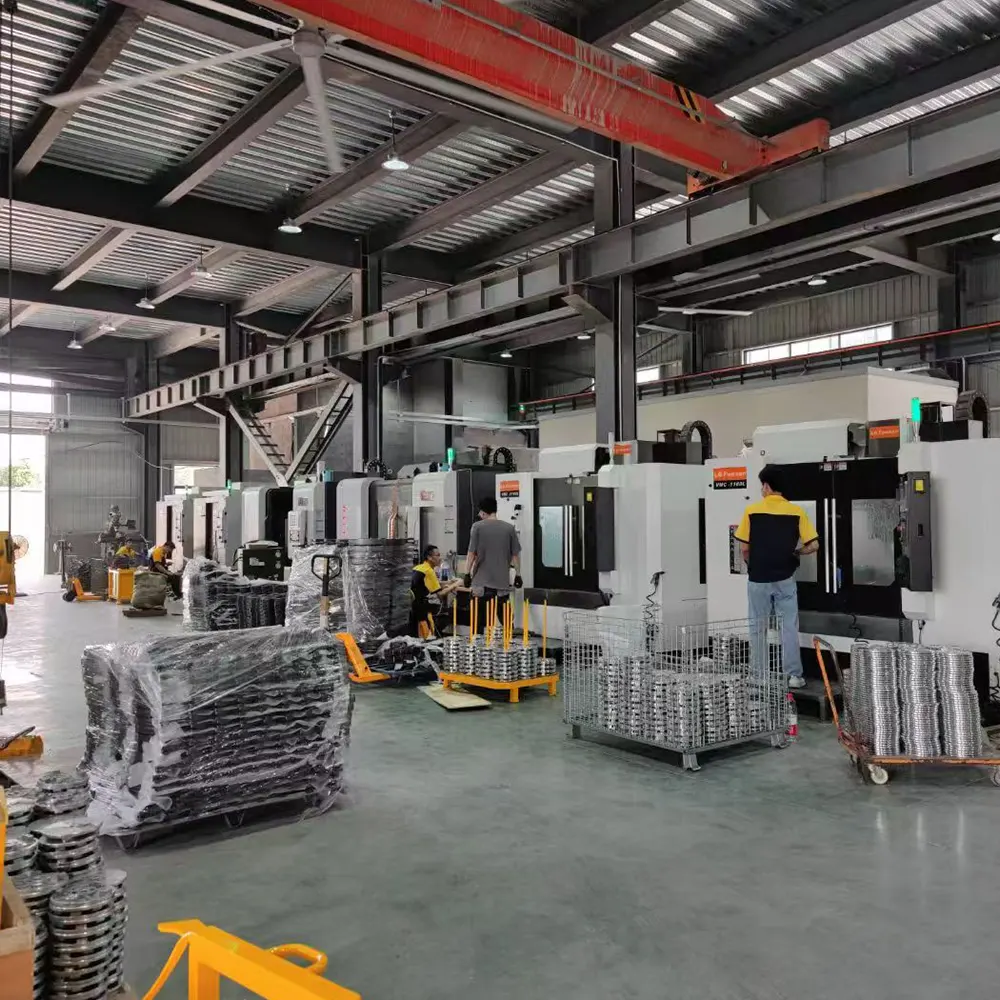
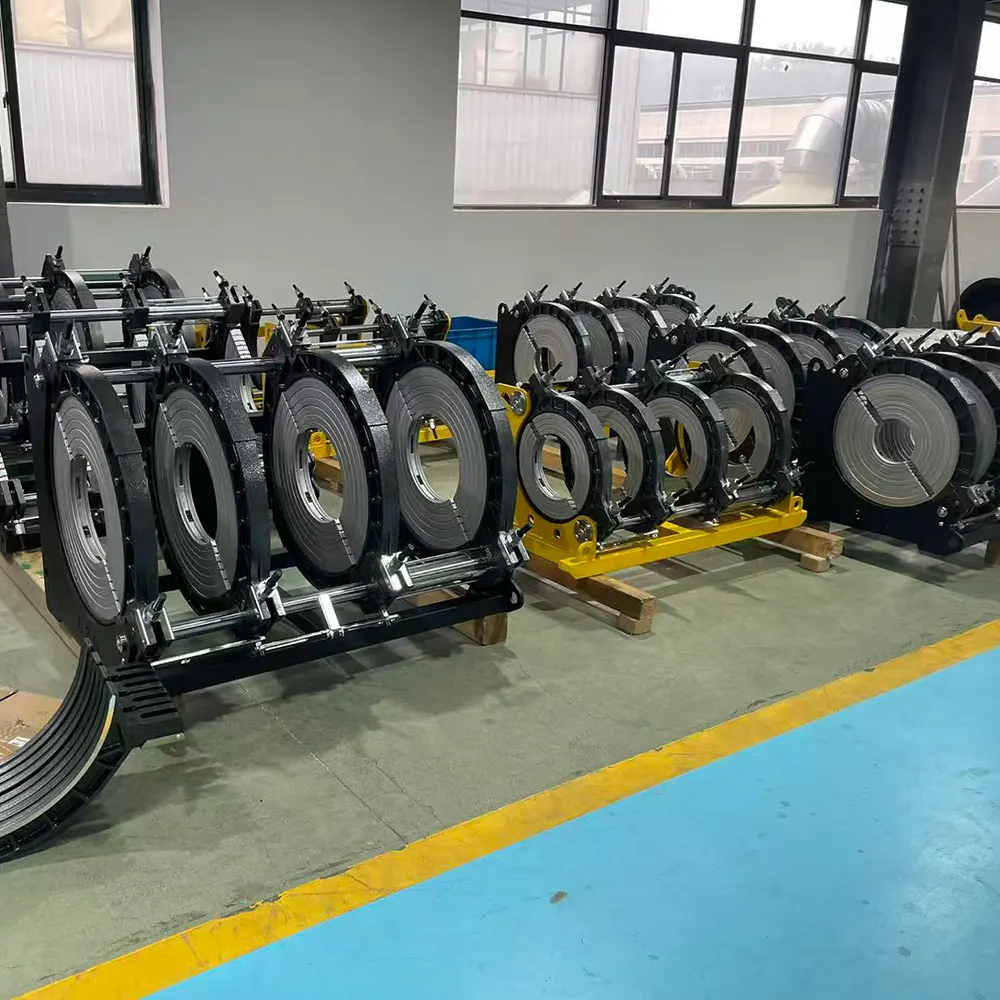
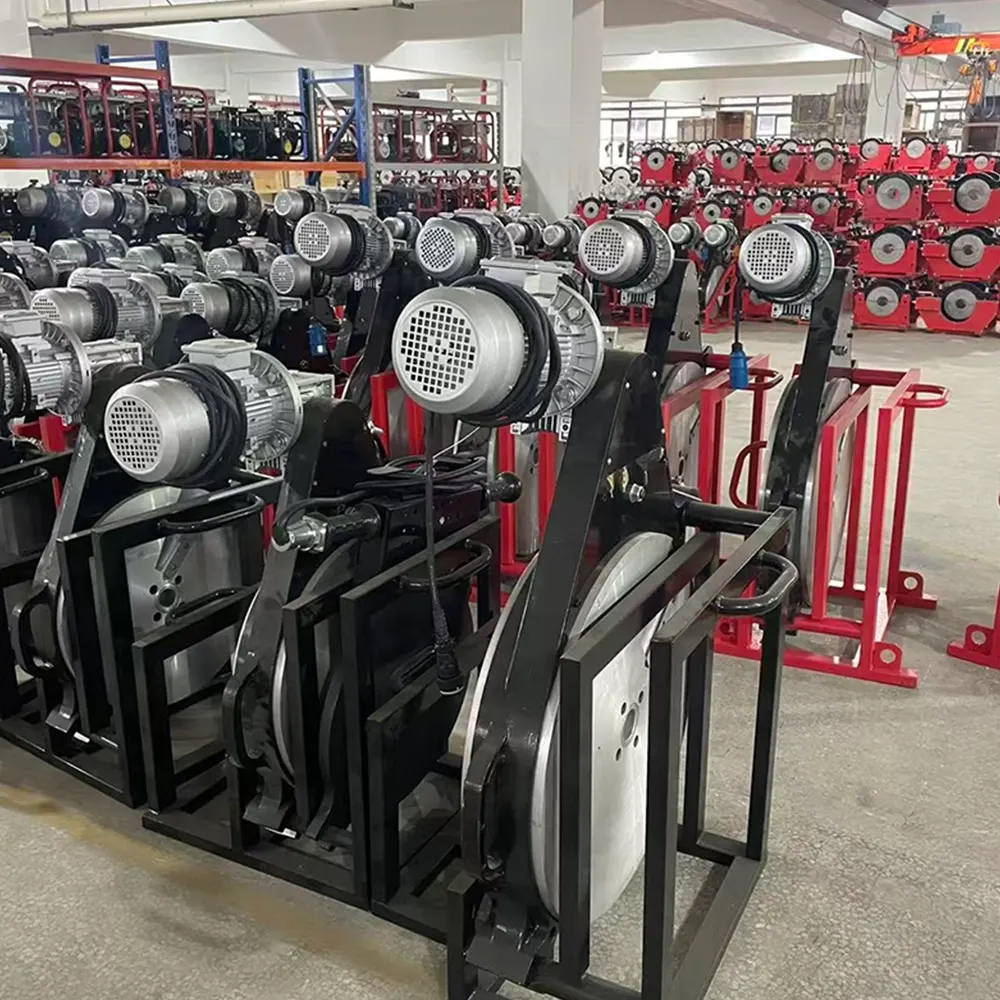
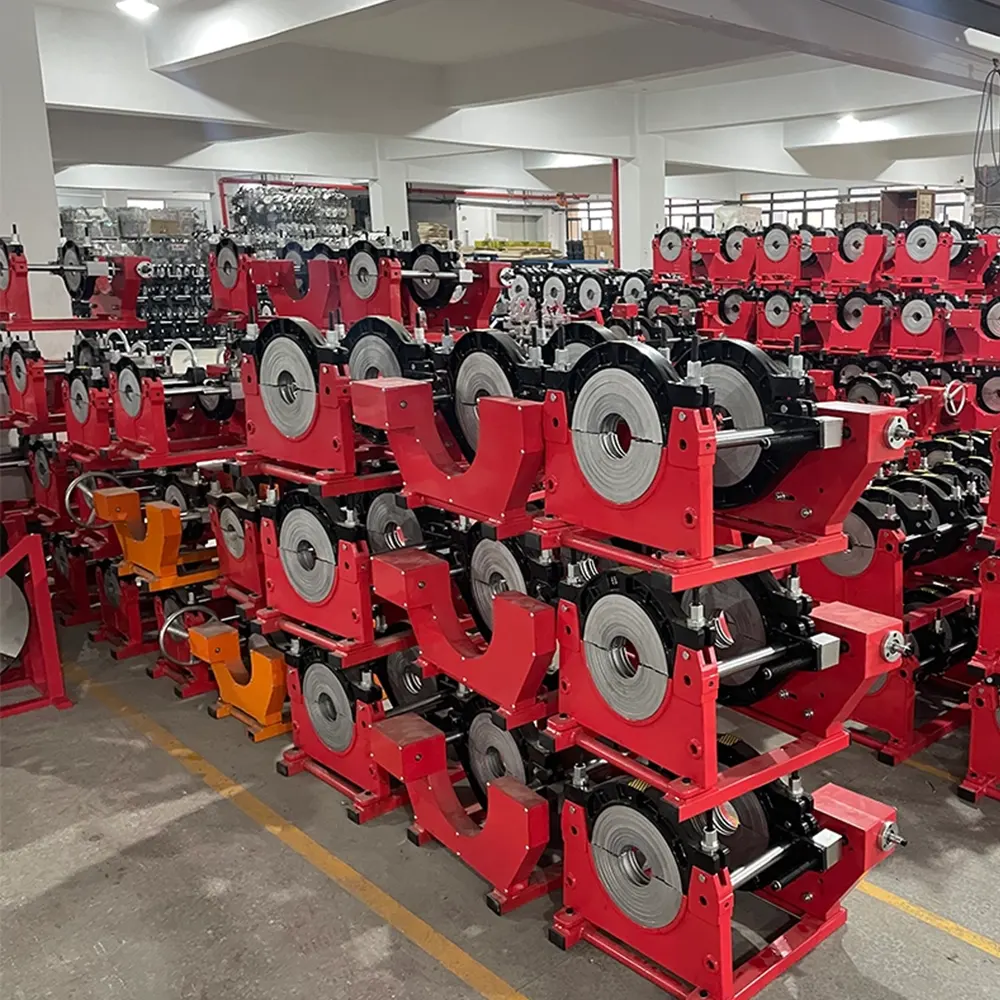
Visit Our Production Workshop & Extensive Inventory
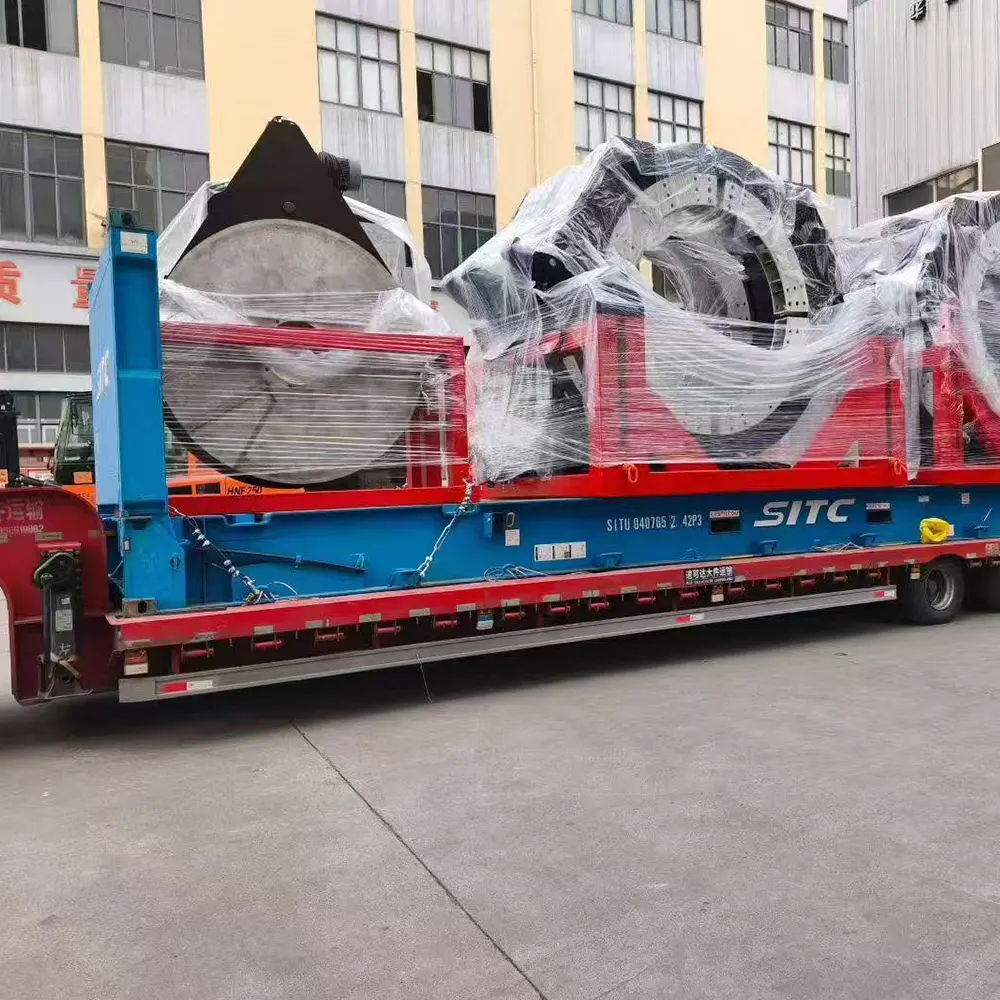
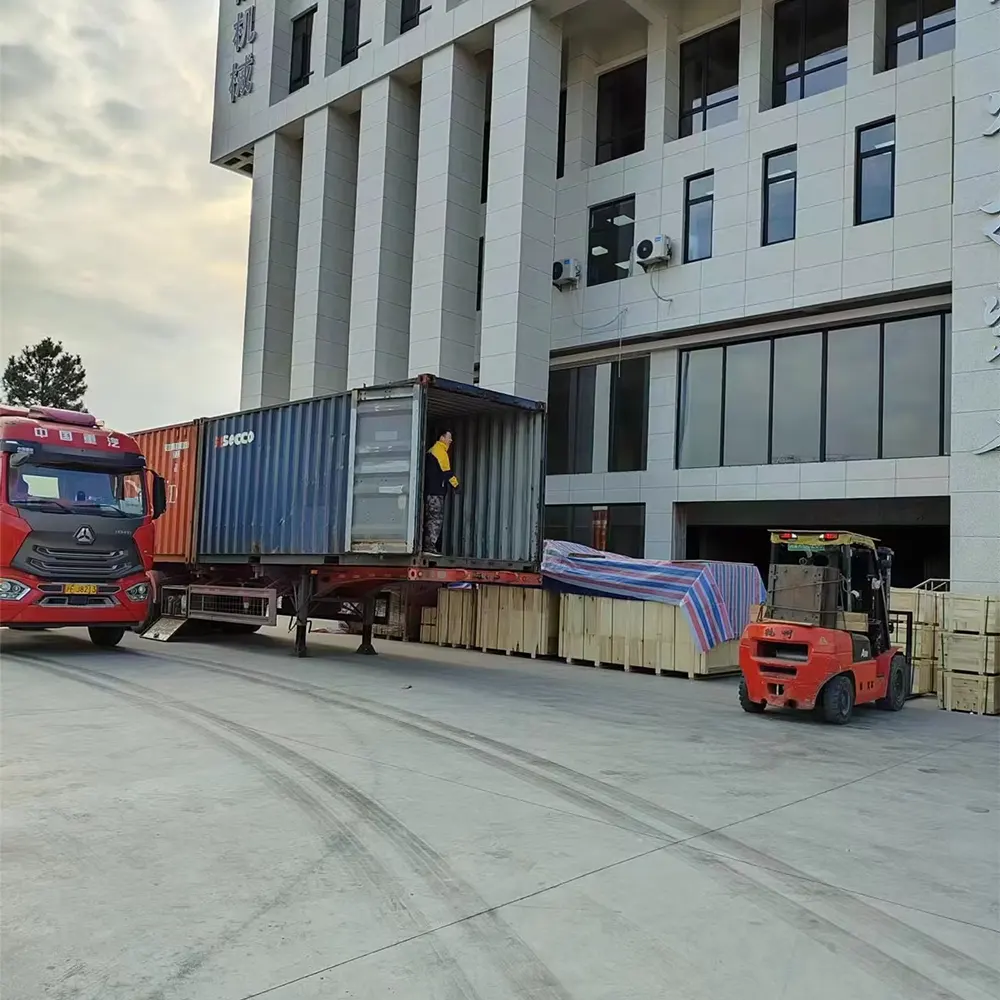
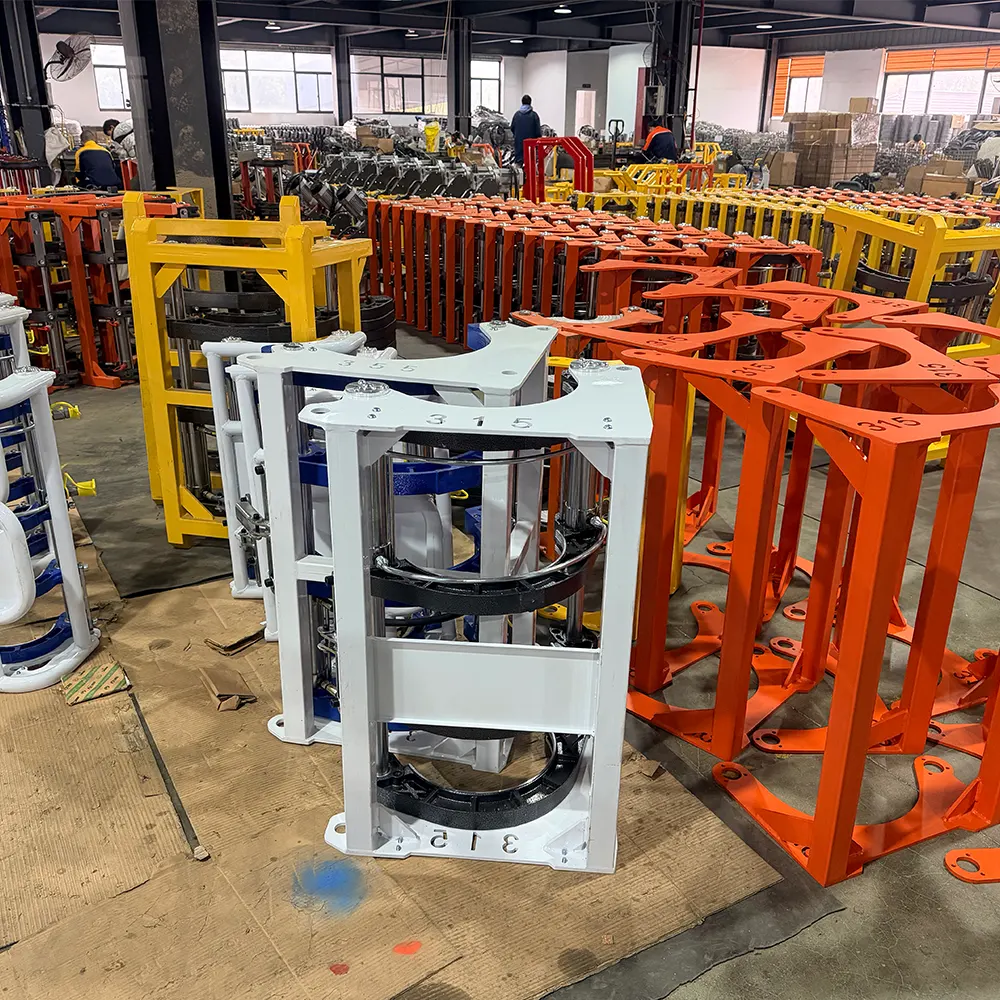
We understand project schedules cannot afford lead-time bottlenecks. As an established PE Pipe Fusion Machine Manufacturer, JQ-Fusion maintains over 500+ units of standard manual and hydraulic butt fusion welders in stock for immediate export delivery.
Industry Application Sectors
HDPE pipelines represent the global standard for corrosion-resistant liquid and gas transportation. Our fusion machines are engineered to meet rigorous sector-specific joint performance requirements:
Municipal Potable Water
Ensures zero biological contamination and eliminates leakage in high-pressure distribution mains following PE potable water fusion guidelines.
Natural Gas Distribution
High-integrity fusion joints certified for combustible gas pipelines according to PE gas piping systems and ASTM D2513 protocols.
Mining Slurry & Tailings
Heavy-duty welds built to withstand severe internal abrasion, fluctuating pressures, and aggressive slurry transport across rugged mine sites.
Industrial Chemical Lines
Leak-tight fusion jointing of high-density polyethylene and PVDF piping in accordance with industrial PE piping systems standards.
Frequently Asked Technical Questions
Key technical insights regarding PE pipe fusion machinery operation, standard compliance, and equipment maintenance.
Q1: How is the correct fusion joining pressure calculated for PE pipe butt welding?
Theoretical fusion gauge pressure ($P_g$) is determined by multiplying the pipe wall cross-sectional area ($A_p$) by the recommended interfacial pressure ($P_i$, typically 0.15–0.17 N/mm² under ISO 21307 High Pressure or ASTM F2620), divided by the total cylinder cross-sectional area of the welding machine ($A_c$), plus the measured drag pressure ($P_d$):
$P_g = [(A_p times P_i) / A_c] + P_d$.
All JQ-Fusion hydraulic units include pre-calculated pressure calibration charts permanently riveted to the hydraulic frame for easy field reference.
Q2: What is the primary operational difference between ISO 21307 Dual-Pressure and ASTM F2620 procedures?
ISO 21307 defines dual low-pressure (0.17 N/mm²) and high-pressure (0.35 N/mm²) joining methods. In high-pressure single-pressure welding, cooling cycles are significantly shortened without sacrificing weld ductility. ASTM F2620 focuses on standard low-pressure parameters (0.41–0.62 MPa interfacial force on pipe area) with longer ambient cooling times under clamped load. JQ-Fusion machines support both parameter regimes via programmable presets.
Q3: How does JQ-Fusion prevent non-stick PTFE coating degradation on heating plates?
We use high-density, multi-layer industrial Teflon (PTFE) coating baked at 380°C directly over shot-peened cast aluminum cores. This produces a wear-resistant surface that prevents molten polyethylene residue build-up, reduces polymer sticking, and resists chemical oxidation across thousands of heating cycles in high-humidity trench environments.
Q4: Can JQ-Fusion manufacture OEM machines with custom voltages and private branding?
Yes. As an authentic PE Pipe Fusion Machine Manufacturer, we provide complete OEM/ODM options. We can customize power ratings (220V 1-phase, 230V, 380V, 415V, 480V 3-phase, 50Hz/60Hz), apply custom epoxy chassis colors, integrate distributor brand logos, and configure multi-language LCD interface screens (Spanish, Russian, Arabic, French, Portuguese, etc.).
Direct Factory Consultation & Inquiry
Connect directly with JQ-Fusion’s engineering team to discuss machine sizing, wholesale distributor agreements, tender specifications, or OEM manufacturing arrangements.
Email Engineering & Sales
Phone & WhatsApp 24/7
+86 15093385787
Factory & Headquarters
Zhengzhou, Henan Province, China
Request Instant Machinery Quote
Our technical sales engineers respond within 6 business hours with complete specs & pricing.
