
Professional Electrofusion Machine Supplier Guide & Technical Evaluation
Discover how top-tier electrofusion welding technology, ISO 12176-2 compliance, smart barcode traceability, and robust engineering protect critical municipal water, fuel gas, and industrial pipeline infrastructures worldwide.
The Strategic Role of a Reliable Electrofusion Machine Supplier
Modern pipeline networks engineered with High-Density Polyethylene (HDPE), PE100, and PE100-RC demand unyielding structural integrity. While traditional butt fusion welding machines provide exceptional axial joints for straight line sections, complex urban trenches, lateral service taps, trenchless installations, and tight repair zones necessitate electrofusion jointing. Selecting a certified Electrofusion Machine Supplier is therefore the linchpin for preventing micro-leakages, ensuring zero gas emissions, and achieving a 50- to 100-year operational lifecycle.
Precision Joule Heating Thermodynamics
Electrofusion relies on controlled electrical current driven through resistive heating coils embedded within an injection-molded fitting collar. A high-performance electrofusion control unit regulates voltage (typically 8V to 48V) and current with millisecond precision.
As governed by international guidelines such as PE electrofusion equipment standard (ISO 12176-2) and ASTM F1290 electrofusion, precise heat dissipation generates polymer melt pressure without thermal degradation, fusing the fitting and pipe substrate into a homogeneous mass.
Automated Traceability & Quality Control
Industrial-grade electrofusion welders incorporate optical barcode scanners compliant with PE fusion traceability (ISO 12176-4). Scanning standard 24-digit or 32-digit Interleaved 2 of 5 barcodes automatically sets fusion parameters including energy duration, temperature compensation, and cooling intervals.
Real-time internal microprocessors monitor voltage drop, internal resistance, and ambient temperature, storing thousands of joint data logs for instant export via USB or Bluetooth to satisfy strict municipal audits.
Engineered Electrofusion & Specialized Fusion Systems
JQ-Fusion delivers high-specification fusion welding systems compliant with rigorous European and American field standards. Explore our core electrofusion equipment lineup and hybrid infrastructure machinery:
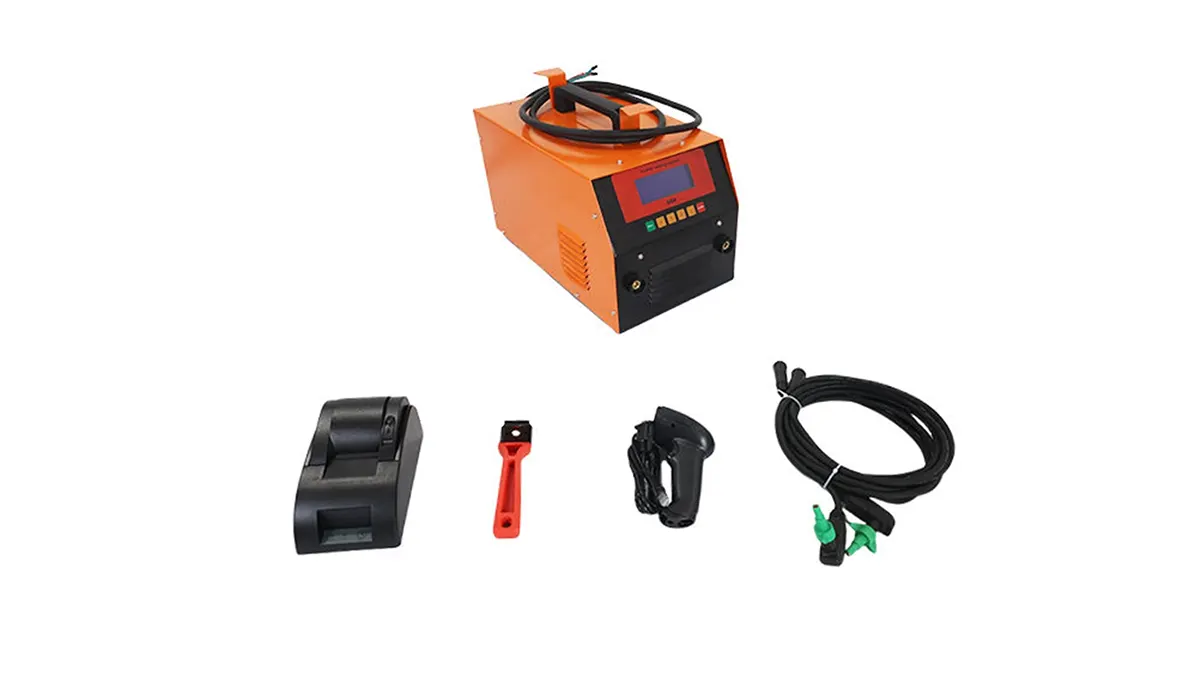
JQEB Electrofusion Machine
Full-range intelligent electrofusion control box equipped with smart barcode scanner, automatic ambient temperature compensation, and comprehensive internal data logging.
- Output Voltage: 8V – 48V Stable AC
- Welding Range: 20mm – 630mm Couplers
- Traceability: ISO 12176-4 Barcode / Manual
- Memory Capacity: 2,000+ Joint Records
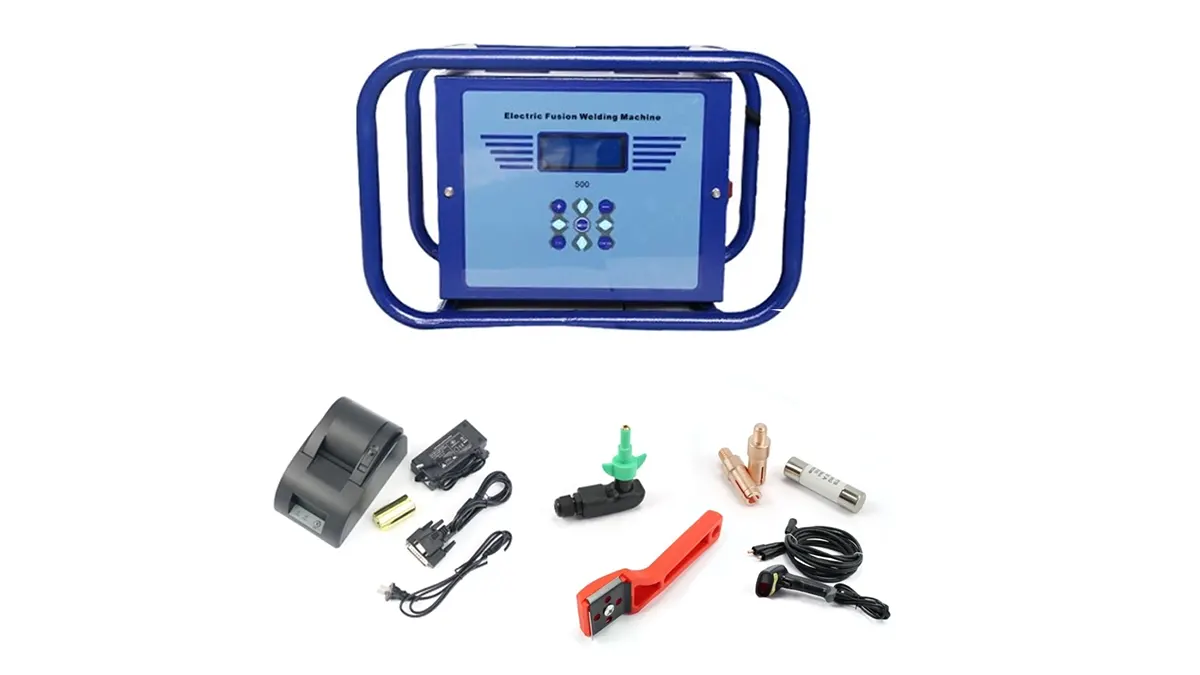
JQEA Electrofusion Machine
Engineered for extreme trench environments with ruggedized aluminum-alloy encasement, IP54 weatherproofing, and rapid response micro-controllers for gas and water utilities.
- Output Current: Up to 100A Peak Current
- Pipe Compatibility: HDPE, PP, PE100, PE4710
- Enclosure: Impact-Resistant Shockproof
- Data Export: USB Direct Download
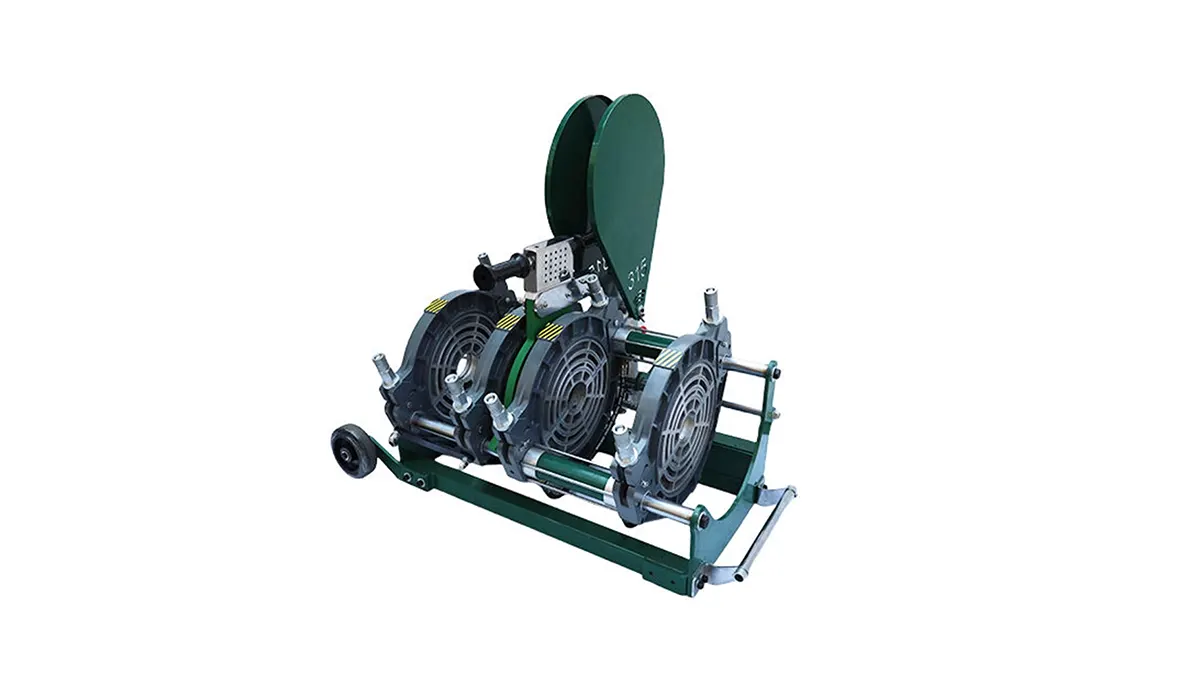
JQA315mm Automatic Butt Fusion Machine
Automated CNC butt fusion unit operating in tandem with electrofusion grids, offering precision hydraulic pressure control and automated heating plate release.
- Diameter Range: 90mm – 315mm OD
- Automation: CNC Full Cycle Automation
- Standard: ISO 21307 / DVS 2207
- Clamp System: Reinforced Aluminum Alloy
Global Standards for Electrofusion Machinery
A professional electrofusion machine supplier must manufacture equipment that strictly aligns with recognized international pipeline codes. Below is an engineering comparison matrix of mandatory regulatory standards for electrofusion and butt fusion joints:
| Regulatory Standard | Governing Body | Scope & Technical Parameter | Required Machine Capability |
|---|---|---|---|
| ISO 12176-2 Electrofusion | ISO / Global | Electrofusion jointing equipment for polyolefin gas and water systems. | Voltage output regulation within ±1.5%, thermal safety shutoff, automatic cycle cutoff. |
| ISO 12176-4 Traceability | ISO / Global | Traceability coding and digital data acquisition for fusion systems. | Integrated barcode optical scanner, 24/32-character decoding, internal flash memory storage. |
| ASTM F1290 Joining Standard | ASTM / USA | Standard practice for electrofusion joining of polyolefin pipe and fittings. | Precise energy rate delivery, ambient temperature compensation algorithm between -10°C to +45°C. |
| ASTM F1055 EF Fittings | ASTM / USA | Electrofusion type polyethylene fittings for outside diameter controlled pipe. | Universal pin terminal adapters (4.0mm and 4.7mm), continuous resistance feedback verification. |
| PPI TR-49 User Guide | PPI / North America | Generic Electrofusion user guide for field joint integrity. | Pre-weld clamp hold time prompts, cooldown countdown timers, power generator fluctuation dampening. |
| ISO 4437 Gas Piping | ISO / Global | PE piping systems for gaseous fuels infrastructure. | Mandatory 100% joint record traceability with operator ID badge verification (ISO 12176-3). |
Key Selection Criteria for an Electrofusion Machine Supplier
When evaluating manufacturers and OEM partners for long-term piping supply agreements, global distributors, municipal contractors, and engineering procurement firms must assess five fundamental operational parameters:
Input Voltage Resilience & Generator Compatibility
Remote pipeline construction frequently relies on portable diesel generators where harmonic distortion and voltage surges can ruin sensitive microchips. A top-grade supplier integrates wide input voltage tolerances (180V–260V / 90V–140V) with built-in surge suppressors to prevent disrupted fusion cycles mid-weld.
Universal Fitting Barcode Recognition & Manual Fallback
Fittings from leading global brands (such as Georg Fischer, Plasson, Friatec, or Radius) feature 24/32-digit barcodes. Reliable machines instantly decode these barcodes while providing full manual voltage/time entry modes for legacy couplers or emergency repairs.
Rugged IP-Rated Environmental Protection
Trench operations expose electronics to blowing sand, moisture, muddy slurry, and direct sunlight. Suppliers must build enclosures to minimum IP54 or IP65 ingress standards, utilizing heavy-duty aluminum chassis and military-grade sealed terminal connectors.
Digital Traceability, GPS & Quality Assurance Auditing
Leading utilities require comprehensive joint audit files containing ambient temperature, fusion duration, energy (Joules), voltage, operator ID, and error codes. Leading electrofusion machines provide rapid PDF/CSV extraction via high-speed USB ports or mobile Bluetooth apps.
Electrofusion vs. Butt Fusion: Engineering Application Guide
Pipeline system designers and utility contractors must choose between butt fusion vs electrofusion depending on trench geometry, pipe diameter, wall thickness (SDR), and installation conditions.
When to Specify Electrofusion (EF)
- Confined Space & Trench Repairs: Ideal for in-trench repairs, existing utility tie-ins, and constrained spaces where large hydraulic butt fusion clamps cannot physically fit.
- Service Tapping & Branches: Standard method for live tapping tees, electrofusion saddle joints, and branch connections under internal pressure without service disruption.
- Trenchless HDD Connections: Connecting coiled PE pipes and joining pulling heads in Horizontal Directional Drilling (HDD) projects.
- Different SDR Wall Thicknesses: Joining pipes of different wall thicknesses (e.g., SDR 11 to SDR 17) where butt fusion is prohibited by ASTM F2620 heat fusion rules without specialized beveling.
When to Specify Butt Fusion
- Long-Distance Transmission Lines: Most economical jointing method for cross-country open-trench water and gas pipelines from 63mm up to 2250mm diameter.
- Zero Consumable Fitting Costs: Fuses pipe end to pipe end directly without requiring expensive electrofusion coupling sockets or branch saddles.
- Internal Bore Uniformity: Critical for high-velocity slurry lines and mining pipelines where coupler sockets might cause turbulence or particle accumulation.
- Factory Fitting Fabrication: Essential for fabricating segmented bends, tees, and wyes using Multi-Angle Pipe Fitting Machines.
Standardized Electrofusion Workflow for Zero Defects
Achieving certified weld strength requires disciplined field execution. Equipment from a professional electrofusion machine supplier integrates safeguards that guide certified operators through the four critical phases of joint preparation:
Square Cut & Oxide Scraping
Pipe ends must be cut square to ensure even insertion depth. Use an engineering rotary scraper to uniformly peel 0.2mm to 0.3mm of the oxidized outer skin. Hand scrapers must be used with extreme care to avoid flat spots.
Degreasing & Alignment
Clean the scraped pipe surface and the fitting interior with 99% pure isopropanol wipes. Mount alignment clamps to eliminate pipe ovality, prevent joint movement during heating, and eliminate stress on the melt pool.
Barcode Scan & Fusion
Connect the output leads to the terminal pins. Scan the fitting barcode using the optical scanner. Verify parameters on the LCD display. Initiate cycle; the machine dynamically regulates Joule energy and tracks temperature.
Controlled Cooling Period
Do not disturb, unclamp, or pressurize the pipe until the complete cooling countdown displayed on the machine screen has elapsed. premature movement during crystallization induces joint failure.
About JQ-Fusion Manufacturing & Quality Assurance
JQ-Fusion is an established industrial manufacturer specializing in thermoplastic pipe joining equipment. We engineer, manufacture, and calibrate manual, hydraulic, CNC automatic butt fusion machines, and intelligent electrofusion units that serve municipal and industrial projects in over 60 countries.
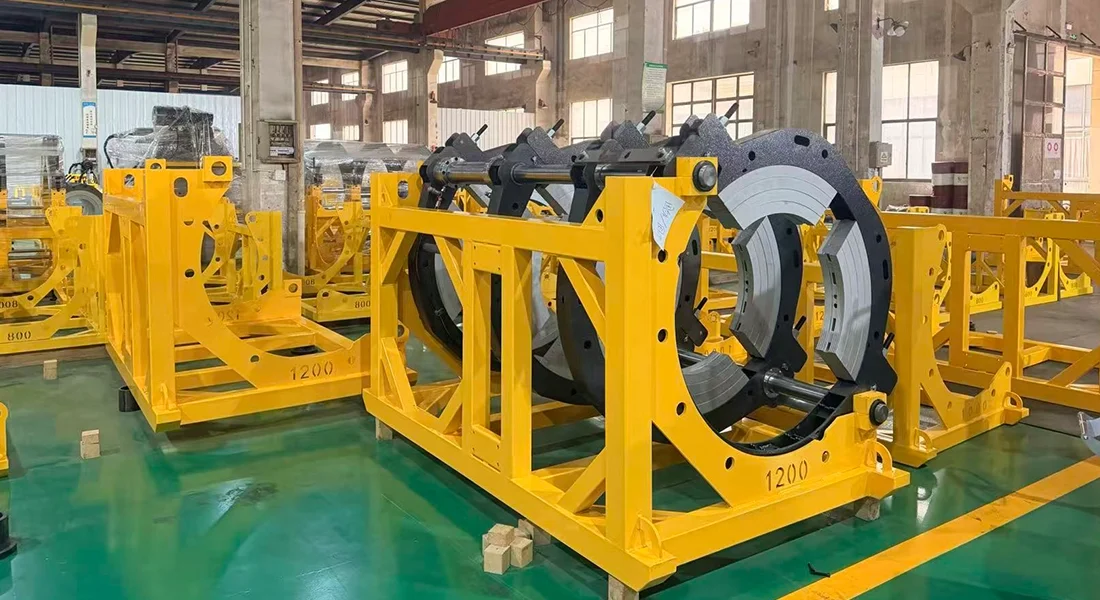
Precision Engineering & Heavy-Duty Production
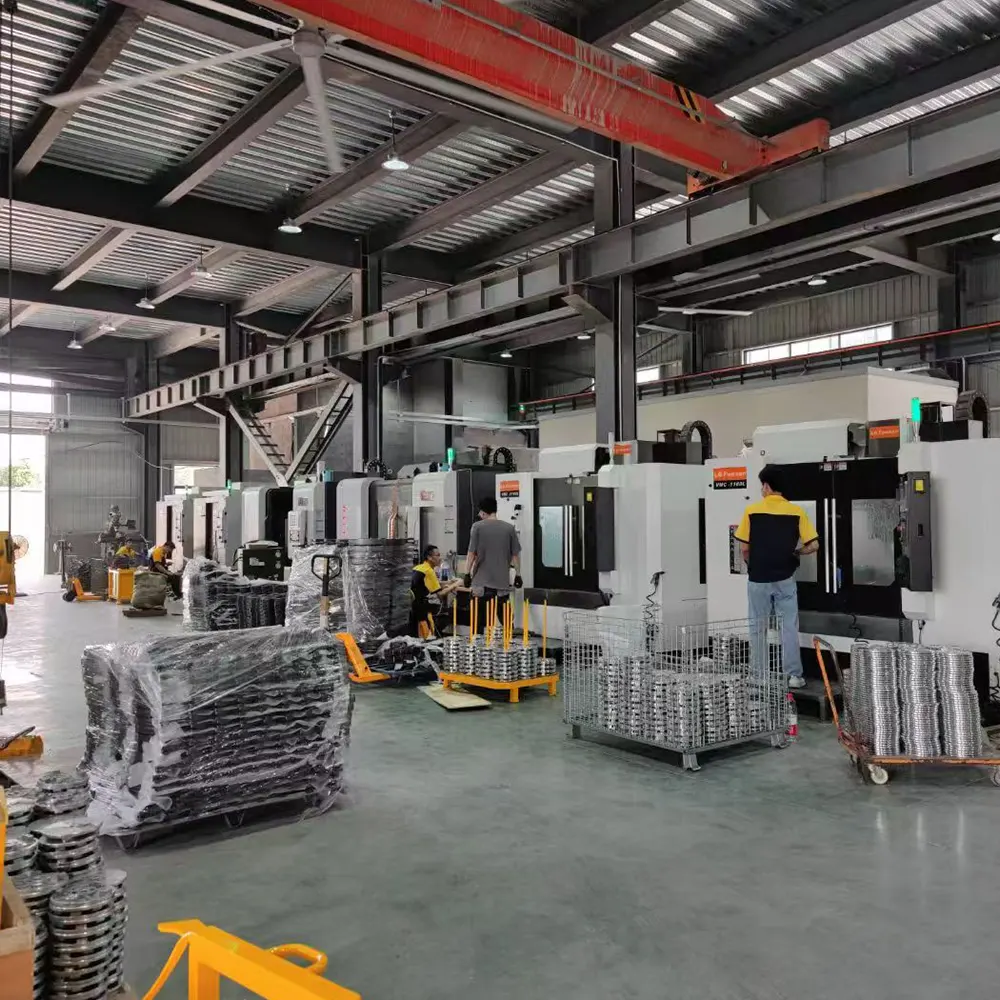
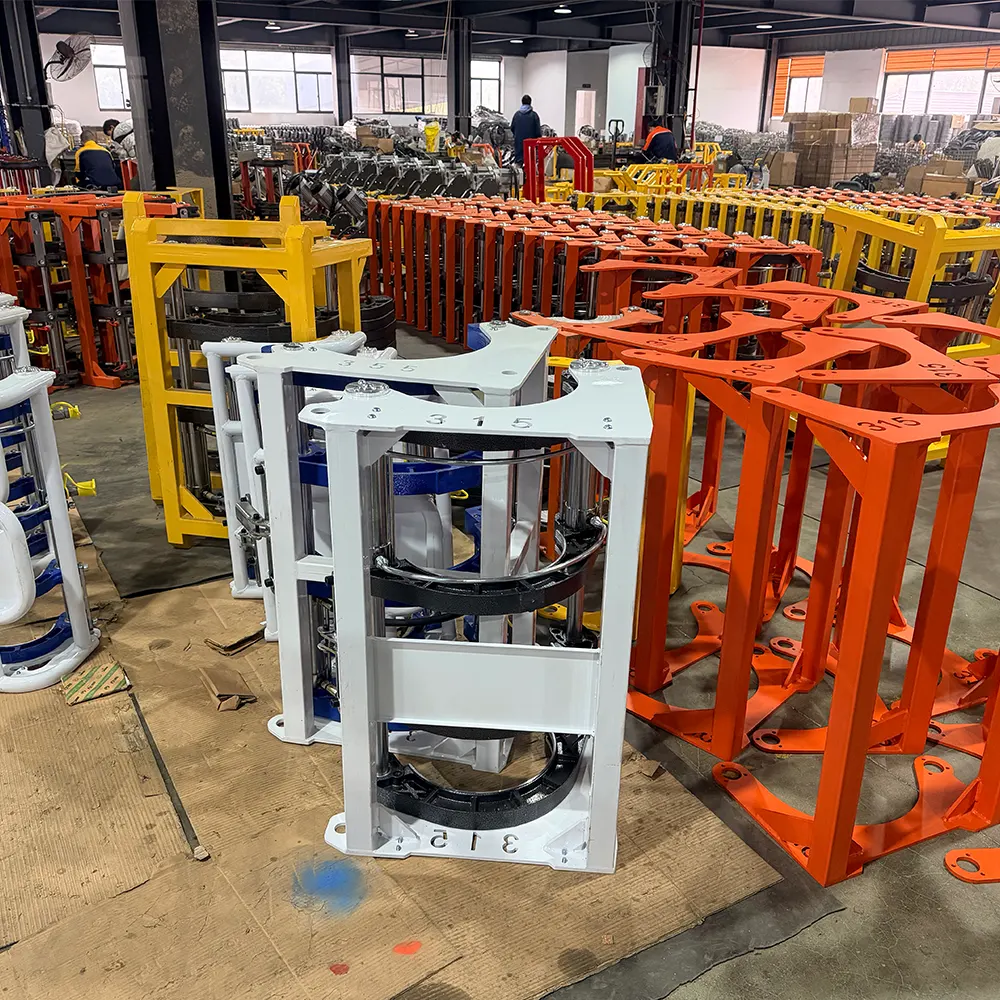
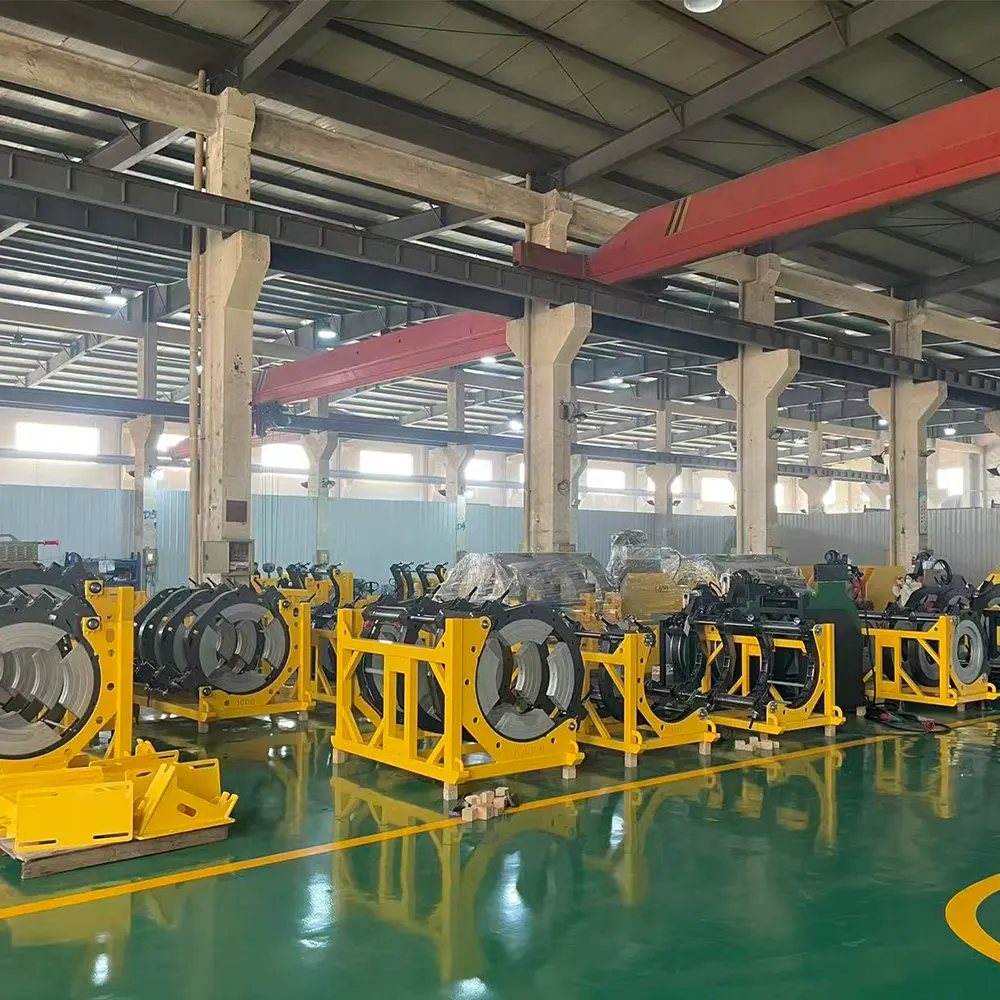
At JQ-Fusion, every welding unit is built upon principles of uncompromised mechanical rigidity and electrical safety. Supported by precision CNC machining centers, automated electronic calibration benches, and continuous quality audits, our machines guarantee precise temperature accuracy, clamp alignment, and voltage stability.
Whether you require standard electrofusion units or fully customized OEM/ODM branded equipment for regional distribution, JQ-Fusion provides end-to-end engineering support, complete spare parts availability, and 24/7 technical assistance.
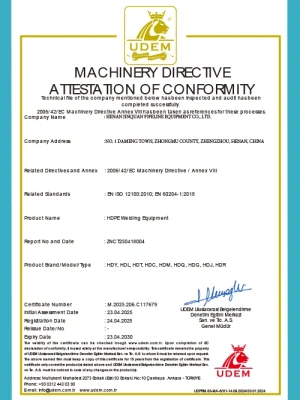
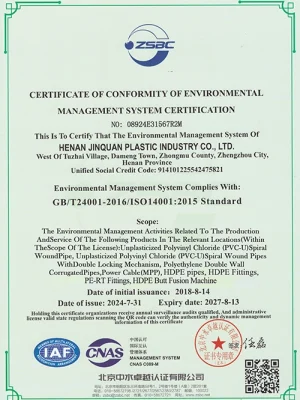
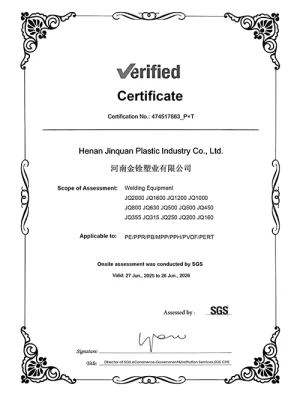
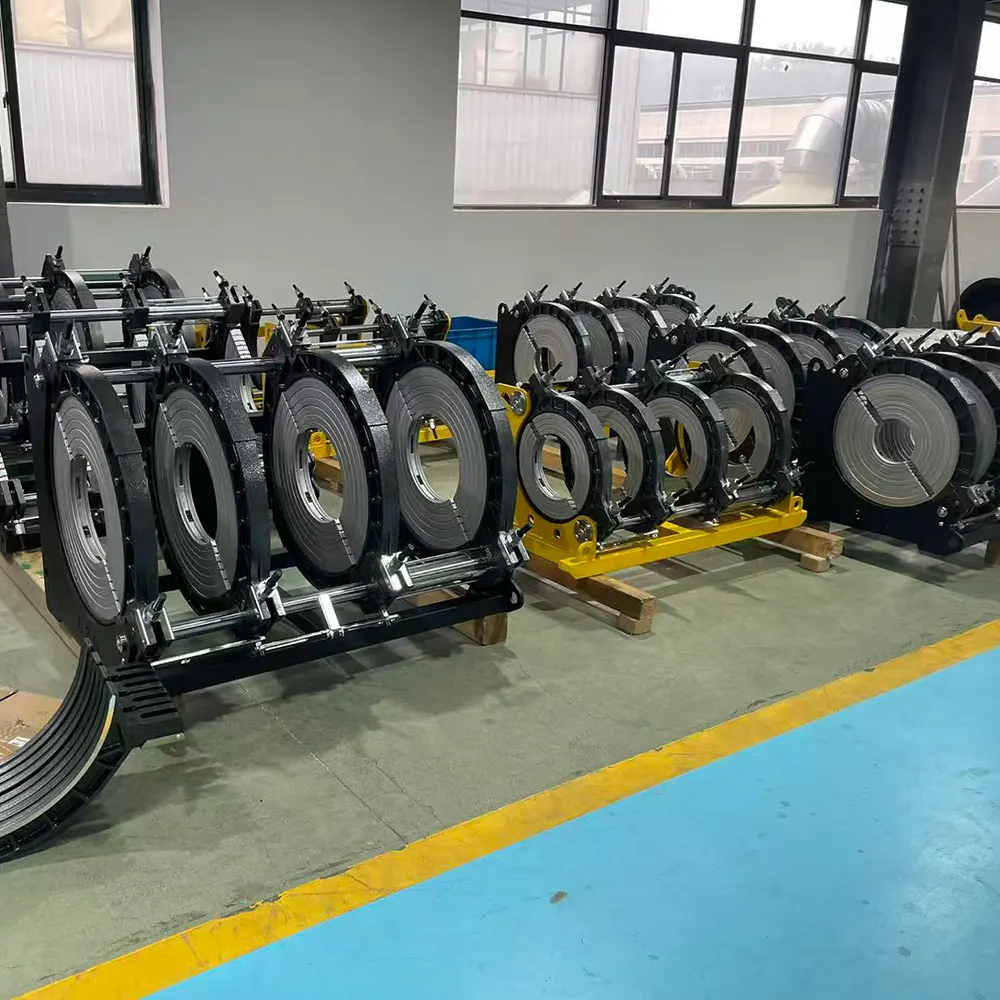
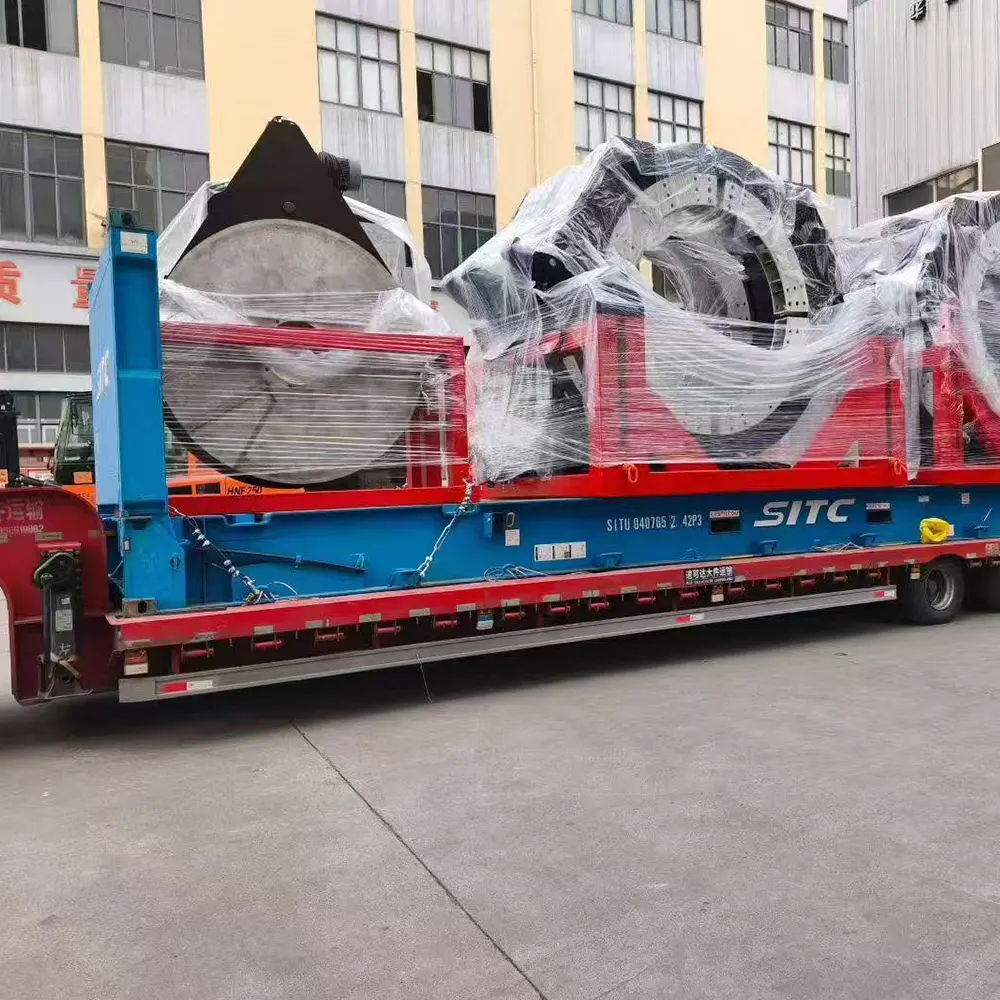
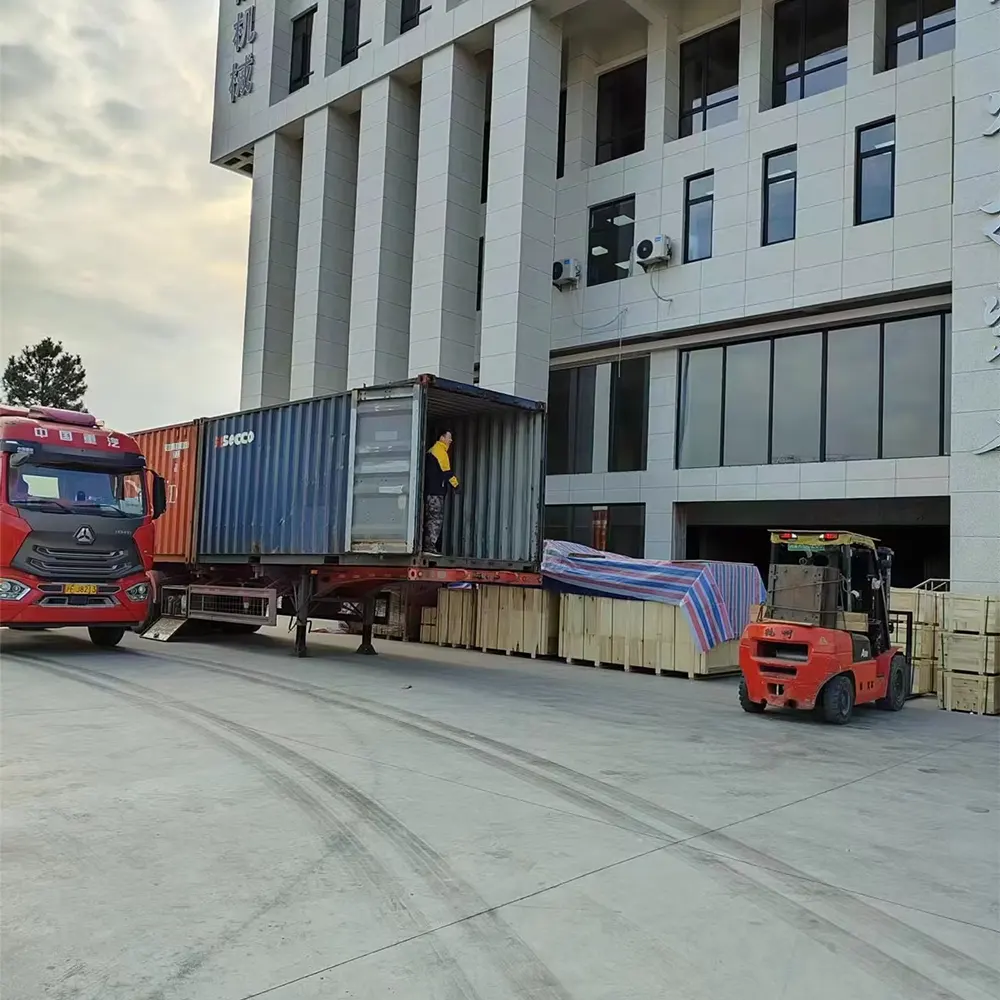
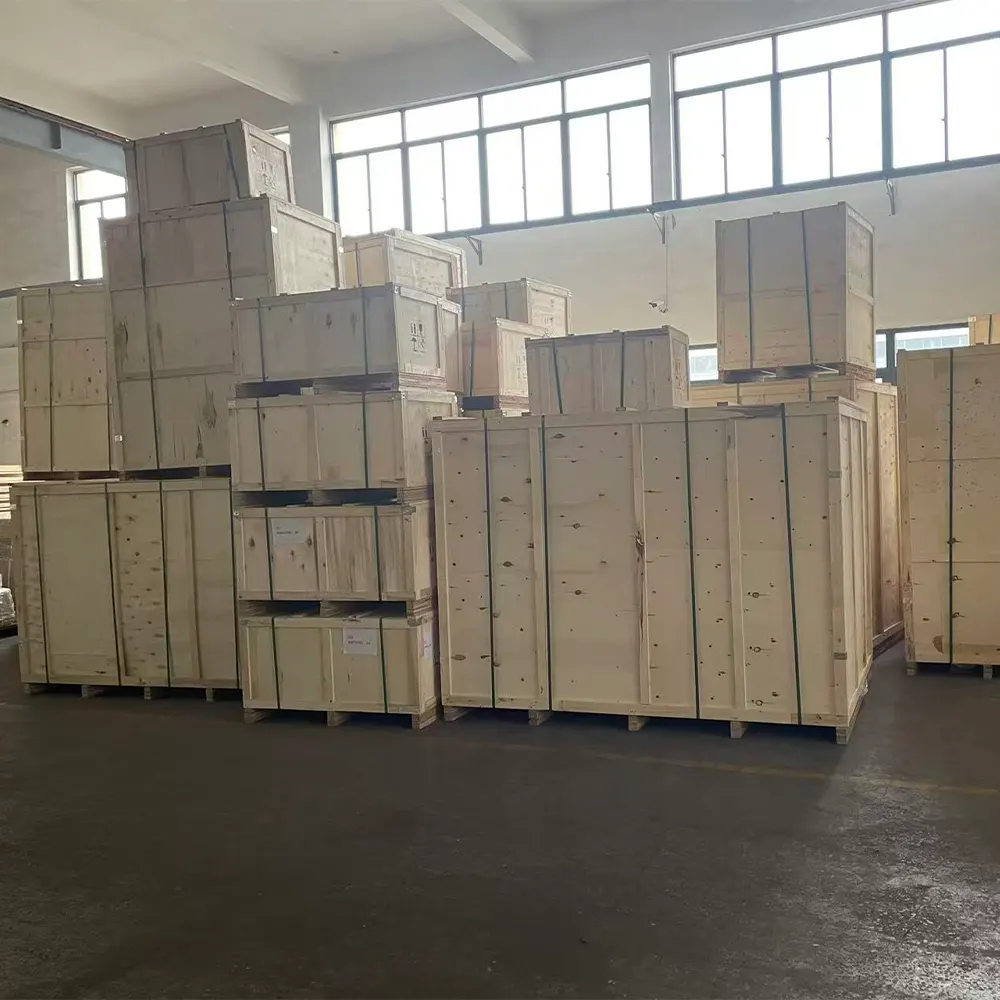
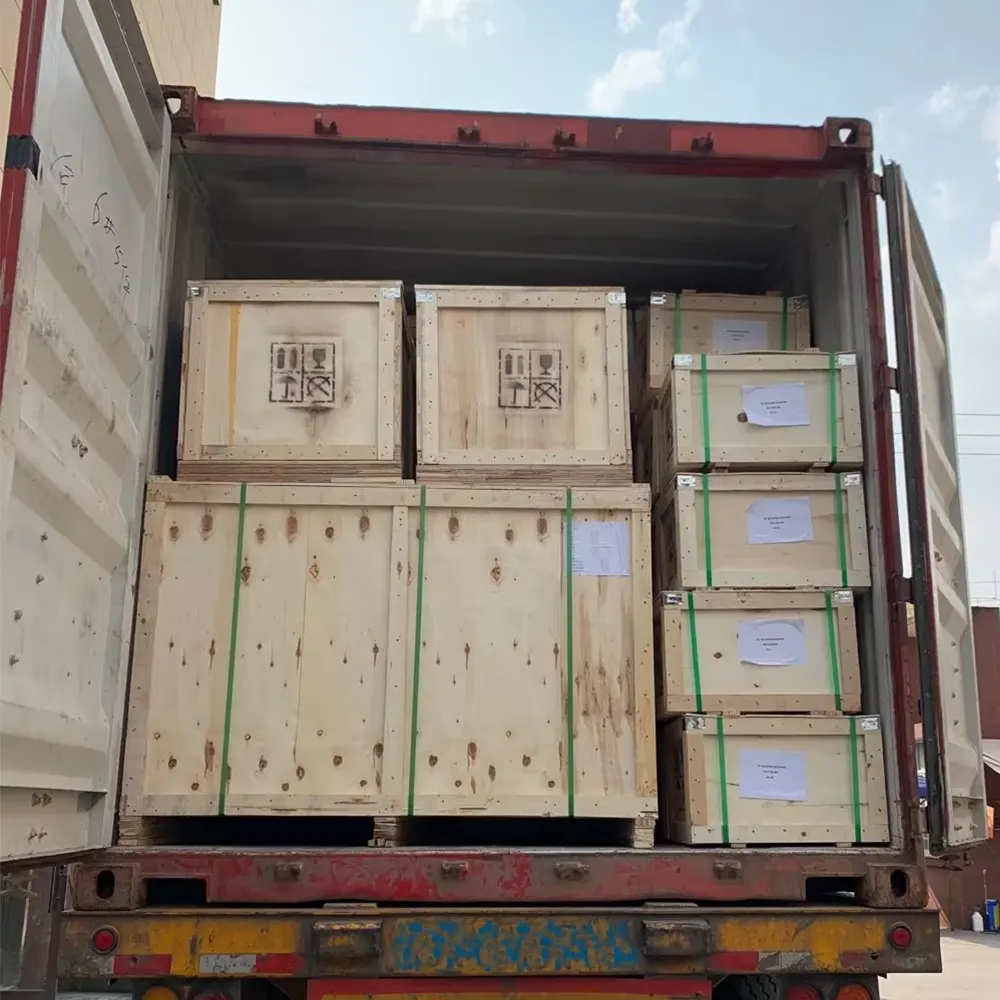
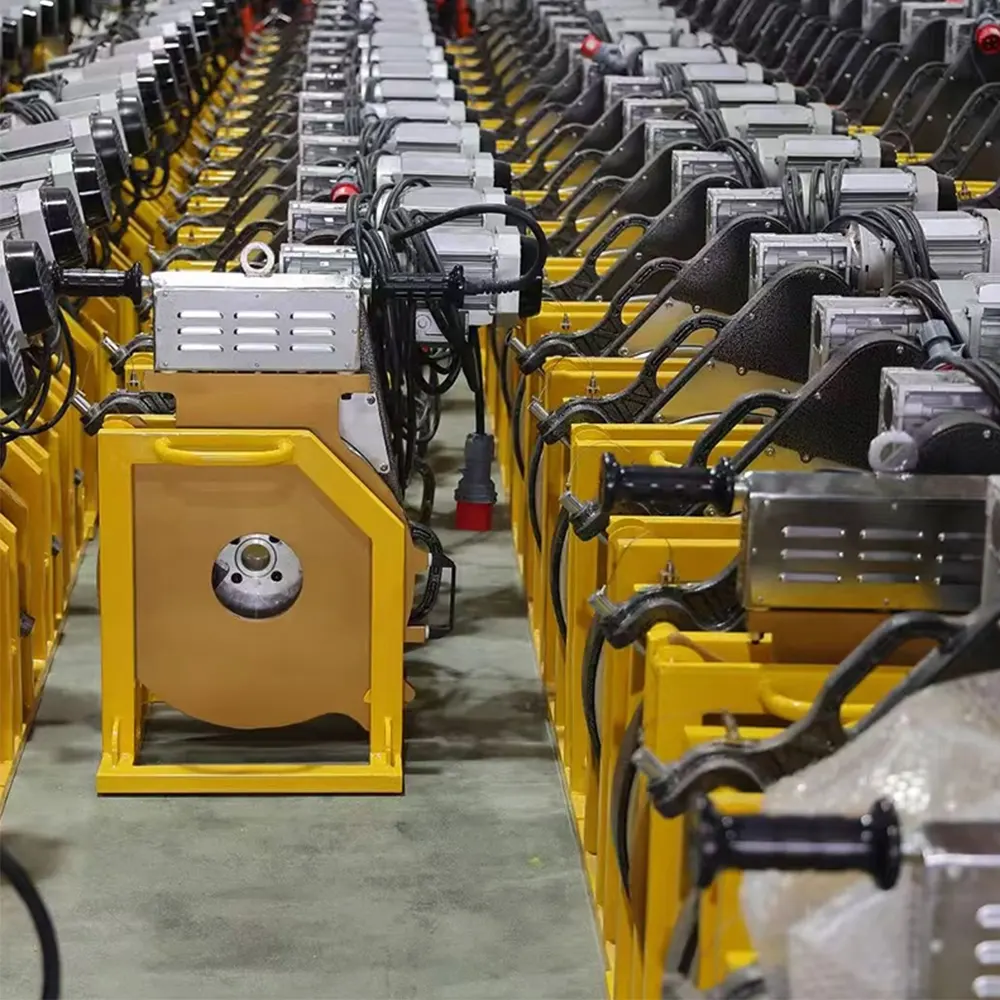
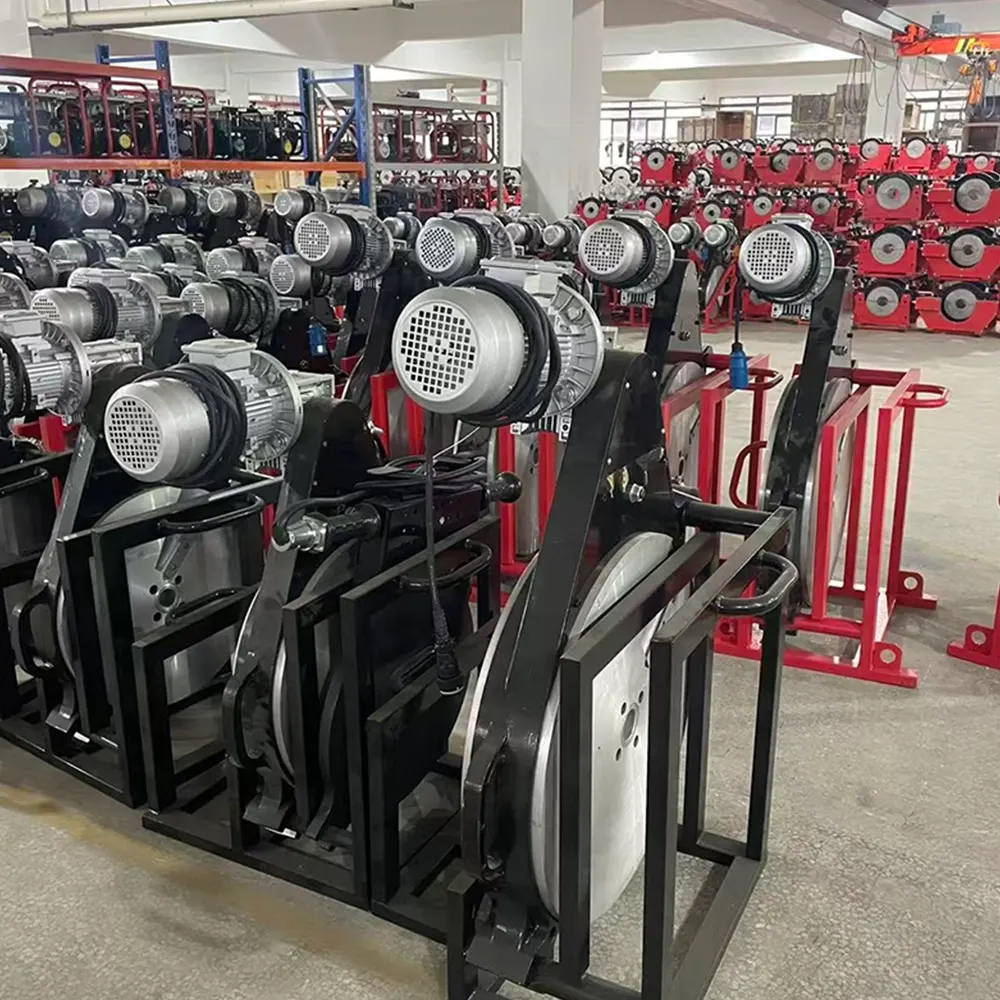
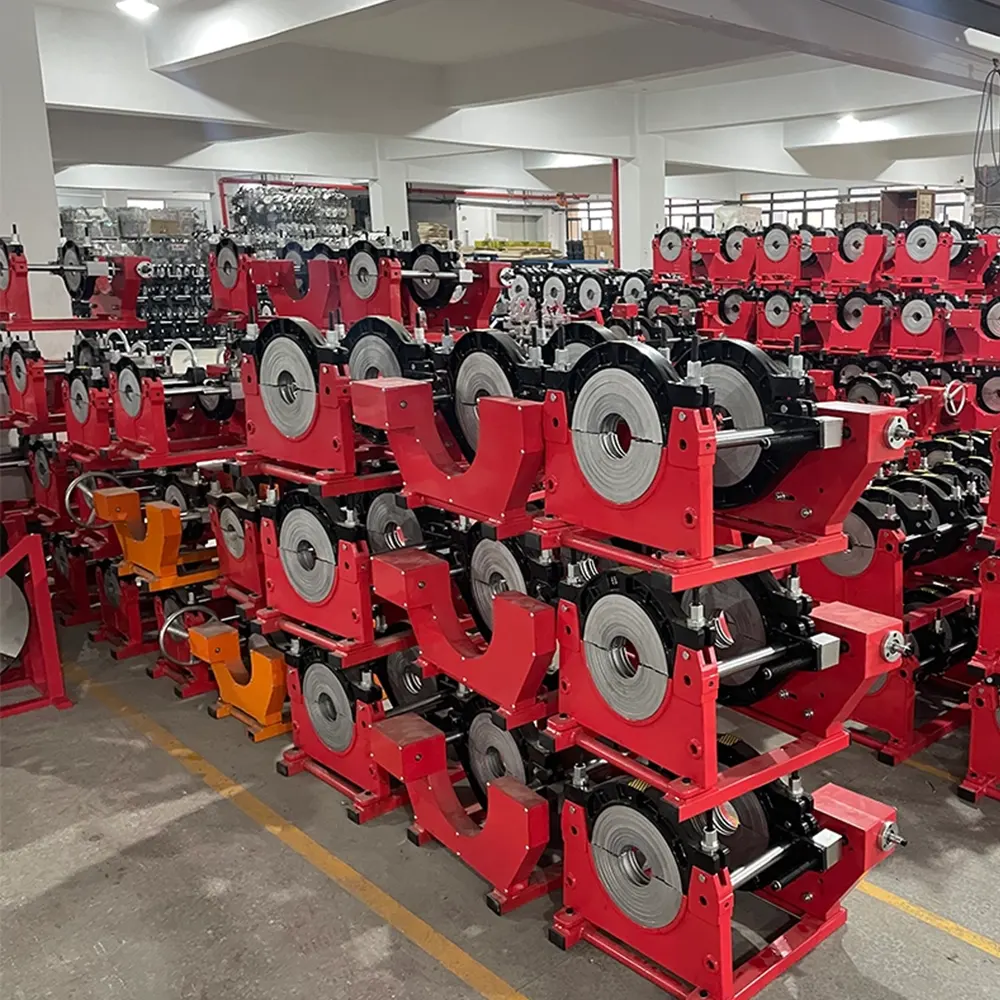
Factory Warehouse & Export Packaging Facility
We maintain extensive inventory reserves across our full product range—from electrofusion control boxes to large-diameter hydraulic butt fusion welding machines—ensuring expedited fulfillment for contractors under strict project deadlines.
Frequently Asked Questions
Expert technical answers regarding electrofusion equipment selection, maintenance calibration, power supply guidelines, and joint validation protocols.
What generator capacity is required to power an electrofusion unit?
For electrofusion fittings up to 200mm, a synchronized generator providing 3.5 kW to 5.0 kW with continuous automatic voltage regulation (AVR) is recommended. For large couplers up to 630mm or 800mm, select a 7.5 kW to 10.0 kW generator to prevent voltage drops during initial high-amperage coil energization.
How frequently should an electrofusion machine be calibrated?
According to PE butt fusion equipment standard (ISO 12176-1) and ISO 12176-2, machines should undergo annual recalibration. Calibration verifies voltmeter accuracy, internal reference shunt resistance, temperature sensor offsets, and current delivery under load.
Can electrofusion connect pipes with different PE material grades?
Yes. Under established PE pipe compatibility guidelines, electrofusion fittings engineered from PE100 or PE100-RC can successfully fuse to PE80, PE100, and PE4710 pipes provided the melt flow rate (MFR) is within compatible limits (MFR 190°C/5kg between 0.2 and 1.4 g/10 min).
What causes typical electrofusion joint aborts and error codes?
The most frequent triggers are fitting coil short-circuits caused by unaligned pipes, resistance mismatch from damaged connector pins, generator frequency drift beyond ±5%, or extreme ambient temperature variances outside the machine’s rated operating envelope (-10°C to +45°C).
Partner with a Leading Electrofusion Machine Supplier
Whether you need standard electrofusion units for urban infrastructure, high-output industrial butt fusion machinery, or customized OEM/ODM branding for international distribution, JQ-Fusion delivers high reliability and 24/7 technical engineering service.
