
Polyethylene Pipe Welding Machine Solutions for Heavy-Duty Infrastructure
Engineered to meet rigorous ISO 21307 butt fusion procedures and ASTM F2620 heat fusion standards. JQ-Fusion delivers high-integrity manual, hydraulic, CNC automatic, and electrofusion equipment designed to achieve 100% leak-proof, monolithic joints across water, municipal gas, and industrial poly pipeline networks.
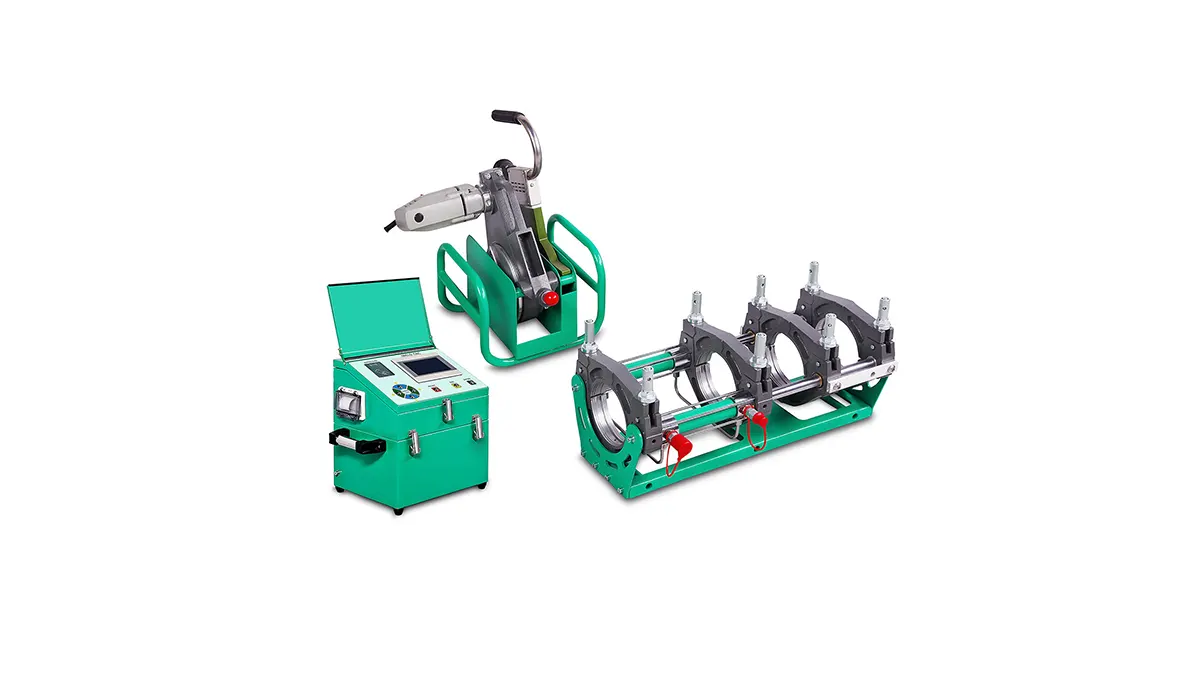
Understanding Polyethylene Pipe Welding Machine Mechanics
Polyethylene (PE80, PE100, PE100-RC, and HDPE) piping has superseded traditional ductile iron and concrete due to its chemical inertia, flexibility, and longevity. A dedicated polyethylene pipe welding machine ensures that joints achieve equal or greater tensile strength than the parent pipe through controlled thermal inter-molecular entanglement.
Molecular Chain Fusion
Operating according to the scientific fundamentals of what is HDPE butt fusion, the equipment heats pipe ends to 200°C–230°C. Under precise interfacial pressure, polymer chains melt, mobilize, and inter-diffuse across the interface before recrystallization under cooling.
Hydrostatic Pressure Rating
Correctly executed butt welds eliminate weak points. Compliant with PE butt fusion equipment standard (ISO 12176-1), the joint sustains cyclic surge pressures, continuous fluid dynamics, and ground seismic shifts without internal flow restriction.
Digital Control & Traceability
Modern CNC automatic units record critical parameters—drag pressure, ambient temperature, heating time, changeover velocity, and cooling cycle—supporting the stringent auditing dictated by PE fusion traceability protocols.
Specialized Polyethylene Pipe Welding Machines
Explore our extensive equipment range engineered for distinct field situations, workshop prefabrication, and high-tolerance pipeline engineering. Fully compatible with Butt Fusion, Electrofusion, and workshop fittings.
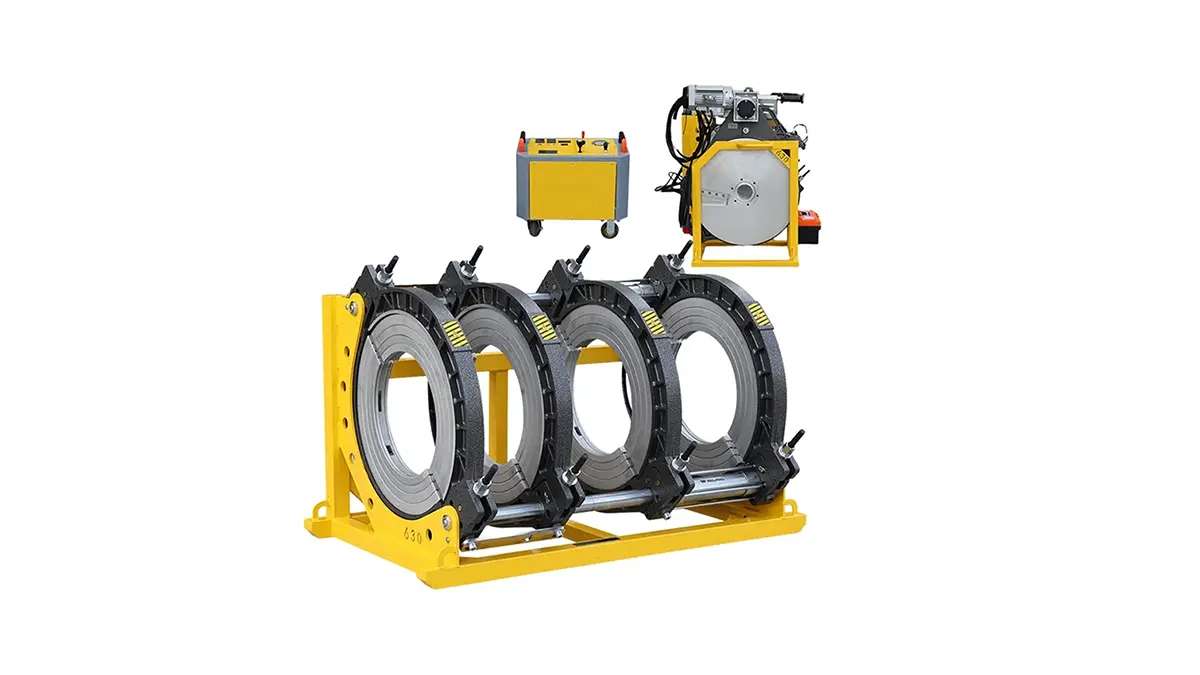
JQH630mm Hydraulic Butt Fusion Welder
Built for heavy infrastructure pipe jointing (315mm to 630mm). Features high-rigidity chassis, PTFE-coated heating plate, and closed-loop hydraulic control.
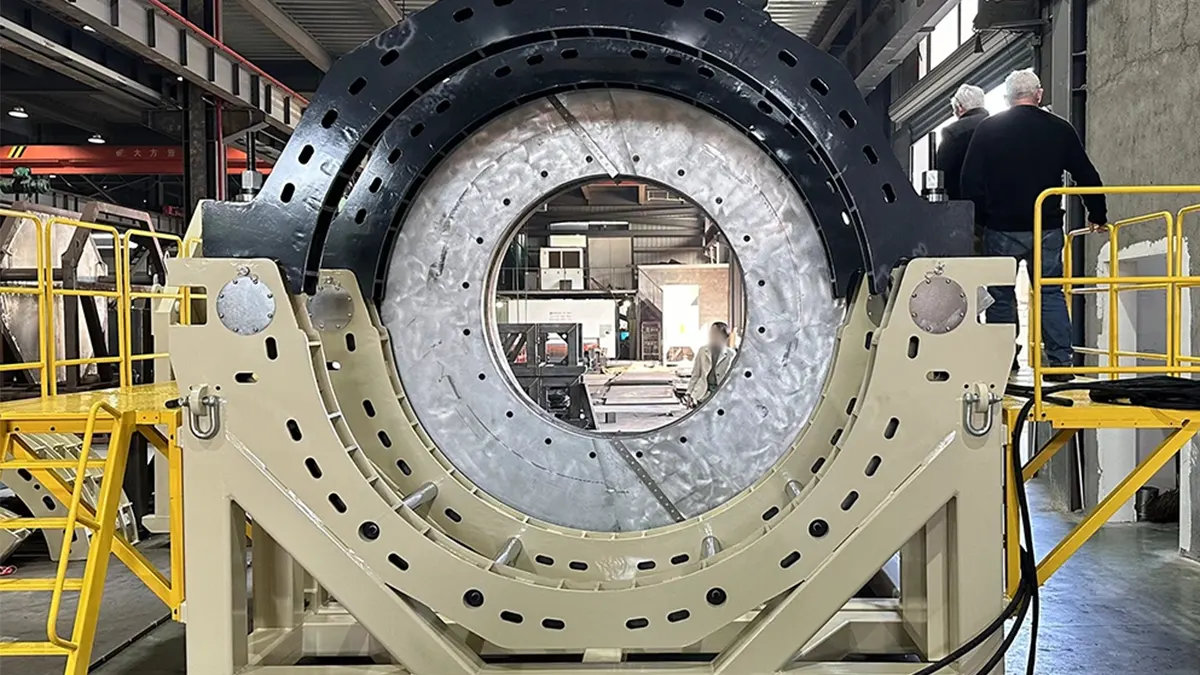
JQH2250mm Heavy-Duty Hydraulic Welder
Designed for mega-diameter water intake and mining slurry mains up to 2250mm. Equipped with crane hoist hooks and reinforced dual-cylinder clamping.
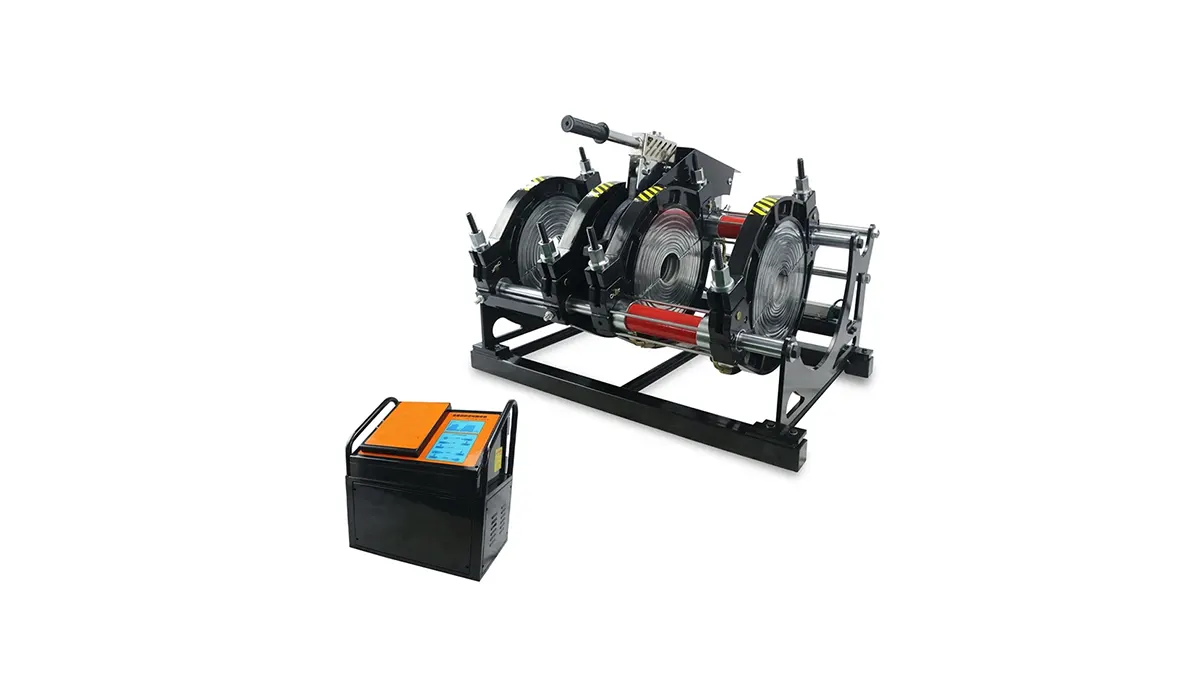
JQA630mm CNC Automatic Welder
Automated fusion cycle according to ISO 21307 with built-in data logger, auto-eject heating mirror, and cloud-compatible quality verification records.
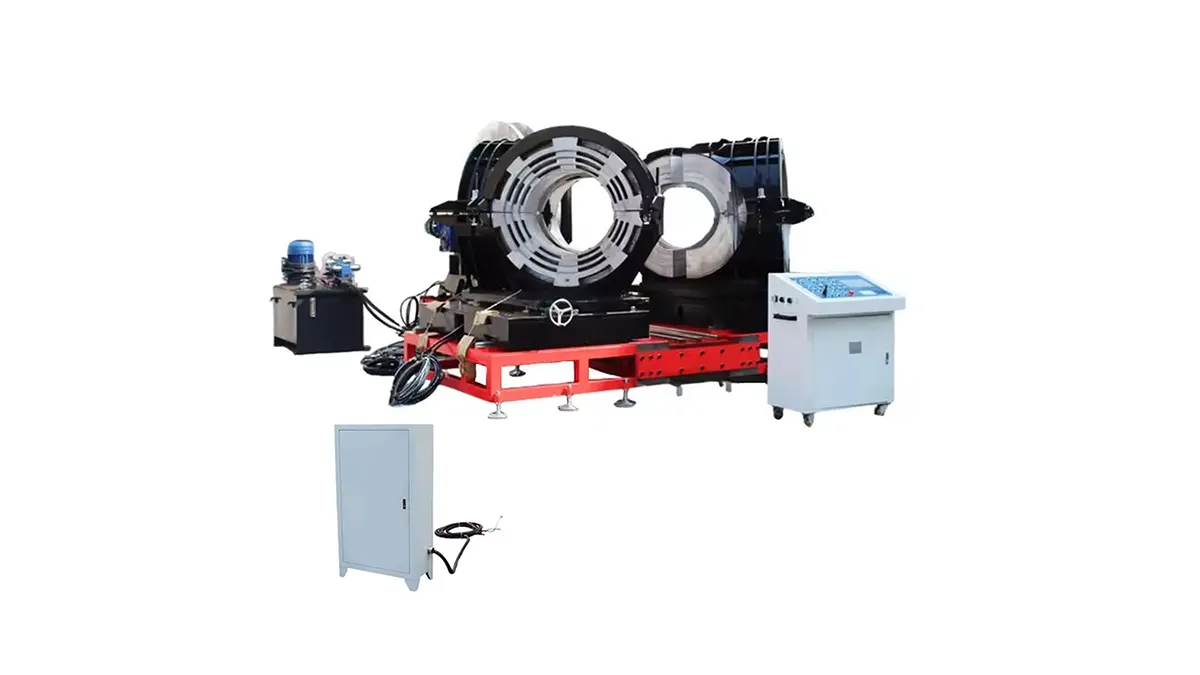
JQMA1200 Workshop Multi-Angle Machine
Fabricate segmented elbow bends, equal tees, crosses, and custom wyes directly inside the workshop according to butt-fused PE fittings standards.
Browse by Core Category:
Technical Comparison Matrix: Polyethylene Pipe Welding Machines
Selecting the optimal system depends on wall thickness ratio (SDR), pipe diameter, field site mobility constraints, and compliance mandates per PPI technical guidance and international engineering standards.
| Welder Category | Diameter Range | Pressure Control | Heater Plate Spec | Primary Compliance Standard | Ideal Application Environment |
|---|---|---|---|---|---|
| Hydraulic Butt Welder (e.g., JQH160 to JQH2250) | 50mm – 2500mm | Hydraulic Power Pack (0–16 MPa) | PTFE Coated, Digital PID Temp Control (±3°C) | ISO 21307 Single/Dual Low Pressure | Mainline water, sewer grids, mining discharge, and industrial runs. |
| CNC Automatic Welder (e.g., JQA160 to JQA630) | 63mm – 630mm | Microprocessor Servo Hydraulic Loop | Auto-Eject, High-Accuracy Thermocouple Sensor | PE piping data coding (ISO 12176-5) | High-risk Natural Gas mains, toxic chemical pipelines, audited municipal networks. |
| Manual Butt Welder (e.g., JQST, JQSY-4M) | 40mm – 250mm | Manual Screw / Hand Lever Mechanism | Teflon Heating Plate with Mechanical Dial | PE socket fusion tools & manual butt | Building plumbing, trench repairs, low-pressure rural irrigation. |
| Electrofusion Machine (e.g., JQEA, JQEB) | 20mm – 800mm | Constant Voltage / Current (8–48V Output) | Embedded Wire Resistance Heating Module | PE electrofusion equipment (ISO 12176-2) | Confined trench tie-ins, service branch saddles, high-density city networks. |
| Multi-Angle Workshop Unit (e.g., JQMA315 to JQMA1600) | 90mm – 1600mm | Multi-axis Hydraulic Clamp Integration | Segmented Dual-Angle Heating System | ASTM F2206 Butt-Fused PE Fittings | Prefabrication plant for custom fittings (bends, tees, crosses). |
Step-by-Step Polyethylene Butt Fusion Process
Achieving long-term joint durability requires strict adherence to international procedures like PPI butt fusion procedure (TR-33) and PE pipe jointing best practices.
Clamping & Ovality Rectification
Mount the polyethylene pipes into the machine clamps. Tighten the hydraulic or mechanical inserts to correct pipe out-of-roundness and secure concentric axial alignment.
Planing & End Facing
Insert the electric planer between pipe ends. Machine both faces until continuous ribbons of plastic shavings appear on both sides, ensuring parallel, oxidation-free interfaces.
Drag Pressure Calculation & Alignment
Measure the system drag pressure (the hydraulic force required to overcome carriage friction). Check radial mismatch (high-low), which must remain below 10% of pipe wall thickness.
Heating & Bead-Up Stage
Position the PTFE heating plate (220°C ± 10°C). Apply initial bead-up pressure until a uniform melt bead forms around the circumference, then drop pressure to soak mode.
Rapid Changeover (Plate Removal)
Disengage the carriage and remove the heating plate within the specified changeover time (typically under 5–12 seconds depending on pipe OD) to avoid premature surface oxidation.
Fusion Jointing & Controlled Cooling
Smoothly ramp up to fusion joining pressure (Welding Pressure = Interfacial Pressure + Drag). Keep clamped under constant pressure throughout the entire cooling duration before unclamping.
Target Infrastructure Applications
Polyethylene pipe welding machines are indispensable across vital industries requiring long-term chemical resistance, trenchless HDD capability, and zero fugitive emissions.
Potable Water & Municipal Sewage
Large-diameter water supply trunks and wastewater pipelines utilize high-density polyethylene for crack-propagation resistance. Complies directly with ISO 4427 PE water pipes and ASTM F714 PE pipe pressure requirements.
Natural Gas Distribution
Fuel gas piping networks demand absolute seal integrity. CNC automatic and hydraulic welders meet PE gas piping systems (ISO 4437) and ASTM D2513 PE gas pipe codes, minimizing risks of gas escapes.
Mining, Dredging & Chemical Pipelines
Abrasive slurry transport and corrosive chemical drainage rely on thick-walled PE100 pipes. Our heavy-duty hydraulic welders weld SDR 7.4 through SDR 17 heavy pipelines without loss of joint ductility, certified under industrial PE piping systems (ISO 15494).
About JQ-Fusion & Production Excellence
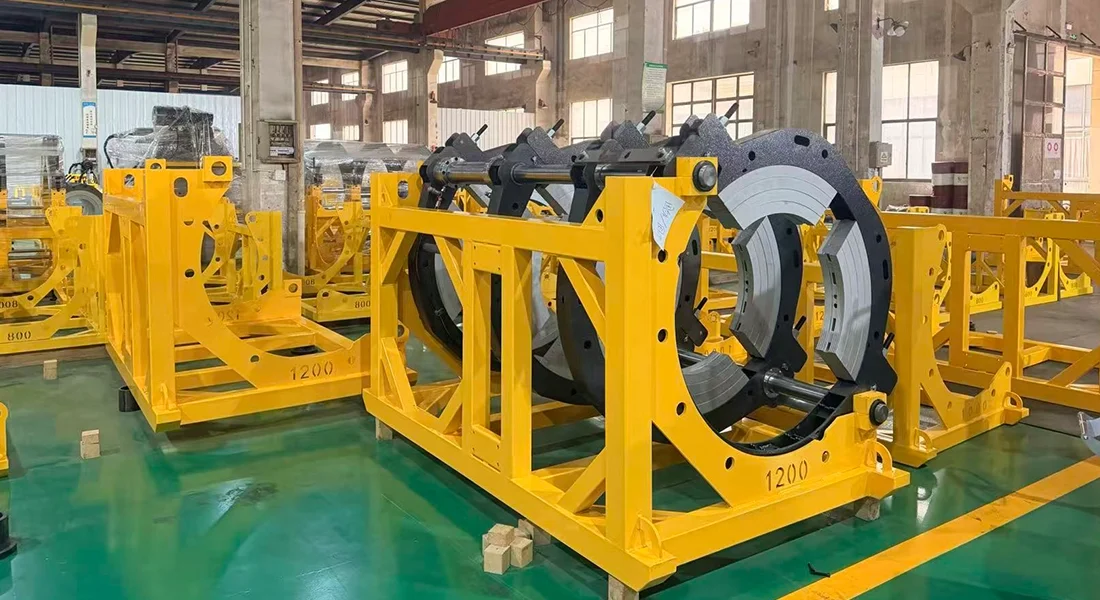
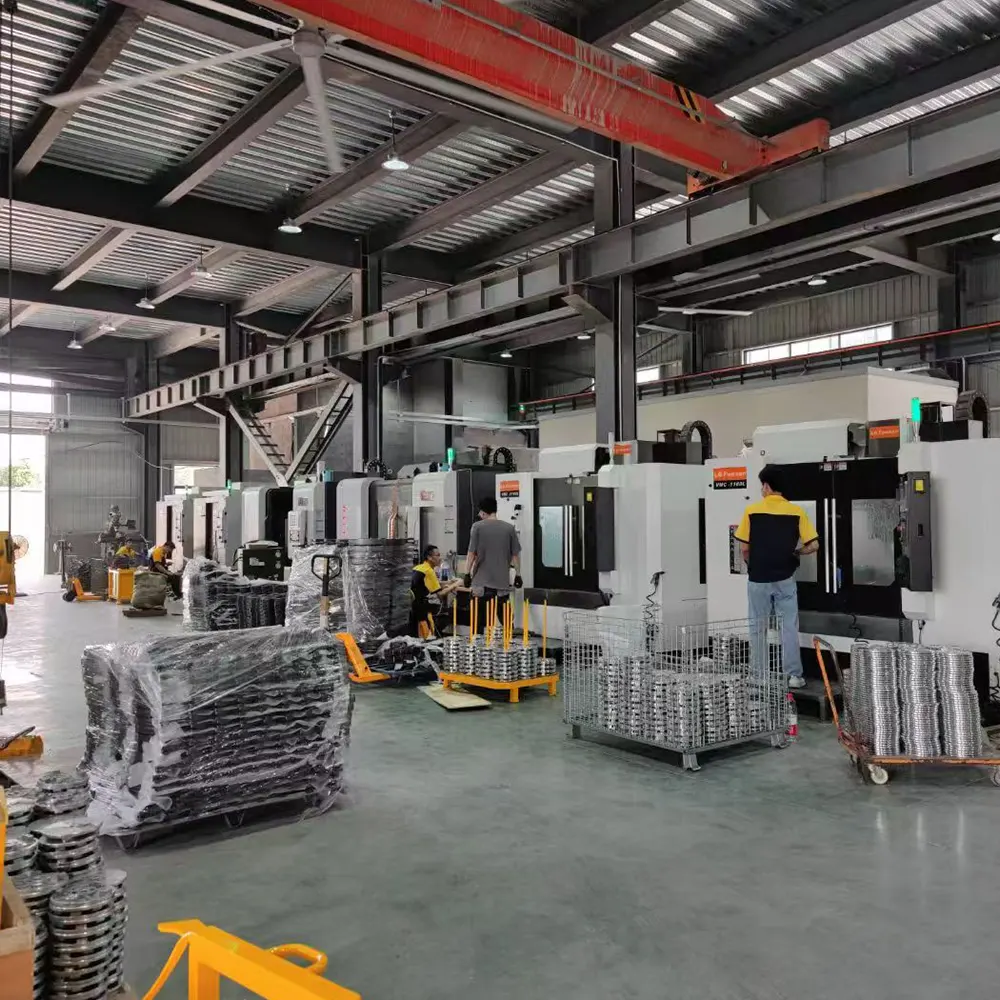
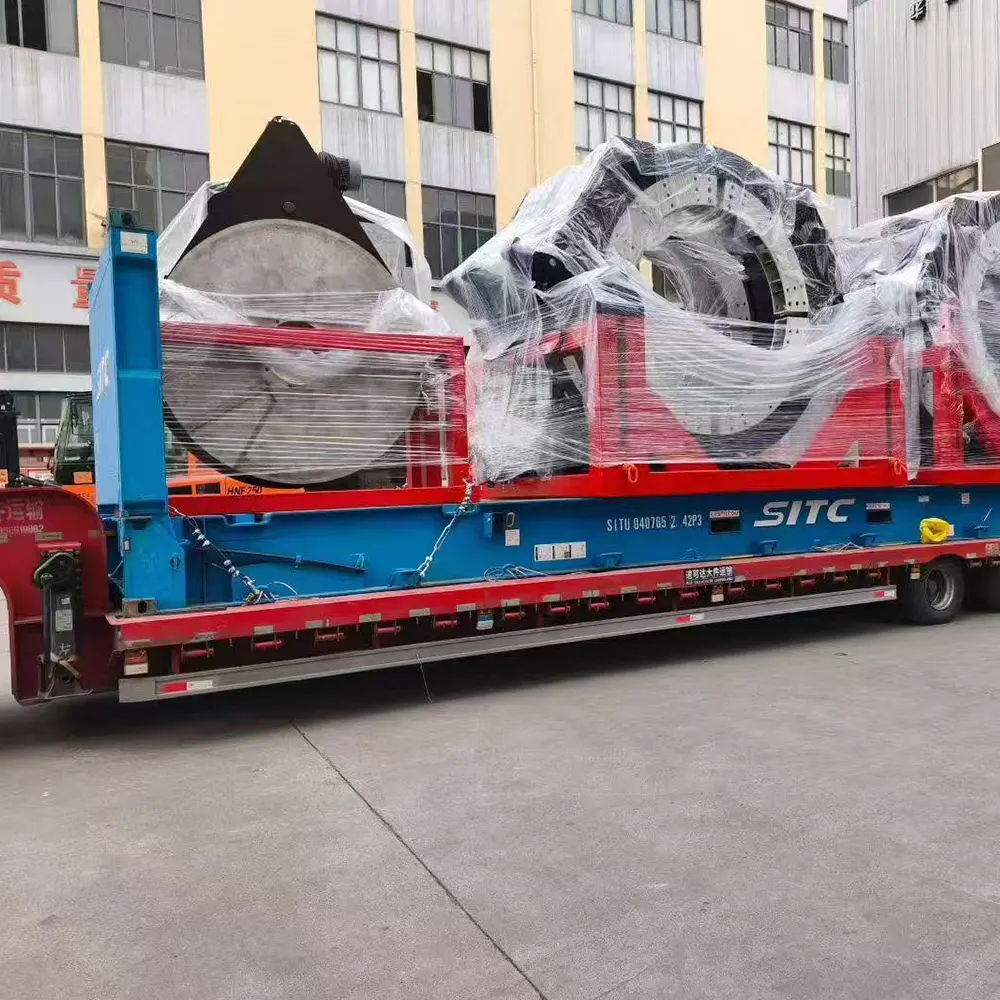
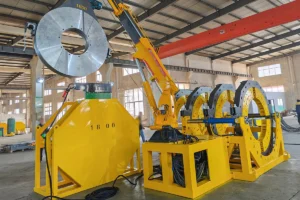
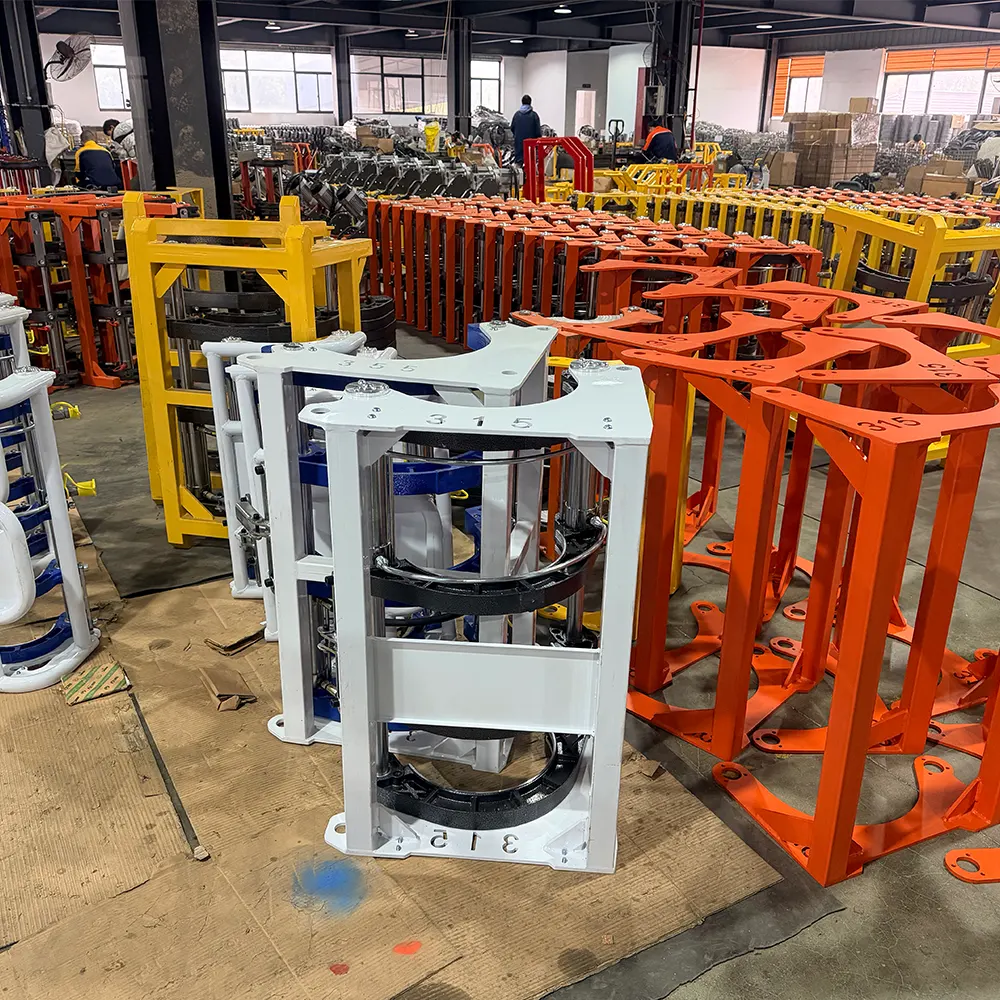
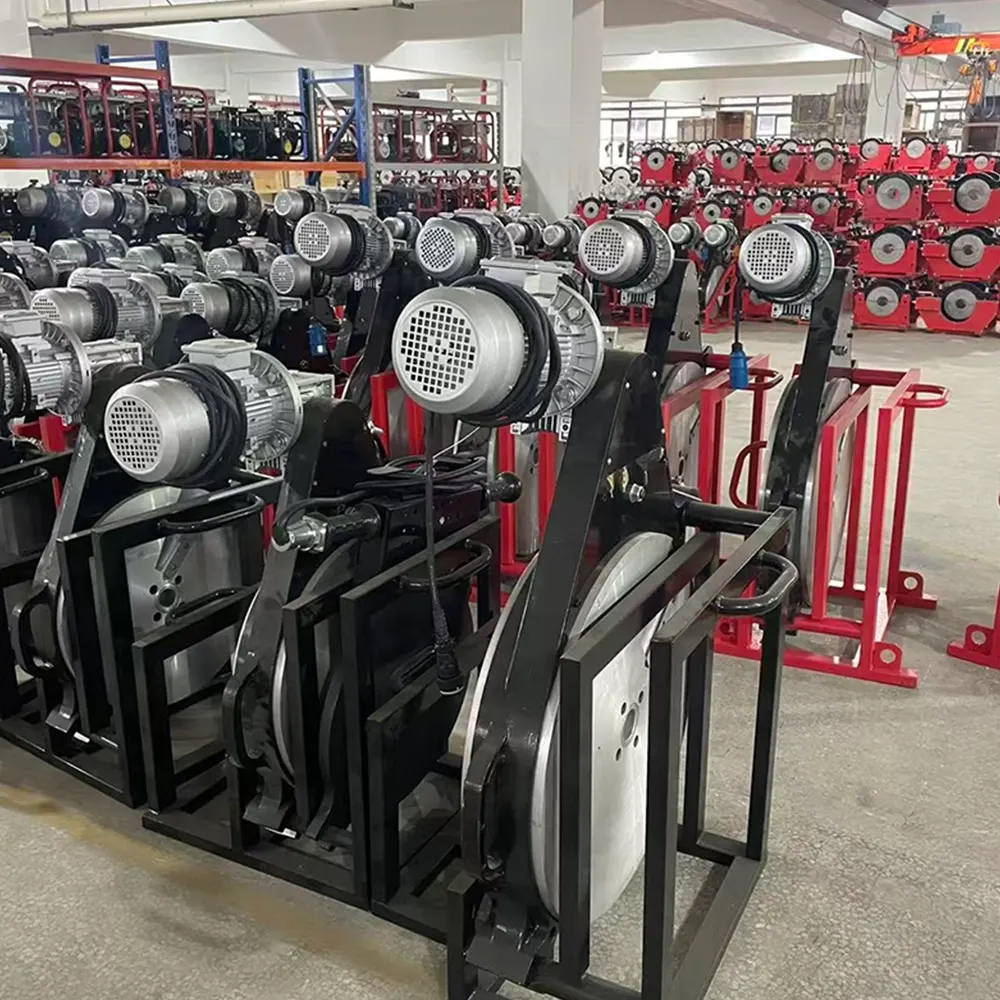
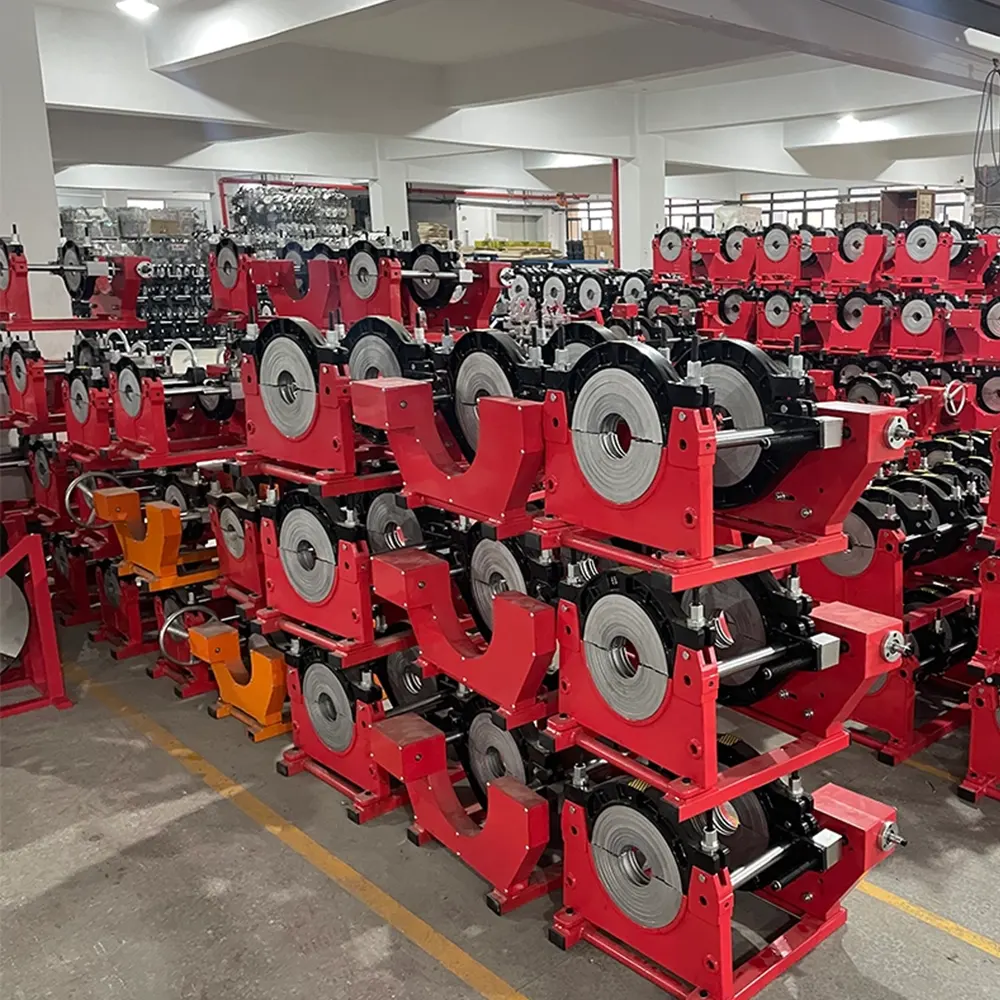
JQ-Fusion is a recognized global manufacturer specializing in advanced HDPE and polyethylene pipe welding machines. From precision manual tools to large-scale CNC hydraulic systems, our plant in Zhengzhou, Henan supplies contractors and distributors across 70+ countries.
- Reliable Welding Performance: Uniform heating distribution with ±3°C tolerance and high-rigidity CNC clamp alignment.
- Turnkey Customization: Tailored OEM/ODM solutions covering custom clamp inserts, system colors, and customer-specific branding.
- Strict Factory Acceptance Testing (FAT): 100% pre-shipment calibration for pressure hold, digital thermometer response, and hydraulic seal tight-test.
- Large Strategic Inventory: Rapid order dispatch supported by substantial warehouses of machines and accessories.
Certified Under Global Quality & Pipeline Safety Standards
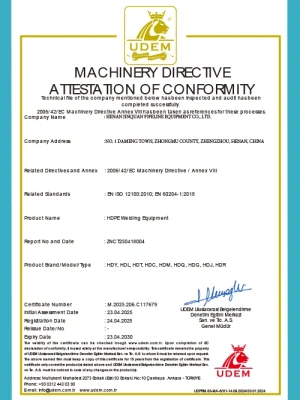 CE Directives Certified
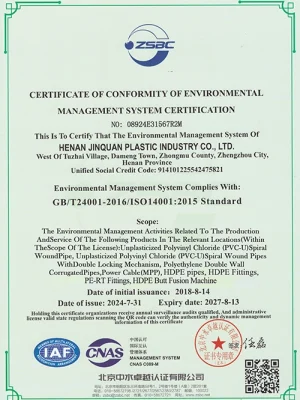 ISO 9001:2015 Management
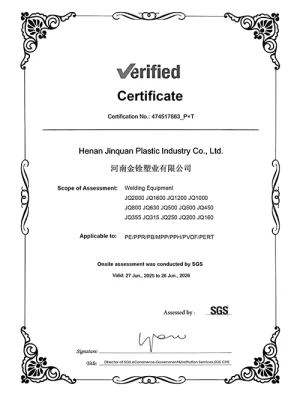 SGS Third-Party Verified
Weld Quality Assurance & Troubleshooting Guide
Ensure zero joint failure during PE pipe hydrostatic leak testing by adhering to strict equipment maintenance and visual bead inspection criteria.
Uniform Double-Bead Visual Assessment
Per PE butt fusion process (PPI TN-51), a sound joint displays a uniform, rollover double bead around the entire exterior. Beads that are too narrow indicate insufficient joining pressure or low soak temperature; excessively flat beads signify excessive pressure during joining.
Heater Plate PTFE Coating Maintenance
Any scratch or degradation on the non-stick PTFE coating causes molten polyethylene adhesion, inducing cold spots and localized voids. Clean only with lint-free cotton cloths and isopropyl alcohol while the plate is warm. Never use abrasive wire brushes or metallic blades.
Hydraulic Pressure Calibration & Oil Checks
Air trapped inside the hydraulic lines causes gauge bounce and inaccurate clamping force. Periodically bleed the hydraulic quick-connect cylinders, verify anti-wear hydraulic oil levels (ISO VG 46/68), and calibrate the main analog/digital pressure gauge twice annually.
Operator Qualification & Badge Compliance
Technicians operating high-pressure equipment must be trained under recognized frameworks such as PE fusion operator requirements (ISO 12176-3) and heat fusion operator qualification (ASTM F3190) to minimize human-induced weld variances.
Frequently Asked Questions & Support
Find rapid technical guidance below, or reach out directly to our engineering support division for project consultations.
What is the difference between Butt Fusion and Electrofusion machines?
Butt fusion directly heats pipe ends via a hot mirror and joins them under axial hydraulic force, ideal for long cross-country runs. Electrofusion uses specialized fittings with internal copper coils energized by a control box, preferred for in-trench repairs, tie-ins, and small branch connections. Refer to butt fusion vs electrofusion guidance.
Can your machines weld different PE pipe grades (PE80 to PE100)?
Yes. According to PE pipe compatibility guidelines, PE80 and PE100 can be fused together if their Melt Flow Rate (MFR) values match within standard bounds (0.2–1.4 g/10 min at 190°C/5kg).
What is included in the standard JQ-Fusion hydraulic welder package?
Each complete package includes the Basic Frame Chassis with heavy aluminum clamps, Hydraulic Unit with digital gauge, PTFE-coated Heating Plate with PID controller, Electric Planer (Facing Tool), Support Stand, and full sets of reducer clamp inserts for all sub-diameters.
How do you support OEM/ODM branding and custom voltages?
We provide factory custom voltage configurations (220V/380V/415V/440V, 50/60Hz single or 3-phase), customized frame colors, specialized narrow clamps for tight fittings, and client logo engraving.
Request Technical Quote
Need machine selection help or custom pricing? Our global application engineers are available 24/7.
