
PE Pipe Butt Welding Machine for Reliable Joints
Engineered for uncompromising joint integrity, high-efficiency field operations, and strict adherence to global fusion standards across municipal, gas, and industrial infrastructure projects.
The Mechanics of High-Integrity Polyethylene Fusion
In modern pipeline infrastructure, the durability of high-density polyethylene systems relies fundamentally on molecular homogeneity. A PE pipe butt welding machine acts as the central apparatus for solid-phase and viscoelastic bonding. By applying strictly controlled thermal cycles and calibrated hydraulic pressure, the system transforms two distinct pipe ends into a continuous, monolithic flow conduit.
When properly welded, a butt fusion joint exhibits tensile strength, pressure endurance, and chemical resistance equivalent to or exceeding the parent pipe body itself.
Standardized joining procedures, such as ISO 21307 butt fusion procedures and ASTM F2620 heat fusion, mandate absolute control over facing squareness, melt bead dimension, heat soak duration, inter-phase transfer time, and prolonged cooling under continuous pressure.
Pressure Calibration
Accurate interfacial pressure calculation ensures proper melt-layer displacement without starving the joint interface of essential polymer chains.
Thermal Stability
Microprocessor-regulated PTFE heating plates maintain surface uniformity within ±5°C, preventing localized thermal degradation of PE resin.
Axial Planar Facing
High-torque motorized planers create perfectly flat, perpendicular pipe ends, clearing oxidized surface layers for optimal fusion readiness.
Controlled Cooling
Ensures full recrystallization under pressure, eliminating residual thermal stress and micro-void formation within the fusion bead structure.
Butt Fusion Machine Configurations
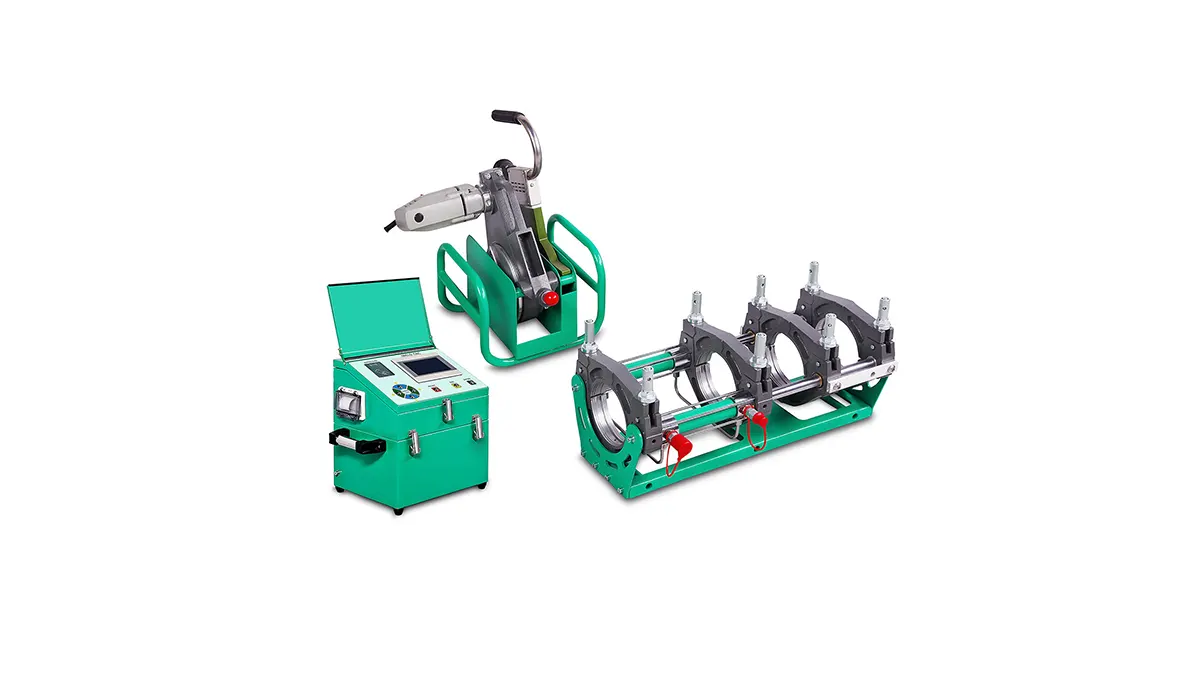
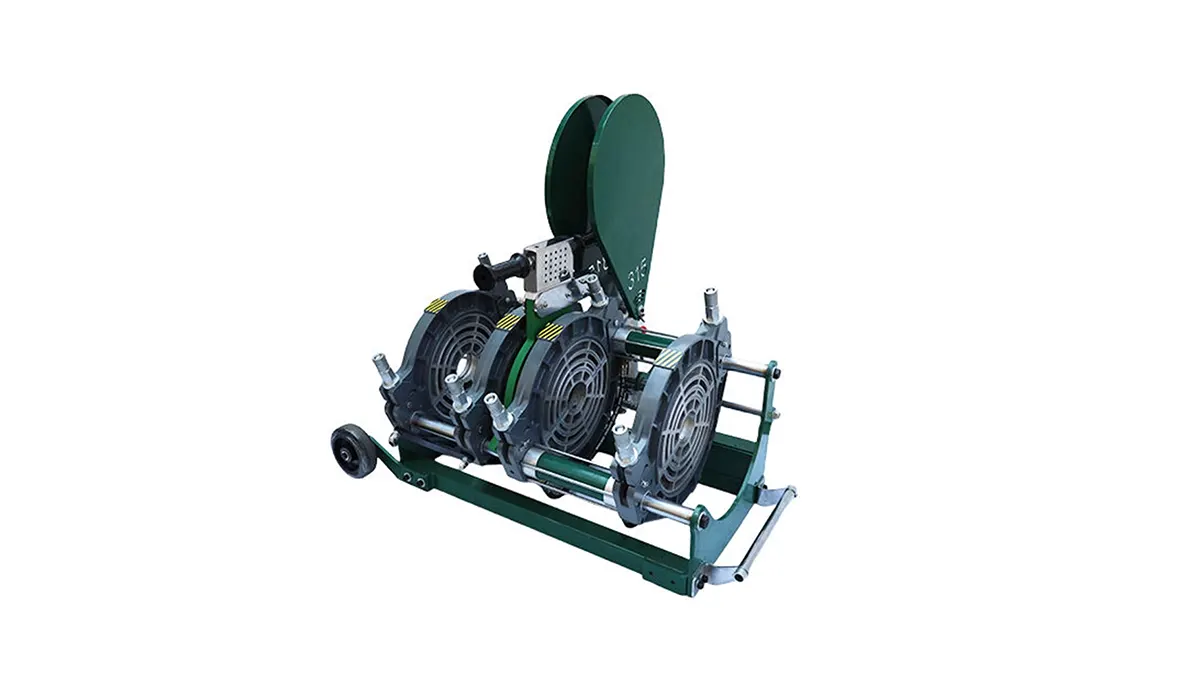
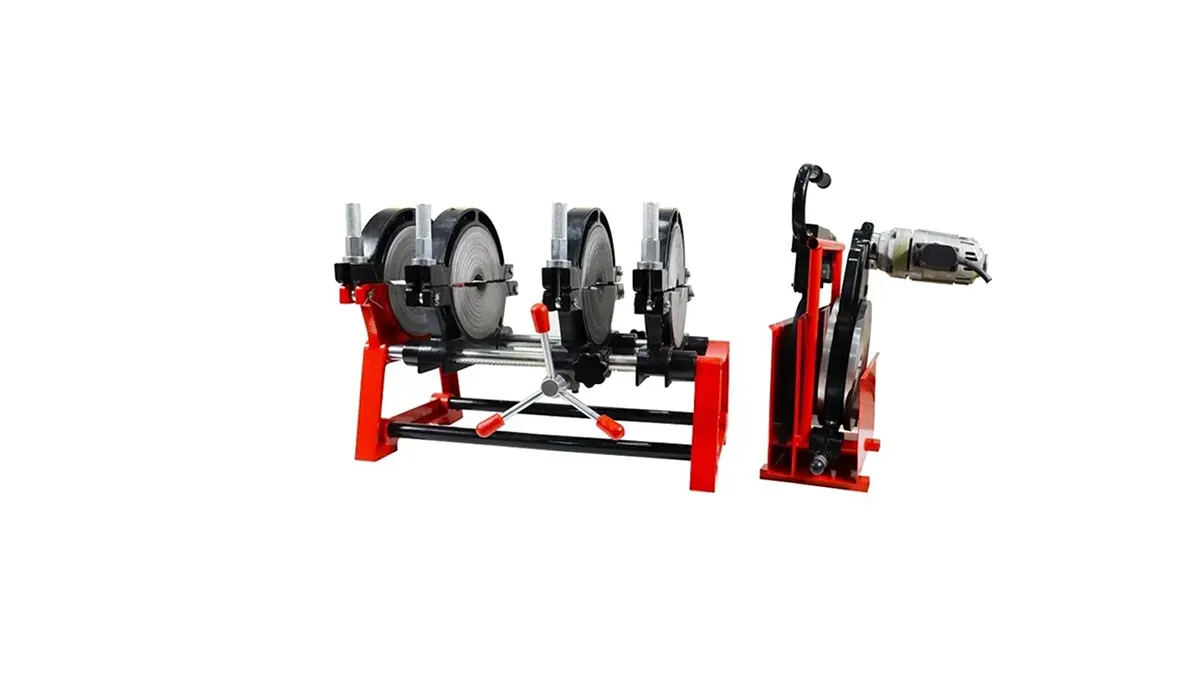
Manual Butt Fusion
Designed for small-diameter service connections, trench repairs, and plumbing installations where tight space and mobility are paramount.
- Diameter Range: 40mm – 160mm / 250mm
- Drive Mode: Screw / Lever Drive
- Operation: Field Manual Force
- Weight: Ultra-lightweight alloy
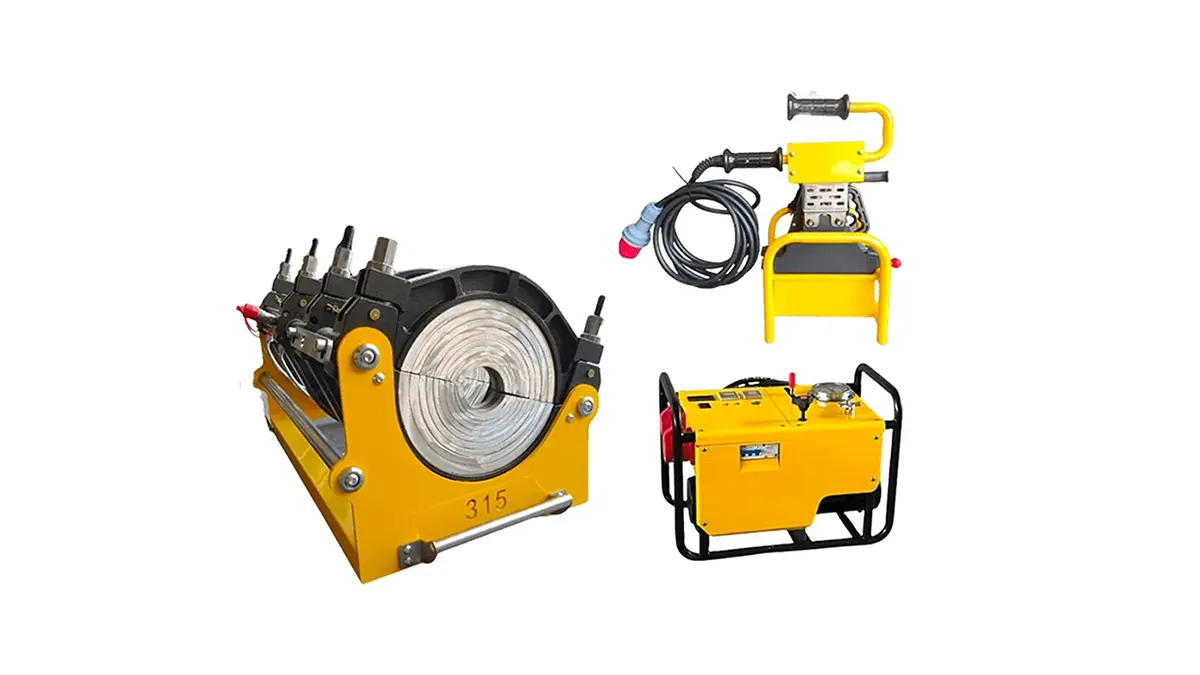
Hydraulic Butt Fusion
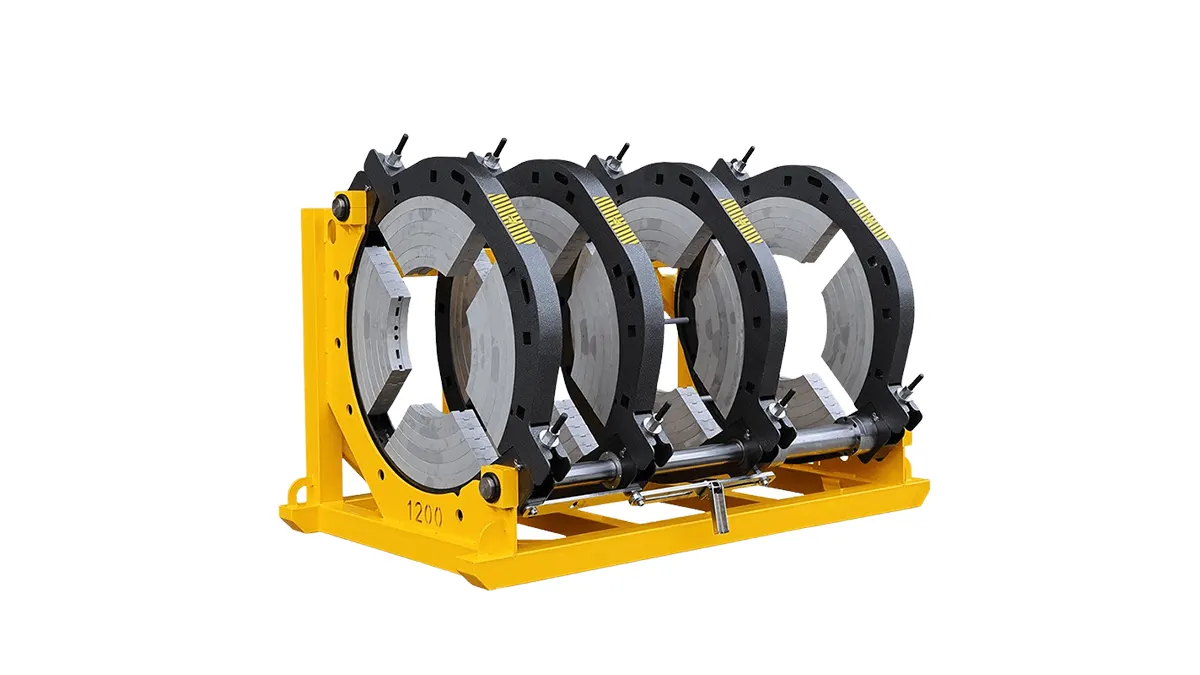
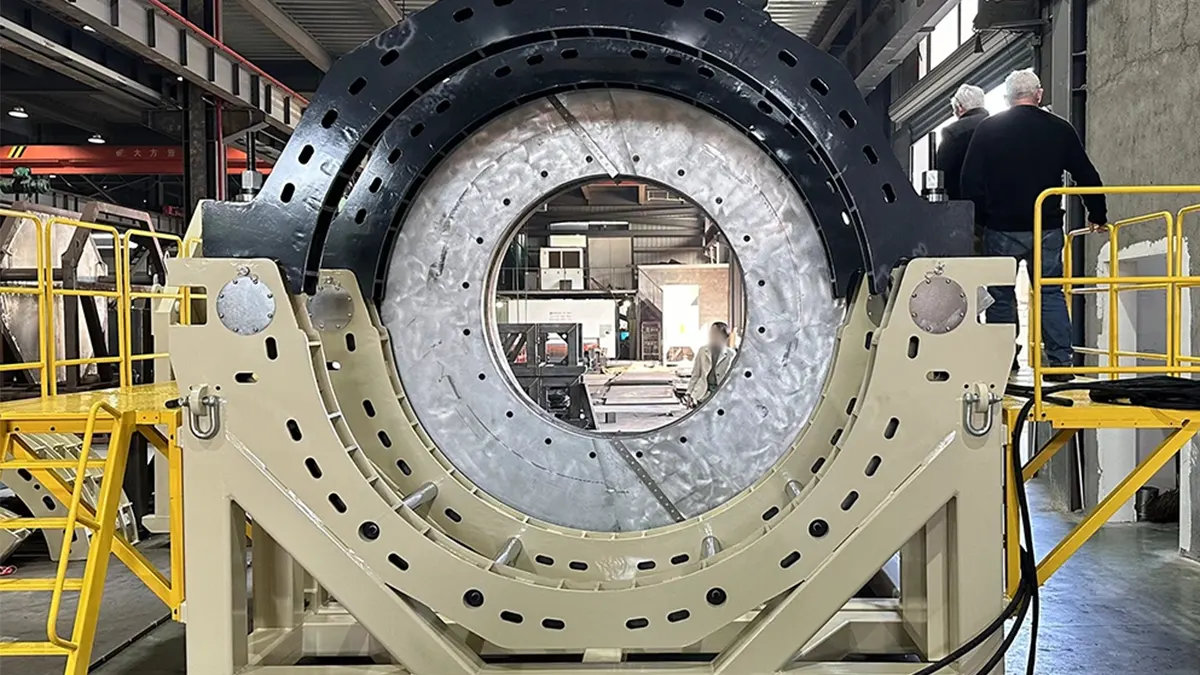
The workhorse for municipal water mains, industrial fluid systems, and gas distribution, utilizing continuous hydraulic pressure units.
- Diameter Range: 63mm – 2000mm+
- Drive Mode: Electro-hydraulic Unit
- Pressure Control: Manometer & Accumulator
- Standard: ISO 12176-1 Compliant
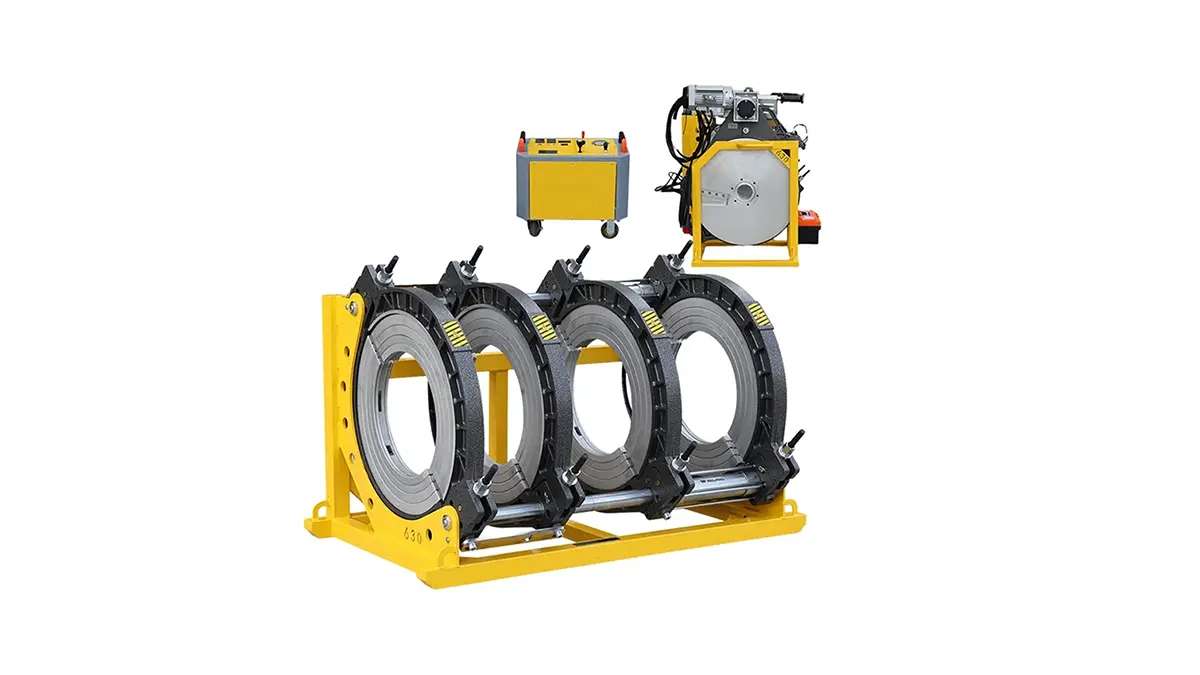
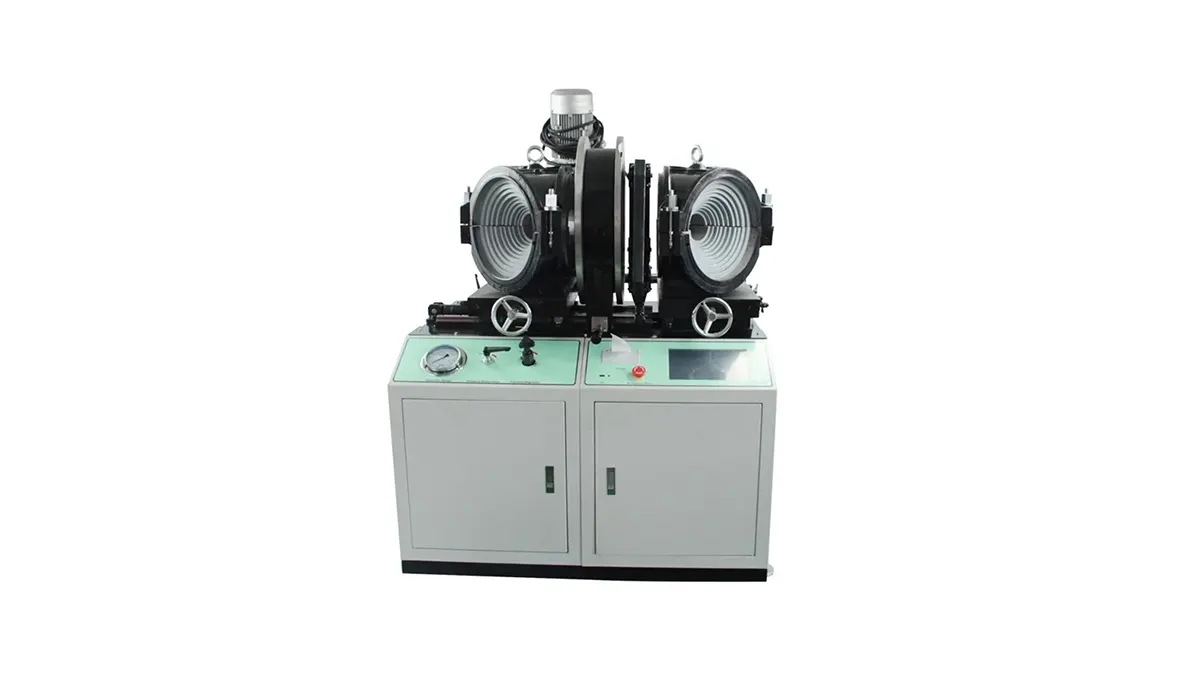
CNC Automatic Fusion
Automated execution of every fusion parameter with complete data logging, trace code scanning, and automated pressure-temperature tracking.
- Diameter Range: 160mm – 630mm+
- Drive Mode: Full PLC Automation
- Traceability: ISO 12176-4 Data Logging
- Interface: Touch Screen / USB Export
Featured Butt Welding Equipment
Standardized Joining Protocol & Parameters
Clamping & Alignment
Secure pipes in rigid aluminum clamps. Verify concentricity and minimize radial high-low mismatch below 10% wall thickness.
Facing & Trimming
Motorized planing tool mills continuous ribbon shavings, producing parallel faces and stripping surface oxidation.
Pre-Bead & Soak
Apply heat soak pressure to form initial bead, then drop to drag pressure to build an internal melt reservoir without forcing material out.
Rapid Changeover
Withdraw heating plate smoothly within strictly specified seconds to prevent melt pool cooling or atmospheric contamination.
Fusion & Cooling
Bring pipe faces together, ramping up to fusion pressure. Maintain pressure until crystalline polymer matrix solidifies fully.
| International Standard | Governing Body | Primary Application Scope | Typical Interfacial Pressure | Data Traceability Requirement |
|---|---|---|---|---|
| ISO 21307 High Pressure (Single Low / Dual) | ISO / International | Water (ISO 4427 PE water pipes), Gas, Industrial | 0.17 N/mm² (Low) / 0.52 N/mm² (High) | Mandatory per PE fusion traceability |
| ASTM F2620 Heat Fusion | ASTM International | Pressure Gas (ASTM D2513 PE gas pipe), Potable Water | 60 to 90 psi (0.41 to 0.62 MPa) | Required for DOT PHMSA regulated infrastructure |
| DVS 2207-1 Welding Protocol | German Welding Society | Chemical Industry (industrial PE piping systems), Civil Mains | 0.15 N/mm² constant joining cycle | Full temperature, drag, and time logging |
| PPI TR-33 Butt Fusion Procedure | Plastics Pipe Institute | Municipal Infrastructure, Trenchless HDPE | 75 psi (Interfacial) | Recommended per PPI technical guidance |
Certified Manufacturing & Quality Rigor
Reliable joint integrity begins with stringent equipment manufacturing tolerances. At JQ-Fusion, every PE pipe butt welding machine undergoes multi-stage validation before dispatch, including hydraulic circuit load testing, chassis deflection analysis under maximum clamp clamping force, and thermal plate surface mapping.
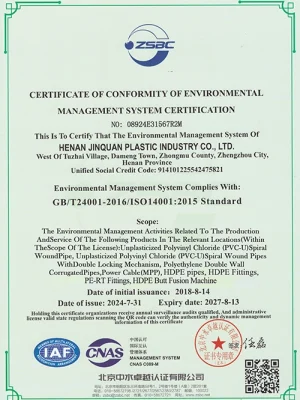
- ISO 9001:2015 certified quality management governing fabrication, testing, and service workflows.
- Conformity with ISO 12176-1 equipment build standards for polyethylene butt fusion systems.
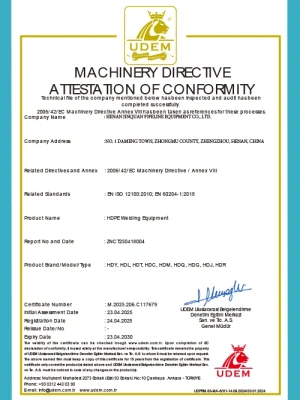
- CE Certification verifying electrical safety, electromagnetic compatibility, and low-voltage compliance.
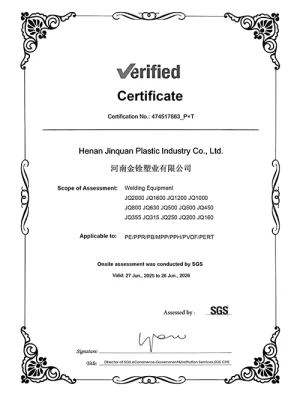
- Third-party verification through SGS inspection for dimensional tolerance and hydraulic endurance.
About JQ-Fusion
JQ-Fusion is a professional manufacturer specializing in HDPE pipe welding machines, providing reliable butt fusion solutions for global infrastructure projects. With years of dedicated industry experience, we focus on the development and production of manual, hydraulic, and CNC automatic butt fusion welding machines, covering a wide range of pipe sizes from small diameters up to 2250mm.
Our systems are deployed across municipal water supply networks, natural gas distribution grids, mining slurry conduits, marine intake/outfall lines, and demanding industrial chemical process plants worldwide. Supported by advanced manufacturing facilities, precise CNC machining centers, and strict quality control protocols, JQ-Fusion has built long-term partnerships with distributors and civil contractors across more than 60 countries.
From standard field units to tailored OEM/ODM configurations, we help engineering teams achieve efficient, repeatable, and completely leak-free pipe welding operations in any job site environment.
1. Reliable Welding Performance
Stable heating plate thermal mapping and precise aluminum clamp alignment guarantee consistent fusion geometry across every joint.
2. OEM/ODM Custom Solutions
Tailored hydraulic configurations, custom clamping inserts, localized digital interfaces, and specialized chassis color coatings to match brand specifications.
3. Large Ready Inventory
Strategic warehousing of fully assembled machines, spare heating plates, and replacement planers ensures rapid dispatch for mission-critical project timelines.
Production Capacity & Global Warehousing
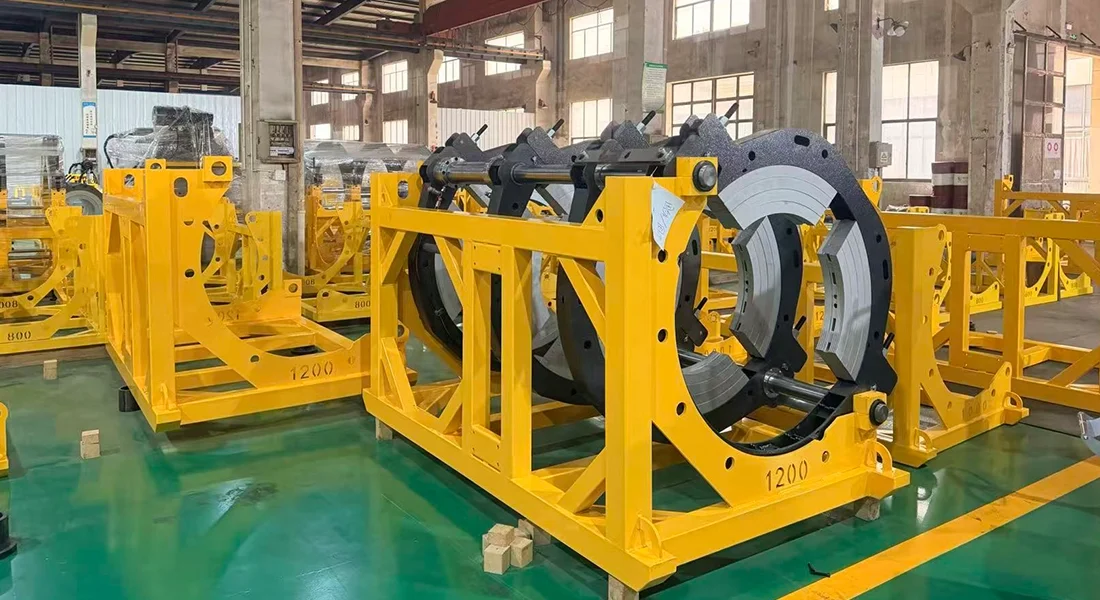
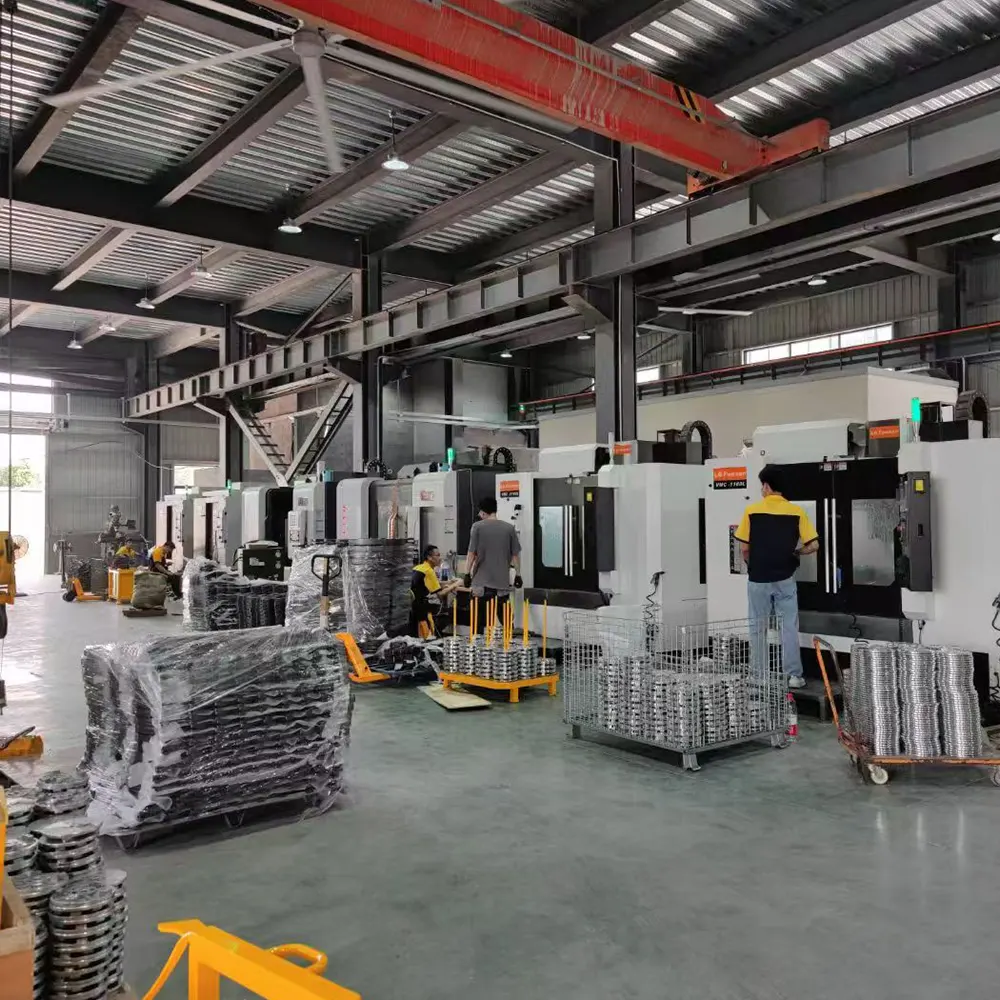 Hydraulic Machine Assembly Hall
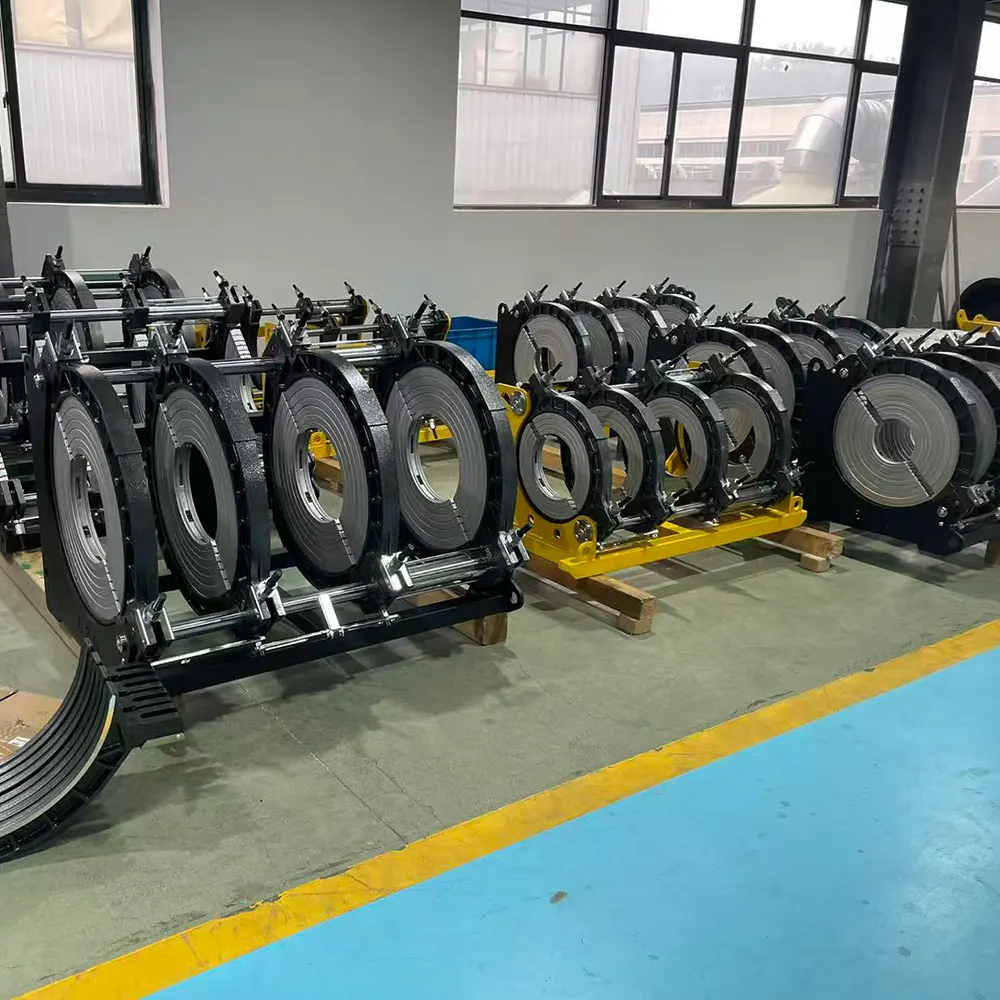 Ready-to-Ship Standard Inventory
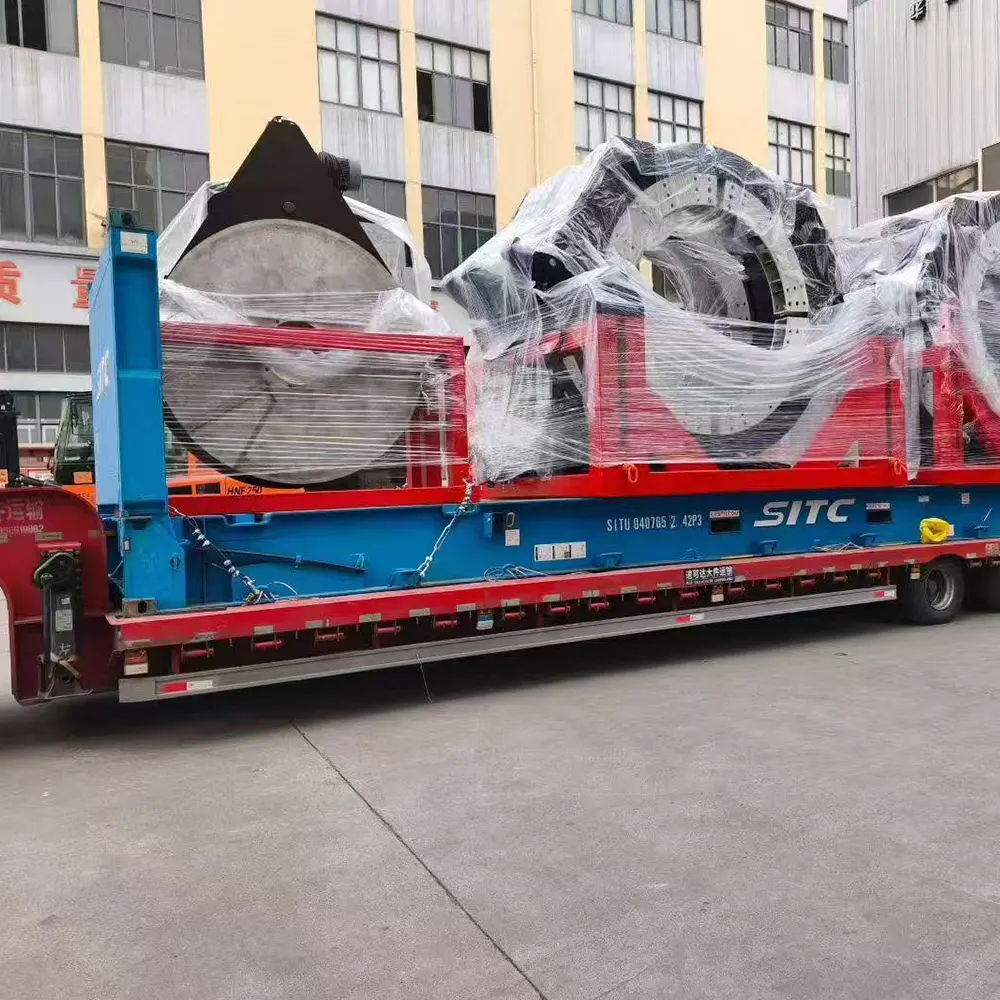 Export Wooden Crate Packaging
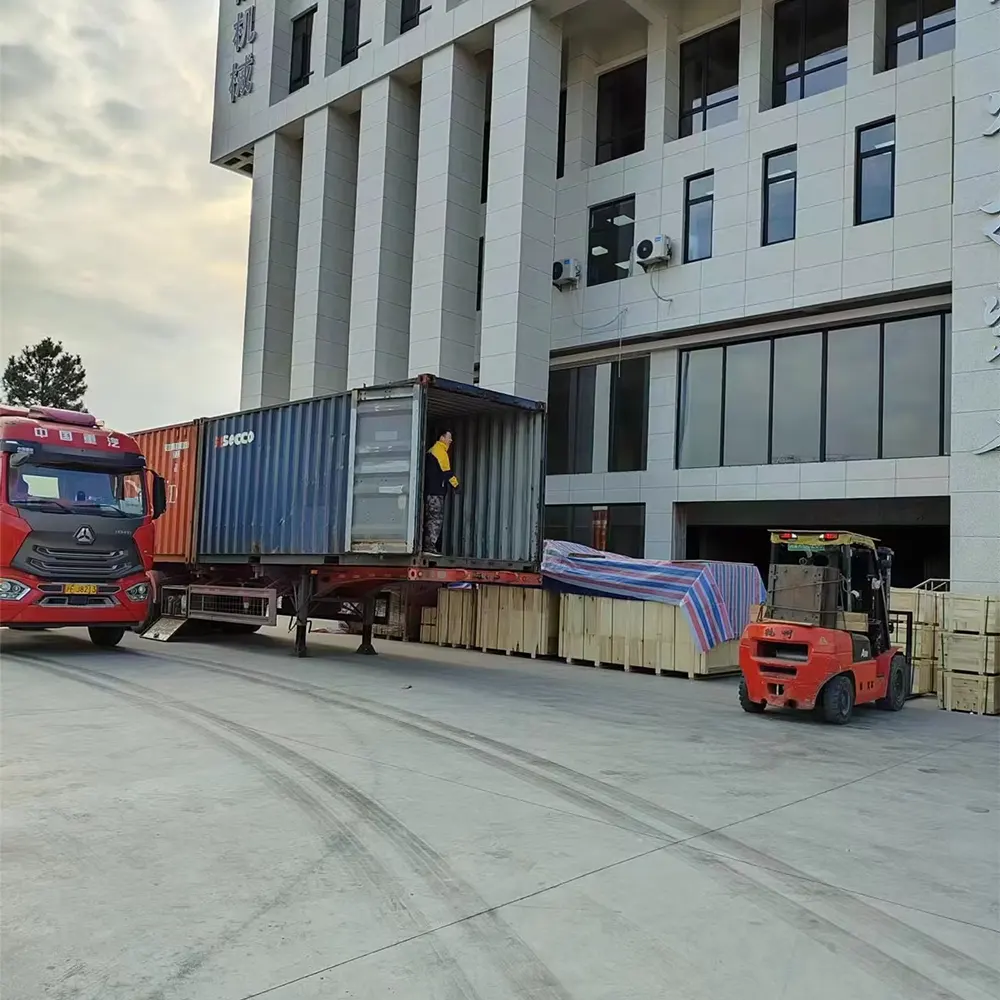 Seaworthy Transit Protection
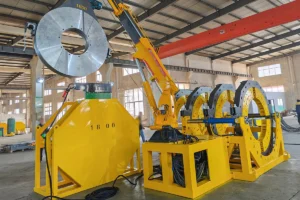 Large-Diameter Welder Production
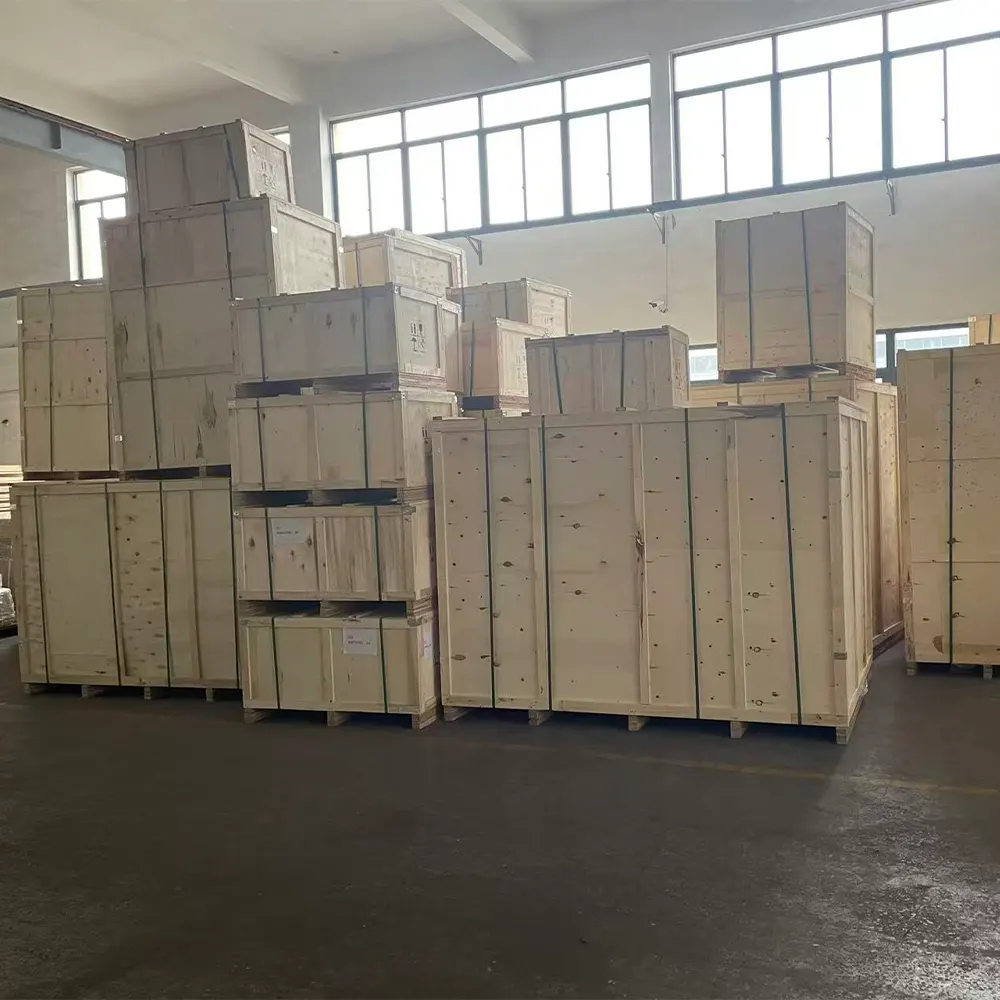 Precision Component Packaging
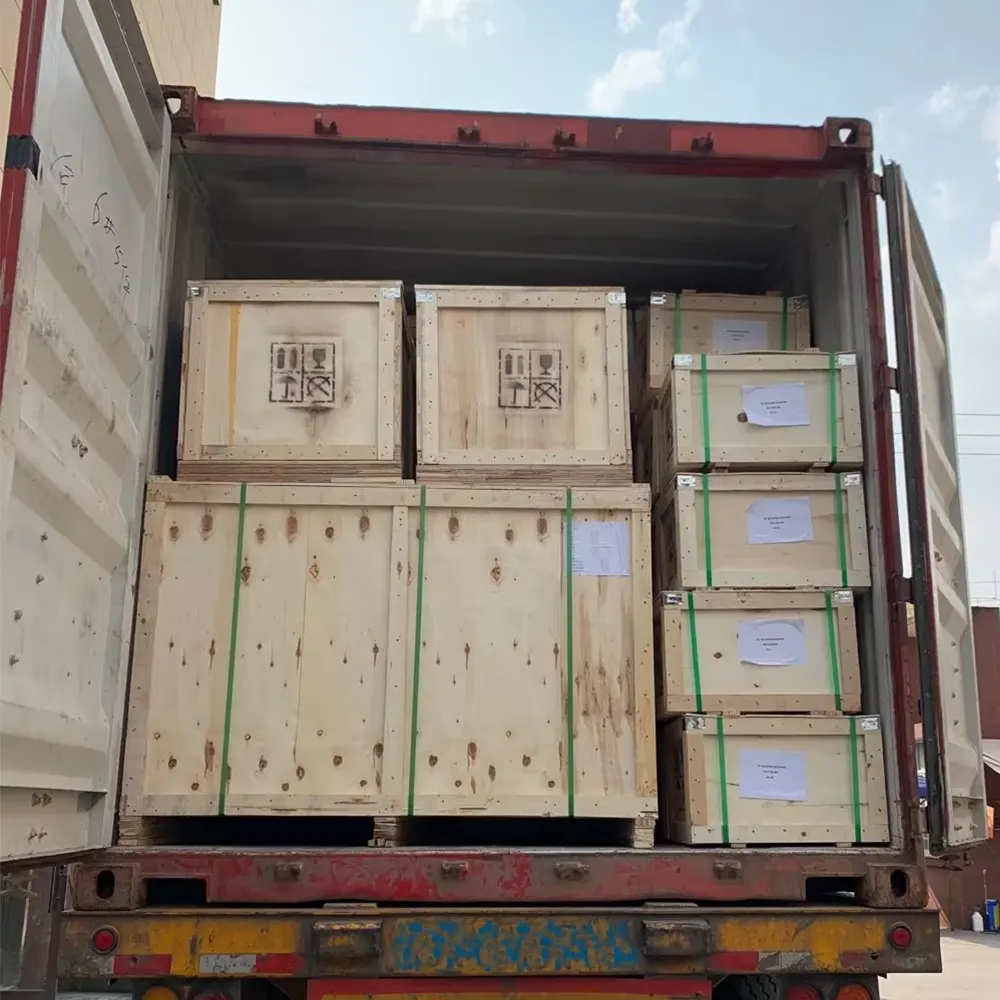 Final Quality Control Sign-off
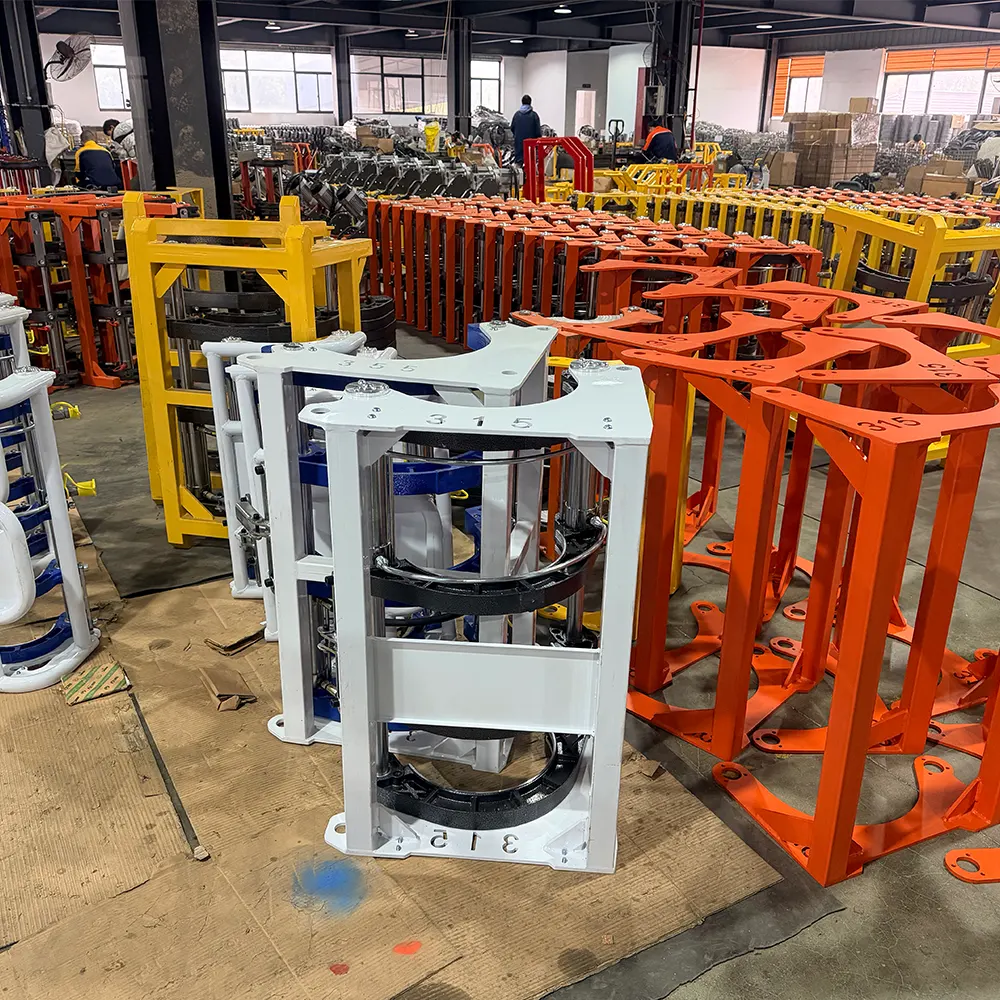 Medium-Diameter Fusion Staging
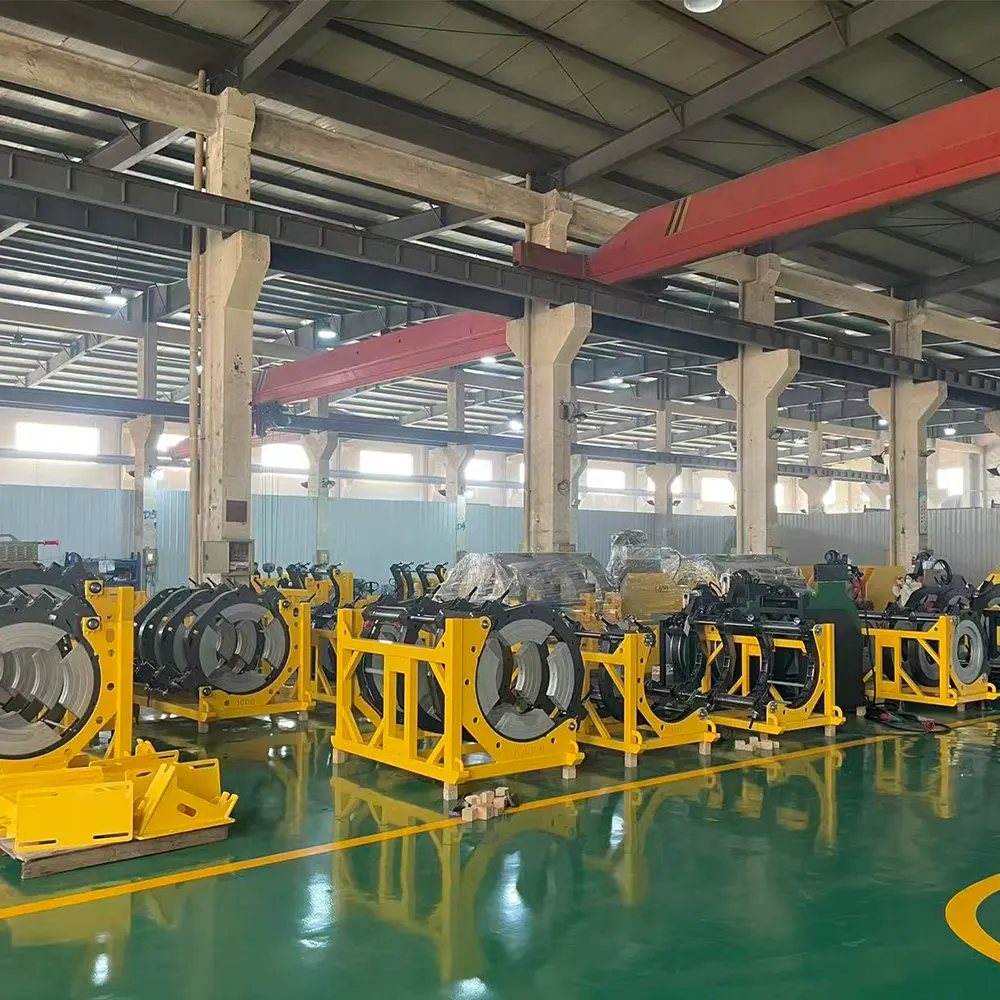 Hydraulic Power Unit Buffer Stock
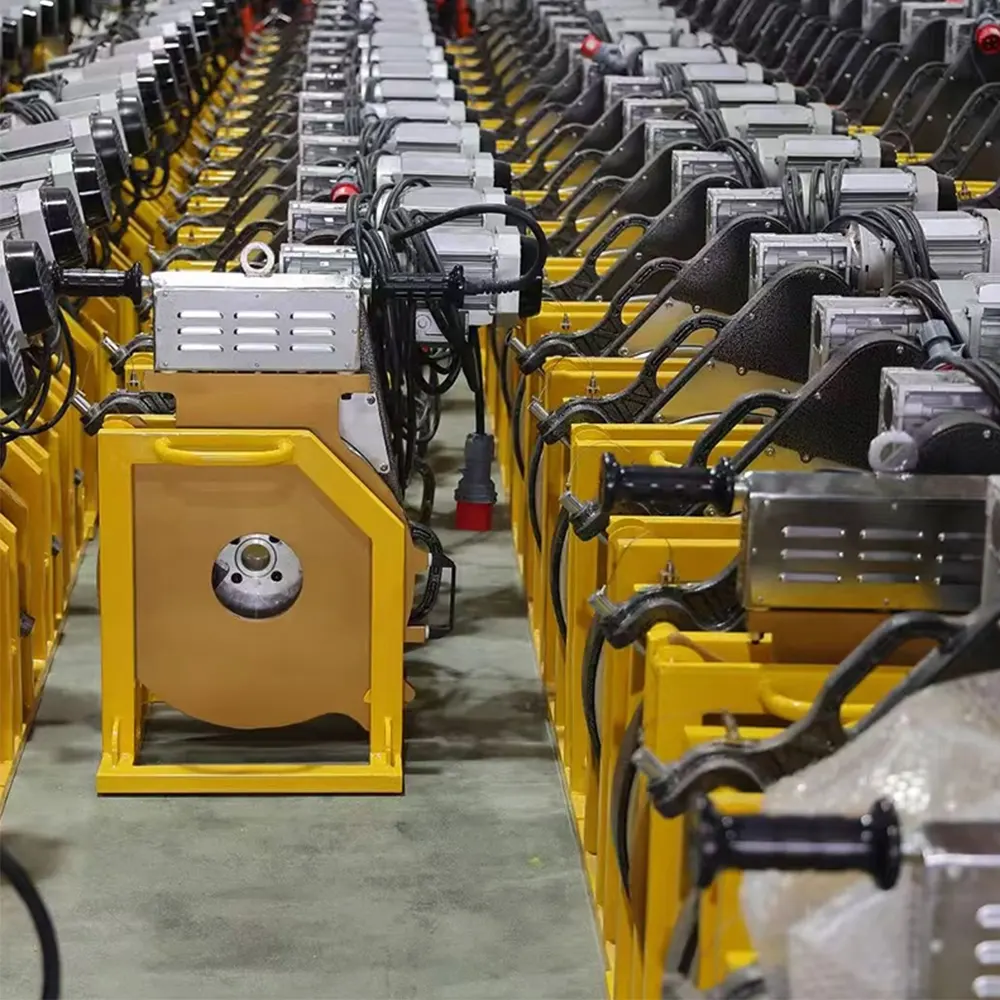 Finished Frame Stock Area
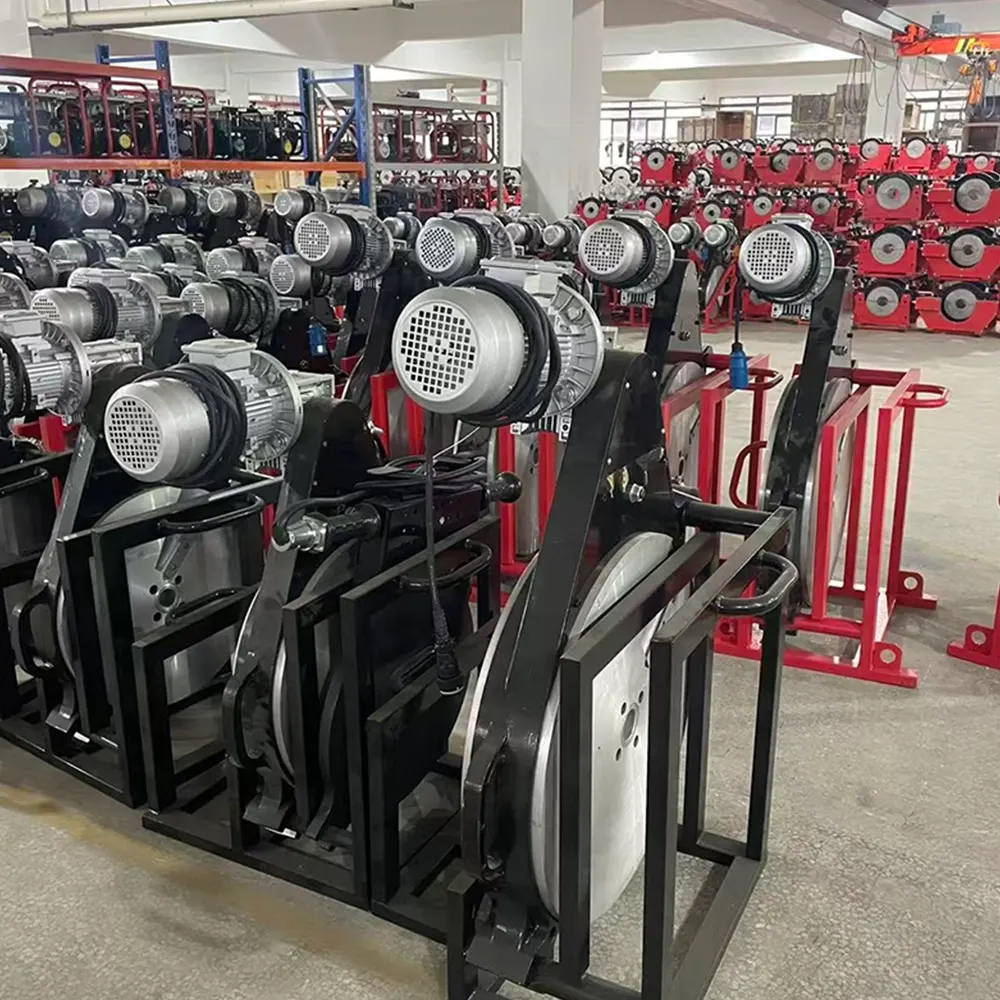 Manual Welder Production Line
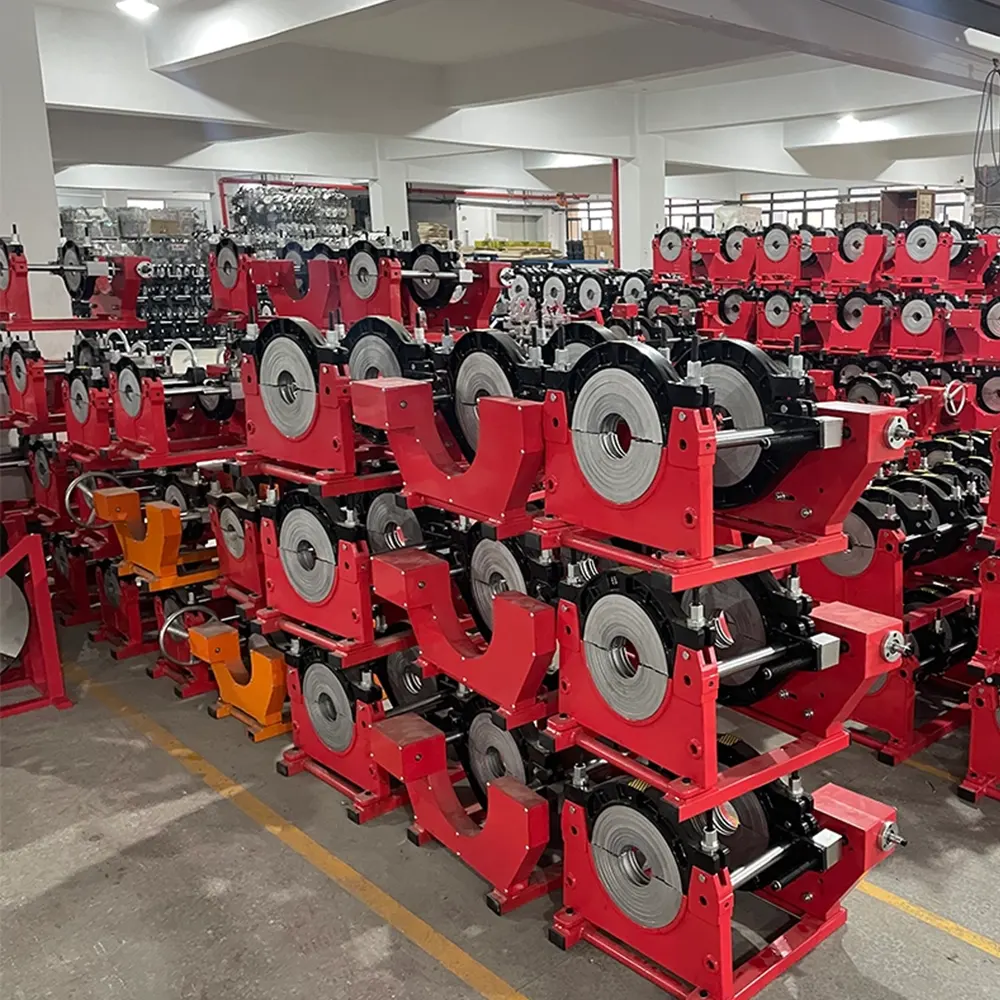 Compact Pipe Welder Inventory
Frequently Asked Questions
What parameters determine the required hydraulic welding pressure?
The required gauge pressure depends on the pipe outside diameter, wall thickness (SDR), the specified interfacial pressure from standards such as ISO 21307 or ASTM F2620, the machine’s effective cylinder area, and field drag pressure measured during pipe movement.
Can different PE grades (e.g., PE80 and PE100) be butt-welded together?
According to guidelines like PE pipe compatibility, PE80 and PE100 can be fused if their Melt Flow Rate (MFR 190°C/5kg) falls within the compatible range (0.2 to 1.4 g/10min) and wall thicknesses are matched.
Why is drag pressure measurement critical before every weld?
Drag pressure compensates for the physical friction between the pipe and the ground or rollers. Failing to add drag pressure to the calculated joining pressure results in insufficient interfacial force and a structurally compromised joint.
How does CNC automatic fusion improve quality control over manual hydraulic units?
CNC units monitor temperature, travel times, and interfacial pressures automatically via internal sensors. If any parameter deviates from the programmed standard, the system flags an error and refuses to sign off on the fusion record, eliminating human error.
Connect with JQ-Fusion Engineers
Our sales and technical support teams are available 24/7 to provide machine recommendations, custom parameter programming, distributor pricing, and spare parts support.
Email Consultation
Phone / WhatsApp
Factory Location
Zhengzhou, Henan, China
Request a Tailored Quote
Looking for a complete welding equipment package, specialized clamp reduction inserts, or technical guidance for an upcoming pipeline tender? Reach out directly.
Contact Technical Sales