
Industrial HDPE Pipe Welding Machine: High-Precision Engineering & Global Standards Guide
High-density polyethylene (HDPE) piping systems have emerged as the premier conduits for municipal water supply, mining slurries, harsh chemical transport, and high-pressure gas distribution. Operating an industrial HDPE pipe welding machine requires a rigorous understanding of thermodynamic fusion cycles, mechanical clamp stability, digital interfacial pressure monitoring, and adherence to international guidelines such as ISO 21307 butt fusion procedures and ASTM F2620 heat fusion. This technical guide explores machine selection, fusion mechanics, automated CNC operation, parameter optimization, and field quality validation.
The Engineering Fundamentals of Butt Fusion Joining
The structural integrity of a butt fusion weld relies entirely on intermolecular polymer chain entanglement across the joint interface. Unlike mechanical couplings or adhesive jointing, an industrial HDPE pipe welding machine applies controlled thermal energy and continuous axial compressive stress, creating a monolithic connection equal to or stronger than the parent pipe itself. Understanding the physics behind what is HDPE butt fusion is essential for failure-free pipeline deployment in high-pressure networks.
1. Controlled Viscous Melting
Under high-grade PTFE-coated heating plates maintained at precise temperatures (typically 200°C to 230°C depending on ASTM F2620 heat fusion or ISO criteria), the solid crystalline matrix of PE100 / PE4710 transitions into an amorphous melt layer without thermal degradation.
2. Molecular Interdiffusion
When molten pipe ends are pressed together under calibrated interfacial hydraulic pressure, polymer chains rapidly interdiffuse across the fusion plane. Proper dwell and changeover timing prevents air pockets, oxidation, and uneven crystalline formation.
3. Uniform Cooling Under Load
Cooling must take place under continuous clamp pressure. Releasing pressure prematurely or quenching with cold water creates severe residual tensile stresses, micro-voids, and brittle joint failures according to PE butt fusion process guidelines.
Comprehensive Equipment Types for Pipeline Engineering
Selecting the ideal industrial HDPE pipe welding machine depends on nominal pipe diameter (OD), wall thickness (SDR rating), field mobility requirements, and automated data recording needs per PE butt fusion equipment standard (ISO 12176-1). Below are the four principal categories utilized worldwide.
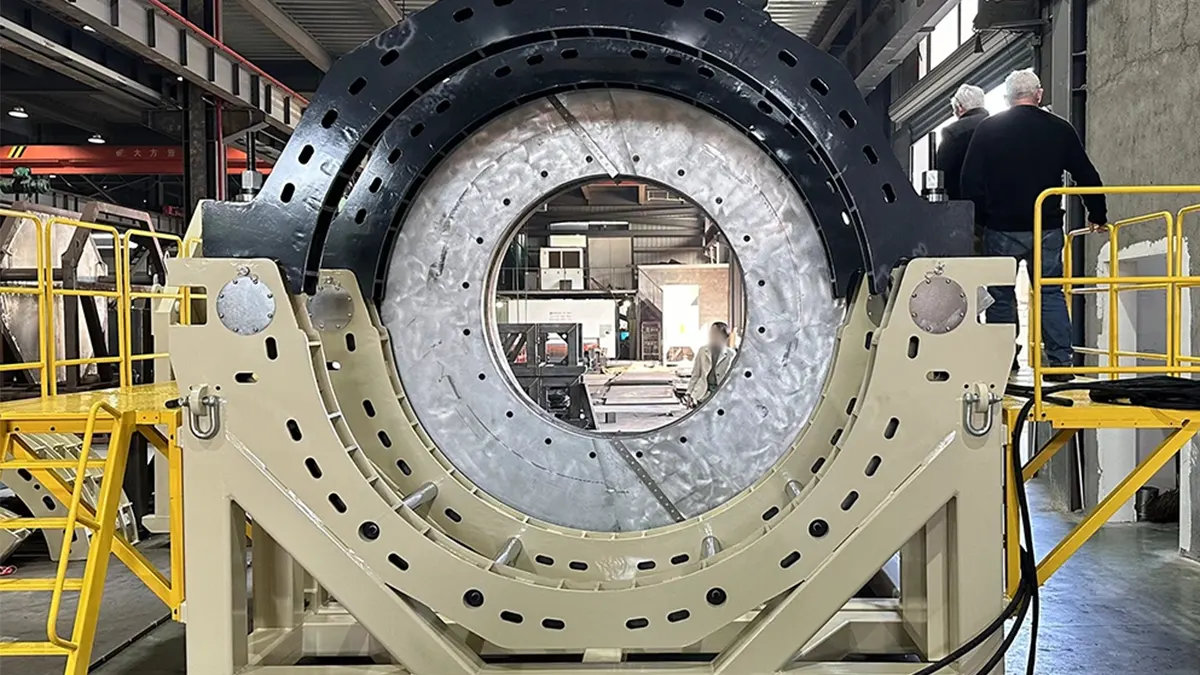
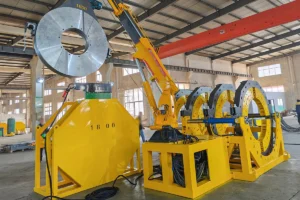
Hydraulic Butt Fusion Welding Machines
Designed for continuous heavy-duty field operation across mid-to-ultra-large diameters (from 160mm up to 2500mm OD). These systems utilize electro-hydraulic power units (HPU) equipped with precision pressure regulation valves, high-flow hydraulic cylinders, and reinforced dual-arch aluminum clamps to counter extreme pipe drag force and ovality.
- Diameter Range: 160mm to 2250mm / 2500mm OD
- Applications: Mining slurry lines, intake/outfall sea lines, bulk water transmission
- Control Type: Manual valve block with digital pressure readouts and accumulator hold
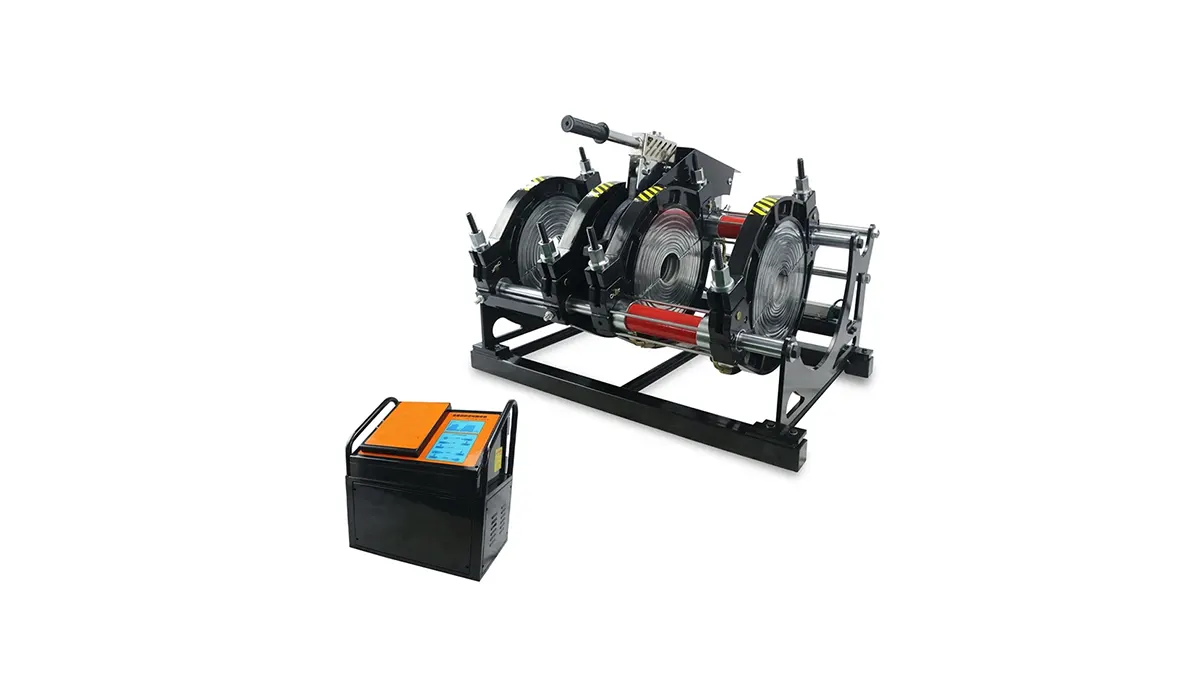
CNC Automatic Butt Fusion Systems
To eliminate operator variance and ensure full compliance with gas utility mandates, CNC automated machines strictly execute pre-programmed fusion formulas (ISO, DVS, ASTM). The automated controller commands cylinder advance, plate insertion/extraction, dwell duration, and continuous data logging per PE fusion traceability standards.
- Standard Compliance: Automatic parameter lookup for ISO 21307, DVS 2207, ASTM F2620
- Data Logging: Real-time storage of over 2,000 weld records with USB/Bluetooth export
- Safety: Auto-abort upon temperature, drag pressure, or changeover delay faults
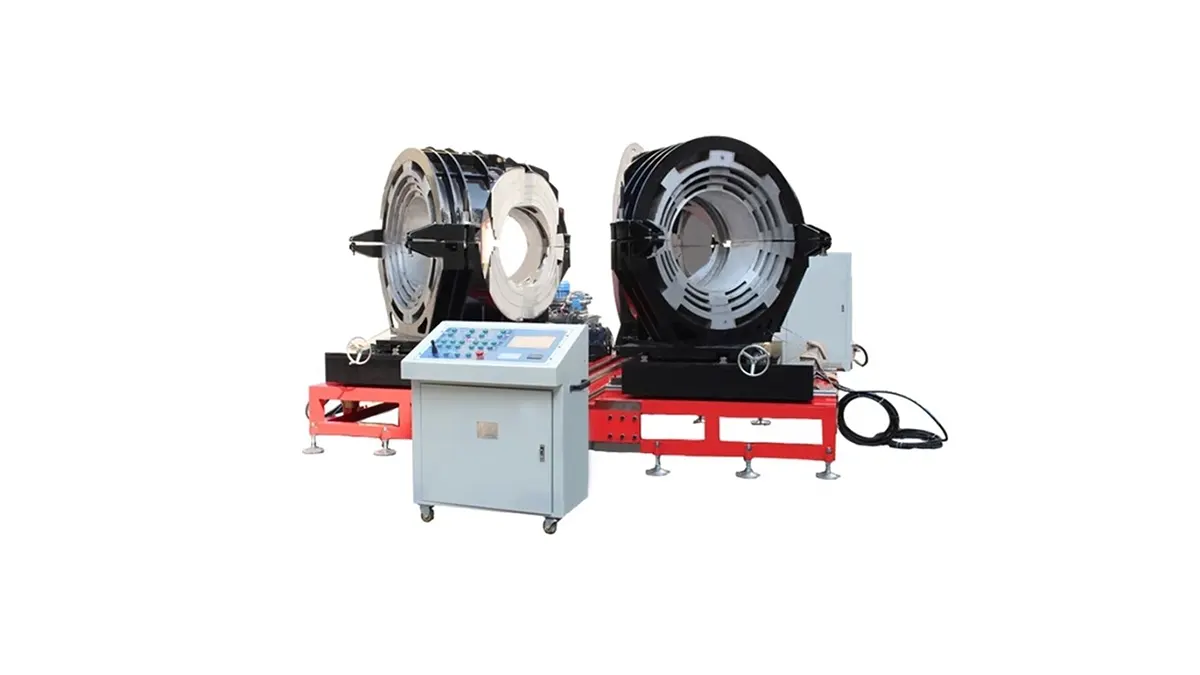
Multi-Angle Fitting Fabrication Machines
Standard field butt welders are constrained to straight pipe-to-pipe jointing. Multi-angle fitting machines are purpose-built for fabrication workshops to manufacture segmented bends, equal tees, crosses, and wyes according to butt-fused PE fittings specifications.
- Angle Versatility: Mitered elbows from 0° to 90°, tees (45° & 90°), crosses
- Structural Rigidity: Integrated hydraulic clamping jaws with customized inserts
- Standard Matching: Suitable for PE80, PE100, PP, and PVDF fabrication
Step-by-Step Butt Fusion Execution Cycle
Achieving qualified welds demands adherence to strict procedural steps as mandated in PPI TR-33 generic butt fusion procedures and regional water/gas utility guidelines.
Alignment & Clamping
Secure pipe ends in aluminum main clamps with matching inserts. Measure high-low radial mismatch (mismatch must not exceed 10% of pipe wall thickness per ISO 12176-1).
Facing & Planing
Engage the electric planer tool between pipe ends. Shave continuous ribbon shavings from both surfaces until pipe ends are parallel and completely free of oxidation and debris.
Drag Pressure & Heating
Measure carriage drag pressure. Insert heating plate (220°C ± 10°C). Apply initial bead-up pressure until a uniform melt bead forms around pipe circumference, then reduce to soak pressure.
Changeover & Fusion Cooling
Quickly remove the heater plate within specified changeover time (seconds). Bring pipe ends together smoothly and maintain fusion pressure throughout the prescribed cooling cycle.
Standard Hydraulic Model Technical Parameters
Compare key hydraulic machine dimensions, heating capacities, cylinder areas, and SDR operational envelopes across popular industrial models built to international pressure piping standards.
| Machine Model | Welding Range (OD mm) | Applicable Materials | Heating Plate Power (kW) | Hydraulic Station Power (kW) | Effective Cylinder Area (cm²) | Standard Compliance |
|---|---|---|---|---|---|---|
| JQH160mm | 63, 75, 90, 110, 125, 140, 160 | PE80, PE100, PP, PVDF | 1.5 kW | 0.75 kW | 4.62 | ISO 21307 / DVS 2207 |
| JQH315mm | 90, 110, 160, 200, 250, 315 | HDPE (PE100/PE4710) | 3.0 kW | 0.75 kW | 11.34 | ASTM F2620 / ISO 12176 |
| JQH630mm | 315, 355, 400, 450, 500, 630 | HDPE, PP, PVDF | 9.5 kW | 1.5 kW | 23.56 | ISO 21307 High/Low Pressure |
| JQH1200mm | 630, 710, 800, 900, 1000, 1200 | PE100-RC, PE4710 | 28.0 kW | 5.5 kW | 62.83 | ISO 21307 Dual Pressure / PPI TR-33 |
| JQH2250mm | 1400, 1600, 1800, 2000, 2250 | Large Diameter PE100 | 68.0 kW | 15.0 kW | 132.7 | ISO 12176-1 / Heavy Civil |
Calculating Theoretical Gauge Pressure vs Interfacial Pressure
One of the most frequent errors in field butt welding is conflating interfacial pressure (the actual mechanical pressure required across the molten polyethylene faces) with the gauge pressure shown on the hydraulic control box. Operators must calculate gauge pressure by considering the pipe wall annular area, machine cylinder area, and field drag force.
- OD: Pipe Outside Diameter in millimeters (mm)
- t: Specified Minimum Pipe Wall Thickness in millimeters (mm)
- P_interfacial: Standard Specified Interfacial Pressure (typically 0.15 to 0.175 N/mm² for ISO / DVS, or 60–90 psi for ASTM F2620)
- A_cyl: Total Effective Cross-Sectional Area of the Machine Hydraulic Cylinders (mm² or cm²)
- P_drag: Frictional Drag Pressure dynamically measured on-site by moving the clamped carriage prior to heating
Industrial Pipeline Applications & Material Compatibility
Modern industrial HDPE welding equipment serves mission-critical utility sectors where leak-tight integrity over a 50-to-100-year lifecycle is strictly mandated.
Municipal Potable Water & Wastewater
HDPE water mains assembled in accordance with ISO 4427 PE water pipes eliminate trenchless pull stress failures, resist corrosive soil conditions, and safeguard zero-leakage municipal distribution networks.
Natural Gas & Fuel Distribution
Gas utilities operating under ASTM D2513 PE gas pipe and ISO 4437-2 PE gas pipe standard require mandatory CNC data recording to verify full fusion compliance for explosive hydrocarbon conveyance.
Mining Slurry & Chemical Processing
Abrasive tailings and aggressive industrial acids depend on thick-wall industrial PE piping systems (SDR 7 to SDR 11) joined with large-diameter hydraulic welders capable of overcoming stiff pipe alignment resisting forces.
Weld Inspection, Destructive & Non-Destructive Testing
Verifying joint integrity requires a dual strategy of real-time sensory validation and rigorous field hydrostatic leak testing in accordance with PE pipe hydrostatic leak testing (ASTM F2164).
Visual Bead Assessment (Non-Destructive)
Double-Bead Geometry: A healthy butt fusion joint displays a uniform, rounded double rollover bead around the complete circumference. The bead width ratio (A/B) must stay within 0.8 to 1.25.
V-Groove / Slit Detection: A deep sharp notch between beads indicates insufficient heating or premature pressure release. Beads with flat tops indicate excessive initial contact pressure.
External Contaminants: Embedded soil, hydrocarbons, or grit require complete excision of the weld joint and re-facing.
Mechanical Destructive Validation
Bead Bend Testing: Removed internal/external beads are bent backward 180° upon themselves. Qualified joints must not exhibit any micro-fracturing or delamination along the fusion centerline.
High-Speed Tensile Impact: Test coupons milled across the weld undergo high-speed tensile elongation. Qualified specimens must show ductile necking in the parent pipe wall rather than brittle cleavage at the weld plane.
Hydrostatic Proof: Full pipeline segments are pressurized to 1.5× design operating pressure for a sustained holding period without pressure drops.
About JQ-Fusion: Industrial Welding Machinery Manufacturer
JQ-Fusion is a specialized manufacturer dedicated to high-performance thermoplastic pipeline equipment. Covering manual, hydraulic, and CNC automatic butt fusion systems from 50mm up to 2500mm OD, our machines power critical infrastructure across municipal water systems, gas grids, mining facilities, and maritime installations worldwide.
Operating under rigorous ISO 9001 quality management, every welding unit undergoes full digital pressure testing, heater thermal distribution scanning, and clamp alignment calibration before dispatch. We provide extensive OEM/ODM customization, specialized multi-angle workshop machinery, and rapid global spare parts support.
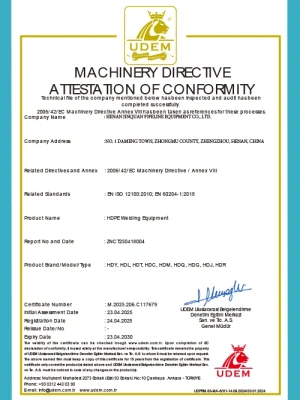
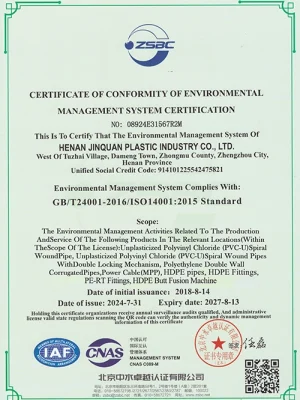
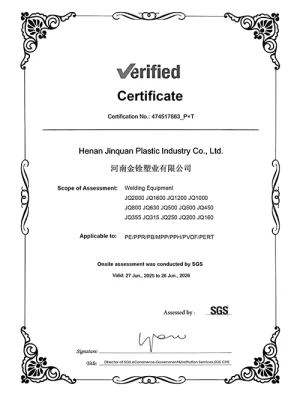
Certified Quality & International Compliance
Certified to meet global standards, our products provide complete peace of mind, traceable fabrication documentation, and repeatable field performance.
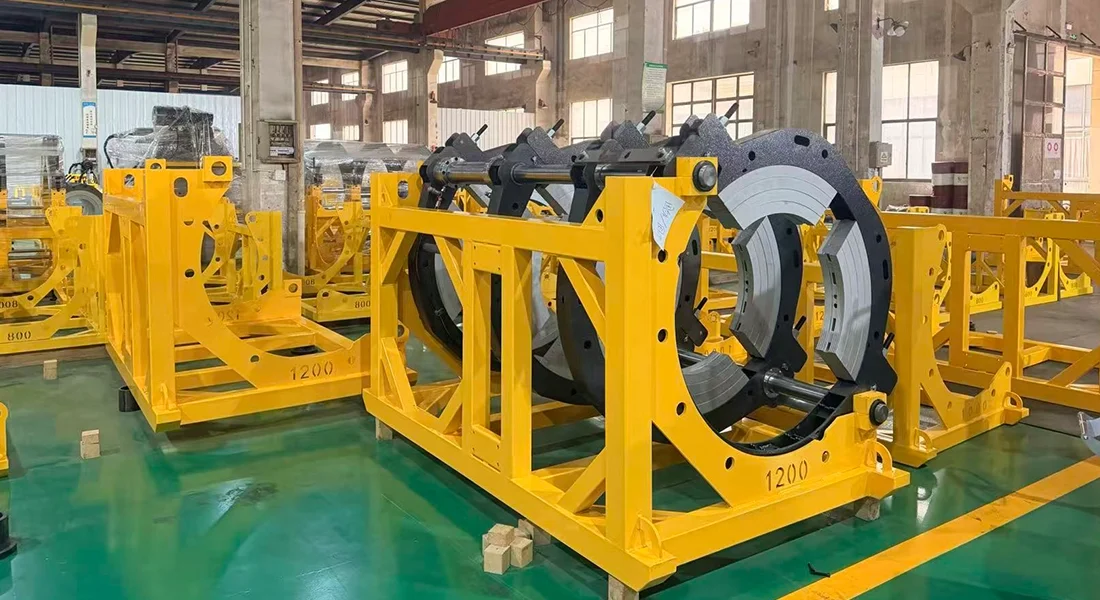
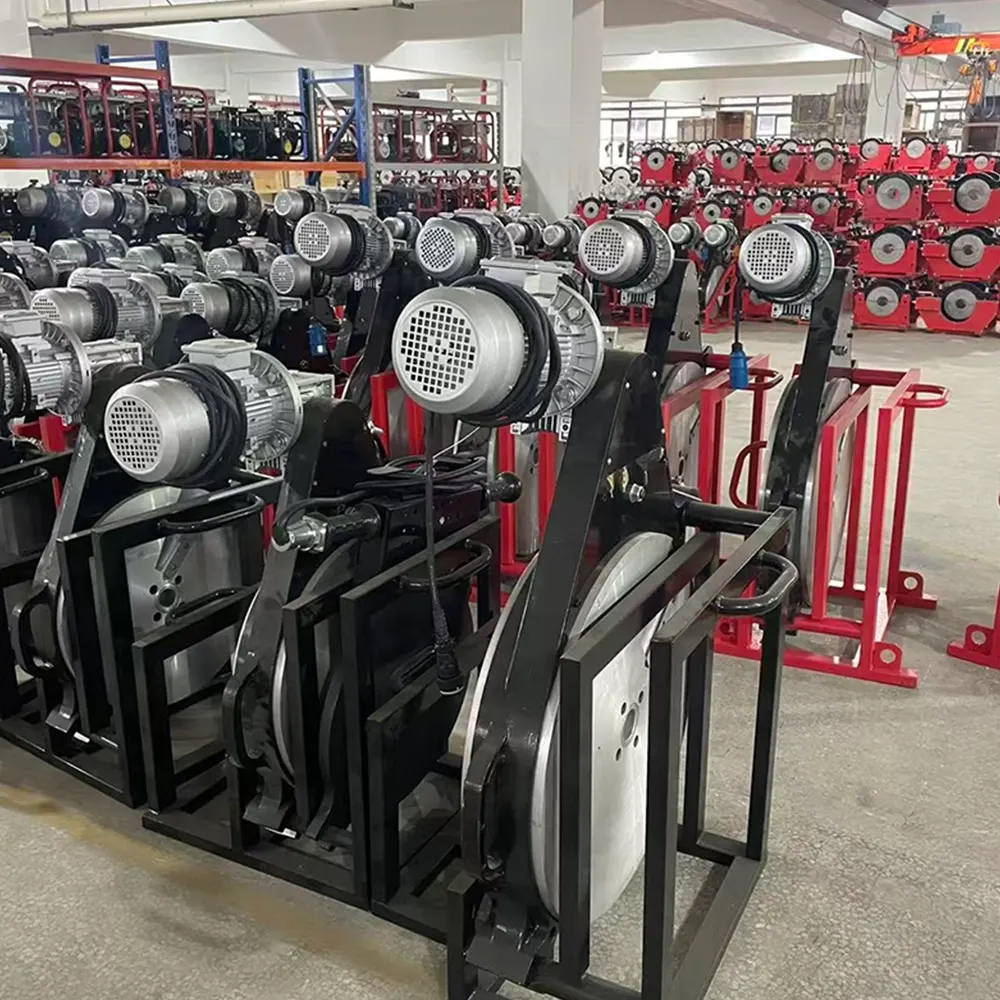
Manufacturing Facility & Warehouse Inventory
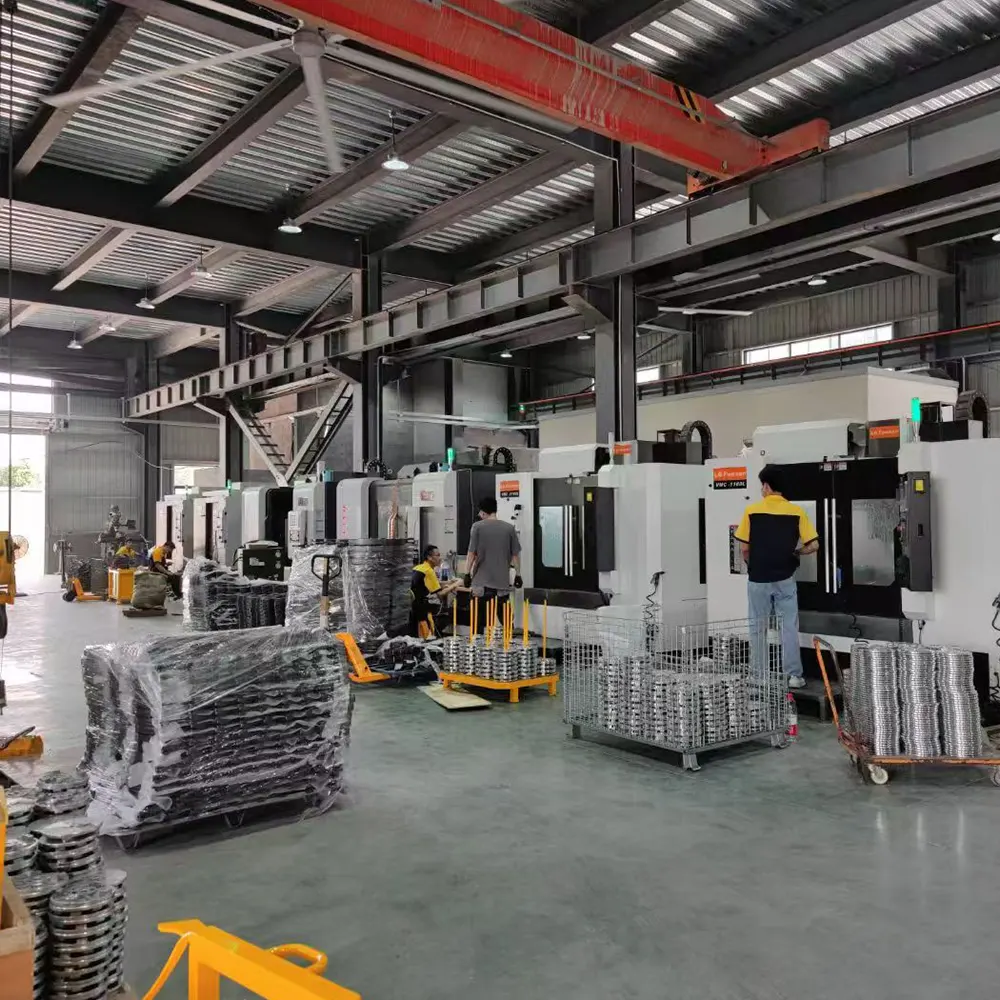
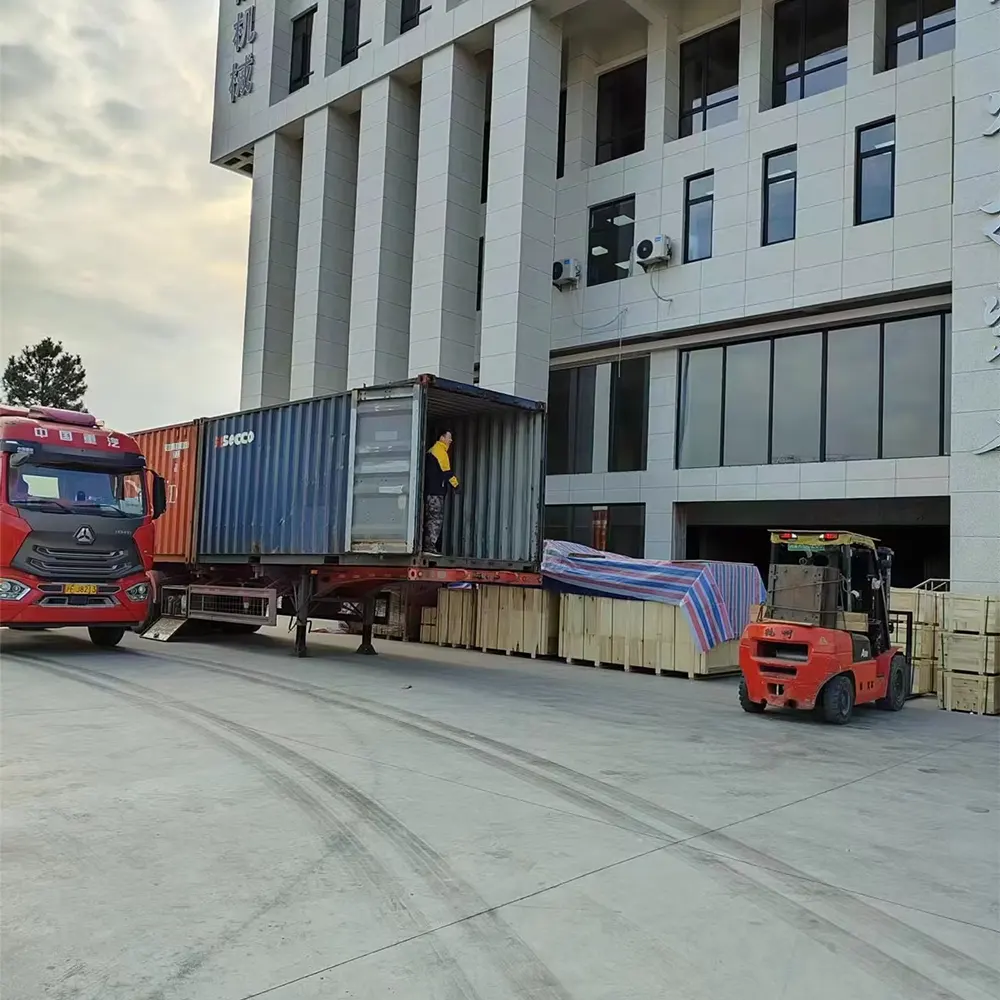
To support urgent utility shutdowns and global project deadlines, JQ-Fusion maintains substantial ready inventory of hydraulic butt welders, workshop fitting machines, and manual units packaged in heavy-duty export-grade timber crates.
Frequently Asked Questions on Industrial HDPE Welding
What is the difference between ISO 21307 Dual Low Pressure and High Pressure Butt Fusion?
ISO 21307 specifies two primary fusion parameter regimens: Low Pressure (approx. 0.15–0.18 N/mm² interfacial pressure with longer cooling cycles) and High Pressure (approx. 0.50 N/mm² interfacial pressure which significantly reduces total cooling cycle duration). Machine hydraulic frame rigidity and cylinder force must match the chosen standard procedure.
How does ambient temperature impact the HDPE welding cycle?
Extreme cold weather requires pre-heating enclosures and extended heat soak times to prevent rapid heat loss through radiation during open changeover. In windy conditions, pipe ends act as chimneys; protective end caps must be installed on open pipe runs to avoid convection cooling of the fusion face.
Can an industrial butt fusion machine weld pipes of different SDR ratings together?
Direct butt fusion between pipes of differing wall thicknesses (e.g., SDR 11 to SDR 17) is prohibited without machining a transitional taper (chamfer) on the thicker pipe. If the wall mismatch exceeds 10%, uneven heating and unequal bead formation will severely compromise the joint’s pressure capacity.
When should electrofusion be selected over butt fusion?
While butt fusion is more cost-effective for long straight pipeline runs of 90mm and above, electrofusion machines are preferred in confined trench repairs, tie-ins, service saddle connections, and situations where hydraulic carriage movement is physically restricted.
Contact JQ-Fusion engineering consultants for machine model selection, custom voltage configurations, hydraulic data logger integration, and distributor pricing.
