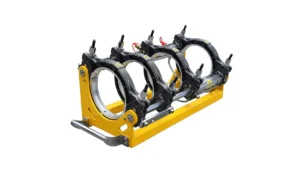
High-Precision Hydraulic Pipe Fusion Equipment Solutions
Engineered for zero-defect thermoplastic piping systems. Deliver uncompromising clamping force, exact thermodynamic temperature stability, and verifiable bead formation across High-Density Polyethylene (HDPE), Polypropylene (PP), and PVDF pipeline installations.
How Hydraulic Pipe Fusion Equipment Delivers Structural Joint Integrity
Unlike manual or low-load joining systems, high-capacity Hydraulic Pipe Fusion Equipment generates precisely calculated interfacial pressure cycles to melt, interdiffuse, and recrystallize polymer chain molecules across the pipe end-faces. The result is a continuous, monolithic pipeline connection with tensile and burst resistance equal to or exceeding the host pipe.
Heavy-duty butt fusion operations require absolute control over four critical physical variables: interfacial pressure, drag compensation, heating plate thermostatic equilibrium, and cooling time under sustained hydraulic clamping. Modern pipeline infrastructure demands strict adherence to rigorous international specifications, notably the ISO 21307 butt fusion procedures, general PE butt fusion equipment standard (ISO 12176-1), and the North American ASTM F2620 heat fusion methodology.
By utilizing a specialized dual-cylinder hydraulic carriage, electric planing tool with reversible double-edged blades, and a PTFE-coated high-output heating mirror, JQ-Fusion systems eliminate ovality, bypass joint shear stresses, and deliver clean, oxidized-free polymer weld beads.
Dynamic Drag Pressure Calculation
Real-world field environments present uneven trench friction and pipe roll resistance. Hydraulic fusion power units overcome continuous pipe drag by integrating calibrated pressure-regulating valves and accumulator reserves, ensuring that actual net interfacial pressure matches strict engineering formulas.
Learn more about standard operational methodology in our comprehensive guide on what is HDPE butt fusion and explore the recommended PPI butt fusion procedure.
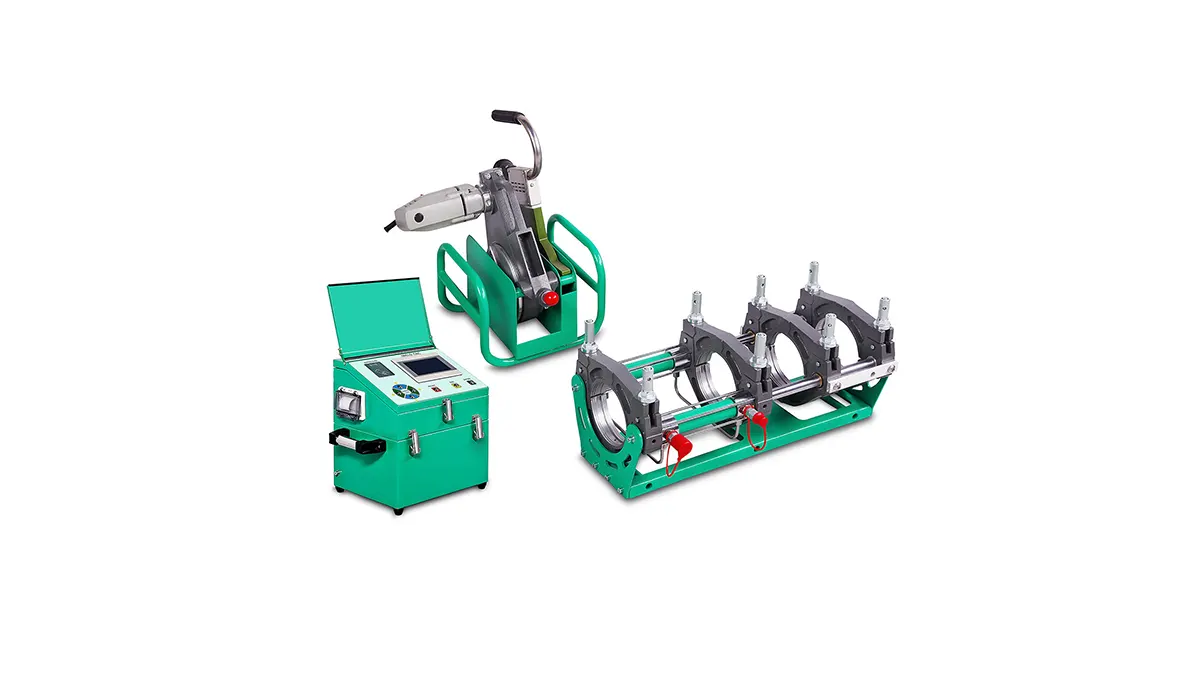
Methodology Comparison: Manual vs. Hydraulic vs. CNC Automatic
Select the optimal machinery category based on pipe wall thickness (SDR), jobsite power availability, and traceability requirements.
| Fusion System Type | Applicable Pipe Range | Pressure Generation Mode | Data Logging & Traceability | Standard Compliance | Recommended Applications |
|---|---|---|---|---|---|
| Hydraulic Butt Fusion | 50mm – 2250mm OD | Closed-loop Electro-Hydraulic Station | Standard Calibrated Gauge / Optional Datalogger | ISO 21307 ASTM F2620 | High-pressure water distribution, mining slurry lines, gas mains, industrial plants. |
| CNC Automatic Fusion | 160mm – 630mm OD | Automated Microprocessor Hydraulic Drive | Full Real-Time USB / Cloud Record (ISO 12176-4) | ISO 12176-1/4 DVS 2207 | Urban natural gas utilities, nuclear cooling conduits, high-liability chemical lines. |
| Manual Butt Fusion | 40mm – 250mm OD | Mechanical Lever / Screw Gear Drive | Visual Bead Assessment / Manual Operator Log | Light Infrastructure | Low-pressure drainage, cable ducting, agricultural irrigation, indoor plumbing. |
| Multi-Angle Workshop Fitting | 315mm – 1600mm OD | Multi-Axis Heavy Hydraulic Clamping | Integrated Workshop Process Monitoring | ASTM F2206 ISO 4427-3 | Fabricating segmented bends, equal tees, crosses, and custom multi-angle fittings. |
Featured Hydraulic Pipe Fusion Equipment Models
Explore our high-performance hydraulic butt fusion series designed for in-ditch trenching, cross-country pipeline construction, and workshop fabrication.
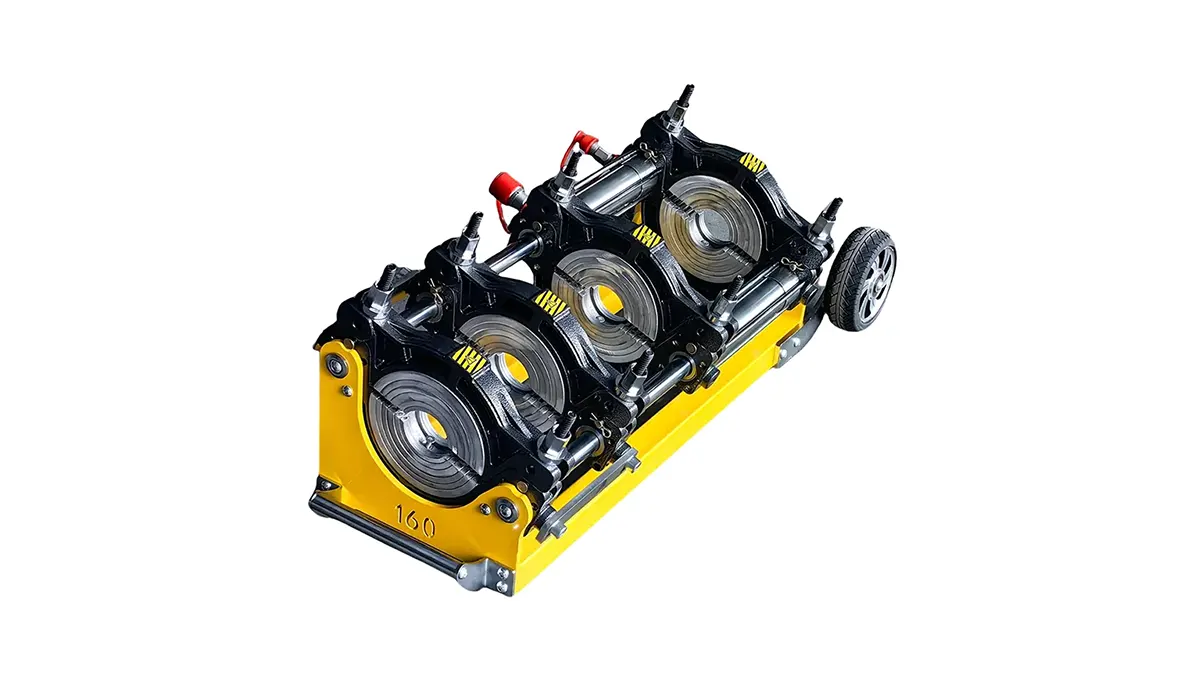
JQH160mm Hydraulic Butt Fusion Machine
Ultra-compact 4-clamp hydraulic machine tailored for city gas branch networks, domestic water connections, and confined trench applications.
- Working Range: 63mm – 160mm
- Heating Power: 1.5 kW
- Hydraulic Max Pressure: 6.3 MPa
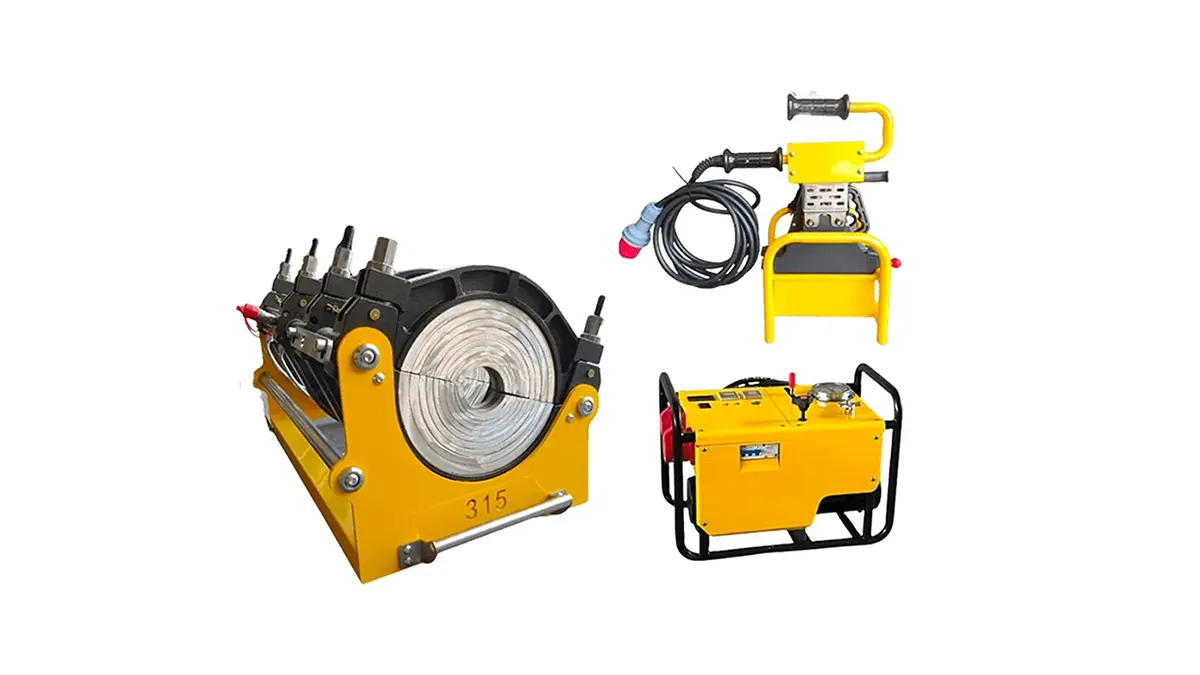
JQH315mm Hydraulic Butt Fusion Machine
The industry standard for municipal water mains and gas distribution pipelines. High thermal capacity heating plate with reinforced cast aluminum clamps.
- Working Range: 90mm – 315mm
- Heating Power: 3.0 kW
- Hydraulic Max Pressure: 6.3 MPa
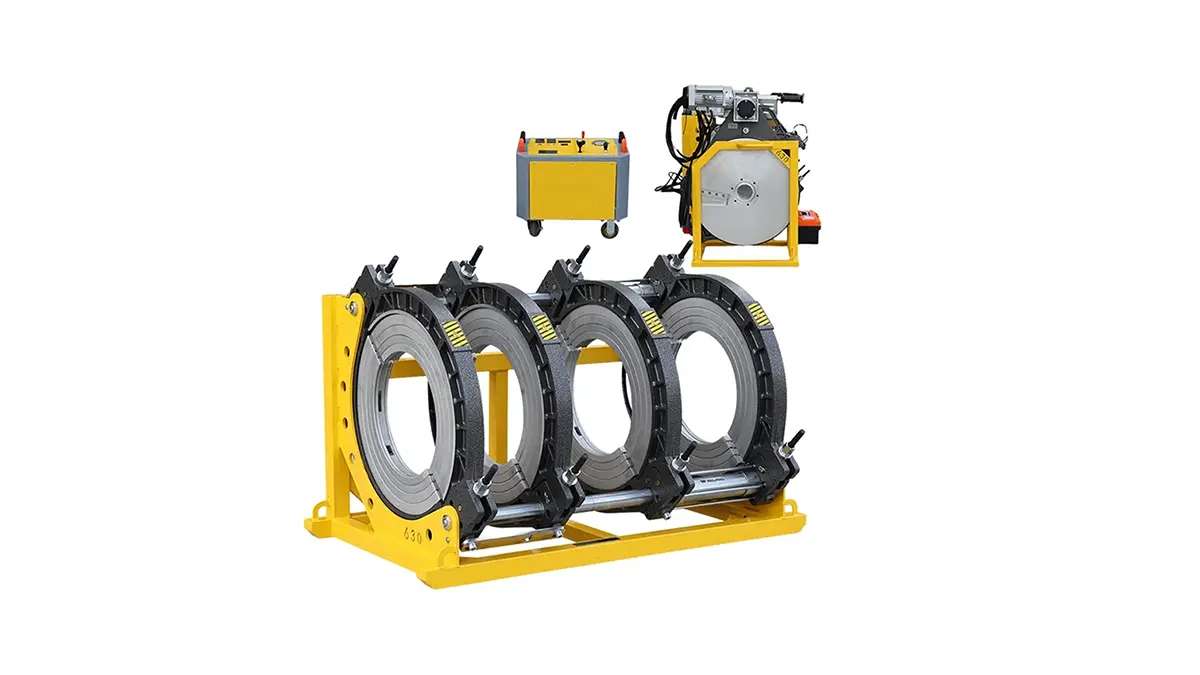
JQH630mm Hydraulic Butt Fusion Machine
Engineered for high-volume trunk pipelines, industrial wastewater disposal, and agricultural irrigation conduits requiring rugged, continuous operation.
- Working Range: 315mm – 630mm
- Heating Power: 8.5 kW
- Hydraulic Max Pressure: 8.0 MPa
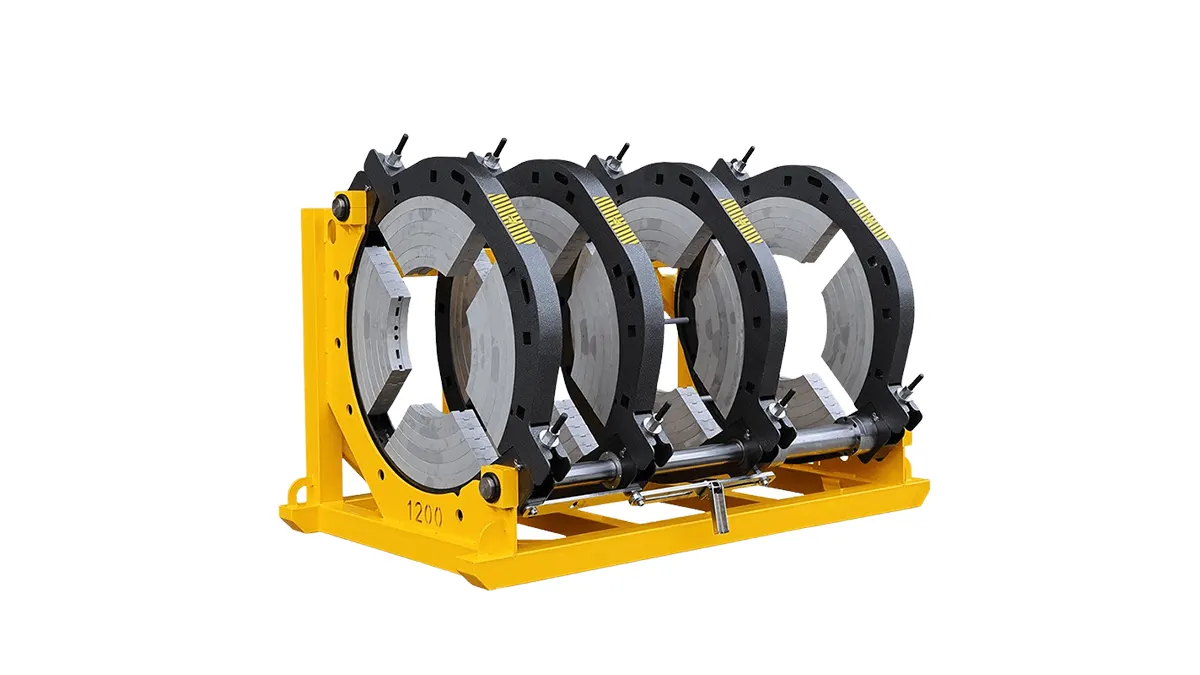
JQH1200mm Hydraulic Butt Fusion Machine
High-tonnage hydraulic drive frame equipped with electric crane hoist for ergonomic heating mirror and facer handling in large-diameter municipal networks.
- Working Range: 630mm – 1200mm
- Heating Power: 25.0 kW
- Hydraulic Max Pressure: 16.0 MPa
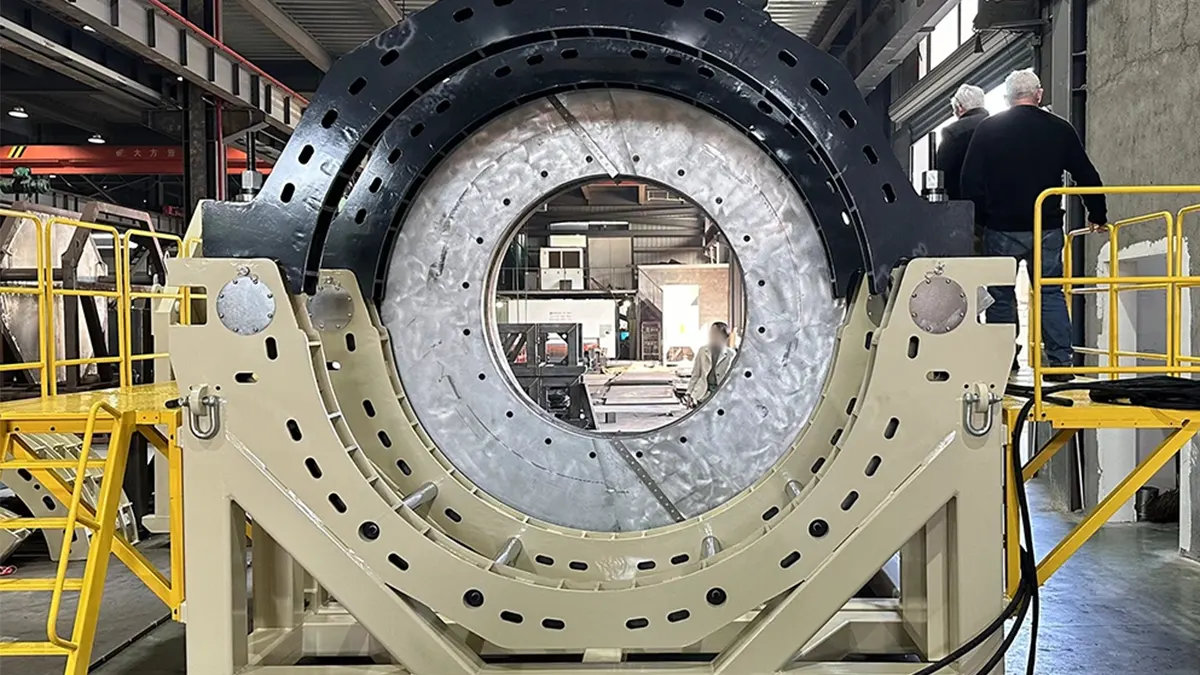
JQH2250mm Hydraulic Butt Fusion Machine
Ultra-large heavy engineering pipeline joining system for mega desalination marine outfalls, mining tailing conduits, and hydroelectric intake penstocks.
- Working Range: 1400mm – 2250mm
- Heating Power: 55.0 kW
- Hydraulic Max Pressure: 20.0 MPa
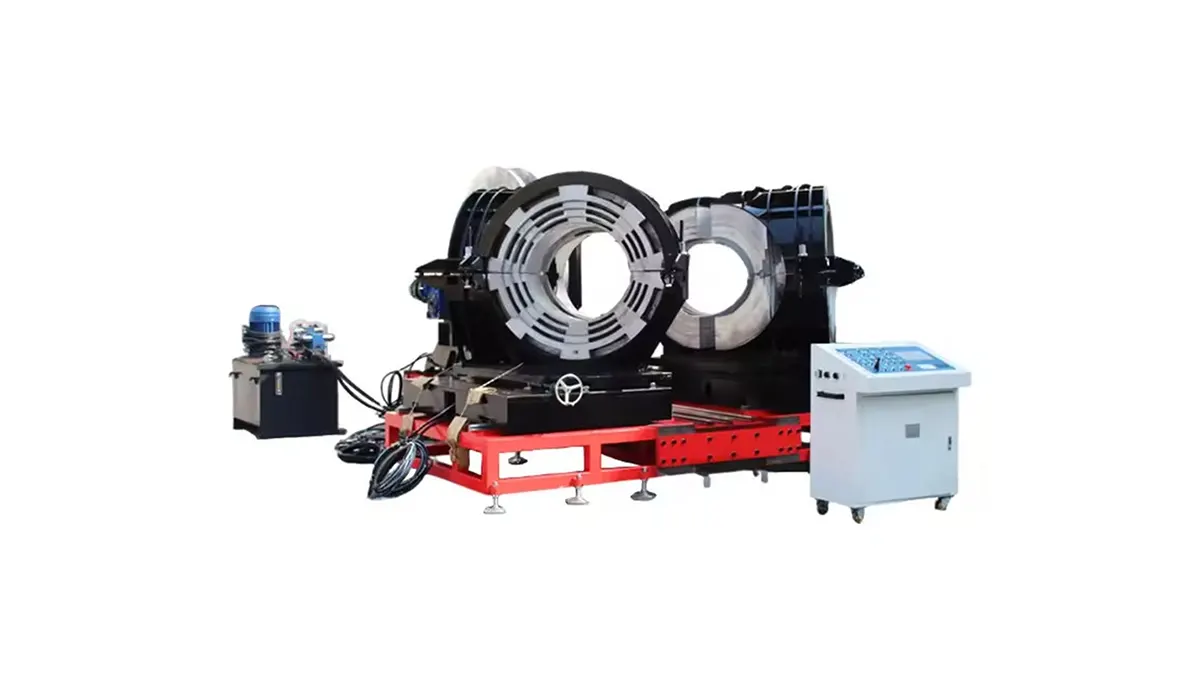
JQMA630 Multi-Angle Fitting Machine
Precision workshop fabricator for fabricating segmented PE elbow bends, equal tees, crosses, and wyes according to butt-fused PE fittings codes.
- Working Range: 315mm – 630mm
- Angles Produced: 0° to 90°
- Hydraulic Max Pressure: 10.0 MPa
The 5-Phase Hydraulic Butt Fusion Process
Achieving a permanent 100% molecular cross-linkage requires rigid adherence to proven thermodynamic and mechanical steps. JQ-Fusion machinery is built to govern each parameter with millibar pressure precision.
Planing, Facing, and High-Precision Clamping Alignment
The pipe ends are secured in the 4-clamp fixture. The high-torque electric planer cuts continuous ribbon shavings from both pipe ends simultaneously until uniform, parallel faces are established with allowable high-low misalignment kept below 10% of pipe wall thickness, complying with ISO 21307 butt fusion procedures.
Bead-Up Phase (Initial Contact Pressure)
The PTFE-coated heating plate (stabilized at 200°C – 230°C depending on the standard) is inserted. The hydraulic cylinders drive the pipe ends against the plate under bead-up pressure ($P_1 = P_{interfacial} + P_{drag}$) until a continuous melt bead of specified height develops around the entire outer circumference.
Heat Soak Cycle (Molecular Activation)
Once bead-up is reached, hydraulic line pressure is reduced to minimum drag pressure ($P_{drag}$), allowing thermal energy to conduct deep into the thermoplastic wall without squeezing out molten material. Polymer crystal lattices soften into a viscous, reactive melt layer.
Rapid Changeover Phase
The hydraulic carriage opens smoothly, the heating plate is retracted without scuffing the molten interface, and the pipe ends are brought together immediately. Minimizing the changeover window prevents surface oxidation and unallowable surface cooling as outlined in PPI Handbook of Polyethylene Pipe technical literature.
Cooling Under Continuous Hydraulic Compression
The fusion pressure is seamlessly ramped up to the prescribed joining pressure ($P_{fusion} = P_1$) and held constant for the entire calculated cooling duration. Premature removal of hydraulic clamping induces internal void defects and compromised long-term stress crack resistance (ESCR).
Global Pipeline Standards & Compliance Framework
JQ-Fusion Hydraulic Pipe Fusion Equipment solutions are engineered to meet and exceed global civil engineering regulations across high-pressure water, natural gas, and corrosive media transport:
- Potable Water & Municipal Infrastructure: Full compliance with ISO 4427 PE water pipes, PE pipe fittings standard, and ASTM F714 PE pipe.
- Combustible Gas Transmission: Designed for high-integrity joints adhering to PE gas piping systems, ASTM D2513 PE gas pipe, and ASTM F2620 pipeline safety protocols.
- Mining & Aggressive Media: Rigorous parameters supporting industrial PE piping systems and PE pipe jointing best practices.
- Traceability & Operator Qualification: Seamless integration with heat fusion operator qualification and PE fusion traceability coding systems.
Critical Industries Powered by Hydraulic Fusion
Wherever high-pressure transmission and severe mechanical loads occur, JQ-Fusion hydraulic machinery guarantees zero-leakage performance throughout a 50+ year pipeline design life.
Municipal Water & Desalination
Heavy trunk distribution, intake marine headers, and wastewater collector systems requiring high-pressure HDPE solid-wall pipes fused without mechanical couplings or leak-prone gaskets.
Natural Gas & Methane Gathering
High-integrity yellow PE100/PE80 gas line networks that demand verifiable parameter logging, precise heater plate dwell times, and 100% compliance with ASTM D2513 PE gas pipe regulations.
Mining Slurry & Tailings Disposal
Thick-wall SDR 9 and SDR 7 abrasion-resistant HDPE slurry conduits in copper, gold, and iron mines subjected to aggressive hydrodynamic surges and external geological stresses.
Chemical & Industrial Processing
Corrosive acid header systems, cooling towers, and electroplating plant drains utilizing Polypropylene (PP-H/PP-R) and PVDF materials joined via high-purity thermal hydraulic fusion.
Agricultural & Large-Scale Irrigation
Cross-country farm distribution pipelines and pivot sprinkler transmission networks requiring continuous, high-speed jointing in severe open-air outdoor ambient temperatures.
Telecommunications & Power Conduit
Directional drilling (HDD) pull-back strings and multi-duct power conduit paths jointed according to HDPE conduit joining guidelines without internal bead restrictions.
About JQ-Fusion Pipeline Machinery
JQ-Fusion is a professional manufacturer specializing in HDPE pipe welding machines, providing reliable butt fusion solutions for global infrastructure projects. With years of industry experience, we focus on the development and production of manual, hydraulic, and CNC automatic butt fusion welding machines, covering a wide range of pipe sizes from small to large diameters.
Supported by advanced manufacturing facilities, strict quality control processes, and a responsive service team, JQ-Fusion has built long-term partnerships with distributors and contractors worldwide.
-
✓
Reliable Welding Performance
Stable thermostatic heating and precise clamp alignment for unyielding joint strength.
-
✓
Tailored OEM/ODM Custom Solutions
Custom machine chassis colors, specialized inserts, voltage configurations, and private branding.
-
✓
Rigorous Multi-Point Quality Assurance
Every hydraulic unit undergoes pressure decay and temperature uniformity calibration testing.
-
✓
Large Factory Stock & Rapid Global Dispatch
Strategic inventory reserves of standard machines ensure rapid fulfillment for tight schedules.
Global Accreditations & Quality Certifications
Certified to meet global standards, our products provide total peace of mind, operational safety, and consistent welding performance across international jobsites.
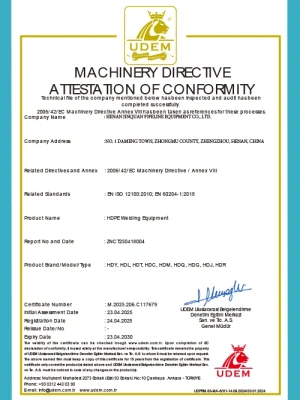
CE Safety Conformity
Compliant with EU Machinery & Low Voltage Directives
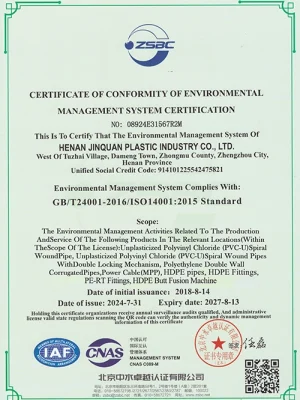
ISO 9001:2015 Registered
Quality Management System Standard
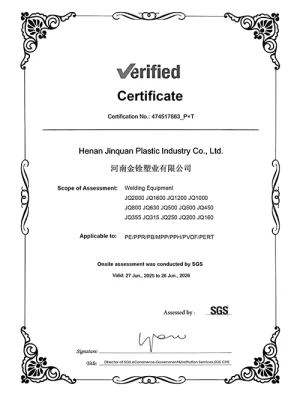
SGS Verified Manufacturer
Independent Technical Inspection & Factory Audit
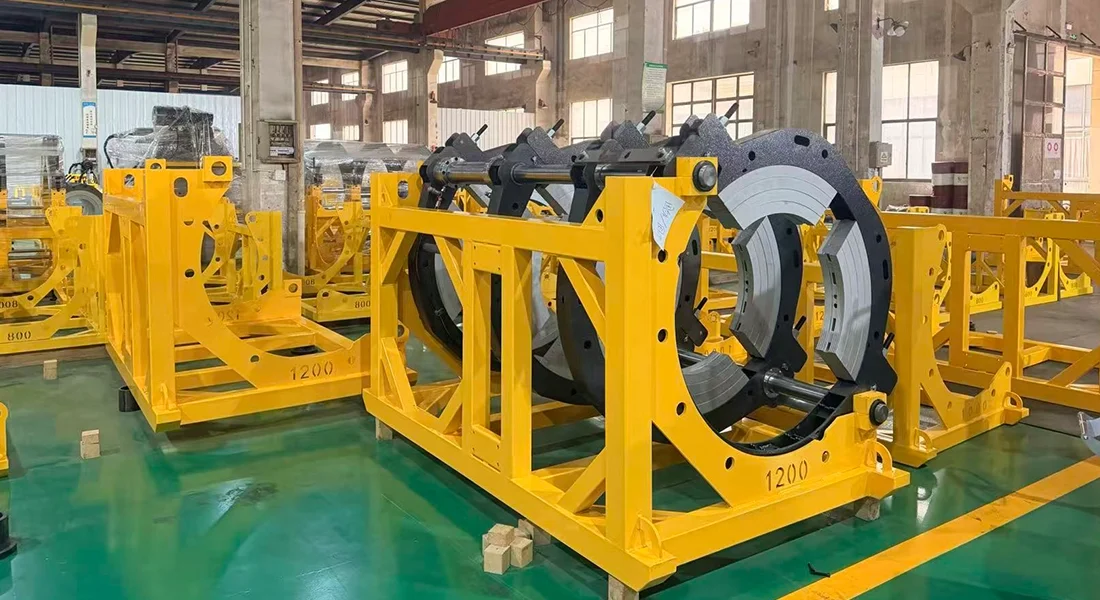
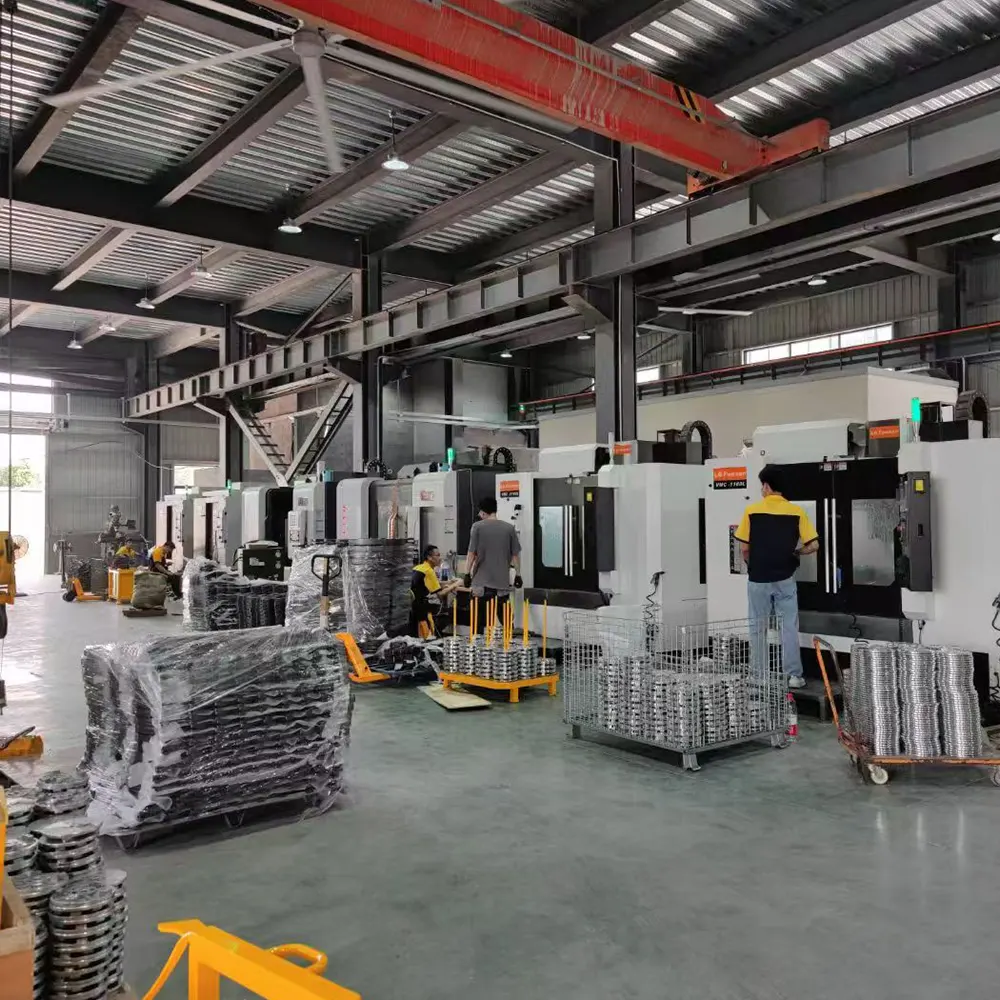
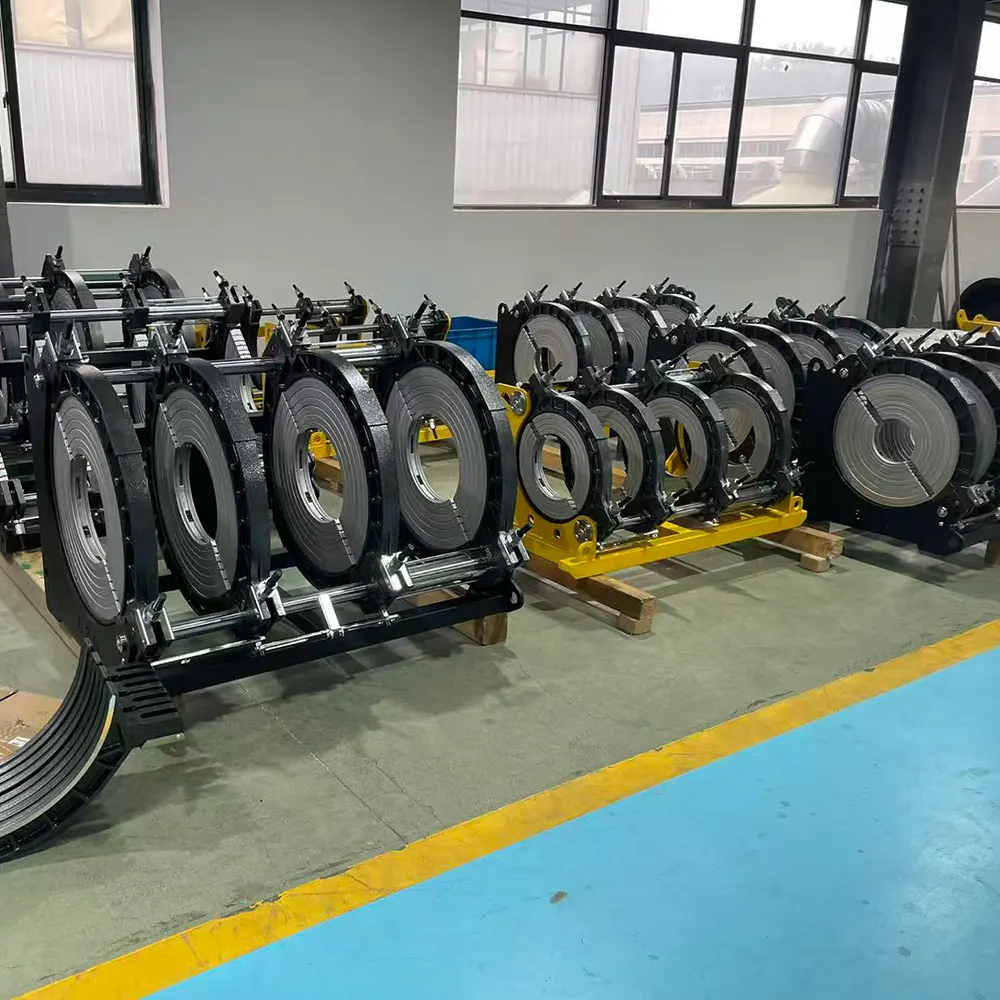
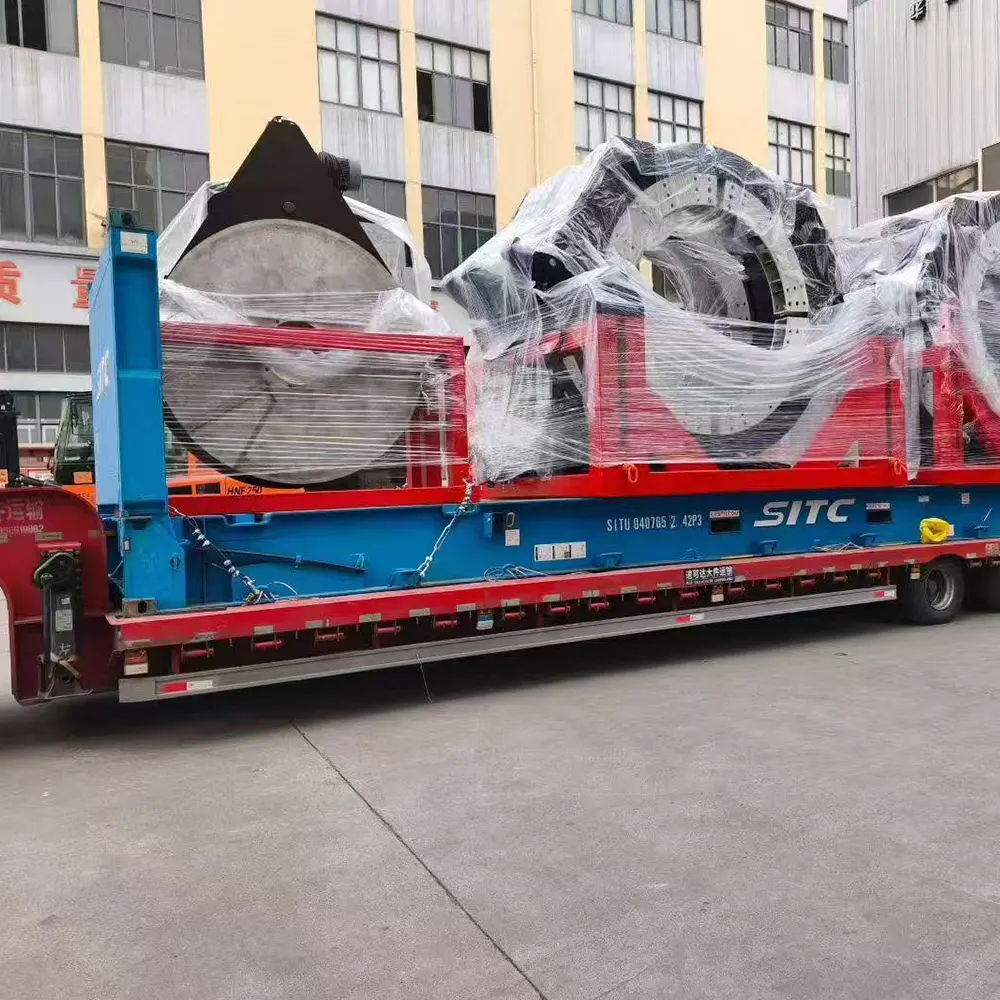
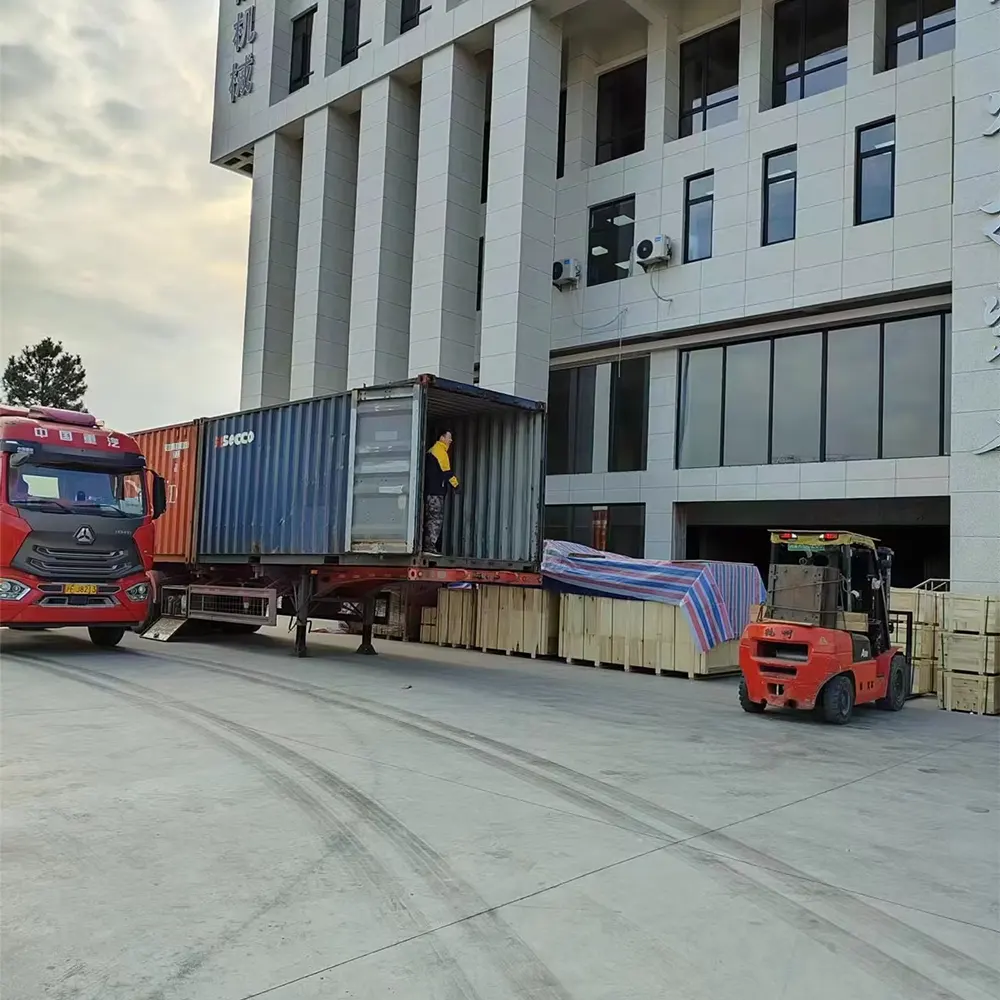
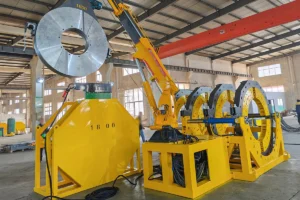
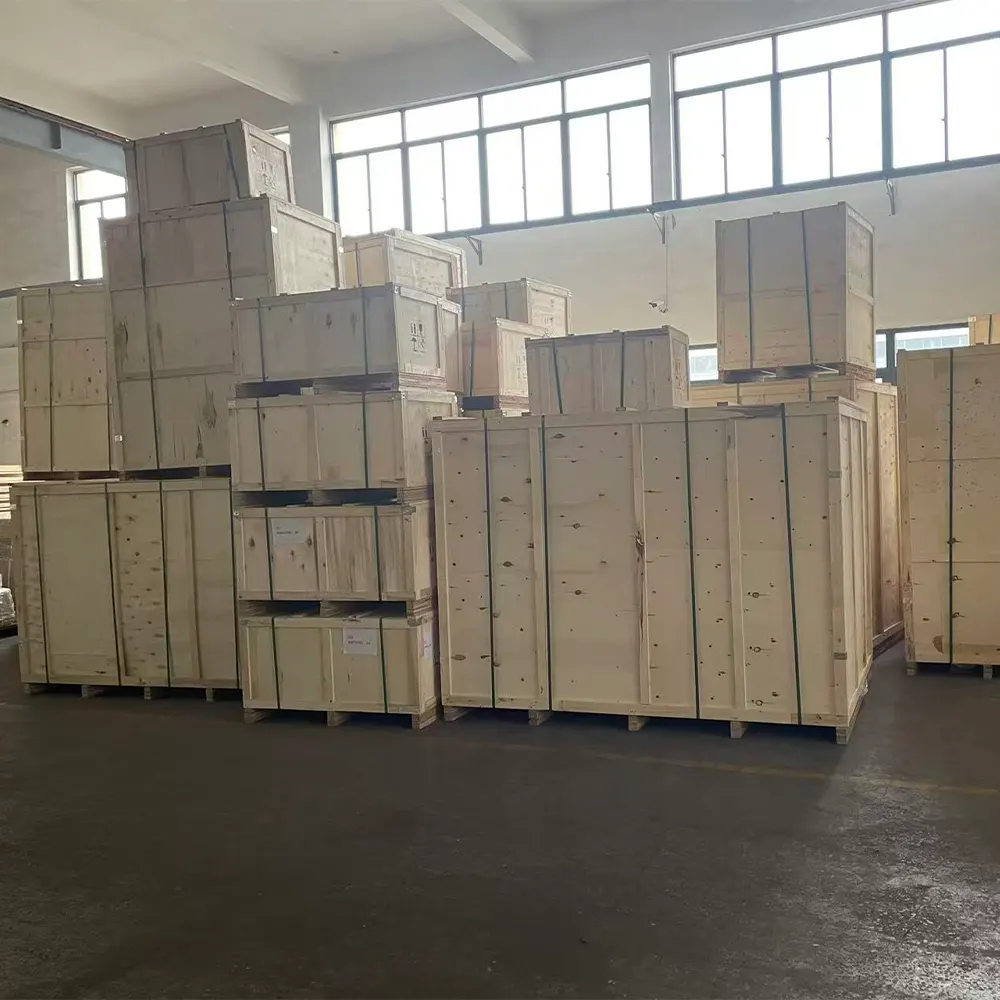
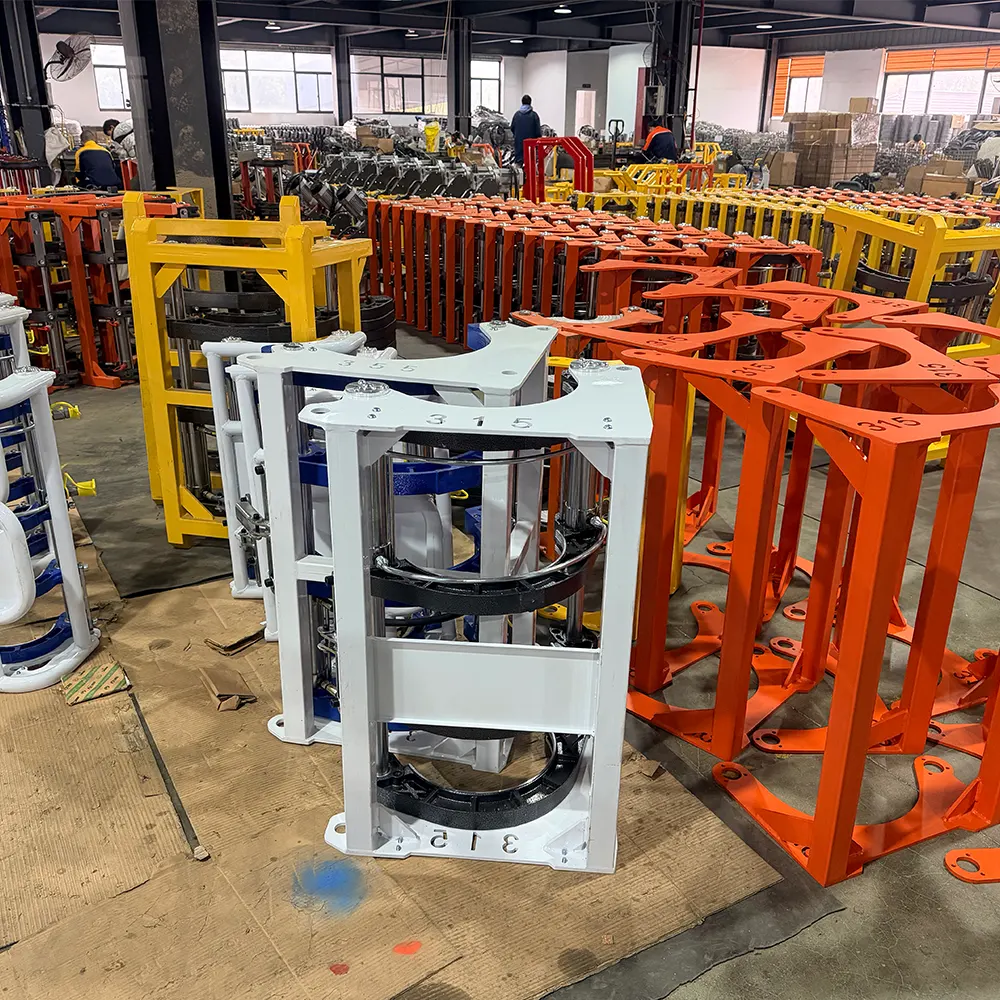
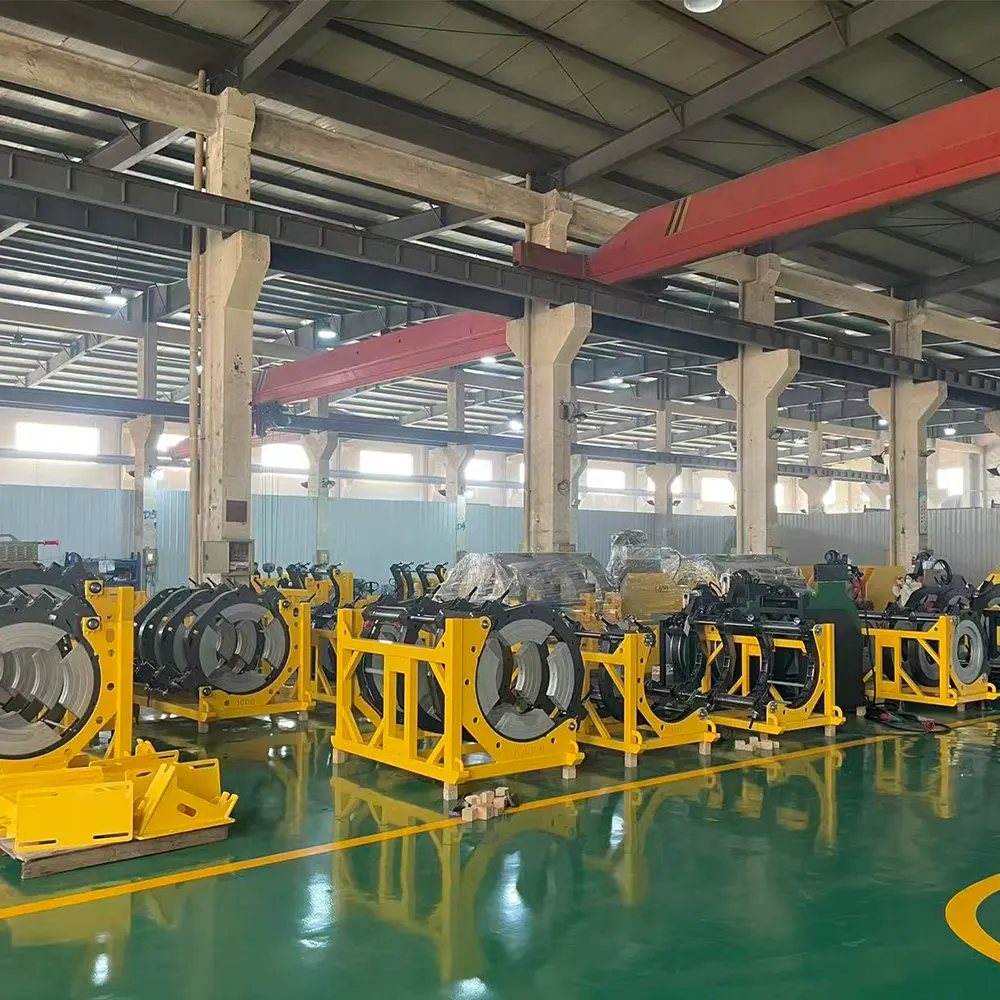
State-of-the-Art Factory & Large Ready Inventory
JQ-Fusion maintains a large, strategically organized inventory across all standard hydraulic models. Whether you need single urgent replacements or bulk fleet orders, our production capacity ensures rapid global container dispatch.
Frequently Asked Questions
Find expert answers regarding hydraulic fusion operational parameters, maintenance routines, and standard compliance.
How is drag pressure correctly measured on a hydraulic fusion machine?
Drag pressure ($P_{drag}$) is the hydraulic force required to overcome sliding friction of the carriage and pipe weight. After clamping the pipe and facing the ends, move the carriage toward the heating plate at operating speed. The minimum steady pressure indicated on the hydraulic gauge right as the pipe moves is your drag pressure, which must be added to the theoretical fusion formula pressure ($P_{total} = P_{fusion} + P_{drag}$).
What is the difference between Single High Pressure and Dual Low Pressure fusion?
Under ISO 21307 butt fusion procedures, dual low-pressure methods use an interfacial pressure of approximately 0.15 ± 0.01 N/mm² with longer cooling cycles. Single high-pressure methods utilize higher interfacial pressure (approx. 0.35 ± 0.03 N/mm²), allowing significantly shorter cooling durations without loss of joint strength. JQ-Fusion hydraulic stations feature adjustable pressure ranges capable of executing both standard cycles.
Can different pipe wall thicknesses (SDRs) or PE grades be butt fused together?
Direct butt fusion requires identical or nearly identical wall thicknesses (same SDR). When joining pipes with different wall thicknesses, machining a chamfer (1:4 taper transition) is mandatory to prevent uneven stress concentration. According to technical guidance on PE pipe compatibility, PE100 and PE80 with compatible melt flow indexes (MFI 190/5 between 0.2 and 1.4 g/10 min) can be safely welded together.
What hydraulic oil viscosity grade is recommended for outdoor field operations?
For standard ambient operating conditions (0°C to +40°C), anti-wear hydraulic oil ISO VG 46 is standard. In extreme arctic or sub-zero winter field environments (-20°C to +10°C), low-temperature anti-wear hydraulic oil ISO VG 32 or synthetic HVLP fluid must be used to ensure rapid valve response and pressure stability.
Request an Engineering Quote
Need technical consultation, bespoke insert sizing, or container pricing for your upcoming pipeline tender? Our engineering sales team is available around the clock.
Official Inquiries
Direct Technical Hotline
+86 15093385787
Manufacturing Base
Zhengzhou, Henan Province, China
Connect with Our Engineering Desk
Explore machine specifications, request custom clamp adapter tooling, or apply for international distributorship.