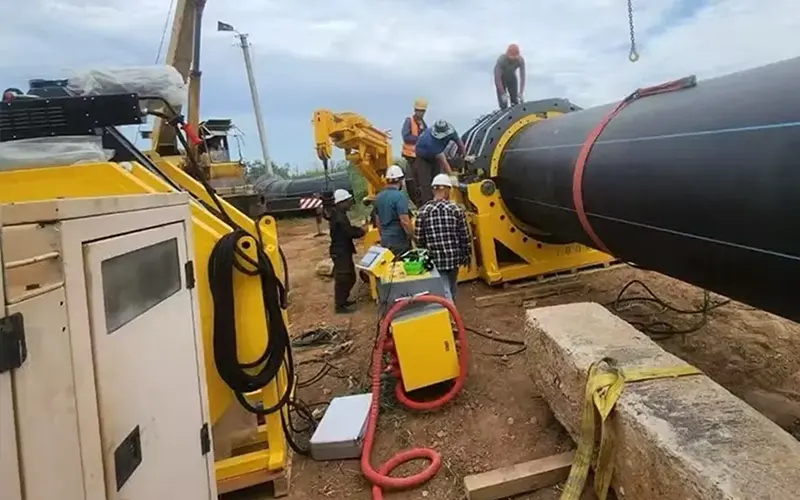
Selecting the right HDPE fusion machine is a critical decision that directly impacts the integrity of your pipeline system. Whether you are working on municipal water supply, gas distribution, or industrial applications, understanding the core factors behind the equipment will help you avoid costly mistakes and ensure long-term performance. This guide walks you through the essential criteria to consider when making your investment.
Understanding Your Project Requirements
Before comparing different butt fusion machine models, you must clearly define your operational needs. The scope of your project dictates the type of equipment required.
- Pipe Diameter Range: The most fundamental parameter. Machines are designed to handle specific OD ranges, from small 20mm pipes to large diameters exceeding 2000mm.
- Wall Thickness and SDR: The Standard Dimension Ratio (SDR) influences the pressure rating and the welding parameters you must follow.
- Material Grade: Ensure the machine is compatible with PE80, PE100, or PE100-RC materials. Most modern machines handle these standard PE grades seamlessly.
- Jobsite Conditions: A workshop environment differs significantly from a muddy trench. Evaluate portability, power source availability, and weather exposure.
Types of HDPE Fusion Machines
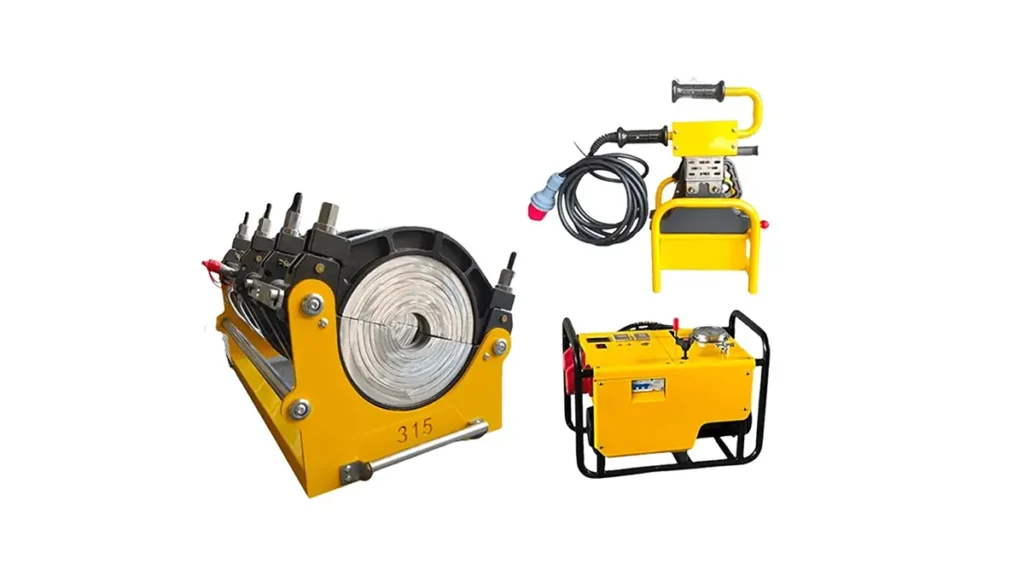
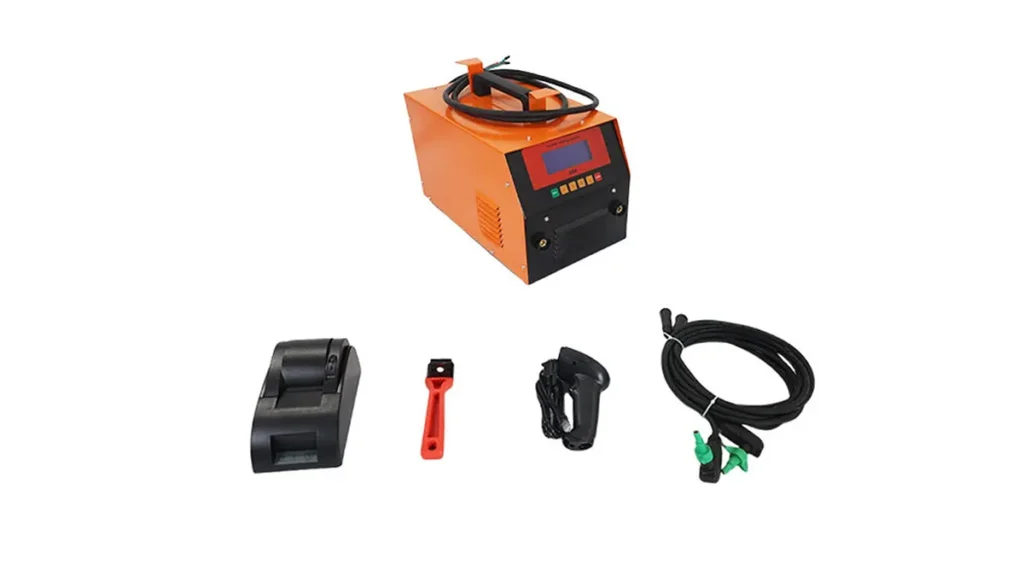
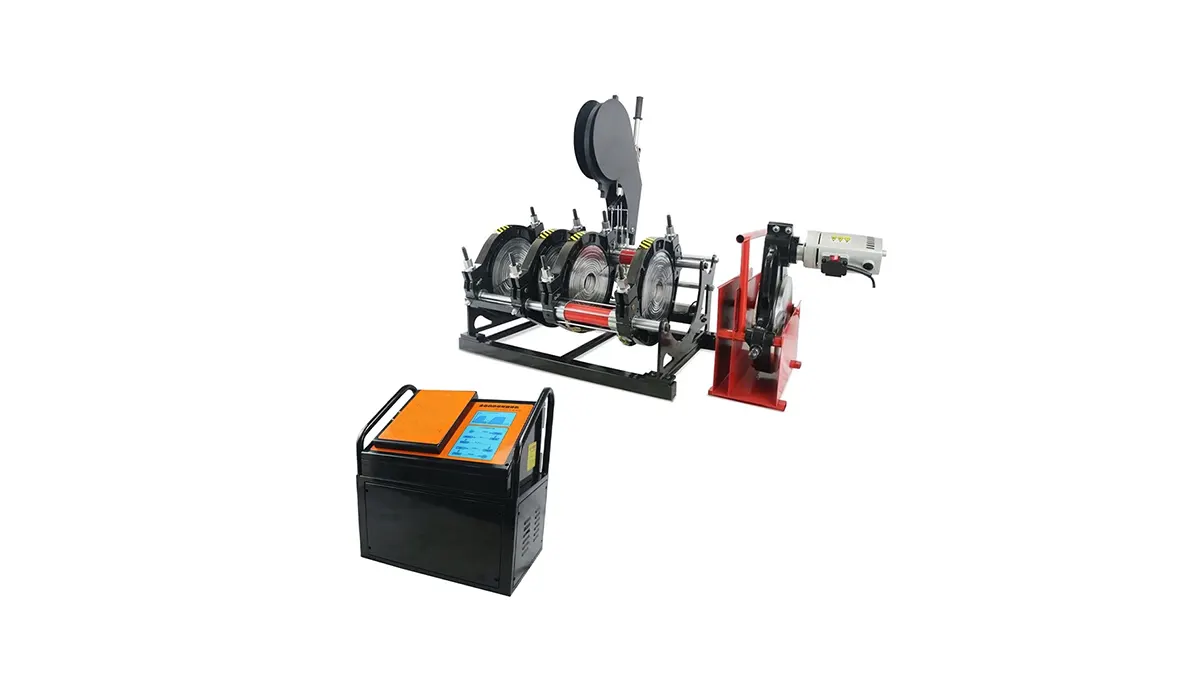
Different joining technologies exist for HDPE pipe fusion. The two primary methods are butt fusion and electrofusion. Within butt fusion, you have manual, hydraulic, and CNC automatic variants. Each offers distinct advantages depending on the application scale and precision required.
| Machine Type | Best Application | Key Advantage | Typical Range |
|---|---|---|---|
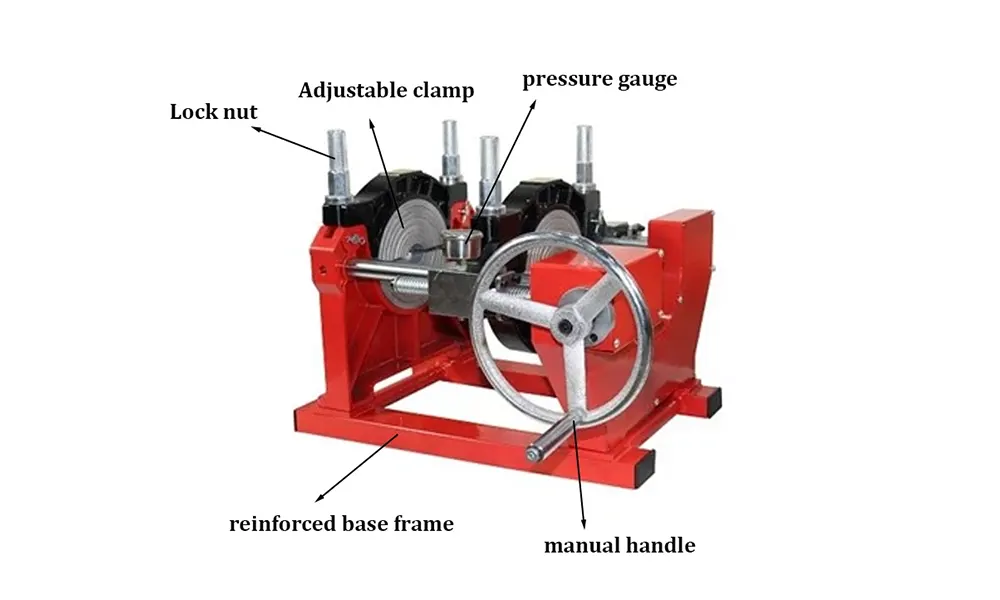
| Manual Butt Fusion | Small diameter, low volume | Portability, cost-effective | 20mm – 250mm |
| Hydraulic Butt Fusion | Medium to large diameter | Consistent pressure control | 160mm – 2500mm |
| CNC Automatic Fusion | High precision, traceability | Data logging, reduced operator fatigue | 160mm – 1200mm |
| Electrofusion | Repairs, confined spaces, gas | Precise, lightweight controllers | 20mm – 1200mm |
Key Technical Specifications to Evaluate
Once you decide on the machine category, scrutinize the technical specifications. These details determine the reliability of every joint you create.
Clamping and Alignment System
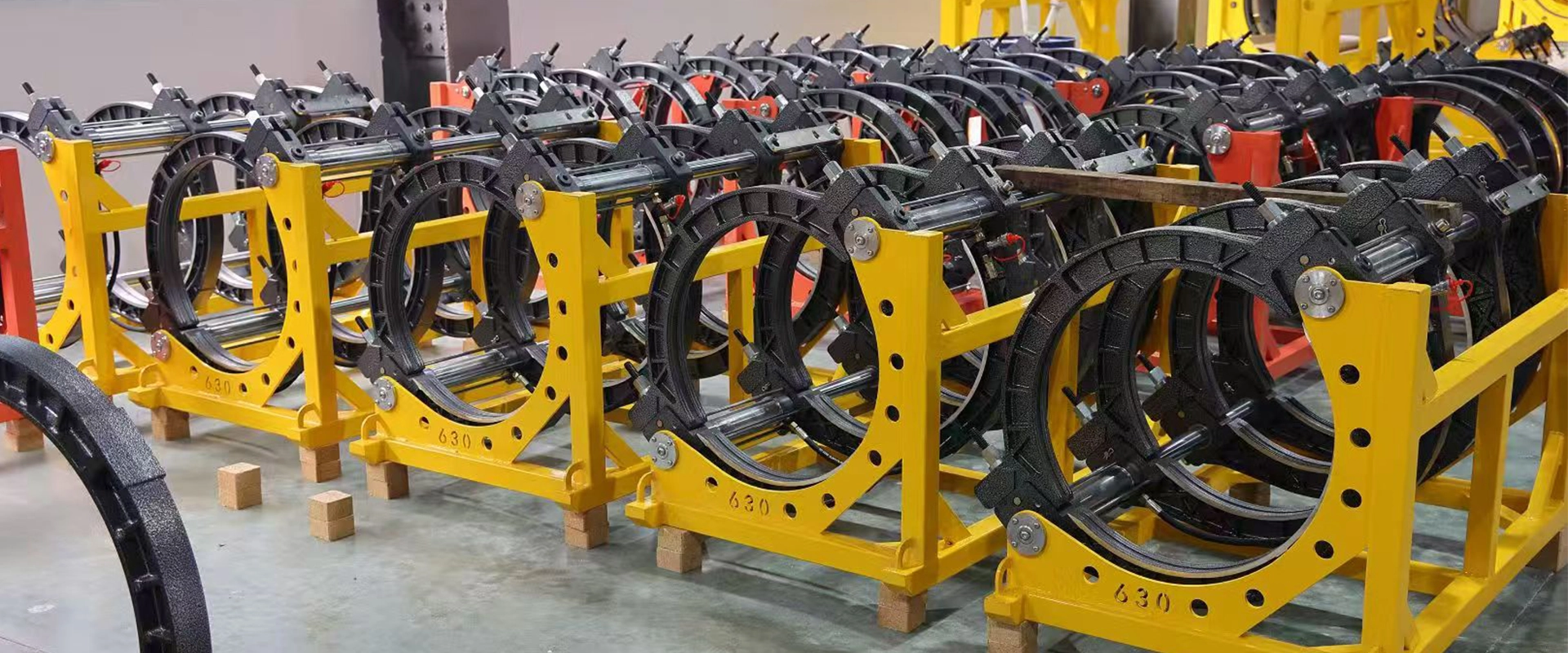
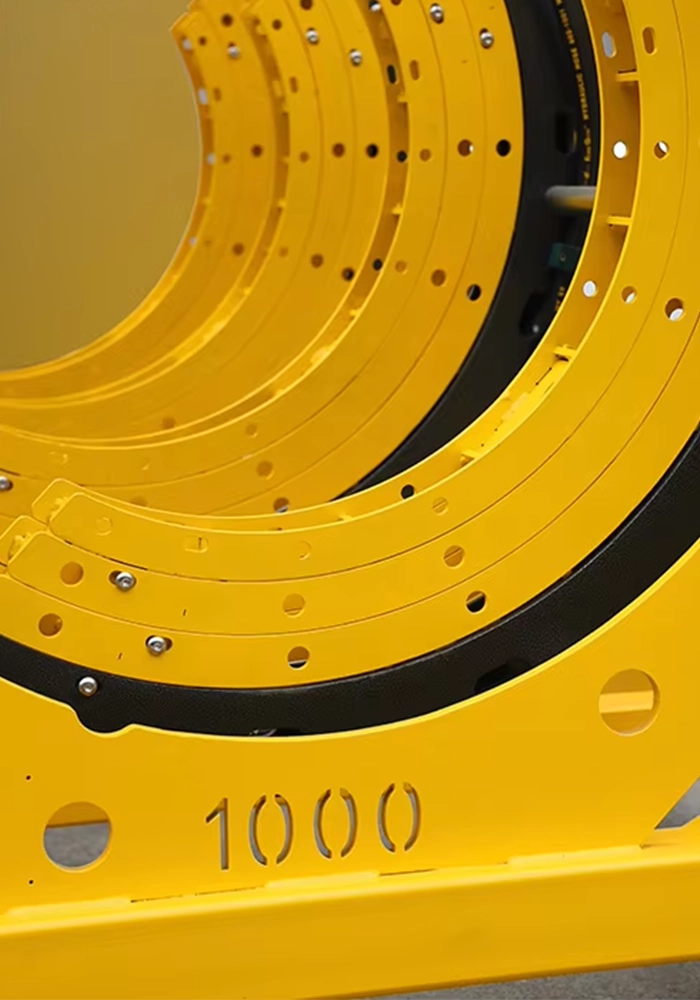
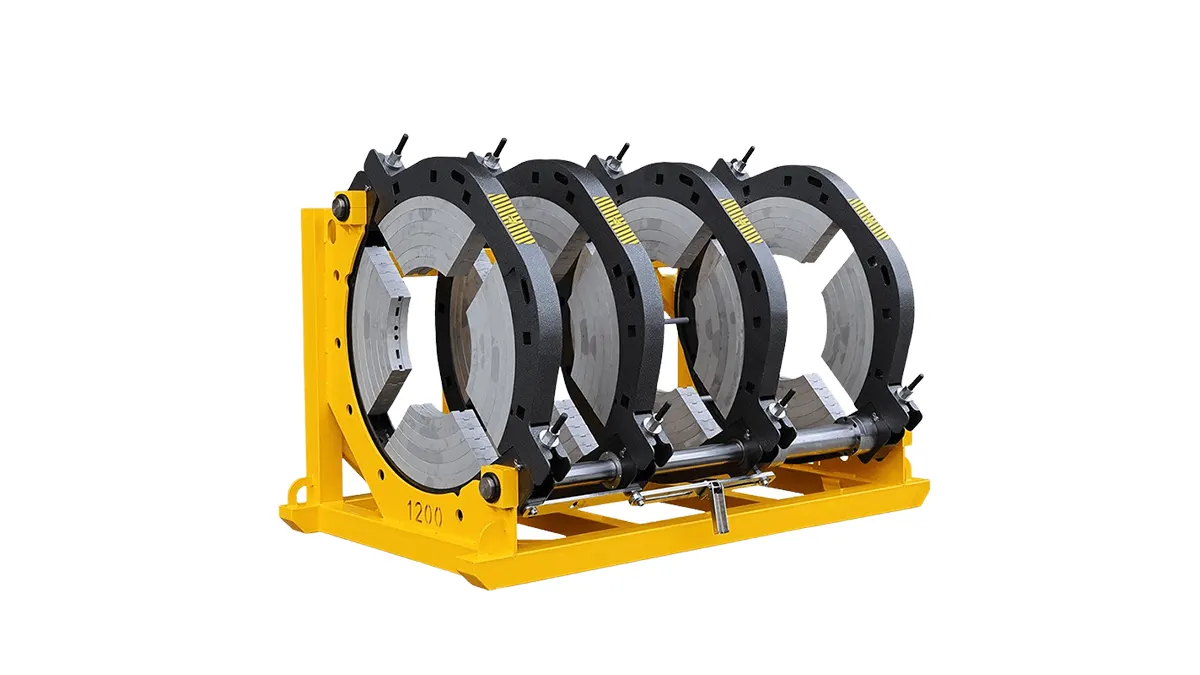
The frame must hold pipes rigidly and align them perfectly. Look for aluminum clamps that reduce pipe slippage and prevent surface damage. The rigidity of the base frame is essential to maintain alignment during the high-pressure fusion cycle, especially on larger diameters where pipe weight is significant.
Heating Plate Performance
The heating plate must distribute uniform heat. A high-quality non-stick PTFE coating is necessary to prevent molten polymer residue from contaminating the joint. Electronic temperature control with digital displays ensures you adhere to the ISO 21307 butt fusion procedures which specify strict temperature windows, typically around 225°C.
Facer and Trimmer Quality
The facer must create clean, parallel faces on both pipe ends. Durable, sharp blades and a robust motor ensure the pipe ends are perfectly squared. Any deviation here leads to misalignment and a weak joint. Check that the facer can handle the wall thickness you are working with without bogging down.
Hydraulic Power Unit
For hydraulic machines, the power unit determines the smoothness of the operation. Look for a unit that allows fine pressure adjustment. It must be capable of maintaining constant pressure during the heating and fusion phases to compensate for pipe drag and environmental factors.
Compliance with Industry Standards
Never compromise on standards. Your HDPE fusion machine must enable you to meet the requirements of international codes. Compliance ensures safety and legal operation.
- ISO 12176-1: This is the specific standard for PE butt fusion equipment standard, covering safety and performance requirements.
- ASTM F2620: The recognized practice in North America for ASTM F2620 heat fusion joining, providing essential procedural guidelines.
- DVS Standards: German guidelines widely respected for technical rigor in pipe welding.
Request documentation from the manufacturer to verify that their equipment has been tested according to these benchmarks. For gas applications, adhering to PE gas piping systems standards like ISO 4437 is mandatory.
Evaluating the Manufacturer and Support
The reliability of your machine is directly linked to the manufacturer’s expertise. A supplier with deep industry knowledge will offer more than just hardware. They provide guidance on operational parameters and troubleshooting.
JQ-Fusion is a professional manufacturer specializing in HDPE pipe welding machines, providing reliable butt fusion solutions for global infrastructure projects. With years of industry experience, we focus on the development and production of manual, hydraulic, and CNC automatic butt fusion welding machines, covering a wide range of pipe sizes from small to large diameters. Our products are widely used in water supply, gas distribution, mining, and industrial pipeline systems.
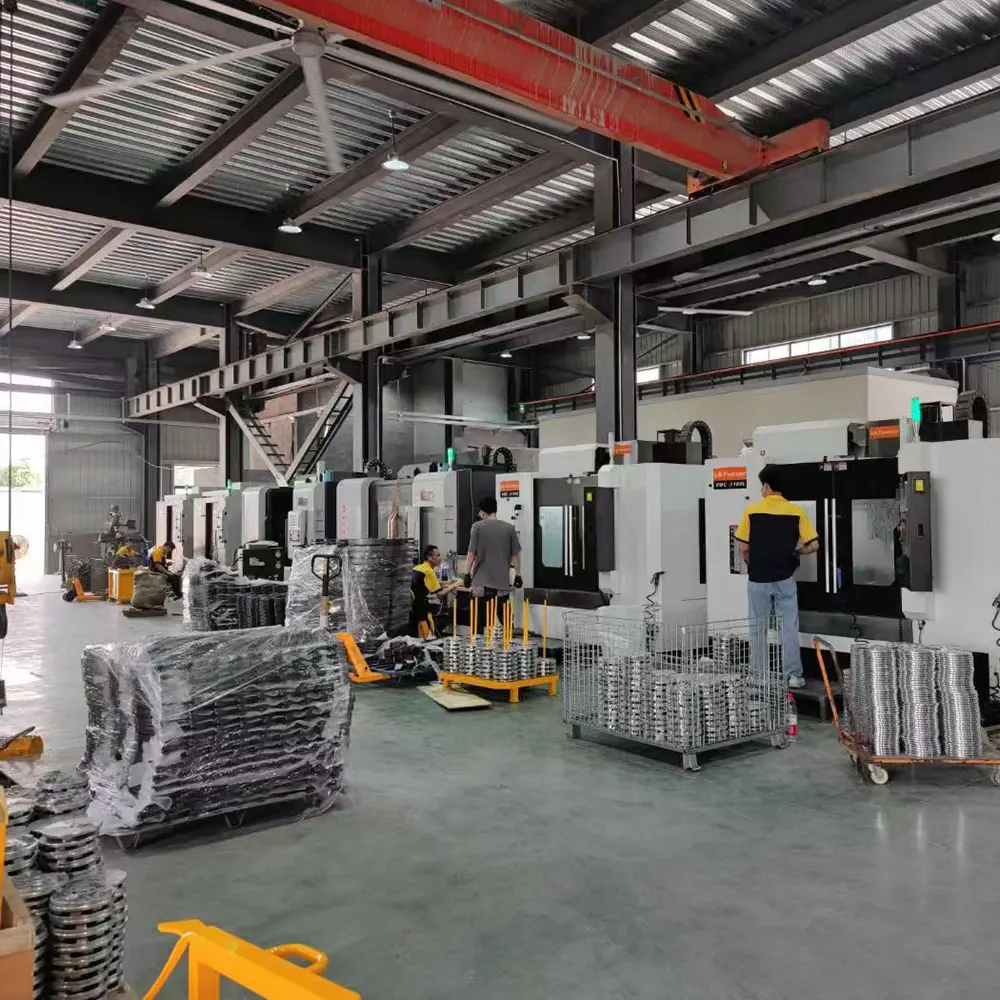
We are committed to delivering high-quality, durable, and customizable welding equipment to meet diverse project requirements. Supported by advanced manufacturing facilities, strict quality control processes, and a responsive service team, we help our clients achieve efficient, precise, and reliable pipe welding performance. Beyond supply, having reliable after-sales service is a key factor in how to choose an HDPE fusion machine supplier who can truly support your long-term success.
Cost Considerations Beyond the Price Tag
While the initial purchase price is important, the total cost of ownership determines your long-term return. A cheaper machine that produces inconsistent joints can lead to catastrophic pipe network failures, the cost of which dwarfs the initial savings.
- Consumables: Heating plates and facer blades are wear items. Check the availability and cost of replacements.
- Maintenance Accessibility: Hydraulic hoses, seals, and electronic components must be serviceable. A machine with proprietary parts that are hard to source becomes a liability.
- Resale Value: Well-maintained equipment from reputable brands retains value. Generic machines often depreciate quickly and become unserviceable.
- Training: Does the supplier offer operator training? Proper training is a one-time cost that prevents a lifetime of bad welds.
Portability and Jobsite Adaptability
For contractors moving between urban and remote sites, portability is key. Manual machines often come with lightweight stands and can be transported easily. For hydraulic units, check if the frame has lifting eyes or chassis configurations suitable for your vehicles. The machine’s ability to withstand harsh outdoor environments—dust, moisture, and temperature extremes—should also influence your selection.
Final Decision Checklist
Before you commit to a purchase, run through this final checklist based on what we’ve covered:
- Does the machine’s diameter range cover your current and future pipe sizes?
- Is the machine certified to meet ISO 12176-1 or ASTM F2620?
- Are digital data logging and traceability features present if required?
- Is the manufacturer able to provide emergency spare parts and technical support quickly?
- Have you verified the power requirements match your available supply?
By methodically evaluating these factors, you will secure a machine that delivers consistent, safe, and durable fusion welds for years to come.