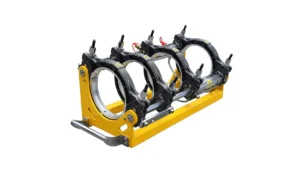
HDPE Welding Machine Manufacturer for Industrial Reliability & Precision
JQ-Fusion develops heavy-duty, high-precision HDPE pipe welding systems engineered for municipal potable water networks, high-pressure gas distribution, abrasive mining slurries, and industrial chemical infrastructure. Delivering micro-meter clamp alignment and closed-loop temperature accuracy across extreme field conditions.
Excellence in HDPE Pipe Fusion Machinery
As a dedicated HDPE welding machine manufacturer, JQ-Fusion delivers uncompromising structural integrity for plastic piping systems. Butt fusion forms the backbone of modern thermoplastic infrastructure, joining high-density polyethylene (PE80, PE100, and PE100-RC) through precisely regulated thermomechanical cycles.
Every machine engineered within our facility adheres to the strict technical criteria defined by PE butt fusion equipment standard (ISO 12176-1) and international welding protocols such as ISO 21307 butt fusion procedures and ASTM F2620 heat fusion guidelines.
By utilizing aircraft-grade aluminum alloy clamps, high-torque planing tools, and microprocessor-controlled heating plates with PTFE non-stick coatings, we guarantee that field joints achieve equal or greater tensile strength than the virgin pipe itself.
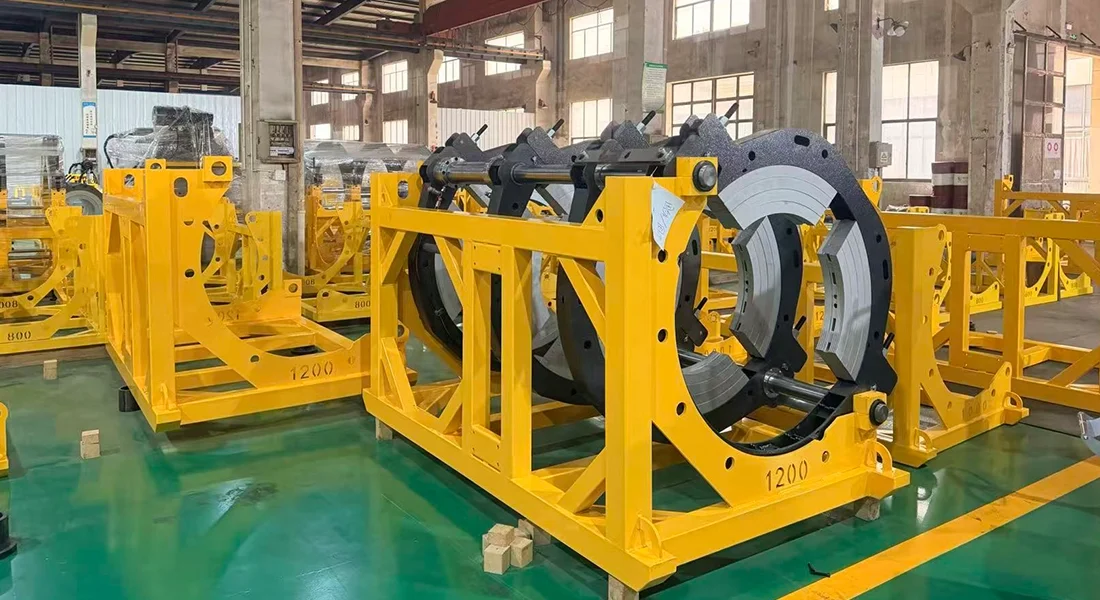
Advanced HDPE Pipe Fusion Machine Series
From compact manual units for branch connections to CNC-automated hydraulic systems for deep-trench infrastructure, explore our certified machinery engineered to support all Standard Dimension Ratios (SDR 7 to SDR 41).
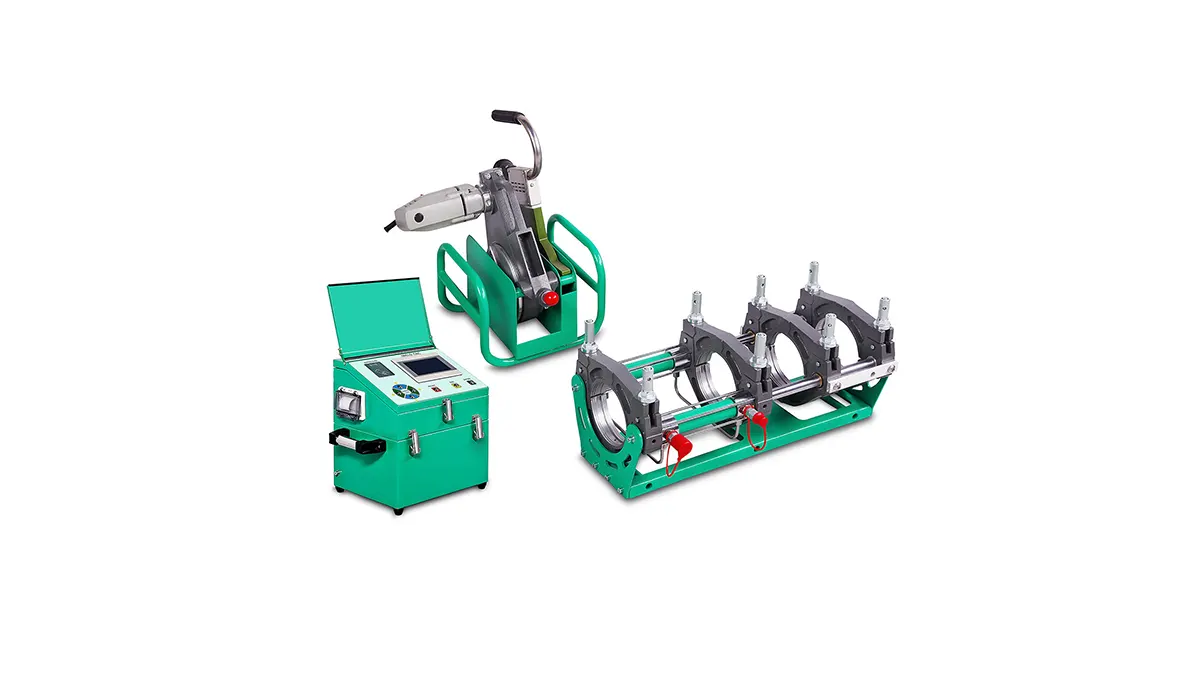
Hydraulic Butt Fusion Welders
Engineered for 50mm to 2500mm diameter pipes. Features quick-coupling dual-circuit hydraulic stations, digital temperature regulation, and high-strength aluminum cast clamps for precise drag compensation.
View Hydraulic Series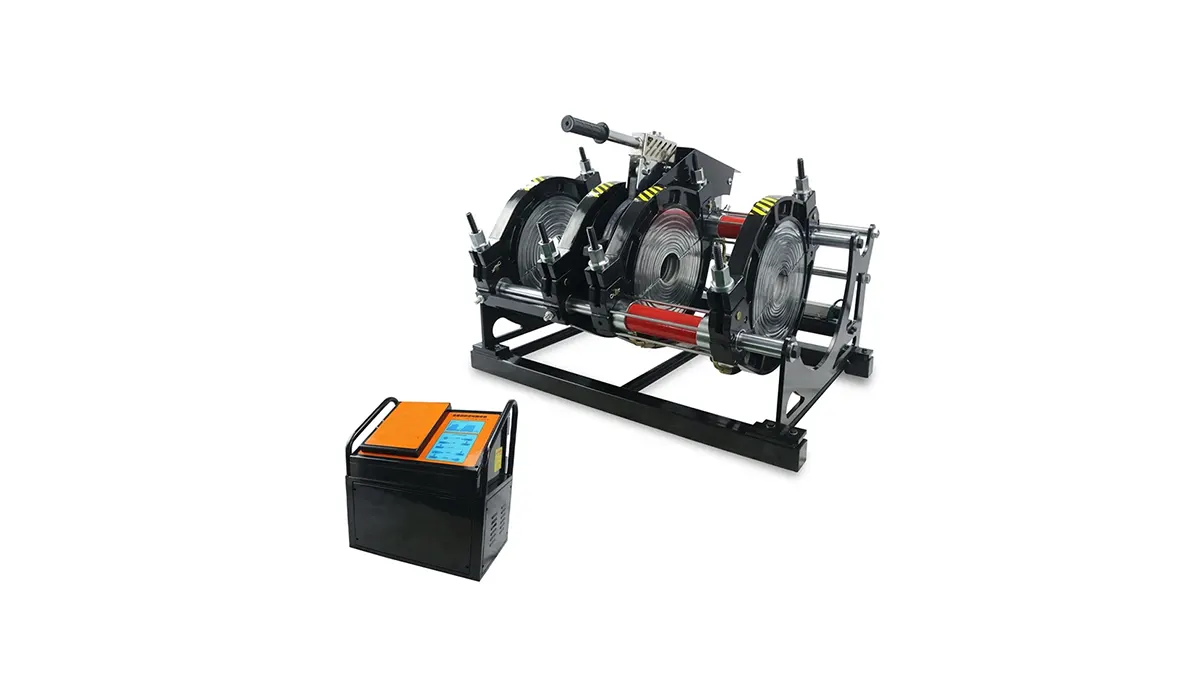
CNC Automatic Fusion Systems
Automated PLC-driven fusion cycles eliminating operator error. Features integrated data recording compliant with PE fusion traceability and automated heating plate pop-up mechanisms.
Explore CNC Automatic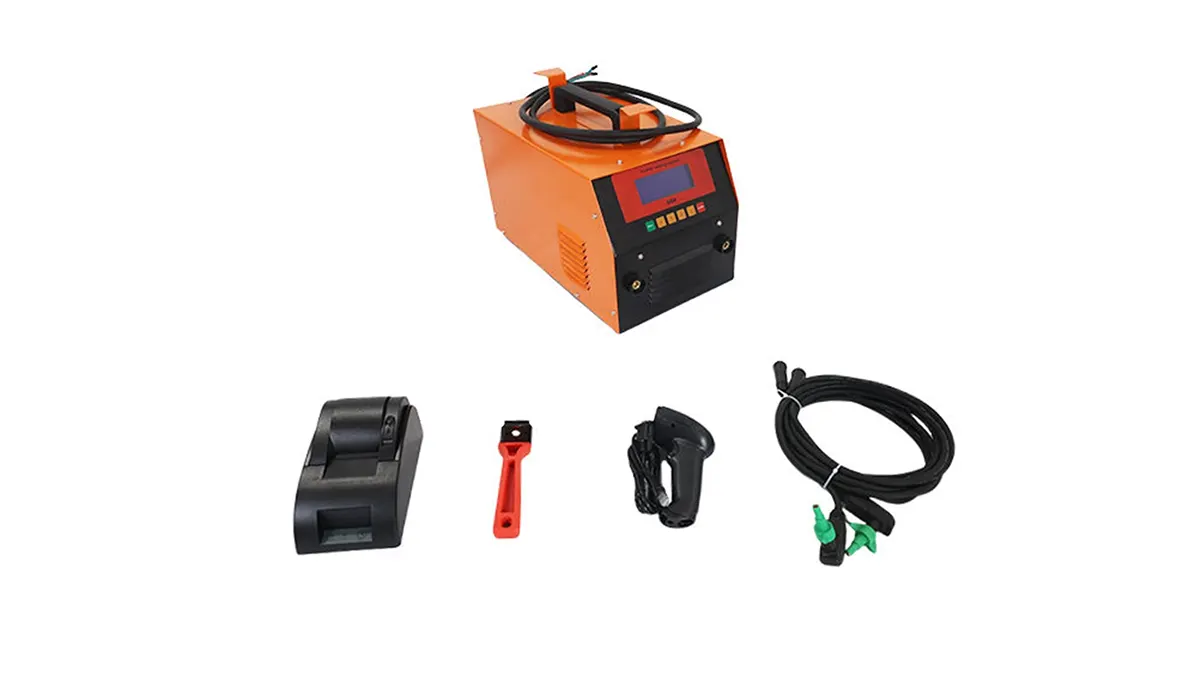
Electrofusion Processors
Compact, multi-voltage electrofusion controllers manufactured in accordance with PE electrofusion equipment standard (ISO 12176-2) with optical barcode scanning.
Explore Electrofusion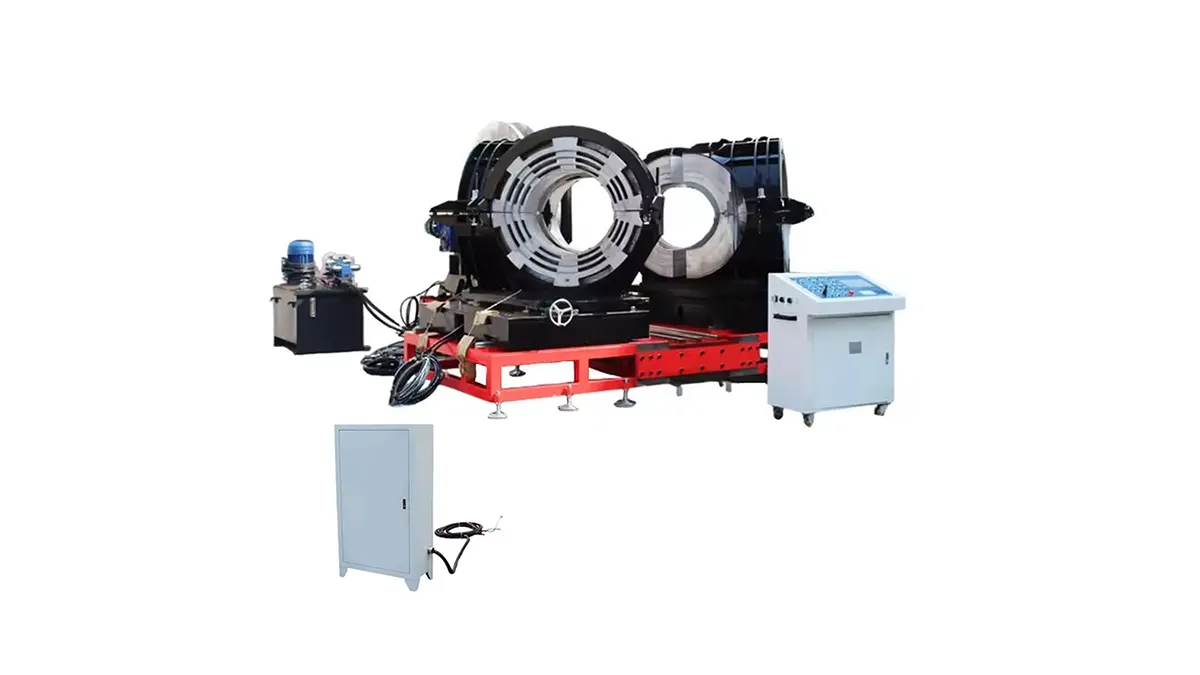
Multi-Angle Fitting Machines
Fabricate segmented bends (elbows), equal tees, crosses, and wyes up to 1600mm. Built to fulfill butt-fused PE fittings standards with high rotational angle precision.
View Workshop Systems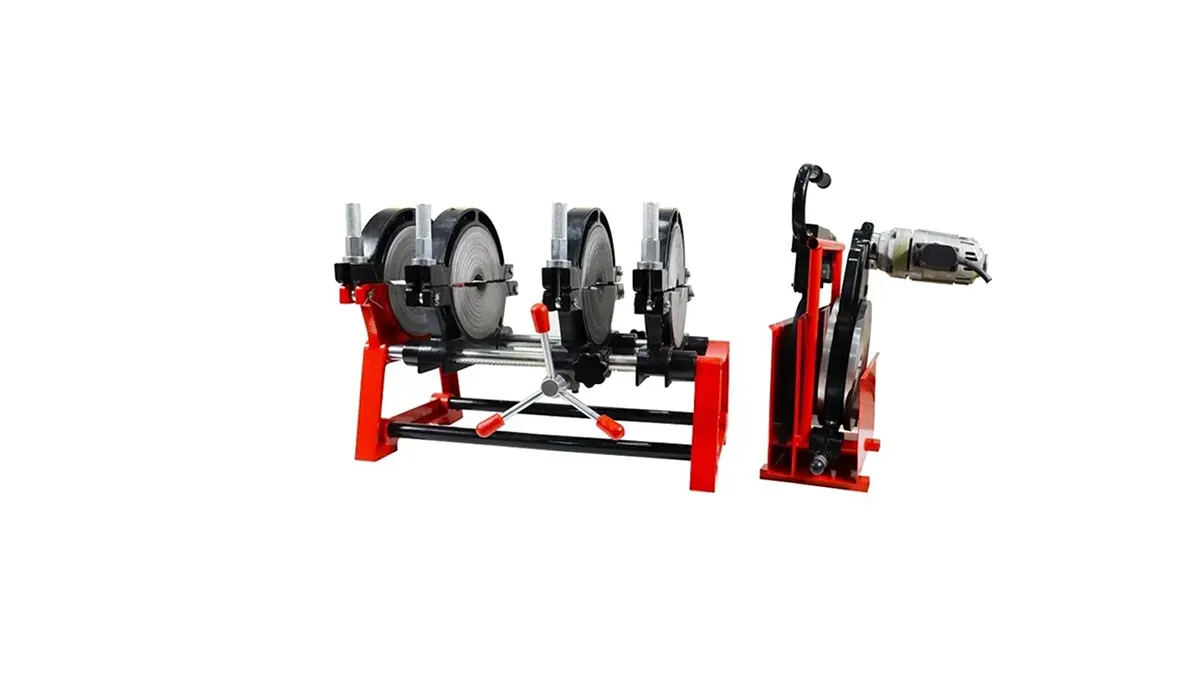
Manual Butt Fusion Units
Ergonomic 2-clamp and 4-clamp manual welders for smaller pipe diameters (40mm to 250mm). High portability, mechanical screw-drive or lever operation for tight utility trenches.
View Manual Series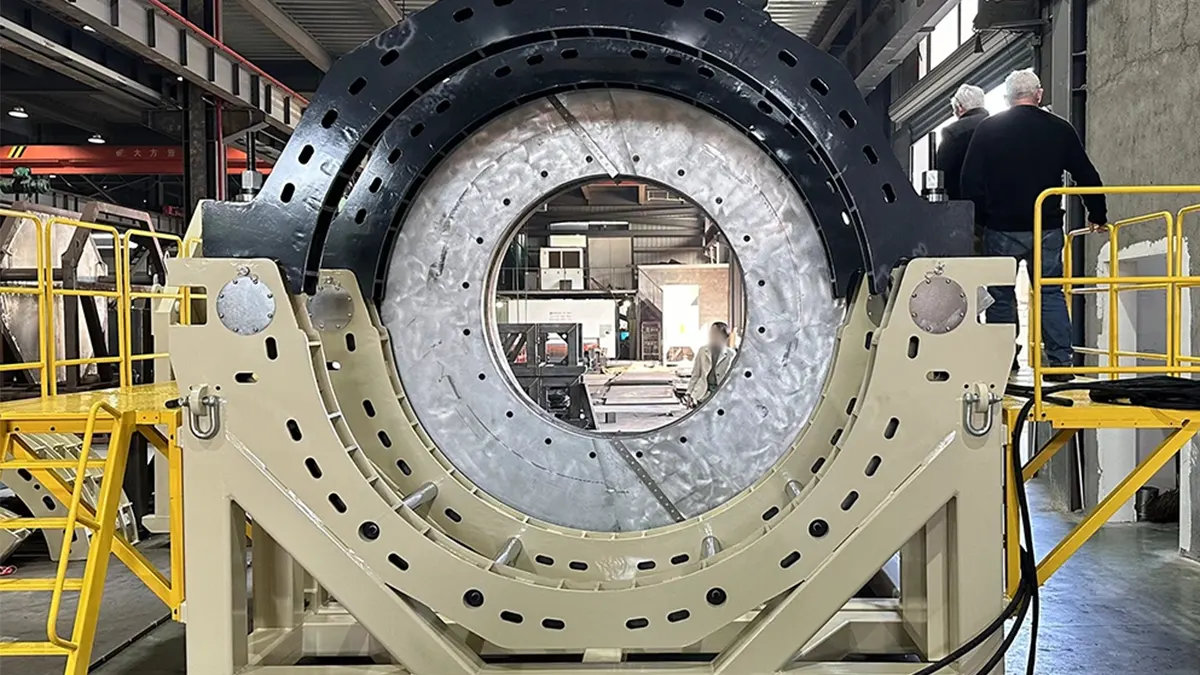
Large Diameter Fusion (up to 2500mm)
Custom high-tonnage hydraulic cylinders with motorized planer lifts, crane-assisted heating plates, and reinforced chassis designed for heavy wall thicknesses (SDR 9, SDR 11).
View Large DiameterHow a Premium HDPE Welding Machine Is Manufactured
The long-term safety of continuous pressure pipelines depends heavily on the repeatability of butt fusion joints. As a benchmark HDPE welding machine manufacturer, JQ-Fusion integrates a 7-stage quality assurance system across fabrication, assembly, and calibration stages.
Understanding the physics of HDPE fusion—from initial bead-up pressure and heat soak time to dual-stage cooling under constant hydraulic force—demands precision down to fractions of a bar and individual degrees Celsius. We align each unit with the international directives documented in PE butt fusion process (PPI TN-51) and PPI butt fusion procedure (TR-33).
| Critical Parameter | JQ-Fusion Engineering Standard | Industry Minimum Standard | Impact on Welded Pipeline |
|---|---|---|---|
| Heating Plate Surface Deviation | ≤ ±2°C across entire surface | ±7°C to ±10°C | Prevents thermal degradation & un-melted crystalline zones. |
| Hydraulic Pressure Holding | 0-bar pressure loss over 60 min | < 5% pressure loss acceptable | Ensures proper molecular chain entanglement during cooling. |
| Clamp Coaxial Alignment | Offset < 0.15 mm under full clamping force | Offset < 0.50 mm | Eliminates high-stress notches and joint ovality defects. |
| PTFE Coating Durability | 3-layer sintered DuPont PTFE (40μm) | Single layer spray (15-20μm) | Prevents molten polymer adhesion and cross-contamination. |
| Data Logging Traceability | Real-time USB & Bluetooth data export | Manual operator recording | Full compliance with ISO 12176-4 quality audit trails. |
Hydrostatic and Tensile Verification
Every prototype design and mass-production batch undergoes destructive high-temperature tensile testing and long-term hydrostatic testing at 80°C according to ISO 4427 PE water pipes and ASTM F714 PE pipe criteria. The welded specimen must yield outside the fusion zone, proving the weld matrix is as robust as the raw polyethylene pipe material.
Built for Demanding Industrial Pipeline Networks
High-density polyethylene is widely utilized due to its zero-corrosion properties, flexibility, and longevity. However, an HDPE pipeline is only as reliable as its weakest joint. JQ-Fusion equipment is tailored specifically for critical application sectors worldwide:
Municipal Potable Water
Complies with PE water piping requirements. Delivers leak-free fusion joints for bulk transmission trunk lines and distribution grids.
Natural Gas Distribution
Meets PE gas pipe standard (ISO 4437) and ASTM D2513 PE gas pipe strict gas leakage safety regulations.
Mining Slurry & Tailings
Heavy-duty hydraulic units designed to withstand the highest wall thickness pipes (SDR 7/SDR 9) used in abrasive mineral transport.
Industrial & Chemical
Fusion solutions conforming to industrial PE piping systems (ISO 15494) for aggressive chemical and cooling fluid circuits.
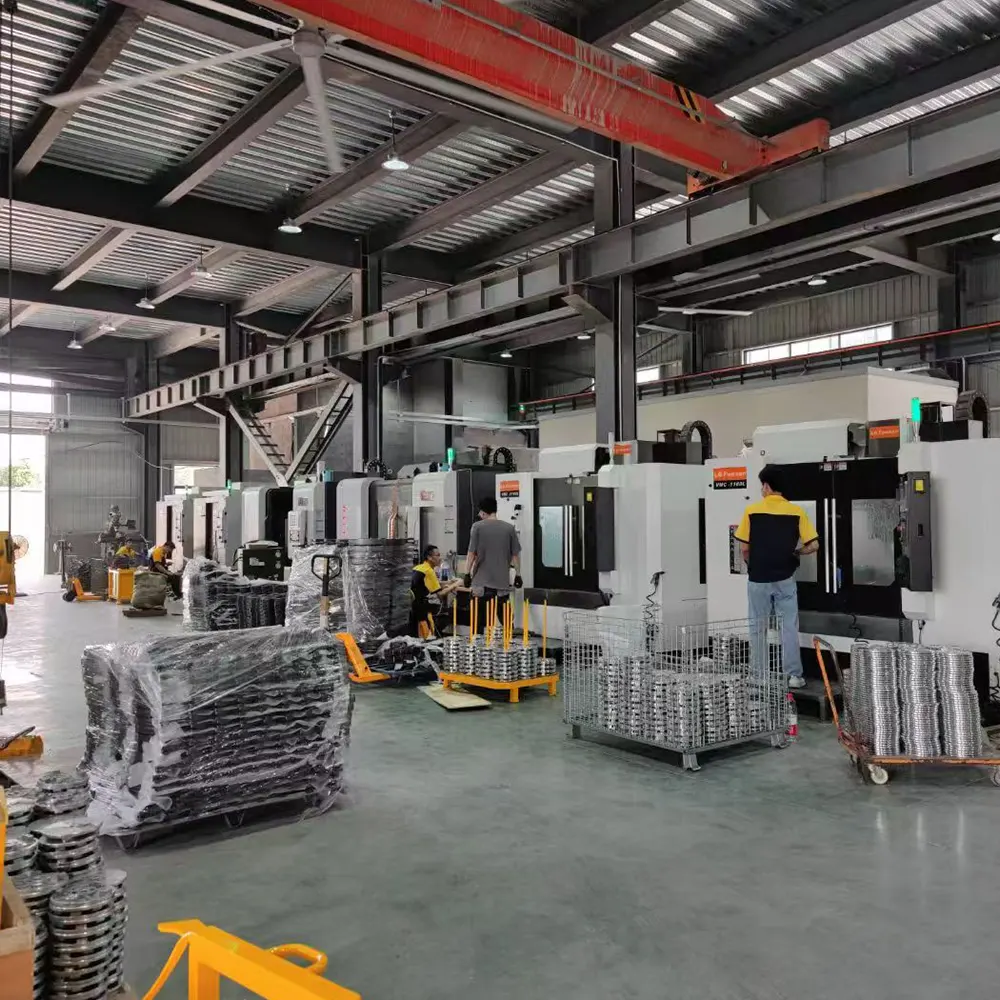
State-of-the-Art Factory & Extensive Ready Stock
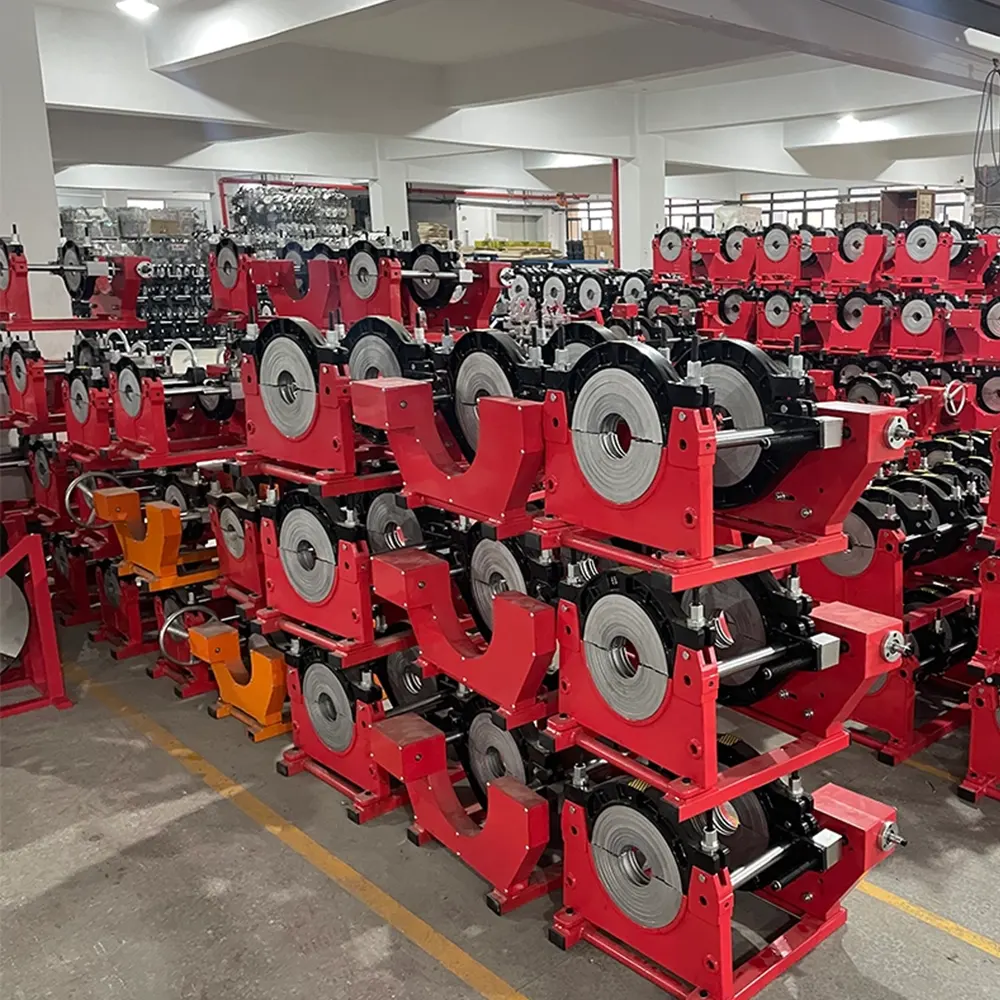
Infrastructure projects cannot afford downtime or delivery delays. JQ-Fusion maintains an expansive warehouse inventory of standard manual, hydraulic, and workshop multi-angle welders, along with complete spare parts sets (heating elements, milling inserts, hydraulic seals, and micro switches) ready for dispatch within 48 to 72 hours.
Custom OEM/ODM Branding
Custom paint finishes, CNC laser chassis badging, tailored software UI languages, and custom clamp configurations to expand your regional brand presence.
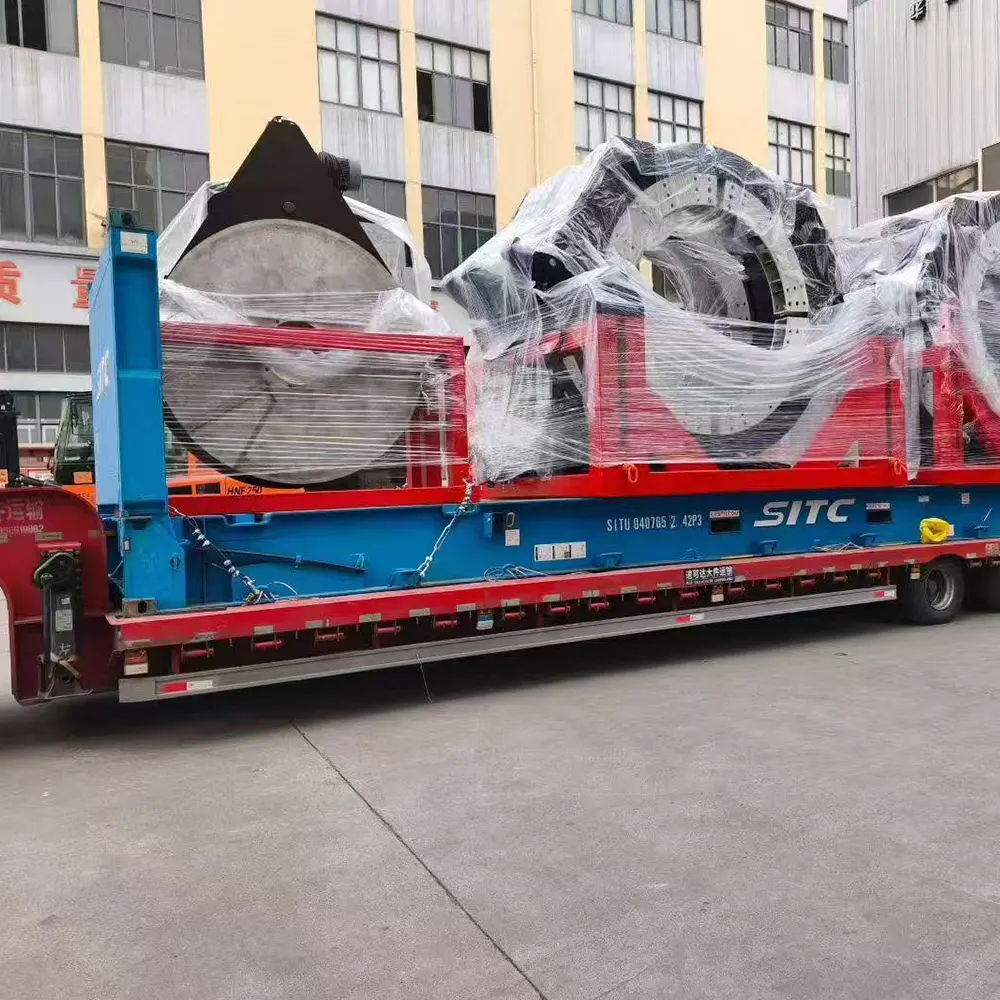
Plywood Export Packaging
Heavy-duty fumigation-free wooden crates reinforced with metal corner brackets, moisture-barrier wrapping, and custom foam inserts for safe sea and air shipping.
Worldwide Technical Support
Comprehensive video commissioning tutorials, bilingual wiring diagrams, pressure calculation apps, and direct engineering consultations for pipeline operators.
HDPE Welding Machine Selection & Operational Guide
Selecting the appropriate butt fusion equipment requires a deep understanding of pipeline wall thickness, site environmental conditions, and international conformity criteria. Below are vital engineering considerations for contractors and project managers:
How do I calculate true fusion hydraulic pressure?
True fusion pressure is calculated as: Ptotal = Pinterfacial × (Apipe / Acylinder) + Pdrag. Drag pressure (Pdrag) is the frictional resistance needed to move the pipe carriage and must be measured on site before every single weld cycle to ensure the joint receives the precise interfacial force (typically 0.15 to 0.17 N/mm²).
What is the difference between Manual, Hydraulic, and CNC welders?
Manual machines rely on mechanical levers or hand screws suitable for low-pressure, small diameter pipes (≤250mm). Hydraulic machines utilize an electric pump and pressure control valve, offering exact force regulation for medium-to-large pipelines. CNC Automatic units utilize digital PLCs to automate heating plate removal, pressure tracking, and cooling cycles, fully adhering to PE fusion operator requirements (ISO 12176-3).
Can different HDPE raw material grades be welded together?
Yes. According to technical literature on PE pipe compatibility, PE80 and PE100 or PE100-RC can be butt-welded provided their Melt Flow Rates (MFR 190°C/5kg) fall within the compatible range of 0.2 to 1.4 g/10min. The joint parameters should follow the higher grade/thicker pipe specifications.
Why is temperature stability on the heating mirror so critical?
If heating plate temperature drops below 200°C, insufficient melt flow occurs, creating a cold weld with low shear strength. If it exceeds 230°C, polyethylene suffers oxidative thermal degradation, embrittling the molecular structure. JQ-Fusion integrates PID microprocessor temperature controllers with rapid sensor feedback to maintain ±2°C across all plate zones.
Partner with a Trusted HDPE Welding Machine Manufacturer
Whether you are a global piping distributor expanding your equipment catalog, or a major pipeline general contractor needing high-performance fusion welders delivered directly to your job site, JQ-Fusion provides end-to-end technical support and factory-direct pricing.
Request Specifications & Pricing
Contact our engineering sales team for comprehensive catalogs, customized quotation packages, and distributor partnership terms.
Contact JQ-Fusion Team