
HDPE Pipe Welding Machine Buying Guide 2025: Engineering Insights & Selection Framework
Navigate modern thermoplastic fusion technologies, hydraulic vs. CNC automation parameters, ISO/ASTM regulatory compliance standards, and heavy-duty field deployment requirements for municipal water, natural gas, mining, and industrial piping infrastructure.
The Strategic Importance of HDPE Pipe Welding Machines in 2025
High-Density Polyethylene (HDPE) has emerged as the premier piping material globally due to its exceptional chemical inertia, ductile flexibility, zero corrosion susceptibility, and fatigue resistance under high hydraulic transient pressures. According to global utility infrastructure trends for 2025, massive conversions from legacy ductile iron and concrete to PE100, PE100-RC (Resistance to Crack), and PE4710 resins are driving record demand for high-precision jointing equipment. However, an HDPE piping network is only as strong as its fused joints.
Investing in the right HDPE pipe welding machine requires a deep understanding of molecular fusion dynamics. Unlike mechanical jointing or chemical solvent welding used in PVC, HDPE relies on thermal fusion. The pipe ends are faced flat, heated precisely to their semi-crystalline melt transition temperature (200°C to 230°C), and joined under controlled compressive interfacial pressure. Under these conditions, polymer chains cross the joint interface and entangle, yielding a homogenous joint that exhibits tensile and burst strengths matching or exceeding the virgin pipe wall.
Zero-Leak Integrity
Thermal butt fusion eliminates elastomeric seals and mechanical gaskets, creating a fully monolithic pipeline that satisfies stringent zero-leakage requirements for critical methane gas and municipal potable water networks governed by PE gas piping systems.
Data Traceability & QA
Modern automatic CNC welders record essential parameters—drag pressure, soak time, bead-up height, changeover speed, and cooling cycles—delivering automated audit trails compliant with PE fusion traceability protocols.
50+ Year Operational Life
Precision heating plates with uniform surface temperature distribution prevent polymer thermal degradation, guaranteeing the 50-to-100-year design life stipulated by international engineering bodies and PPI technical guidance.
As civil infrastructure projects scale up in 2025, procurement engineers and pipeline contractors must balance initial equipment acquisition costs against site productivity, operational reliability, clamp rigidity, and adherence to international standard procedures such as ISO 21307 butt fusion procedures and ASTM F2620 heat fusion.
Core Types of HDPE Pipe Welding Machines
HDPE welding equipment is categorized by its power source, automation level, clamp configuration, and intended operational environment. Selecting the correct machine class ensures high weld integrity while avoiding capital over-expenditure.
Hydraulic Butt Fusion Machines
Engineered for medium-to-extra-large diameter HDPE, PP, and PVDF pipes (from 160mm up to 2250mm). Features a semi-automatic hydraulic power unit (HPU), reinforced steel chassis, precision planer with high-tensile reversible blades, and PTFE-coated heating plate.
- Size Coverage: 160mm (6″) up to 2250mm (88″) OD mainlines
- Operation: Hydraulic joystick/valve actuation with digital pressure display
- Standard Compliance: Fully compliant with PE butt fusion equipment standard (ISO 12176-1)
CNC Automatic Butt Fusion Machines
Utilizes integrated PLCs and high-speed sensors to automate the entire welding cycle. The system automatically measures drag pressure, executes bead-up, regulates soak temperatures, and records cooling time without human intervention.
- Size Coverage: 160mm up to 630mm OD critical pipeline systems
- Traceability: Full USB/Cloud data-logging with GPS coordinate recording
- Error Prevention: Locks process if temperature/drag variance exceeds tolerance
Manual Butt Fusion Machines
Designed for small-diameter plumbing, building drainage, agriculture, and trench-confined operations. Uses a mechanical screw mechanism or manual lever/gear system to apply clamping pressure without requiring hydraulic power units.
- Size Coverage: 40mm up to 250mm OD low/medium pressure pipes
- Weight: Ultra-portable modular design, easily carried by two operators
- Configurations: 2-clamp or 4-clamp frames with aluminum inserts
Workshop Fitting & Electrofusion Units
Multi-angle workshop machines are built for fabricating segmented elbows, equal tees, crosses, and wyes. Electrofusion units provide bar-code scanning power control for electrofusion couplers, saddles, and tie-in connections.
- Workshop Angles: 0° to 67.5° for segmented bends and tees up to 1600mm
- Electrofusion: Voltage/current auto-regulation via barcode scanner
- Application: In-factory spools and tight trench maintenance
Technical Comparison: Choosing the Optimal HDPE Welder
Use the engineering matrix below to compare machine specifications, operational limits, standard compliances, and target applications for your 2025 pipeline procurement strategy.
| Machine Category | Pipe OD Range | Pressure Control Mechanism | Applicable Standards | Best Use Cases & Pipeline Applications |
|---|---|---|---|---|
| Manual Butt Fusion (JQSY / JQLX / JQST) | 40mm – 250mm (1.5″ – 10″) | Mechanical Lead Screw / Hand Lever | ASTM F714 PE pipe / Low Pressure Codes | Indoor plumbing, agricultural drip irrigation, low-pressure drainage, remote trench repairs without power generator. |
| Standard Hydraulic Butt Fusion (JQH Series) | 160mm – 2250mm (6″ – 88″) | Electro-Hydraulic Power Unit with Pressure Gauge | ISO 21307 butt fusion procedures, ASTM F2620 heat fusion | Municipal potable water distribution, storm sewer mains, mining tailings slurry lines, agricultural trunk mains. |
| CNC Automatic Butt Fusion (JQA Series) | 160mm – 630mm (6″ – 24″) | Microprocessor PLC Closed-Loop Hydraulic Regulation | PE butt fusion equipment standard, ISO 12176-4 Traceability | High-pressure natural gas distribution, petrochemical pipelines, nuclear cooling lines, audited municipal contracts. |
| Multi-Angle Workshop Welder (JQMA Series) | 315mm – 1600mm (12″ – 63″) | Multi-axis Hydraulic Cylinder & Pivoting Clamps | butt-fused PE fittings (ASTM F2206) | Factory fabrication of segmented elbows (0°-90°), equal & reducing tees, wyes, and customized pre-insulated pipe spools. |
| Electrofusion Control Unit (JQEA / JQEB) | 20mm – 800mm (0.75″ – 32″) | Automated Current/Voltage Pulse Regulation | PE electrofusion equipment standard, ASTM F1055 | Service saddle tapping, tie-ins in cramped urban trenches, non-movable pipe repairs, gas service line branches. |
6 Key Criteria for Selecting Your HDPE Welding Machine
Before issuing tenders or purchasing fusion equipment, evaluate these six technical parameters to guarantee long-term field productivity, operator safety, and complete weld integrity.
Pipe Diameter & SDR Range
Calculate the required clamping force based on the heaviest wall thickness (e.g., SDR 7 or SDR 9 vs. SDR 26). Ensure the machine includes precision CNC-machined aluminum inserts that span your current and forecasted pipe outer diameters (OD).
Heating Plate Thermal Stability
Look for high-mass cast aluminum heating plates with high-grade PTFE non-stick coatings. The plate must maintain temperature uniformity within ±5°C across the entire face, satisfying ISO 4427 PE water pipes jointing criteria.
Hydraulic Power Unit Precision
The hydraulic system must feature responsive pressure relief valves, precise pressure gauges with dual bar/psi scales, and low-friction seals to accurately gauge drag pressure in long pipe strings.
Chassis Rigidity & Alignment
A flexible machine frame leads to angular misalignment under heavy pipe loading. Insist on high-strength cast alloy or rigid tubular steel guide-rod construction that resists torsional bending during clamping.
Data Logging & Audit Trail
For natural gas and critical public water installations, verify whether local utility codes mandate automated data logging. Automatic CNC welders eliminate human reporting error and generate PDF/CSV weld certificates directly.
OEM Customization & Spare Support
Ensure the manufacturer offers flexible OEM/ODM options (such as custom paint, voltage conversions 220V/380V/415V, and branded digital displays) coupled with extensive ready-to-ship replacement parts inventory.
Standard Butt Fusion Operating Cycle (ISO 21307 / ASTM F2620)
Understanding the physics behind each step of the thermal fusion cycle is essential when programming your equipment and qualifying field operators in accordance with PE butt fusion process guidelines.
Planing & Alignment
Clamp the pipe segments and mill both ends with the electric facing tool until continuous ribbon shavings emerge. Check for zero radial mismatch (high-low offset under 10% of wall thickness).
Drag & Bead-Up
Measure drag pressure accurately. Insert the heated plate (200°C–230°C) and apply joining pressure + drag pressure until an initial melt bead of uniform height forms around the full pipe circumference.
Heat Soak Cycle
Reduce pressure to drag pressure level (soak pressure), allowing heat energy to soak deeply into the polymer matrix without squeezing out the molten plastic. Maintain for standard-stipulated soak duration.
Fusion & Cooling
Quickly remove the heating tool (changeover under 3–8 seconds) and smoothly bring pipe ends together. Maintain specified interfacial pressure throughout the full cooling cycle under complete hydraulic lock.
Featured HDPE Pipe Welding Machines
Explore our most reliable, high-demand butt fusion, automatic CNC, workshop fitting, and electrofusion systems built for harsh field environments and extreme production demands.
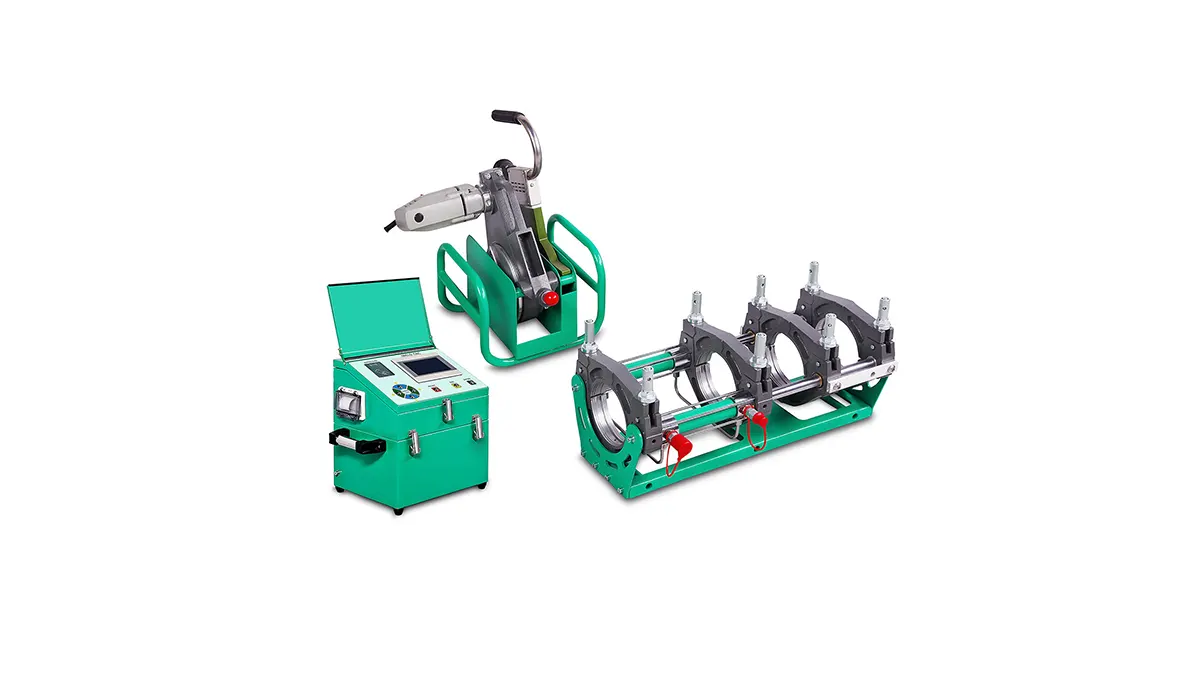
Hydraulic Butt Fusion Welder (Aluminum Clamps)
Reinforced lightweight aluminum clamps with hardened steel inserts, dual hydraulic cylinders, and digital temperature control for trench and field operations.
View Product Specs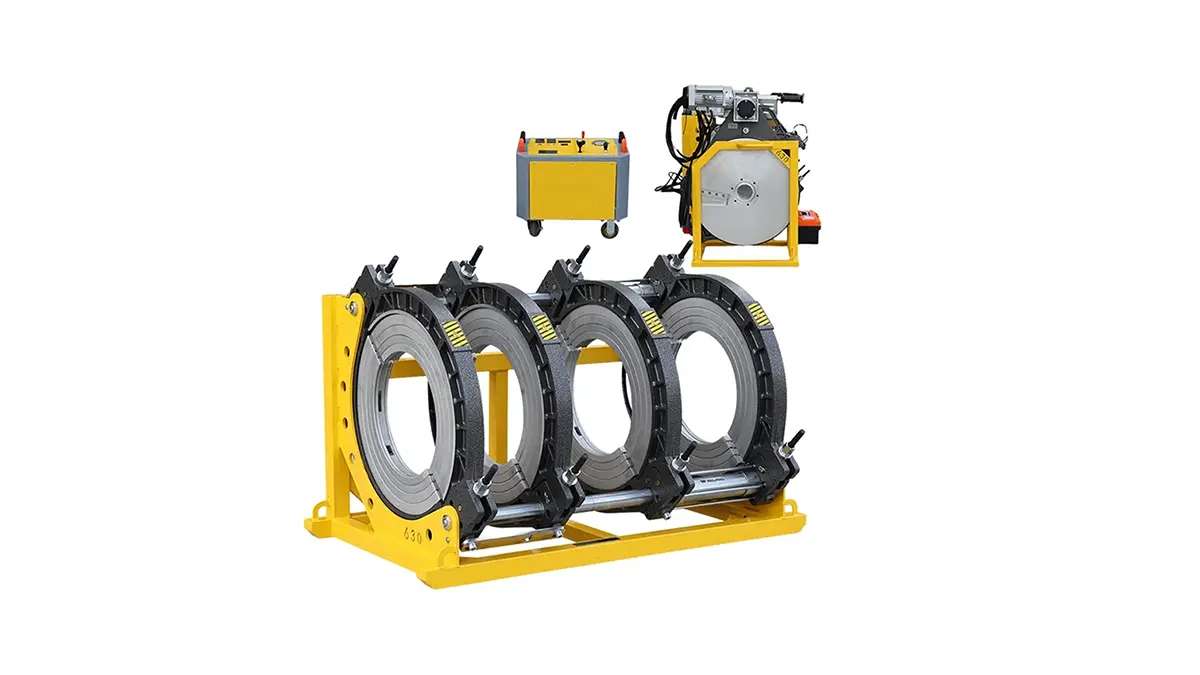
JQH630mm Hydraulic Butt Fusion Welder
Designed for 315mm to 630mm mainline pipelines. Includes heavy-duty hydraulic crane attachment, electro-hydraulic power station, and dual-edge planer.
View Product Specs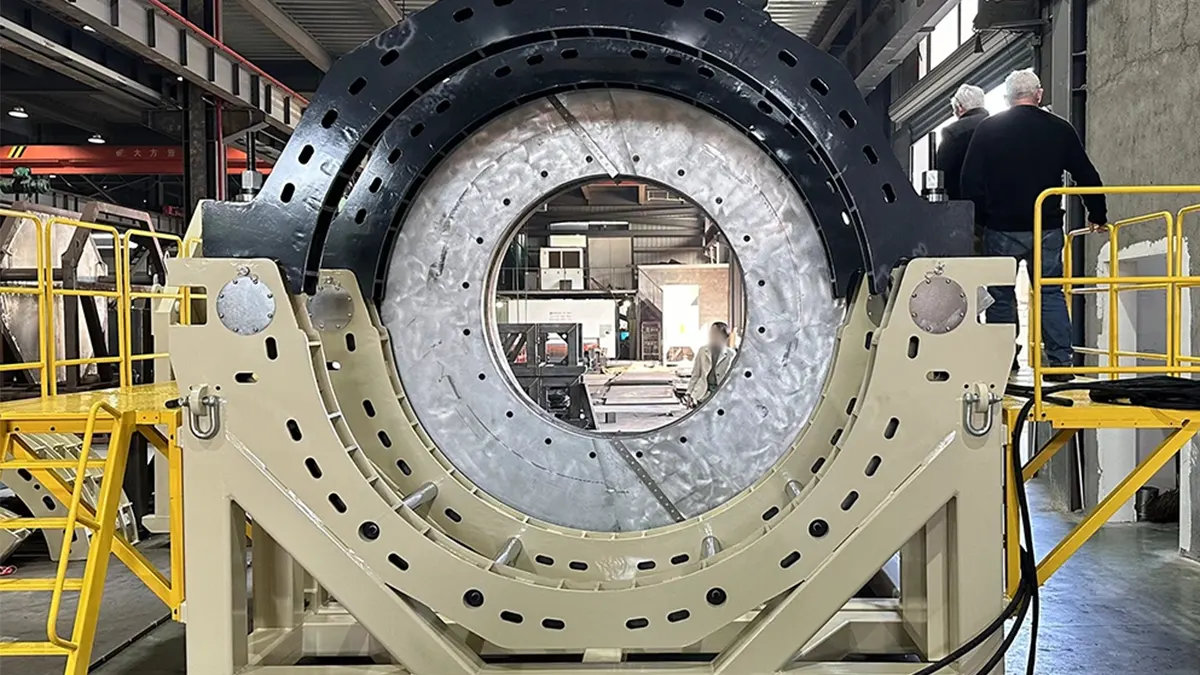
JQH2250mm Extra-Large Hydraulic Welder
Engineered for large municipal storm water lines, mining slurry mains, and ocean outfalls up to 2250mm OD. Massive hydraulic clamping force and high thermal capacity.
View Product Specs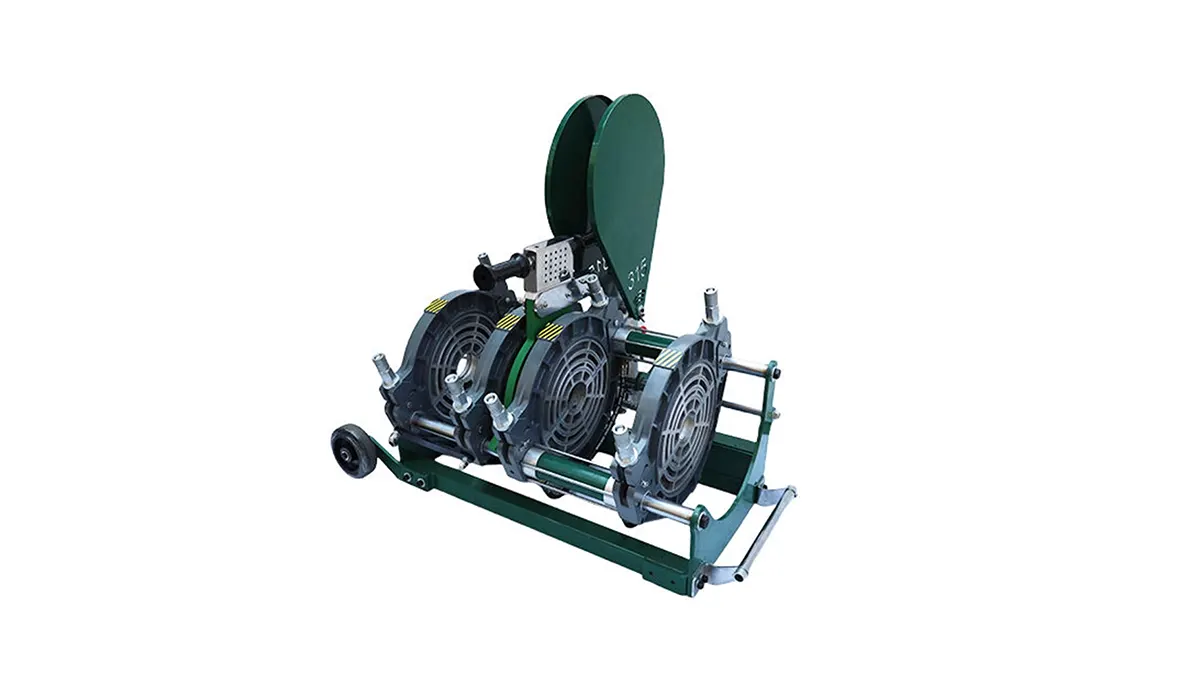
JQA315mm CNC Automatic Butt Welder
Touch-screen PLC interface with automatic drag compensation, integrated datalogger, and ISO 12176-compliant QA reporting for high-spec gas pipelines.
View Product Specs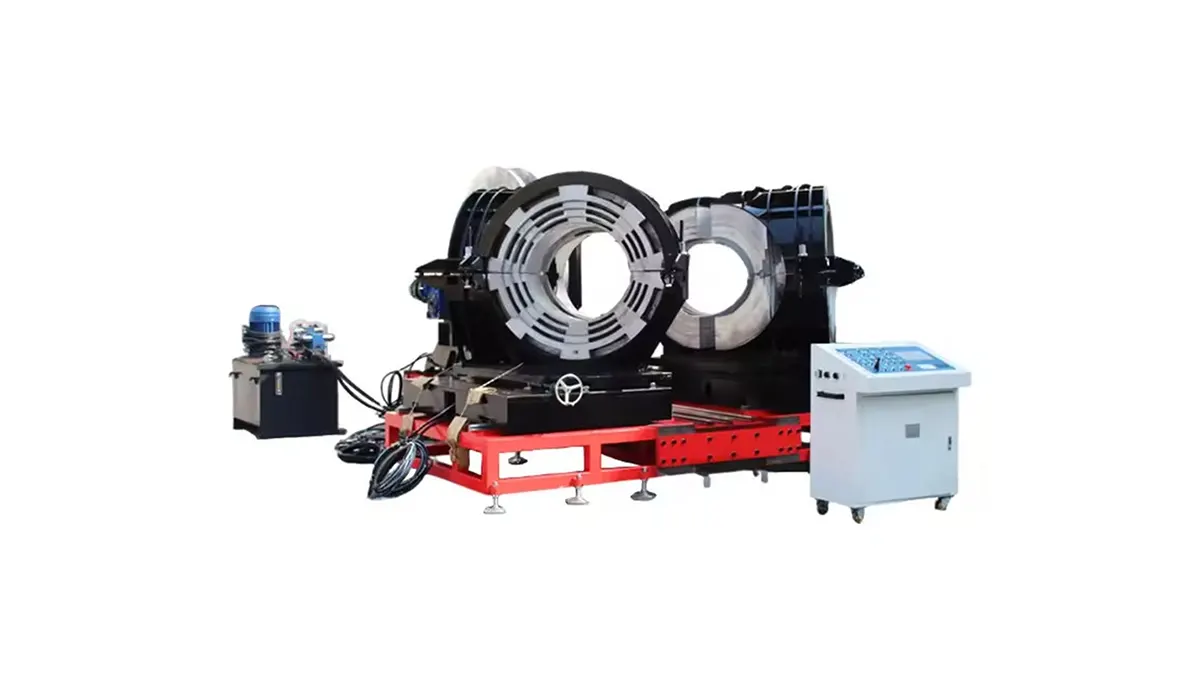
JQMA630 Workshop Multi-Angle Welder
Specialized workshop fabrication machine for producing segmented elbows, tees, crosses, and customized spool pieces from 315mm to 630mm.
View Product Specs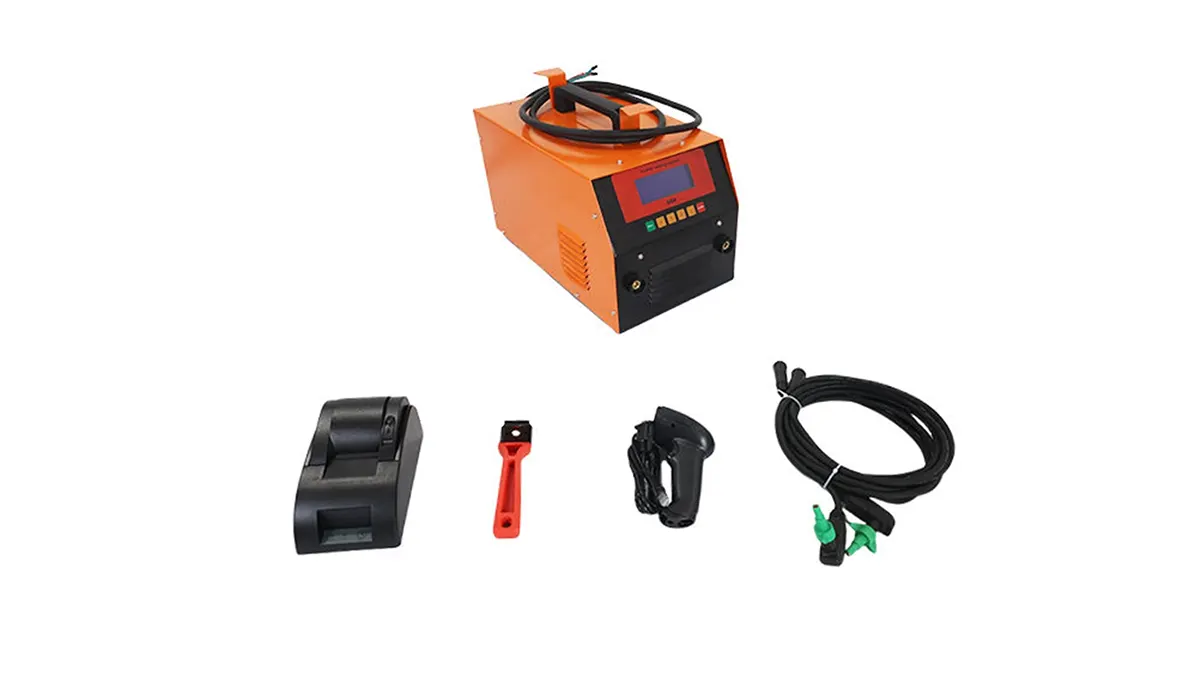
JQEB Series High-Power Electrofusion Unit
Universal electrofusion processor with barcode optical scanner, high-capacity internal memory, and ambient temperature auto-compensation.
View Product SpecsAbout JQ-Fusion: Global Engineering & Fusion Excellence
JQ-Fusion is a professional manufacturer specializing in HDPE pipe welding machines, providing reliable butt fusion solutions for global infrastructure projects. With years of industry experience, we focus on the development and production of manual, hydraulic, and CNC automatic butt fusion welding machines, covering a wide range of pipe sizes from small to extra-large diameters.
Our products are widely used in water supply, natural gas distribution, mining slurry, agricultural irrigation, and industrial pipeline systems. From standard models to tailored OEM/ODM solutions, we help distributors, pipeline contractors, and municipal utilities achieve efficient, precise, and reliable pipe jointing performance.
Our Promise to Clients
-
1Reliable Welding Performance: Our machines deliver stable heating and precise alignment, ensuring strong and consistent welding results for every project.
-
2Tailored Solutions for Your Projects: From butt fusion machine size and color options to custom branding, we provide flexible OEM/ODM services to fit your unique requirements.
-
3Rigorous Quality Assurance: Each butt fusion welding machine unit undergoes strict testing, including temperature accuracy and clamp alignment, so you can trust the results every time.
-
4Fast Delivery and Global Support: With ready stock and responsive international service, we ensure your projects stay on schedule, no matter where you are.
-
5Expert Guidance and After-Sales Care: Our experienced team is available to guide you from product selection to ongoing support, helping your projects run smoothly.
Global Quality Certifications
Certified to meet rigorous international engineering standards, our products provide complete peace of mind and reproducible jointing performance worldwide.
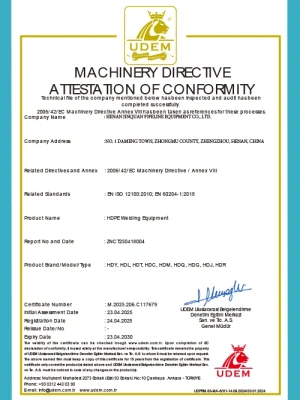
CE Conformity Certificate
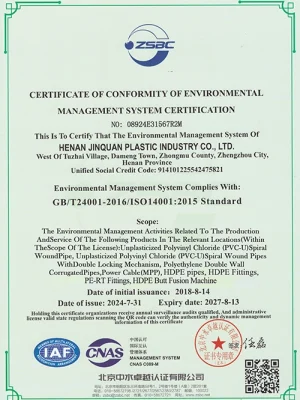
ISO 9001 Quality System
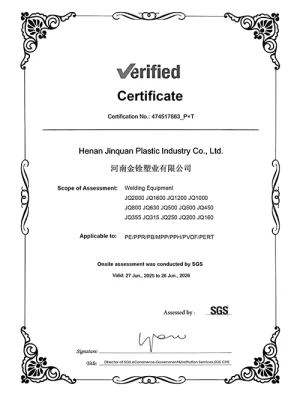
SGS Standard Verification
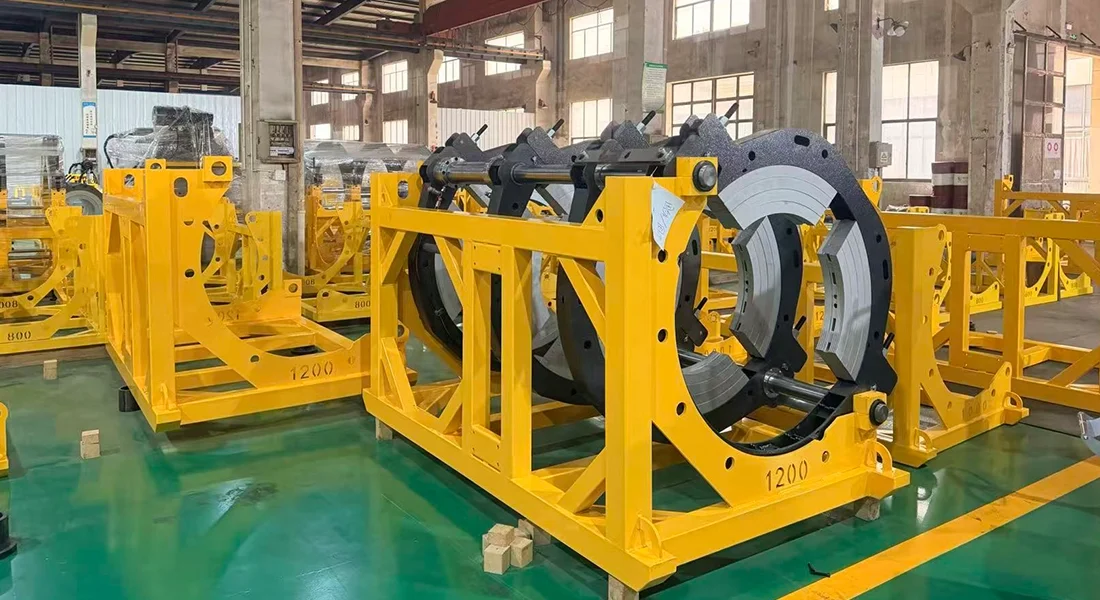
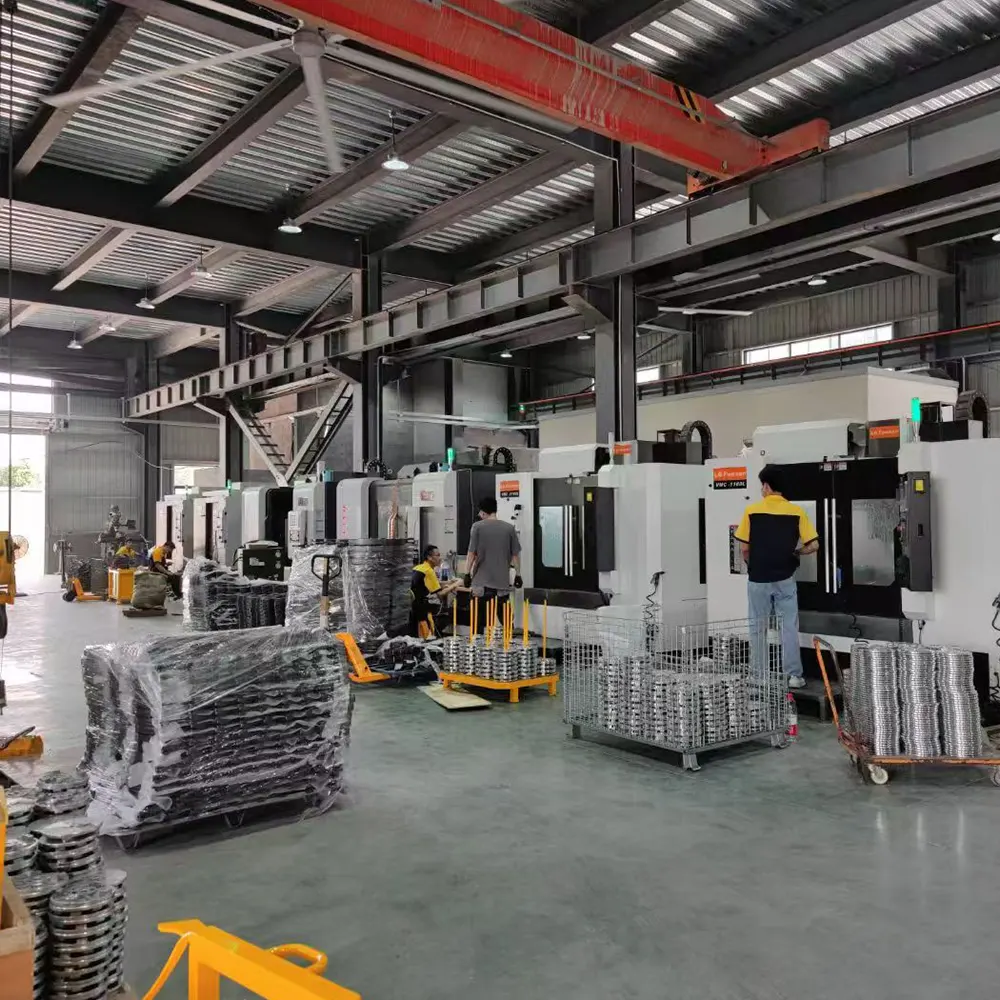
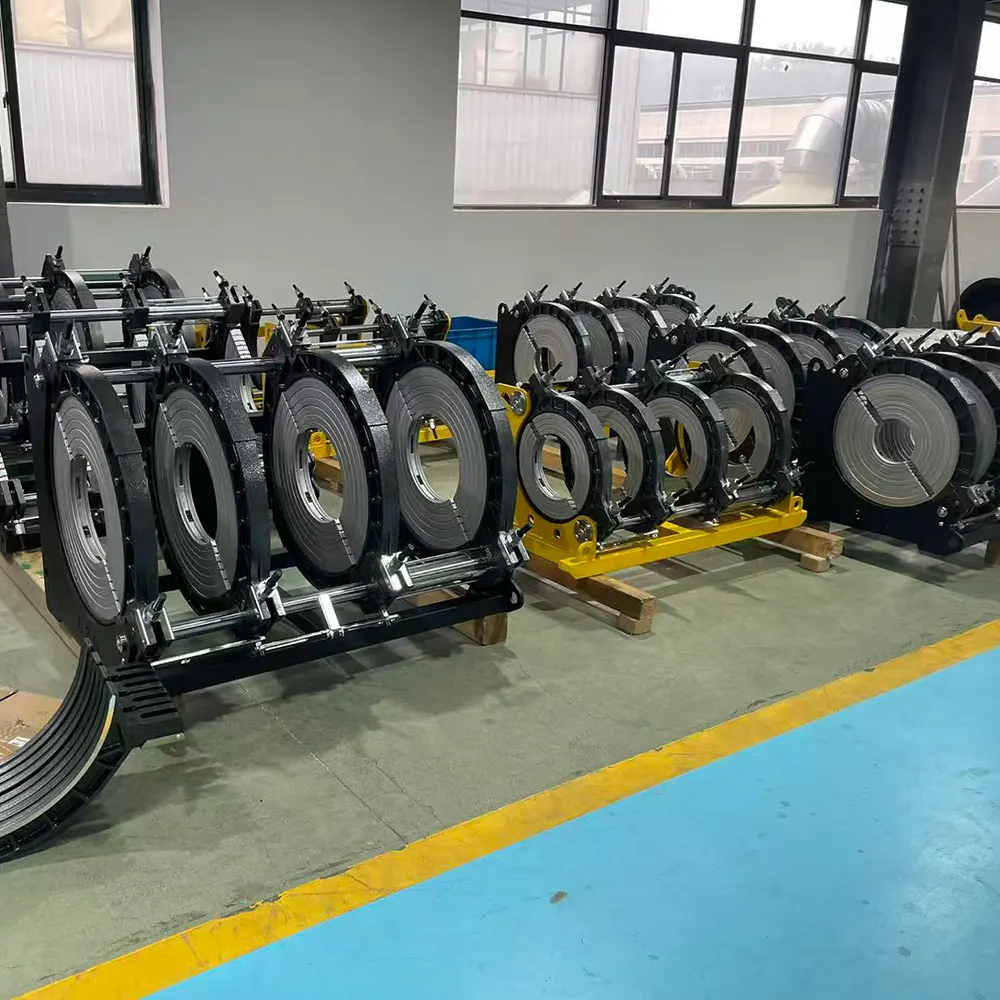
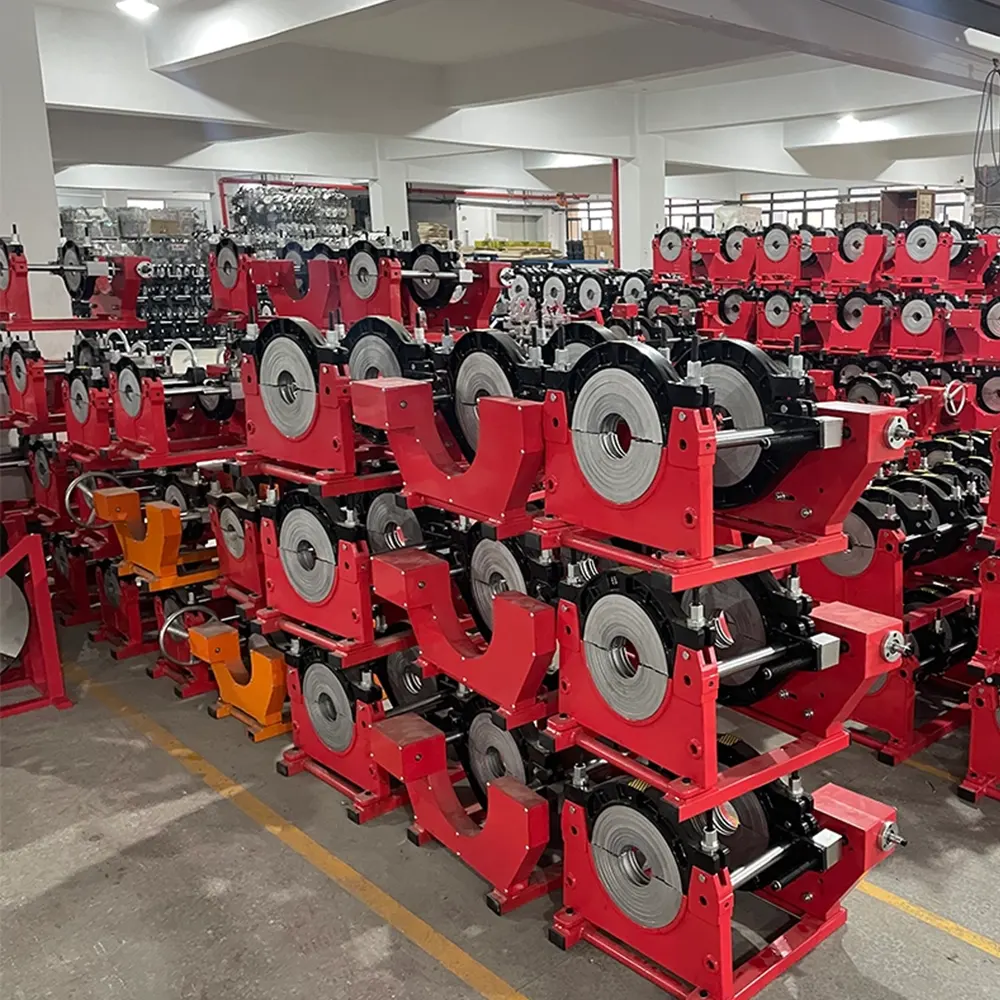
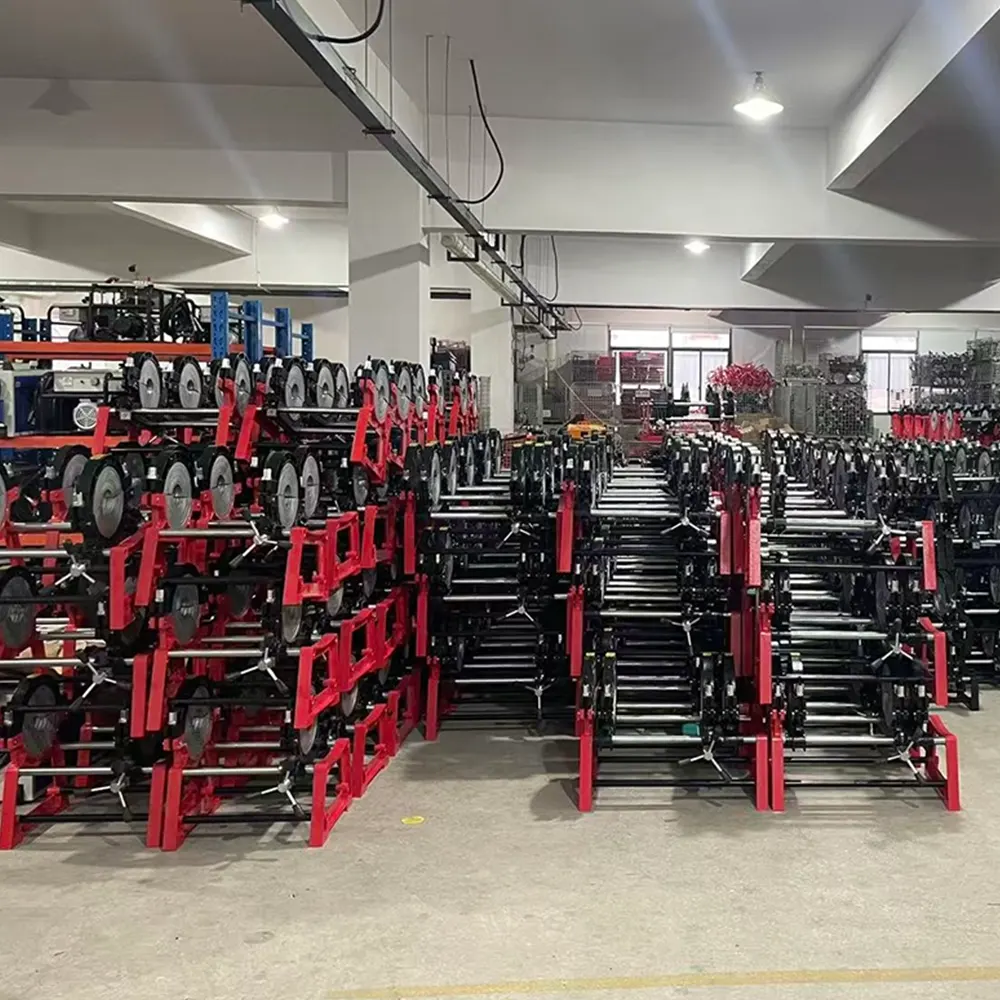
Visit Our Factory & Ready Inventory
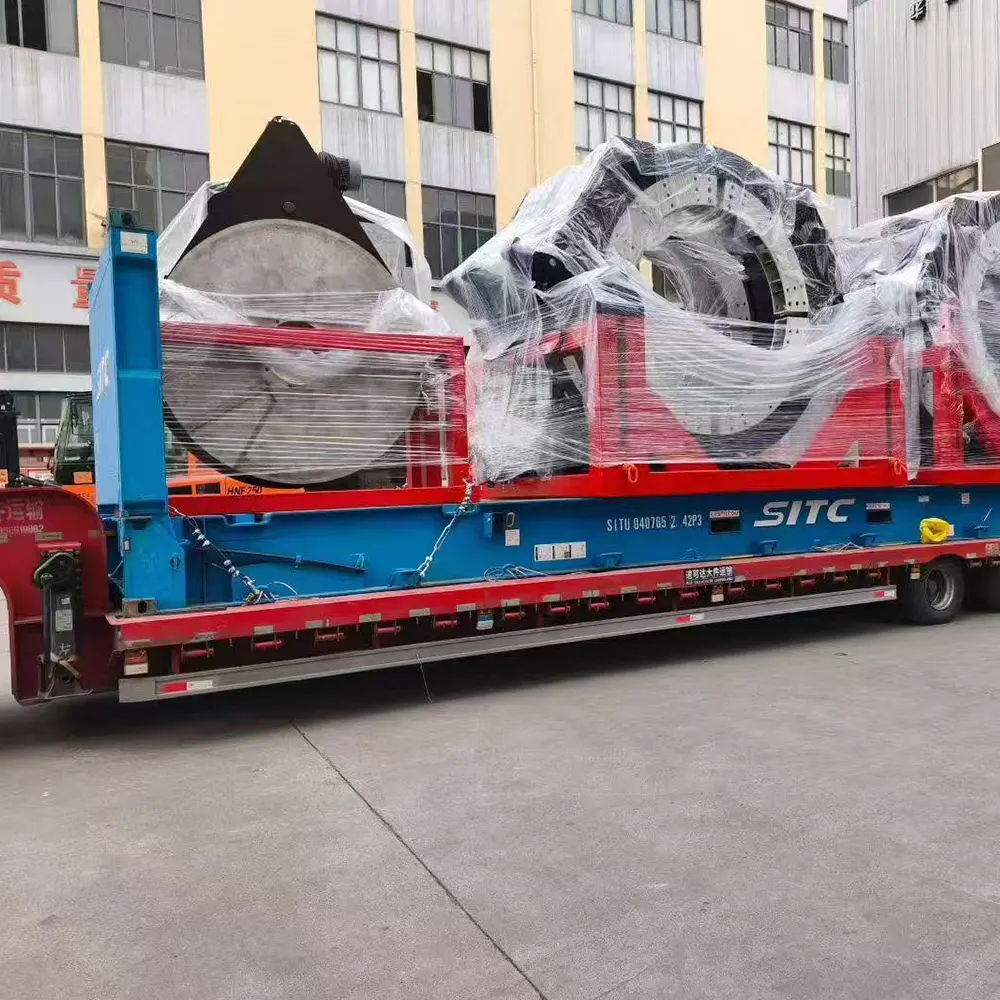
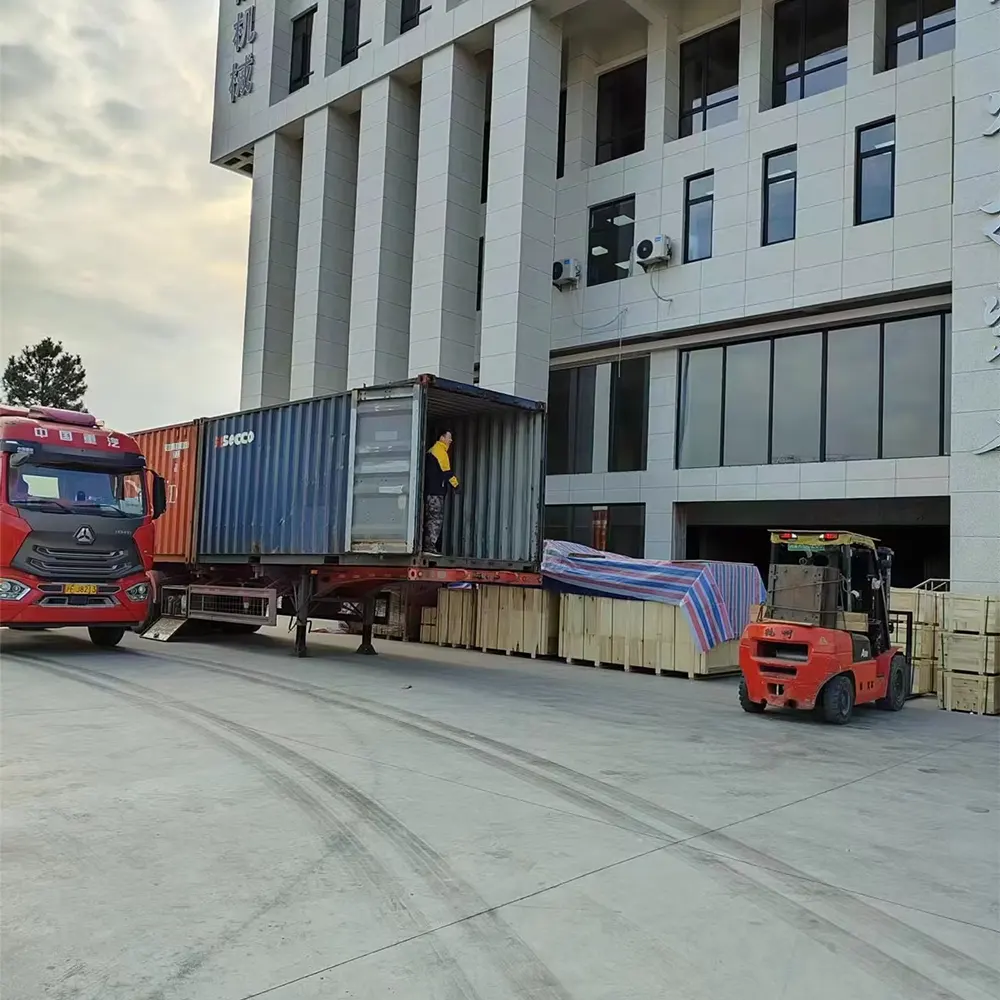
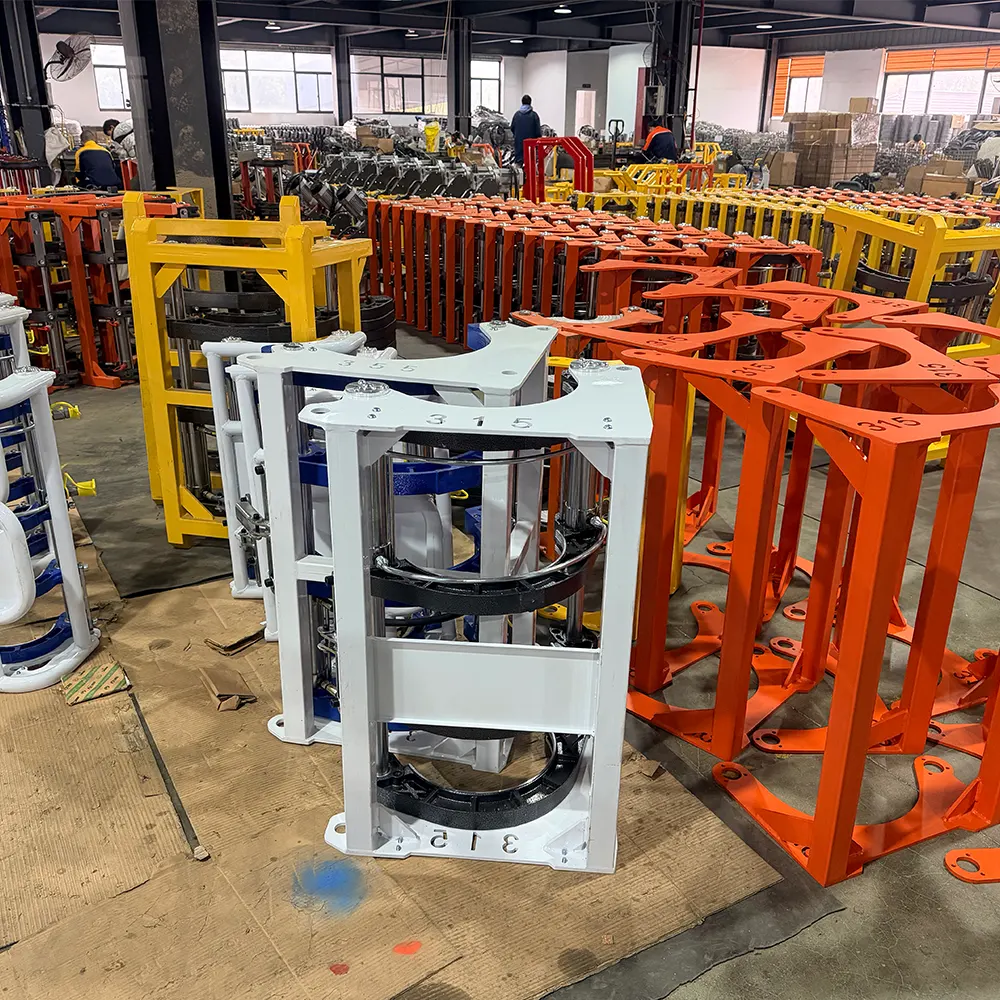
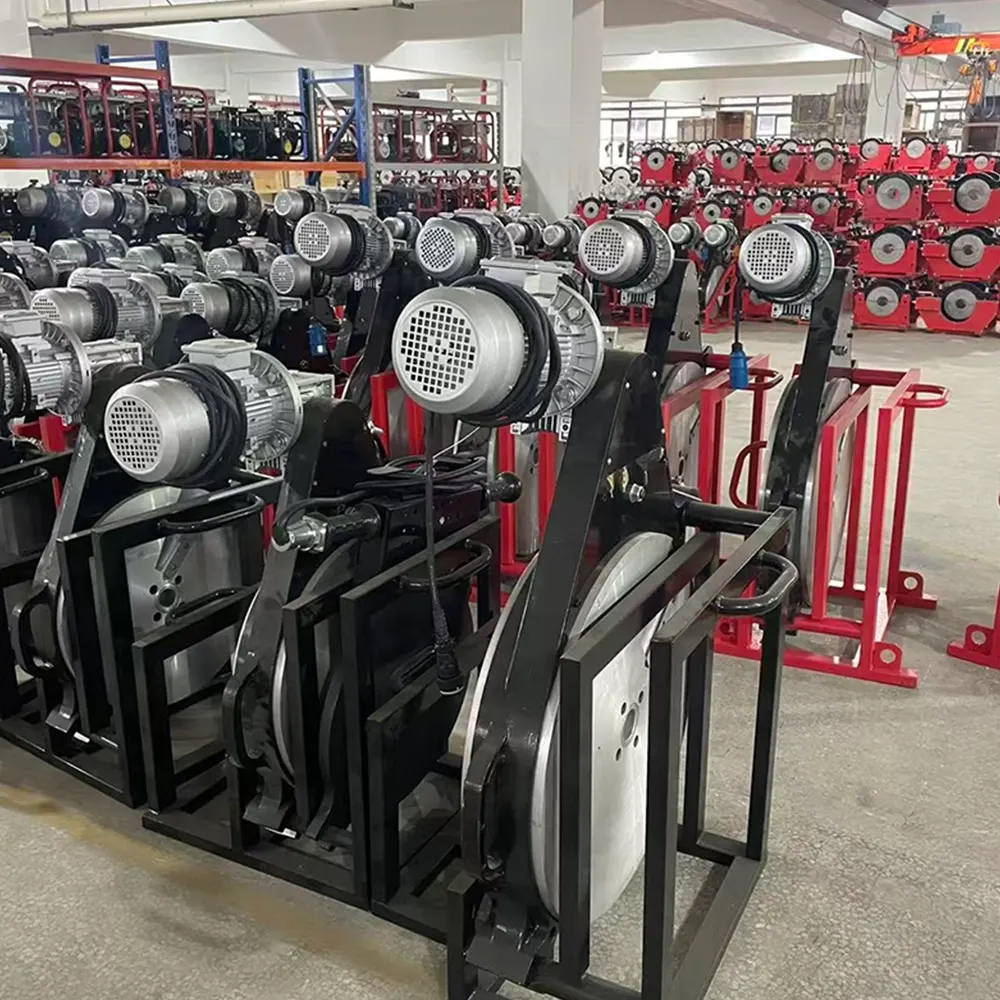
At JQ-Fusion, we understand that timely delivery and product availability are critical for infrastructure milestones. We maintain a large, strategically organized inventory of manual, hydraulic, and CNC machines with export packaging to dispatch standard and bulk orders quickly.
Frequently Asked Questions
What is drag pressure, and why is it vital in butt fusion?
Drag pressure is the hydraulic pressure required to overcome frictional resistance of the machine carriage and the external drag of pipe resting on ground rollers. It must be added to theoretical interfacial fusion pressure to ensure true, standard-compliant joining pressure at the joint interface.
How does ISO 21307 differ from ASTM F2620?
ASTM F2620 is primarily used in North America with low-pressure fusion parameters (approx. 60–90 psi interfacial), whereas ISO 21307 defines single low-pressure, dual low-pressure, and single high-pressure regimes (up to 0.17 MPa). Quality machines support configurable parameter calculations for both codes.
Can different SDRs or PE pipe grades be welded together?
Pipes of different PE grades (e.g., PE80 to PE100) can be butt-fused if their melt flow rates (MFR) are within compatible ranges (0.2–1.4 g/10 min). However, butt fusion of differing SDR wall thicknesses is generally prohibited; transitioning requires a machined adapter or electrofusion socket fitting according to PE pipe compatibility rules.
What generator capacity is needed to power field hydraulic welders?
Generator sizing must handle the simultaneous peak electrical draw of the hydraulic pump, planer motor, and high-wattage heating plate. For small units (up to 250mm), a 4.5kVA generator suffices, while large-diameter welders (630mm–1200mm) require a stable 15kVA to 40kVA generator.
Ready to Upgrade Your Pipeline Fusion Fleet?
Our 24/7 technical sales engineers are available to review your pipeline schedule, evaluate pipe specifications (PE100/PE4710/SDR), and deliver tailored equipment quotes along with CIF/FOB shipping estimates.
JQ-Fusion Global Headquarters
Zhengzhou, Henan Province, China
