
The Critical Role of a Certified HDPE Pipe Welding Equipment Supplier
High-Density Polyethylene (HDPE) systems have become the global benchmark for modern fluid conveyance due to their zero-corrosion properties, chemical resistance, and monolithic joint strength. Achieving leak-free performance demands strict adherence to thermal fusion standards and uncompromising machine reliability.
When contractors and municipal authorities execute major pipeline projects, the structural soundness of every welded joint dictates the operational lifespan of the entire system. Thermoplastic piping does not rely on mechanical seals or elastomeric gaskets; instead, it utilizes molecular cross-linking created through controlled thermal cycles. To understand the fundamental thermodynamic mechanics involved, engineers consult resources on what is HDPE butt fusion to ensure material transitions maintain 100% yield strength.
Selecting a dedicated HDPE pipe welding equipment supplier is far more than a machinery purchase—it is an audit of quality management systems, metallurgical tolerances, heating plate thermal distributions, and data traceability. Whether deploying heavy-duty machines for ISO 4427 PE water pipes or mission-critical distribution networks for PE gas pipe standard, field equipment must deliver repeatable clamping forces and stable heating plate temperature uniformity.
An experienced equipment manufacturer understands international standards like ASTM F2620 heat fusion and ISO 21307 butt fusion procedures, embedding automated controls and heavy-duty chassis designs to eliminate human error during heating, soak, bead-up, and cooling phases.
Standardized Quality Imperatives
“Pipeline joints welded under inaccurate hydraulic pressure or substandard heating plate thermal uniformity are prone to premature environmental stress cracking and ductile failure. A qualified supplier guarantees structural rigidity and compliance with global machine build standards.”
Core Supplier Evaluation Criteria
- Full compliance with PE butt fusion equipment standard (ISO 12176-1).
- High-grade aluminum alloy casting for rigid clamp alignment without frame warping.
- PTFE-coated heating elements providing ±3°C surface temperature distribution.
- Integrated digital data loggers for QA/QC joint certification.
Primary Categories of HDPE Pipe Welding Equipment
Modern polyolefin infrastructure demands distinct joining technologies tailored to pipe diameter, wall thickness (SDR rating), site accessibility, and regulatory compliance.
Hydraulic Butt Fusion
Designed for municipal mains, mining slurries, and industrial piping from 50mm up to 2500mm OD. Uses high-pressure hydraulic stations to deliver accurate interface pressure according to PPI butt fusion procedure formulas.
CNC Automatic Butt Fusion
Fully automated welding stations equipped with microprocessors and PLC logic. Automatically regulates drag pressure compensation, heating soak times, carriage transfer, and cooling cycles while outputting real-time USB data logs.
Electrofusion Equipment
Compliant with PE electrofusion equipment standard (ISO 12176-2). Delivers precise electrical energy to embedded wire coils in specialized fittings, ideal for gas branches, house connections, and tight trench repairs.
Multi-Angle Fitting Fabrication
Workshop-based fusion stations engineered to fabricate segmented elbows, equal tees, crosses, and wyes up to 1600mm. Essential for fitting manufacturers requiring rigorous angle accuracy and high output.
Manual Butt Fusion Units
Lightweight, compact 2-clamp and 4-clamp manual welders for low-pressure drainage, cable ducting, and small-bore agricultural water pipelines (40mm to 160mm) where electrical access is restricted.
Ancillary Tooling & Planers
Double-sided electric planning tools with reversible HSS blades, mechanical pipe rollers, pipe scrapers, and external/internal bead removal deburrers providing comprehensive joint quality compliance.
| Equipment Technology | Typical Size Coverage | Automation Level | Primary Field Applications | Key Standard Compliance |
|---|---|---|---|---|
| Hydraulic Butt Fusion | 63mm – 2500mm (2″ – 100″) | Semi-Automatic / Digital | Water transmission, mining pipelines, outfalls | ISO 21307, ASTM F2620, DVS 2207 |
| CNC Automatic Butt Fusion | 90mm – 1200mm | Full PLC Auto-Execution | High-pressure natural gas, nuclear, chemical | ISO 12176-1, ISO 12176-4 Traceability |
| Electrofusion Control Unit | 20mm – 800mm | Barcode Scanner Automated | Gas service lines, urban utility repairs, house connections | ISO 12176-2, ASTM F1055, ASTM F1290 |
| Workshop Fitting Machine | 250mm – 1600mm | Multi-axis Hydraulic/CNC | Factory fabrication of tees, crosses, bends | ASTM F2206, ISO 4427-3 |
| Manual Butt Fusion | 40mm – 160mm | Manual Mechanical | Building drainage, HVAC conduit, low-pressure rural | PPI technical guidance |
Engineering Audit Guide: How to Evaluate Machine Quality
Distinguishing high-tier machinery from low-grade copies requires evaluating the mechanical construction, hydraulic stability, electronic control precision, and thermal consistency of the manufacturing supplier.
1. Chassis & Clamp Rigidity
High clamping forces during the bead-up phase can cause frame deflection in substandard machines, leading to pipe misalignment and uneven joint wall thickness. Premium suppliers utilize high-density cast aluminum alloy inserts and reinforced dual-shaft steel guide bars to maintain zero angular offset under extreme hydraulic loads.
2. Thermal Distribution Uniformity
According to PPI technical guidance, the heating plate surface must maintain uniform temperature within ±3°C (±5°F) across the entire contact plane. High-grade equipment utilizes heavy-gauge cast aluminum heating elements with embedded Japanese Daikin PTFE coatings to prevent polymer sticking and localized degradation.
3. Hydraulic Power Stability
The hydraulic power unit (HPU) must maintain steady pressure over long cooling durations without sudden pressure drops. Top-tier machines integrate high-precision Italian or German pressure relief valves, industrial-grade accumulators, and quick-connect anti-leak couplers to ensure consistent pressure retention throughout the cooling cycle.
Ensuring Data Traceability with ISO 12176 Compliance
Modern gas and potable water utilities increasingly mandate digital records for every fused joint. Advanced butt fusion units integrate microcontrollers that record heating temperature, ambient temperature, operator ID, drag pressure, interfacial weld pressure, and cooling duration. This data stream satisfies ISO 12176-3 operator verification and ISO 12176-4 traceability standards, protecting asset owners against construction liabilities.
About JQ-Fusion: Global Leader in HDPE Jointing Technology
Combining extensive manufacturing infrastructure, international certifications, and tailored OEM/ODM engineering capabilities to support global pipeline projects.
JQ-Fusion is a professional manufacturer specializing in HDPE pipe welding machines, providing reliable butt fusion solutions for global infrastructure projects. With years of industry experience, we focus on the development and production of manual, hydraulic, and CNC automatic butt fusion welding machines, covering a wide range of pipe sizes from small to large diameters. Our products are widely used in water supply, gas distribution, mining, and industrial pipeline systems.
We are committed to delivering high-quality, durable, and customizable welding equipment to meet diverse project requirements. Supported by advanced manufacturing facilities, strict quality control processes, and a responsive service team, JQ-Fusion has built long-term partnerships with distributors and contractors worldwide. From standard models to tailored solutions, we help our clients achieve efficient, precise, and reliable pipe welding performance.
Our Value Commitments to Global Clients:
- Reliable Welding Performance: Stable heating elements and precision alignment mechanisms.
- Tailored Solutions: Flexible OEM/ODM machine sizing, custom branding, and custom clamp configurations.
- Rigorous QA: 100% clamp tolerance, hydraulic endurance, and heating temperature testing.
- Extensive Inventory: Ready stock for rapid global dispatch across all core models.
- Expert Technical Care: Full lifecycle operational training, parameter charts, and spare parts supply.
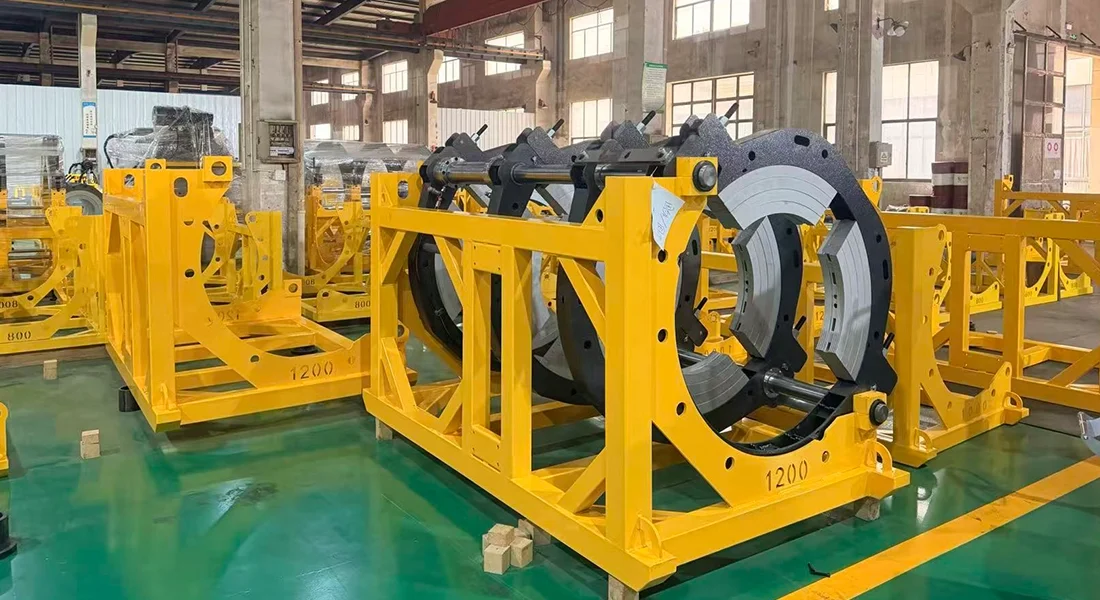
Certified to Global Standards
Certified to meet global standards, our products provide peace of mind and consistent performance on every job site.
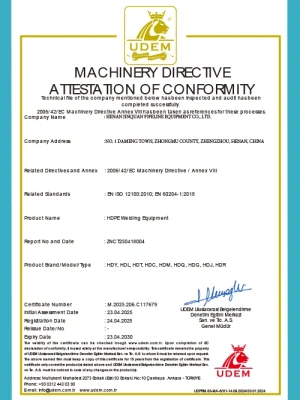
CE Machinery Directive Compliance
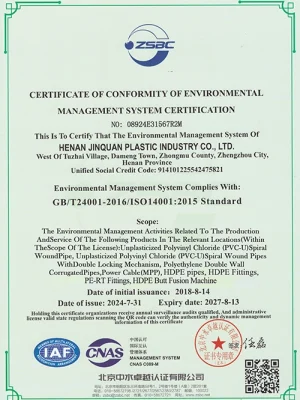
ISO 9001 Quality Management
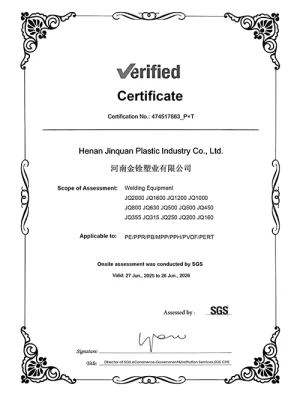
SGS Verified Inspection
Featured HDPE Pipe Welding Equipment
Explore our heavy-duty hydraulic butt fusion, CNC automated, electrofusion, and multi-angle fitting fabrication solutions engineered for demanding civil and industrial installations.
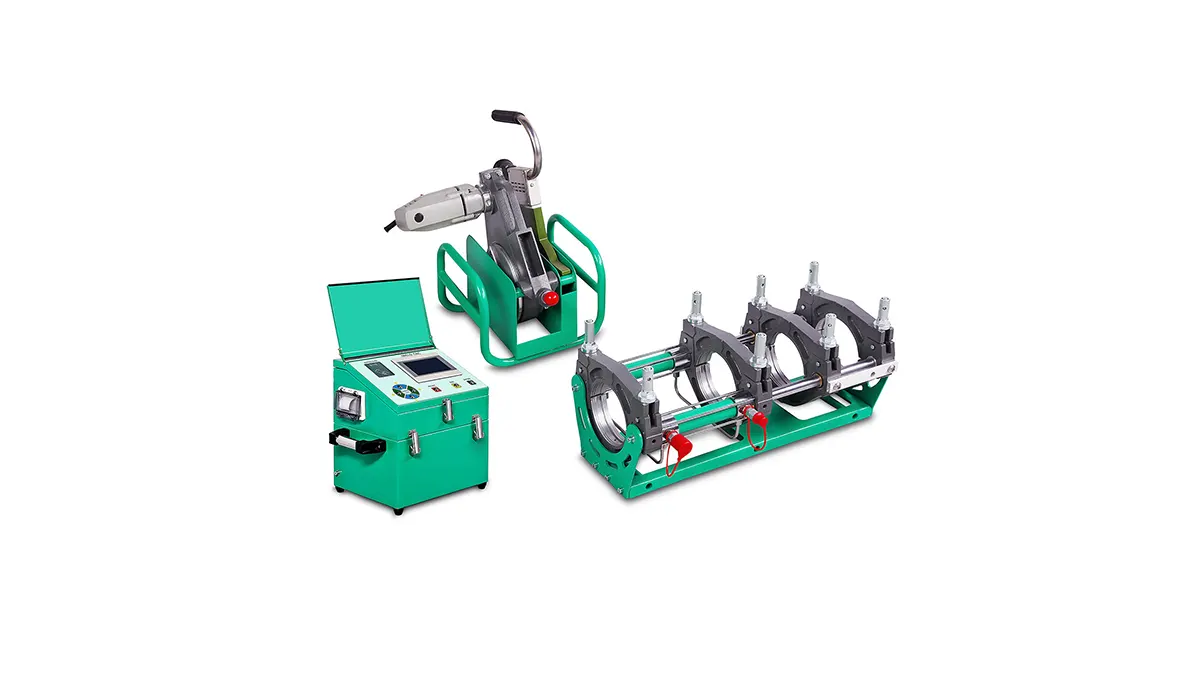
Hydraulic Butt Fusion Machine (Aluminum Clamps)
High-tensile aluminum alloy multi-ring clamps with quick-lock inserts. Engineered for rapid pipe alignment and uniform stress distribution.
View Specifications →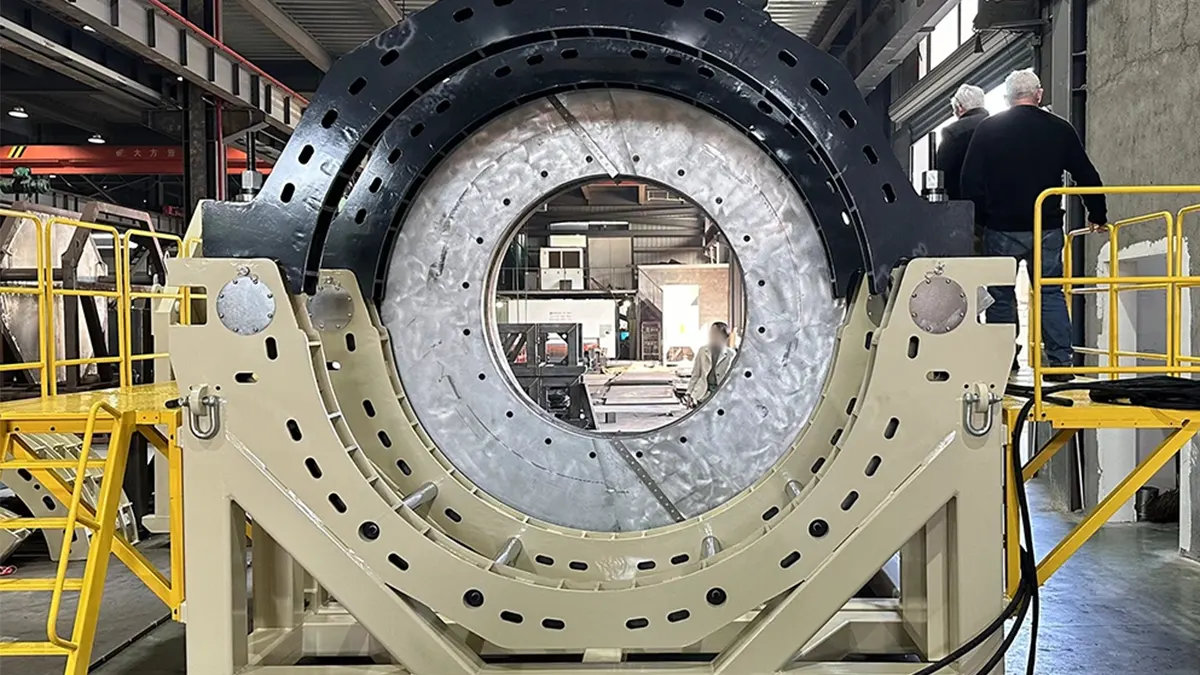
JQH2250mm Large Diameter Hydraulic Fusion
Heavy-duty pipeline welder designed for massive water outfalls and mining lines from 1600mm to 2250mm with hydraulic crane assistance.
View Specifications →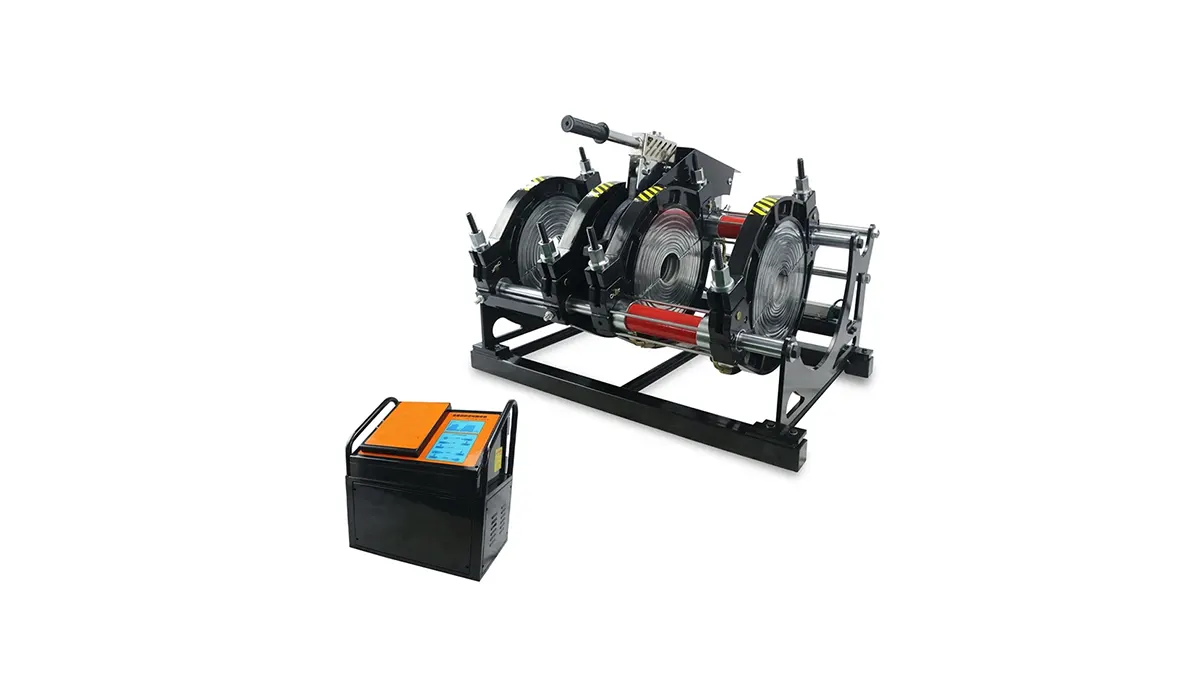
JQA630mm CNC Automatic Butt Fusion Machine
Automated PLC touchscreen execution eliminating operator variance with automatic plate ejection, drag pressure compensation, and USB reporting.
View Specifications →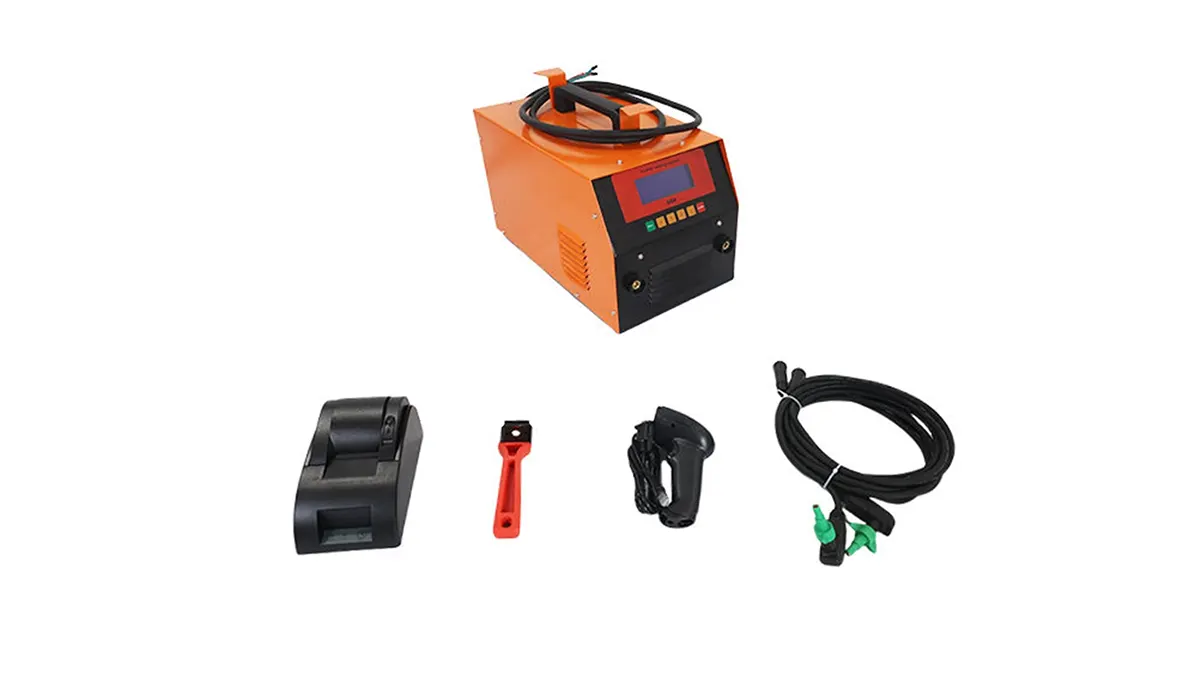
JQEB Universal Electrofusion Machine
Compact, multi-voltage electrofusion control box with optical barcode scanner, wide ambient compensation, and internal memory storage.
View Specifications →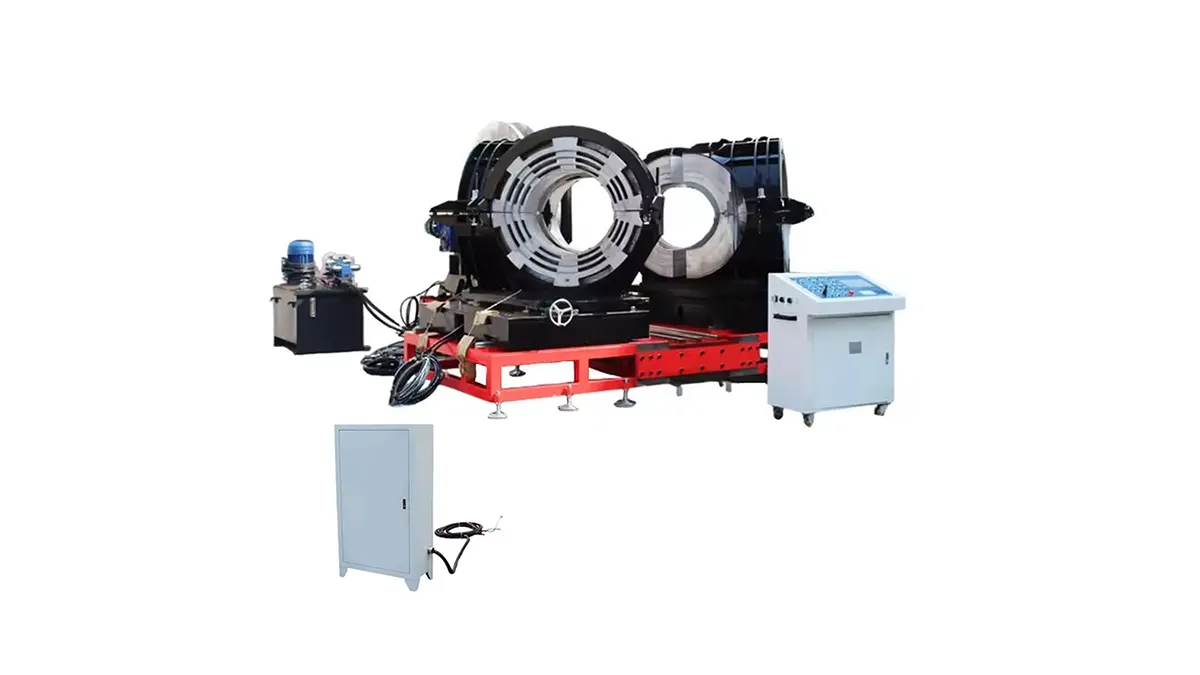
JQMA1200 Multi-Angle Fitting Machine
Factory workshop machine fabricated for segmented bends, equal tees, and crosses up to 1200mm OD according to ASTM F2206 standards.
View Specifications →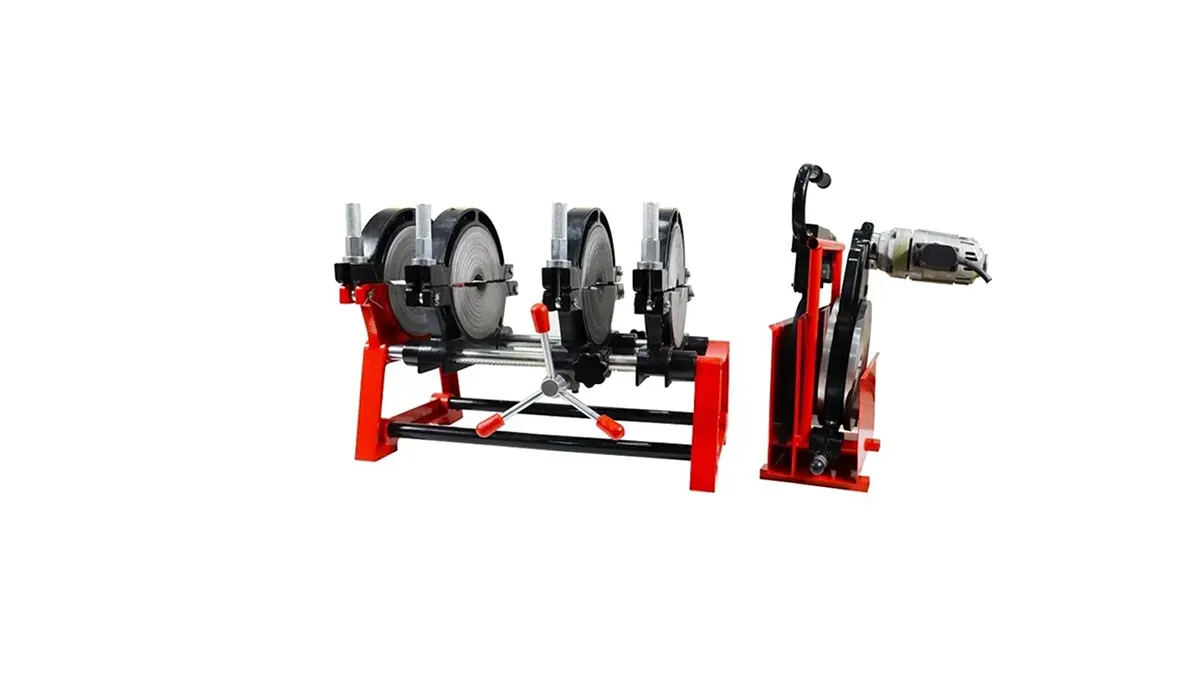
JQSY-4M 4-Clamp Manual Butt Welder
Ultra-portable mechanical rack-and-pinion welder for fast site deployment, building plumbing, and conduit joining from 50mm to 160mm.
View Specifications →Step-by-Step Butt Fusion Quality Protocol
Precision welding requires strict compliance with international thermal fusion parameters. Below is the standard operating sequence in accordance with ISO 21307 and ASTM F2620 regulations.
Stage 01
Facing & Planing
Secure pipe ends into the clamps. Insert the electrical planning tool and shave pipe ends until continuous ribbon shavings emerge from both sides, verifying complete squareness and zero end gap.
Stage 02
Alignment & Drag Check
Close carriage to verify radial high-low alignment (mismatch <10% wall thickness). Measure sliding friction pressure (drag pressure) to add to the calculated weld interfacial pressure.
Stage 03
Heating & Bead-Up
Insert PTFE heating plate (200°C–230°C depending on standard). Apply bead-up pressure until uniform melt bead forms along circumference, then reduce pressure to soak cycle.
Stage 04
Fusion & Cooling
Quickly remove plate within specified changeover window (seconds). Rapidly bring pipe ends together under full fusion pressure and maintain under hydraulic lock throughout cooling.
Factory Stock & Global Export Readiness
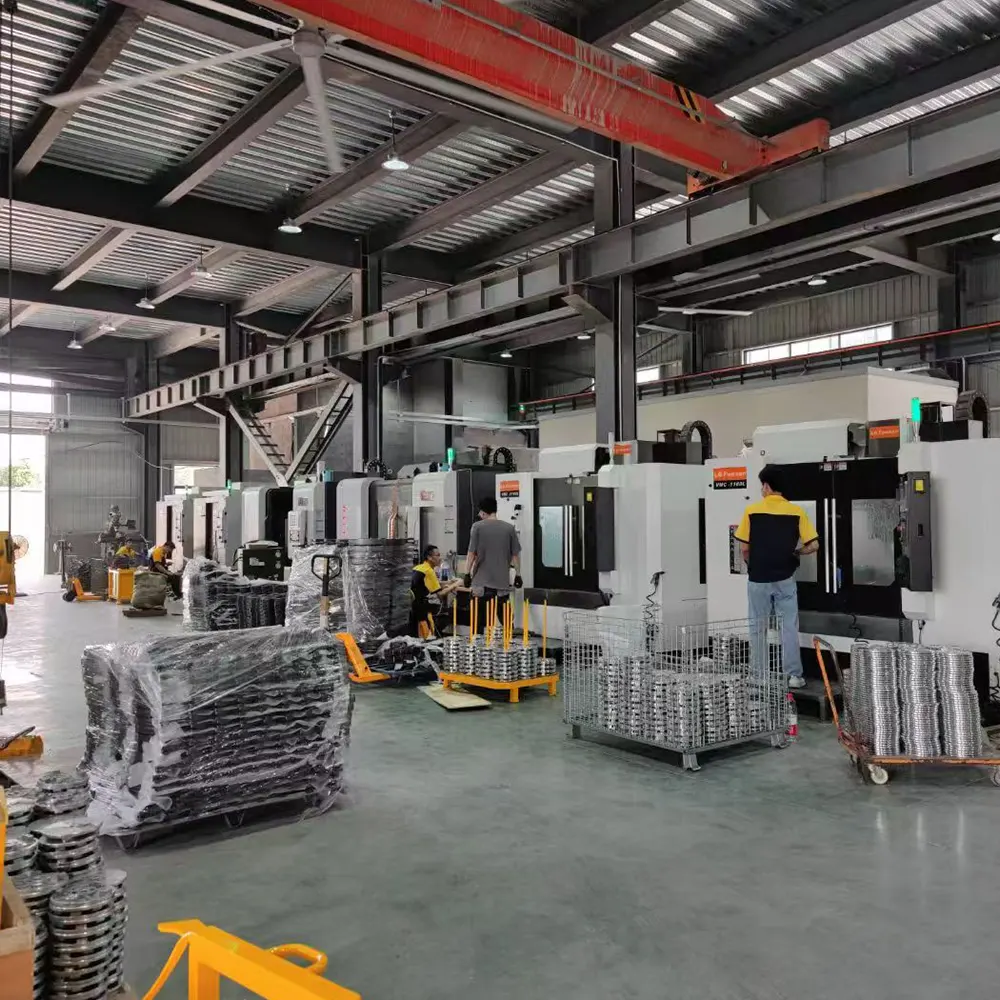
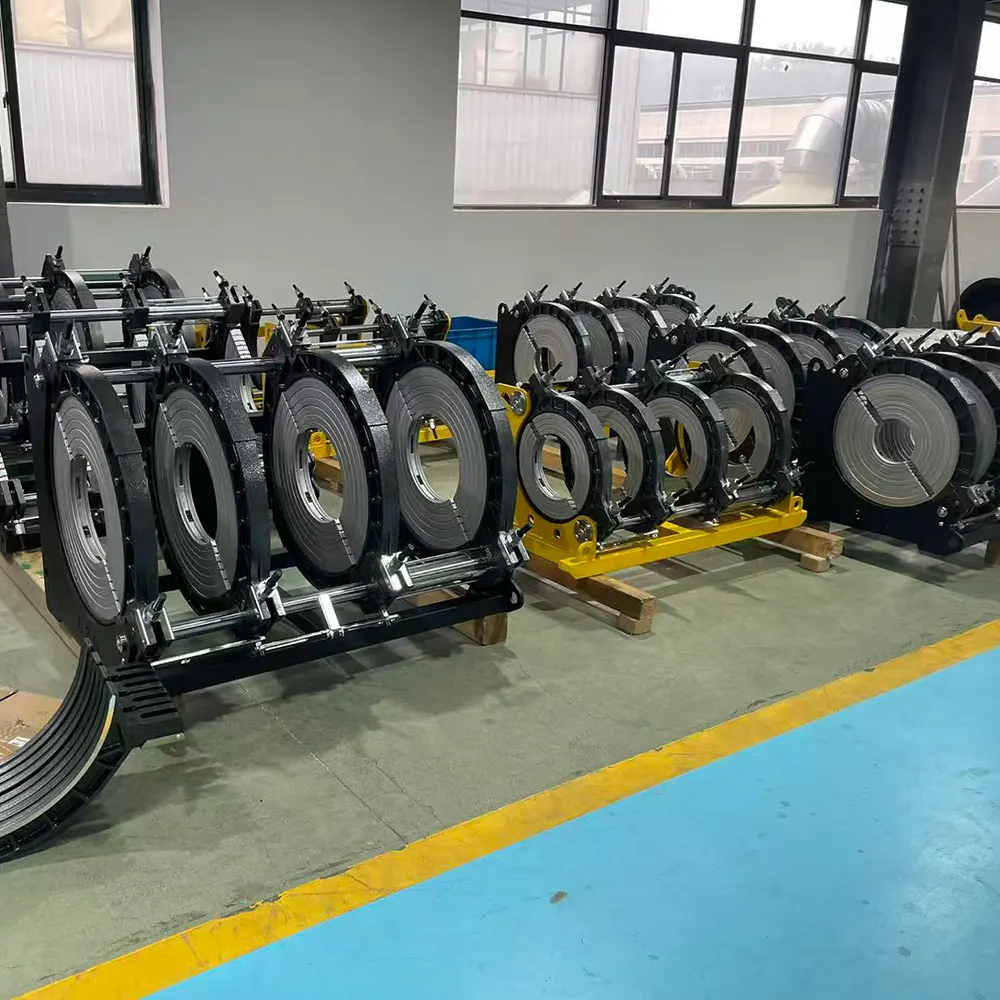
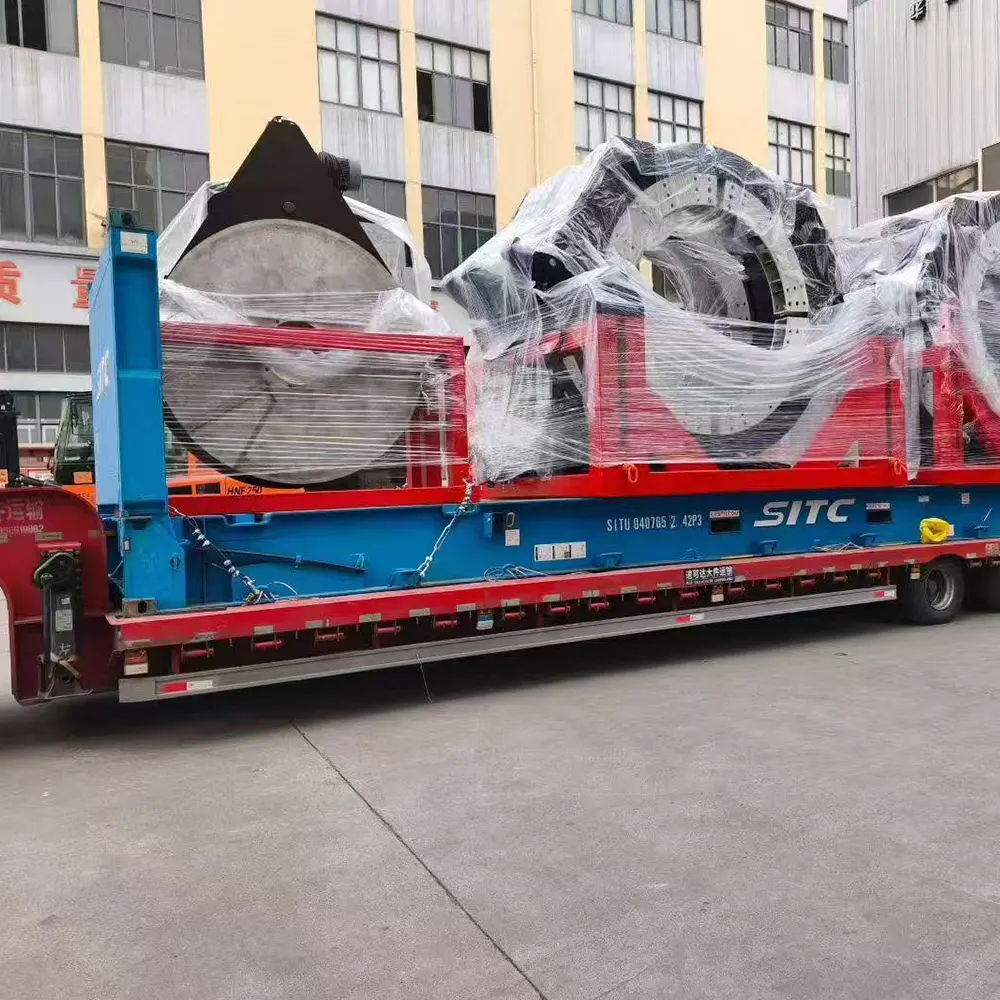
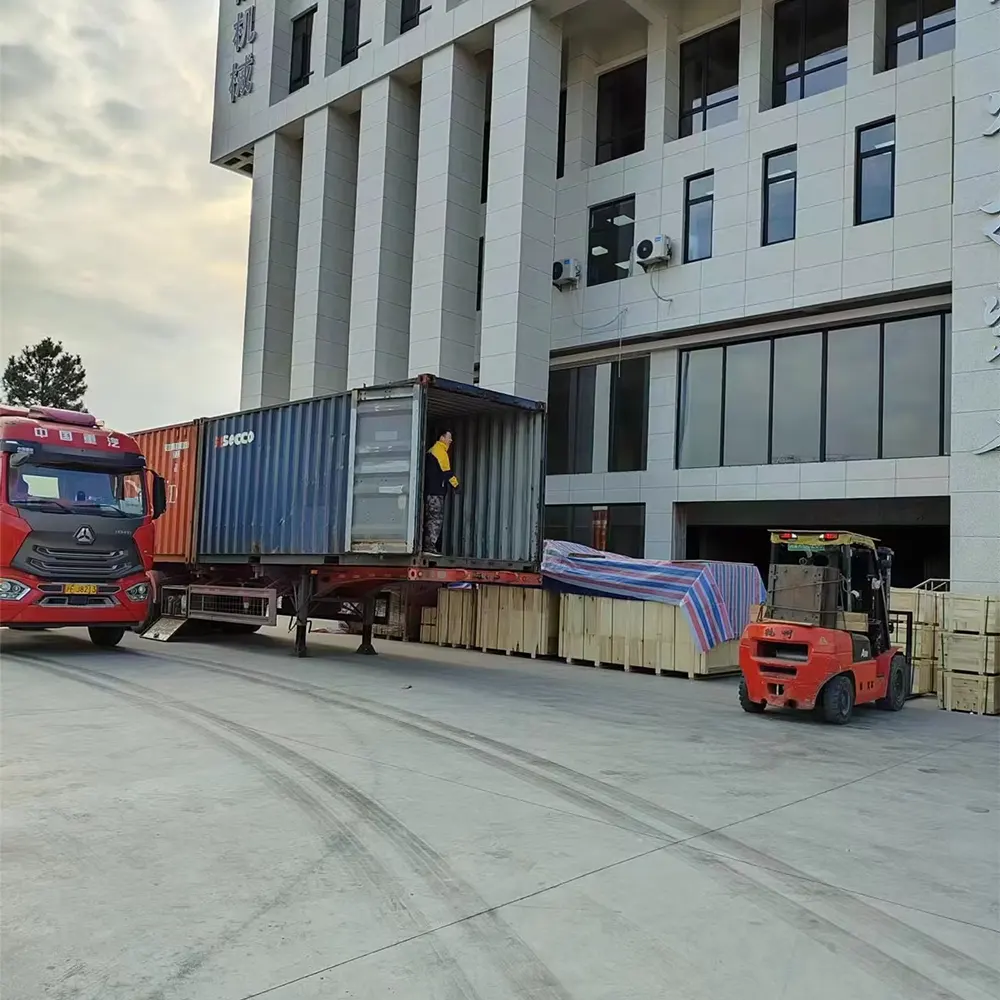
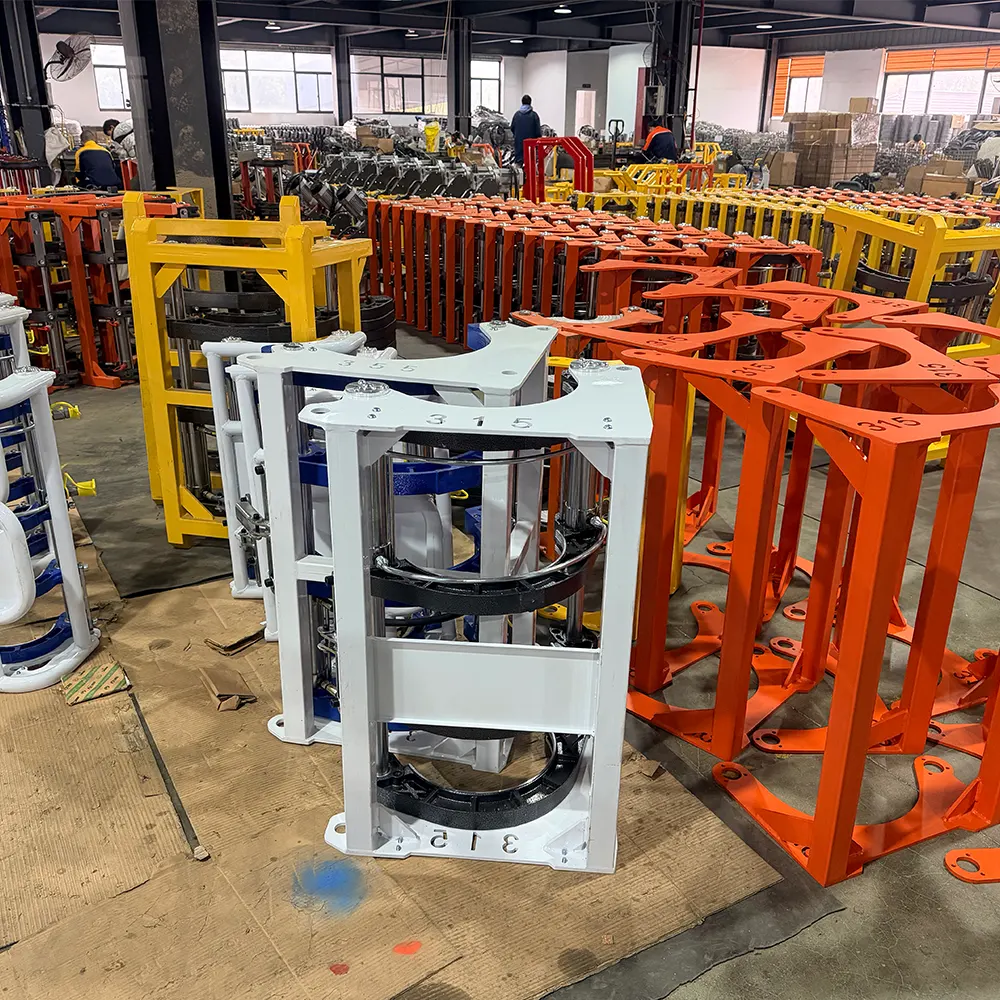
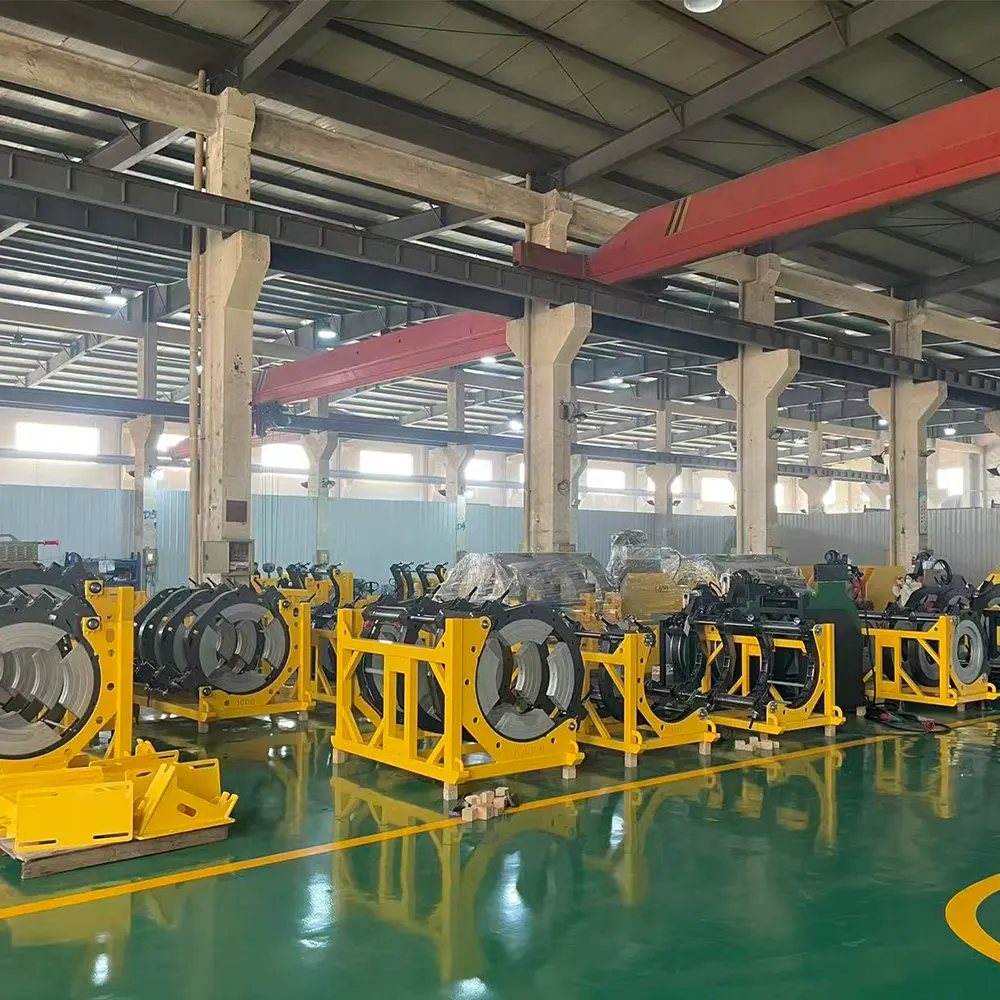
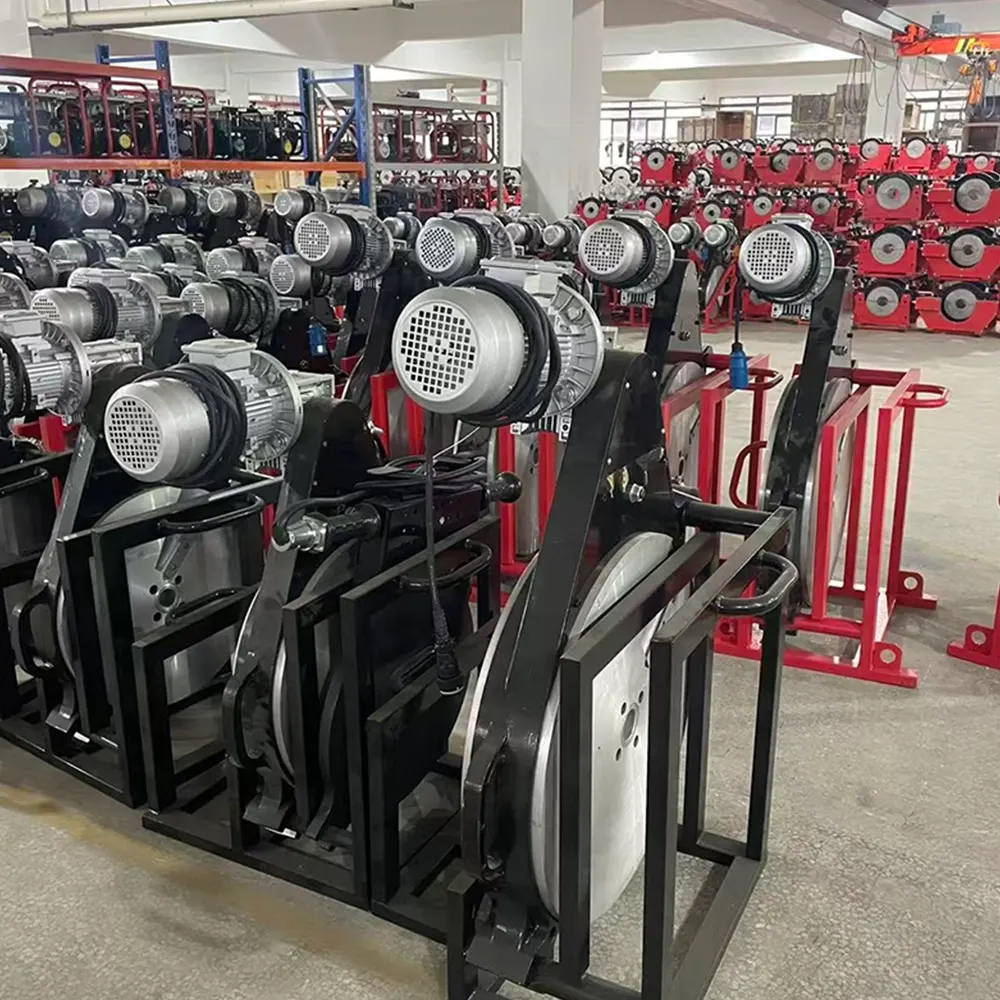
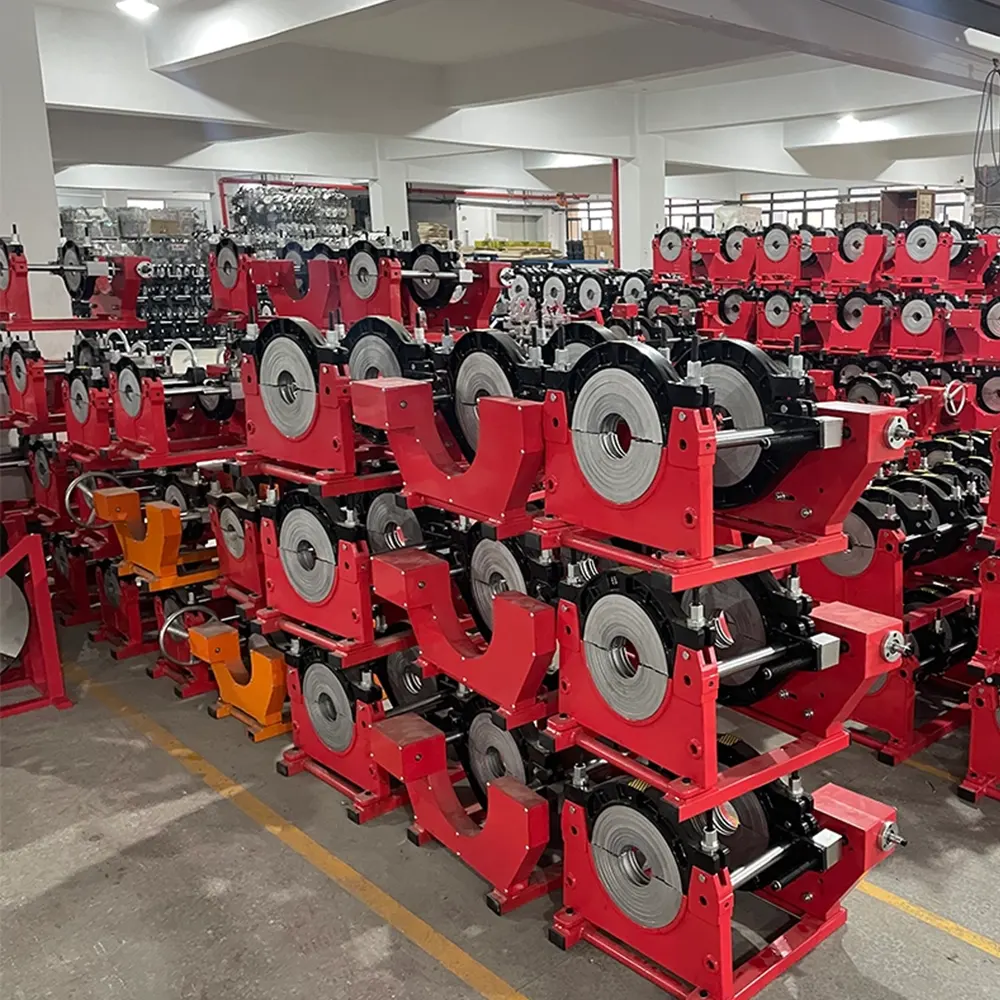
JQ-Fusion maintains a strategically organized, large-scale inventory of manual, hydraulic, and CNC fusion machines ready for international dispatch to support critical infrastructure schedules.
Large Inventory Strategy
JQ-Fusion understands that timely delivery and product availability are critical for your projects. That’s why we maintain a large, strategically organized inventory of all our key products. Whether you are placing small or bulk orders, our extensive stock ensures that your needs are met quickly and efficiently.
Every unit is packaged in reinforced, export-grade plywood crates with high-density foam cushioning to protect sensitive electronic thermostats, hydraulic valves, and machined clamps against damage during ocean and air freight.
Custom OEM/ODM Solutions
At JQ-Fusion, we understand that every project is unique. That’s why we offer custom solutions designed to meet your specific requirements. From product specifications and sizes to operational features, custom frame colors, and corporate laser-etched branding, our engineering team works closely with you to deliver equipment that fits perfectly with your regional workflow.
Production Facility & Warehouse Overview
Frequently Asked Questions for Equipment Buyers
Technical, operational, and commercial insights to assist pipeline contractors and equipment distributors.
Q1 What is the difference between Low-Pressure and High-Pressure butt fusion procedures?
Low-pressure welding (typical in DVS 2207-1 and ISO 21307 Single Low Pressure) uses an interfacial pressure of ~0.15 N/mm² (22 psi) with extended cooling times. Dual High-Pressure procedures (popular under ISO 21307 Dual High Pressure and ASTM F2620) utilize approximately 0.52 N/mm² (75 psi), allowing faster joint production while maintaining molecular bonding. Equipment must be engineered with suitable hydraulic piston areas to achieve these target pressures safely.
Q2 Can a single butt fusion machine weld different polyolefin materials like PP, PVDF, and PB?
Yes. While specifically optimized for HDPE (PE80, PE100, PE100-RC), our hydraulic and CNC butt fusion machines can weld polypropylene (PP-R, PP-H) and PVDF. Operators must adjust heating plate temperature, interfacial welding pressure, and soak/cooling parameters in accordance with material manufacturers and DVS welding standards.
Q3 How does drag pressure influence the quality of a butt-fused joint?
Drag pressure is the frictional force required to physically slide the pipe along the ground or rollers. If drag pressure is omitted from the machine pressure gauge setting, the net interfacial pressure applied to the melted pipe ends will be insufficient, causing cold welds and joint failure. JQ-Fusion hydraulic stations and CNC units make drag pressure calibration straightforward.
Q4 What electrical supply configurations are supported for global job sites?
JQ-Fusion supplies machines adapted to global electrical standards, including 220V 1-phase 50/60Hz for smaller models (≤315mm) and 380V/415V/440V 3-phase 50/60Hz for large hydraulic models. We also provide customized generator pairing recommendations to ensure stable voltage regulation on remote pipeline alignments.
Q5 What warranty and spare parts availability does JQ-Fusion guarantee?
All JQ-Fusion machines include a comprehensive 12-month manufacturer warranty covering hydraulic power packs, heating elements, and electronic controls. We maintain a full inventory of replacement heating plate elements, planer blades, quick couplers, and seals ready for dispatch via international express delivery.
Partner with a Trusted HDPE Pipe Welding Equipment Supplier
Contact our technical sales team for equipment sizing guidance, custom OEM inquiries, or direct factory pricing. Our sales service is available around the clock.
Zhengzhou, Henan, China
