
Precision HDPE Electrofusion Machine for Pipe Installation
Engineered for high-integrity municipal gas networks, industrial water mains, and critical trenchless utility lines. Explore fully automated, barcode-driven electrofusion control units built in compliance with international pipeline standards.
How Modern HDPE Electrofusion Machines Work
An HDPE electrofusion machine acts as a precision voltage controller that energizes implanted resistive copper or alloy coils inside specialized ASTM F1055 electrofusion fittings. By precisely regulating energy output according to temperature, ambient parameters, and fitting resistance, the system melts the pipe surface and fitting socket into a continuous, homogenous polymer joint.
Optical Barcode Recognition
Fully compliant with the PE fusion traceability protocols of ISO 13950, integrated smart scanners read fitting barcodes to automate voltage (8V to 48V) and cycle duration seamlessly.
Real-Time Ambient Compensation
Built-in thermal sensors dynamically modify cycle duration based on external weather variables, eliminating joint failures caused by extreme heat waves or deep winter sub-zero temperatures.
ISO 12176 Data Logging
Meets rigorous PE electrofusion equipment standard criteria by recording over 2,000 welding cycles with complete USB extraction for automated QA validation and utility compliance.
Butt Fusion vs Electrofusion Joining Comparison
Selecting the correct fusion method is vital for long-term pipeline safety. Review the core differences highlighted in the butt fusion vs electrofusion guidelines to match machine choice with jobsite limitations.
| Operational Parameters | HDPE Electrofusion Welding | Standard Butt Fusion Welding |
|---|---|---|
| Working Footprint | Minimal trench width; ideal for narrow excavations, service branch taps, and urban utility tie-ins. | Requires substantial clearance to seat pipe clamps, hydraulic carriage, and facing tool. |
| Applicable Pipe Diameters | Primarily DN 20mm up to DN 800mm (electrofusion couplers, tees, reducers, and saddles). | Widely favored for long cross-country lines from DN 63mm up to DN 2250mm diameter. |
| Internal Flow Restriction | Zero internal bead formation; delivers maximum flow velocity without turbulence or blockage risk. | Forms inner and outer melt beads that slightly restrict the nominal inner diameter (ID). |
| Wall Thickness & SDR Flexibility | Can weld dissimilar SDR ratings (e.g., SDR11 to SDR17) and different PE grades using certified couplers. | Requires identical outer diameter (OD) and matched wall thickness / SDR rating for direct face fusion. |
| Applicable Standards | Governed by ASTM F1290 electrofusion & ISO 12176-2 equipment specifications. | Governed by ISO 21307 butt fusion procedures & ASTM F2620 regulations. |
Featured JQ-Fusion Electrofusion Machines
Designed for robust fieldwork across demanding utility trench environments, our universal electrofusion machines accommodate gas, water, mining, and industrial PE pipelines.
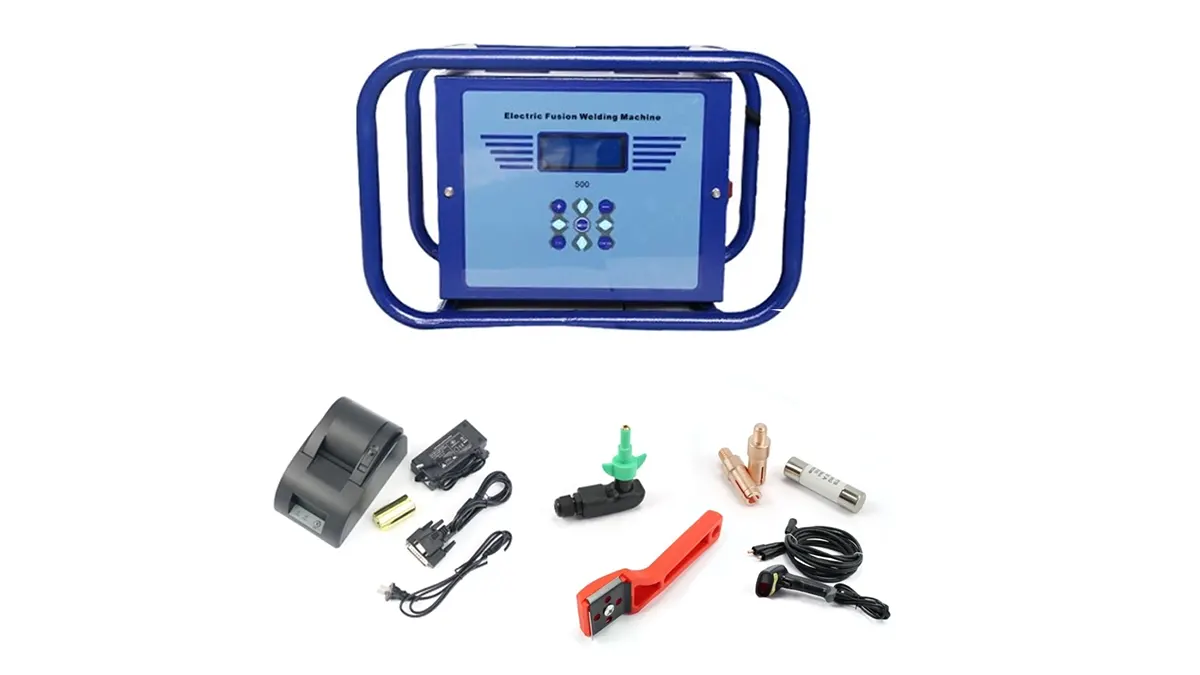
JQEA Electrofusion Machine
Compact and high-speed portable electrofusion controller featuring barcode scanner support, real-time manual input override, and automated temperature compensation for low-voltage fittings DN 20mm – 315mm.
View JQEA Specifications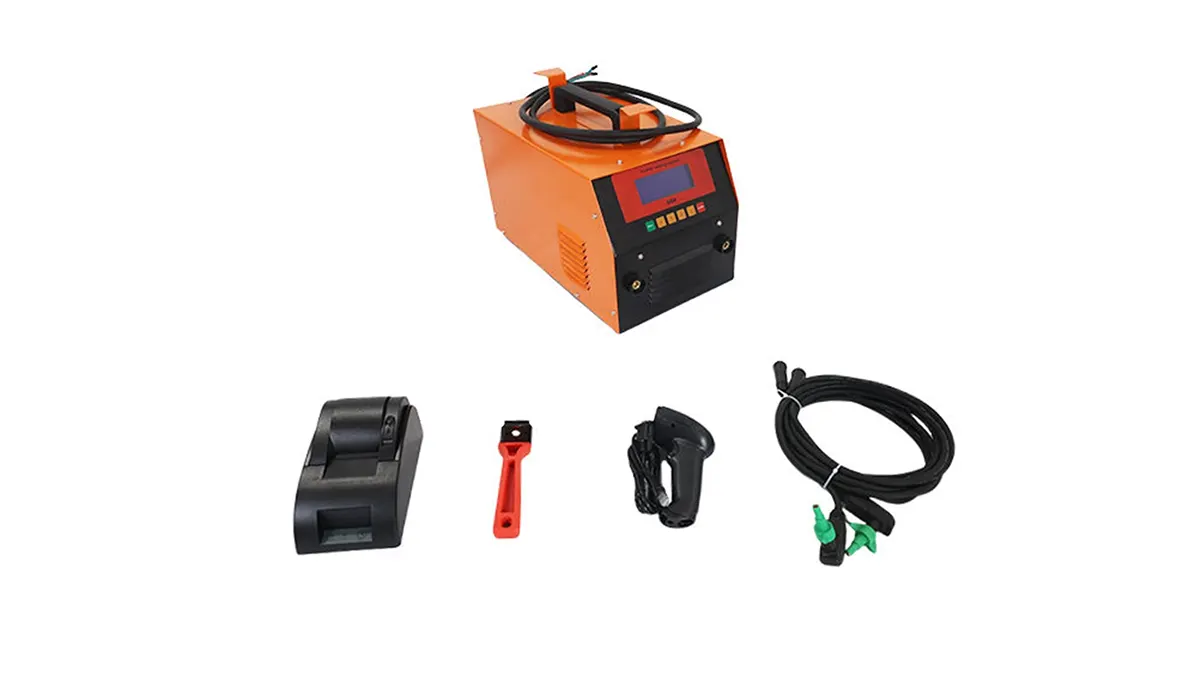
JQEB Electrofusion Machine
Heavy-duty industrial electrofusion power unit delivering wide voltage modulation up to 48V, advanced internal multi-record memory, and heavy-gauge construction suitable for large-diameter fittings up to DN 800mm.
View JQEB SpecificationsStep-by-Step Electrofusion Installation Standard
Following technical criteria from the PPI electrofusion guide (TR-49) prevents un-fused cold zones and avoids joint contamination.
Pipe Cutting & Peeling
Square cut the pipe end and peel the outer oxidized layer (0.2mm depth) across the insertion length using a certified rotary scraper tool.
Degreasing & Marking
Clean the prepared fusion zone using 99% isopropyl alcohol wipes. Mark the stab depth on the pipe surface to ensure full seating inside the coupler.
Clamping & Alignment
Secure the assembly within an electrofusion alignment clamp to remove pipe ovality, prevent movement, and neutralize joint bending stress.
Scan, Fuse & Cool
Connect the terminal leads, scan the barcode, energize the cycle, and leave the assembly fully clamped until the full cooling phase expires.
About JQ-Fusion Pipeline Equipment
JQ-Fusion is a global manufacturer specializing in high-performance thermoplastic jointing systems. We provide comprehensive fusion solutions for municipal water infrastructure, cross-country natural gas delivery, industrial mining slurries, and specialized conduit routing.
Our manufacturing protocols adhere to rigorous ISO quality frameworks. Alongside our precision electrofusion line, we engineer heavy-duty manual, hydraulic, and CNC automatic butt fusion welding machines covering diameters from small branches up to 2250mm.
Learn More About Us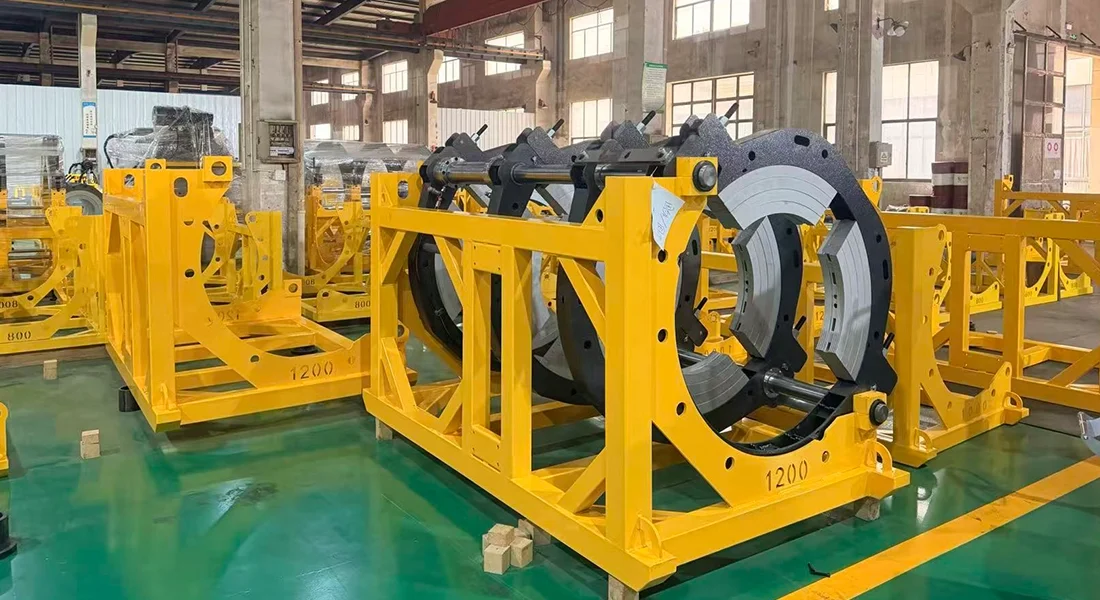
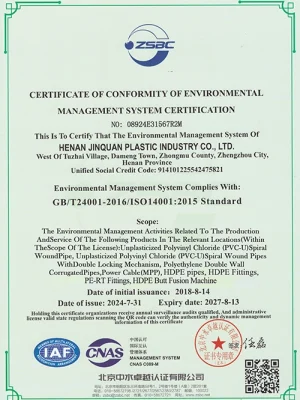
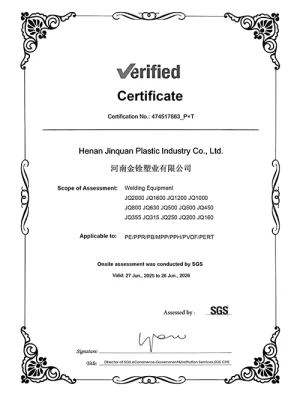
Internationally Certified Welding Equipment
Every electrofusion machine and butt fusion station is tested and certified to ensure strict operational compliance with ISO 4427 PE water pipes and PE gas piping systems regulations.
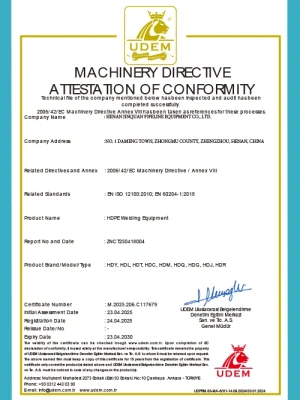
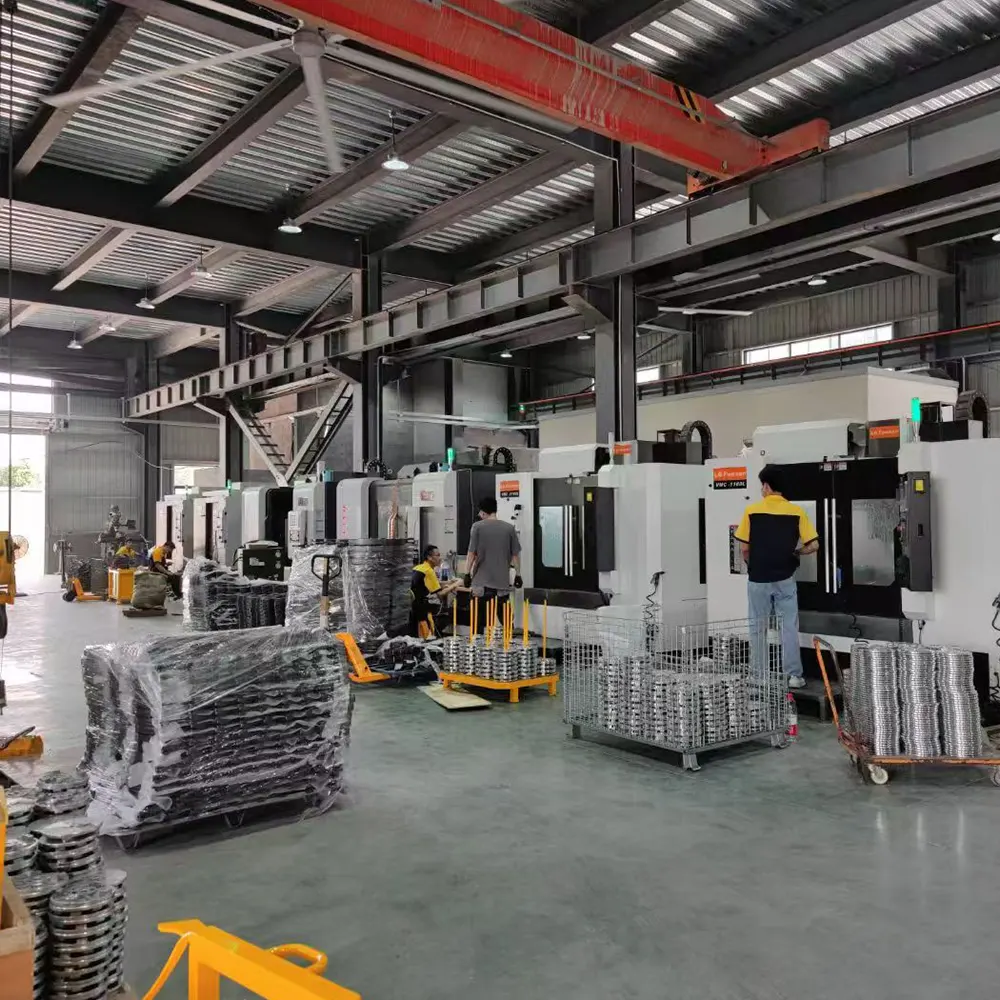
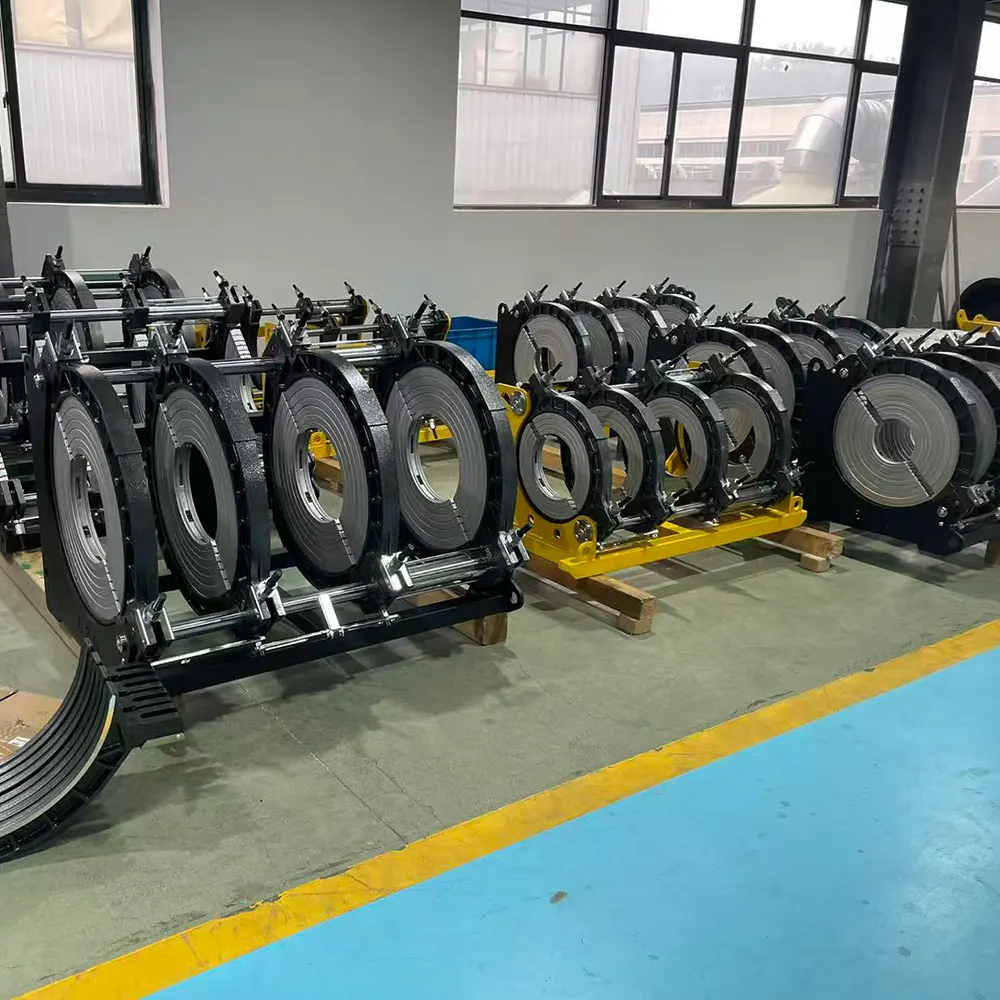
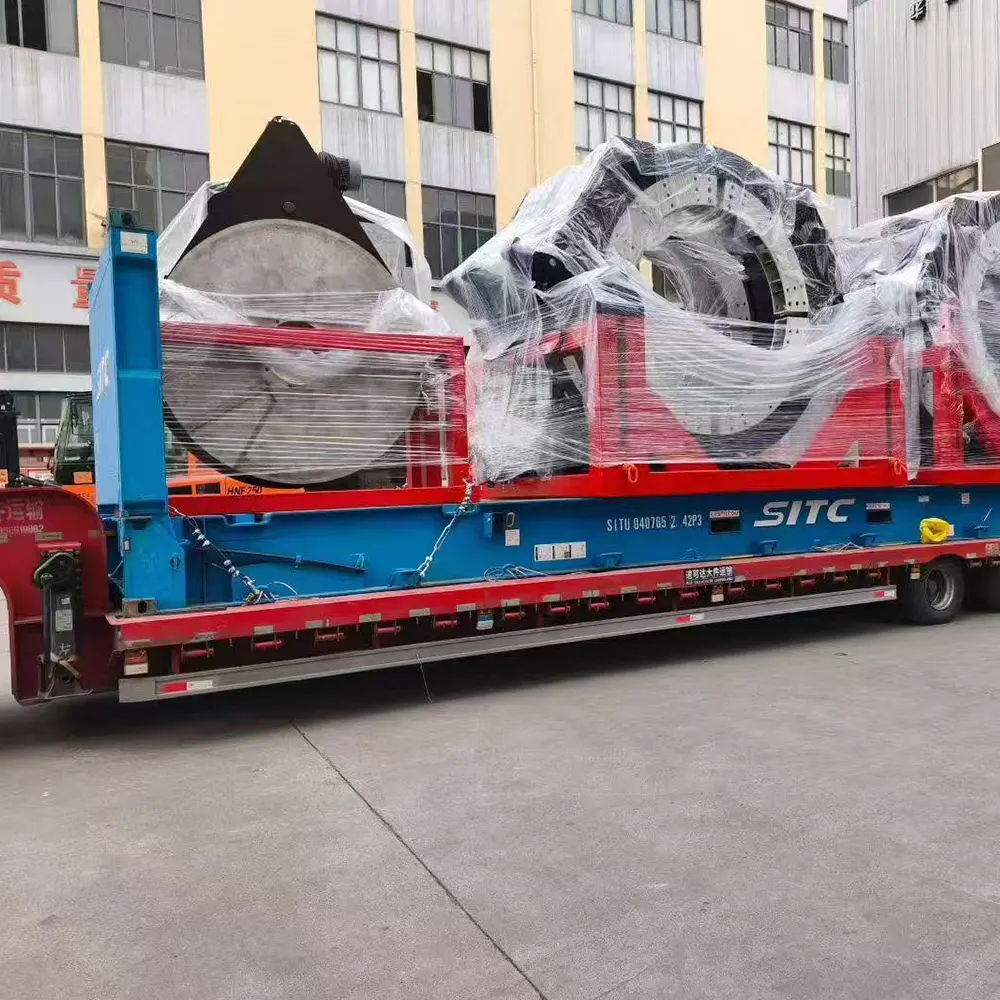
Production Facility & Large Inventory
With strategically managed assembly lines and warehouses, JQ-Fusion guarantees quick shipment for contractor orders, project expansions, and replacement machinery.
Frequently Asked Questions
Common questions regarding electrofusion welder operation, generator requirements, and international piping code compliance.
What generator capacity is required to power an HDPE electrofusion machine?
For standard electrofusion units (such as the JQEA or JQEB), a reliable generator with an output between 3.5 kVA and 5.5 kVA (with AVR voltage regulation) is recommended. Voltage fluctuations exceeding ±10% can trigger automated protective cut-offs to prevent premature fitting burn-out.
Can electrofusion join different types of polyethylene materials?
Yes. Under established standards like PE pipe compatibility guidelines, electrofusion fittings can securely join PE80 to PE100 resins and connect pipes with differing SDR ratings (such as SDR 11 to SDR 17) because melting is driven externally by the socket coil without mechanical axial thrust.
Why is mechanical pipe scraping mandatory before electrofusion?
Polyethylene pipes naturally develop an oxidized surface film upon exposure to UV light and air. If this thin oxidized skin is not mechanically peeled (approx. 0.2mm), it acts as a thermal barrier, leading to brittle failure during subsequent pressure testing.
How do I verify the weld quality in the field?
Field verification relies on three points: confirming the pop-up melt indicator pins on the fitting, extracting the weld record data log (voltage, time, energy, and resistance verification), and conducting hydrostatic pressure leak tests per PE pipe hydrostatic leak testing (ASTM F2164).
Ready to Upgrade Your Pipe Joining Fleet?
Our application engineers provide comprehensive machine sizing, custom branding (OEM/ODM), and international shipment support directly from our factory.
Direct Factory Consultation
Connect directly with our 24/7 technical sales support team for specifications, distributor pricing, and product catalogs.
Contact JQ-Fusion Team