
Advanced HDPE Pipe Fusion Systems and Engineering Solutions
Engineered for global infrastructure contractors, gas utilities, and industrial pipeline networks. Delivering precision thermal control, rugged hydraulic power, and fully automated CNC data-logging in strict accordance with ISO 21307 butt fusion procedures and ASTM F2620 heat fusion protocols.
The Mechanics of High-Integrity HDPE Pipe Fusion
High-Density Polyethylene (HDPE) butt fusion relies on strict molecular reorganization under uniform thermal heating and calibrated compressive force. When executed correctly according to international standards, the welded joint possesses mechanical tensile and shear strength equivalent to or exceeding that of the virgin pipe wall.
High-Precision Interfacial Pressure
Achieving defect-free molecular coalescence requires micro-adjusted hydraulic pressure. Systems strictly eliminate pipe drag resistance and dynamically regulate interfacial contact pressure during heat soak and consolidation cycles.
Uniform Heating Plate Dynamics
Equipped with high-grade PTFE coated heating mirrors and intelligent digital microprocessors. Surface temperature variance across the entire surface is held within ±3°C to prevent localized polymer degradation.
Comprehensive Digital Traceability
In-depth logging of welding parameters compliant with PE fusion traceability standards. Automated systems record drag pressure, heating time, ambient temperature, and cooling profiles in real time.
Specialized HDPE Fusion Machinery Solutions
From compact trench-joining manual units to massive 2250mm pipeline welders and CNC automated stations, our machinery delivers seamless integrity in municipal water, high-pressure gas, and deep mining pipelines.
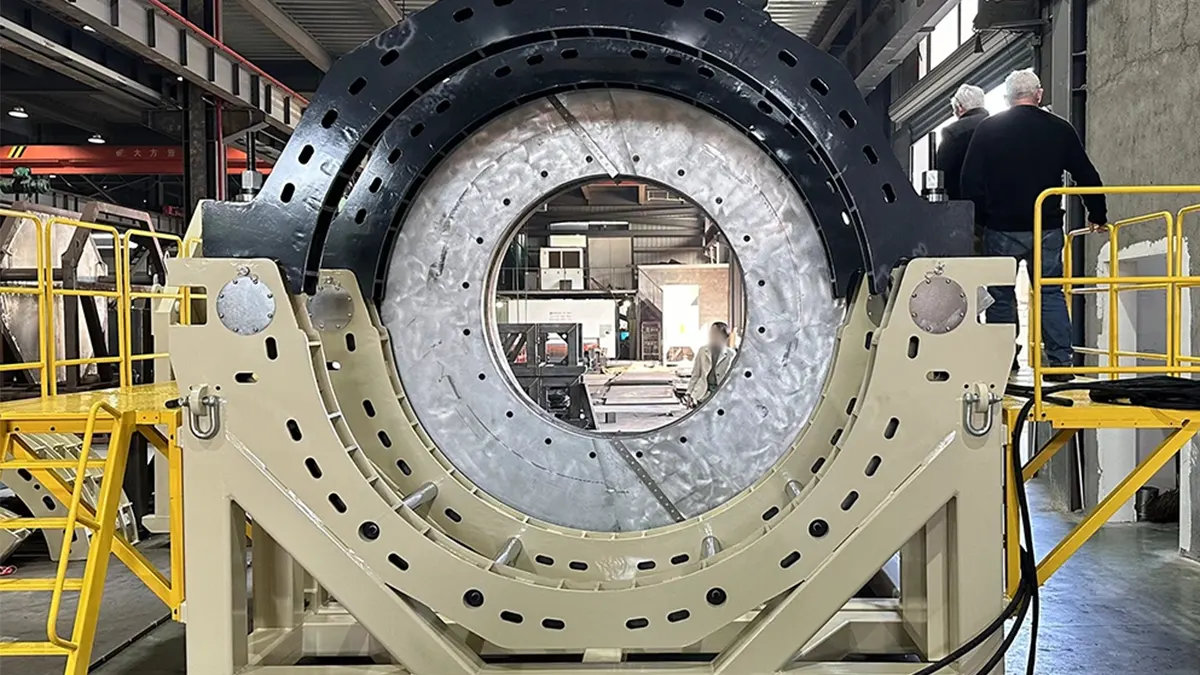
JQH2250mm Hydraulic Butt Fusion Machine
Massive clamping power designed for mega-scale municipal intake and offshore HDPE pipelines, maintaining precise hydraulic balance.
View Specifications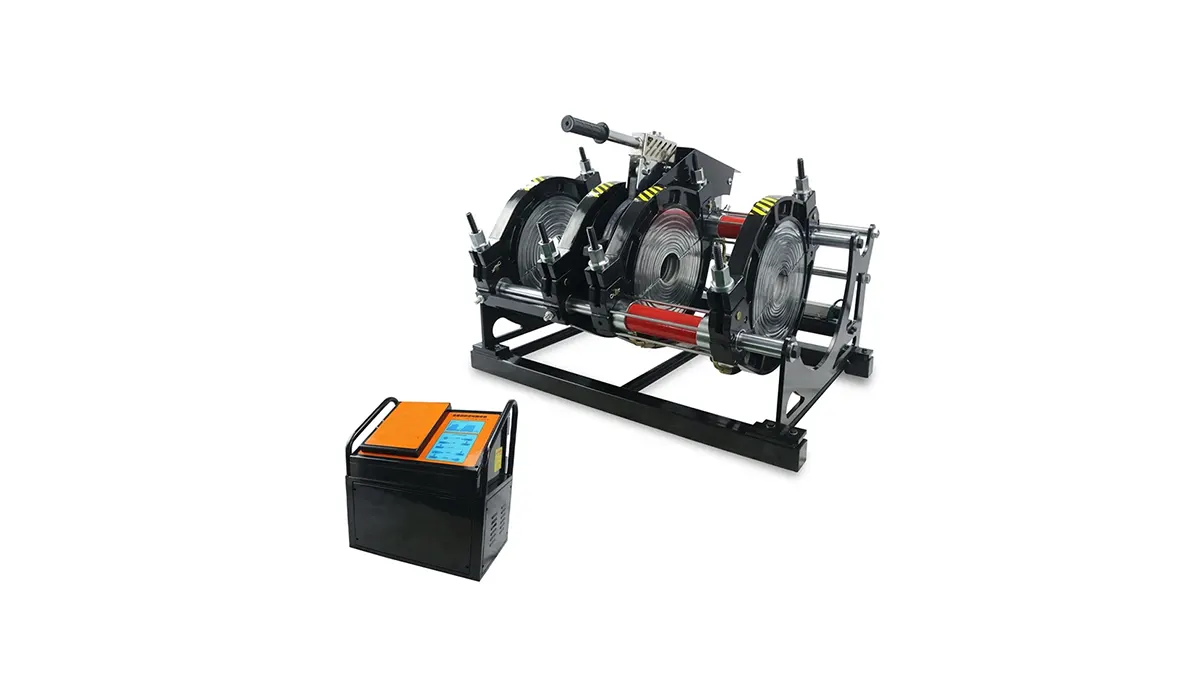
JQA630mm Automatic Butt Fusion Machine
Integrated touchscreen PLC controller with automated drag sensing, step-by-step heating cycle execution, and USB data logging.
View Specifications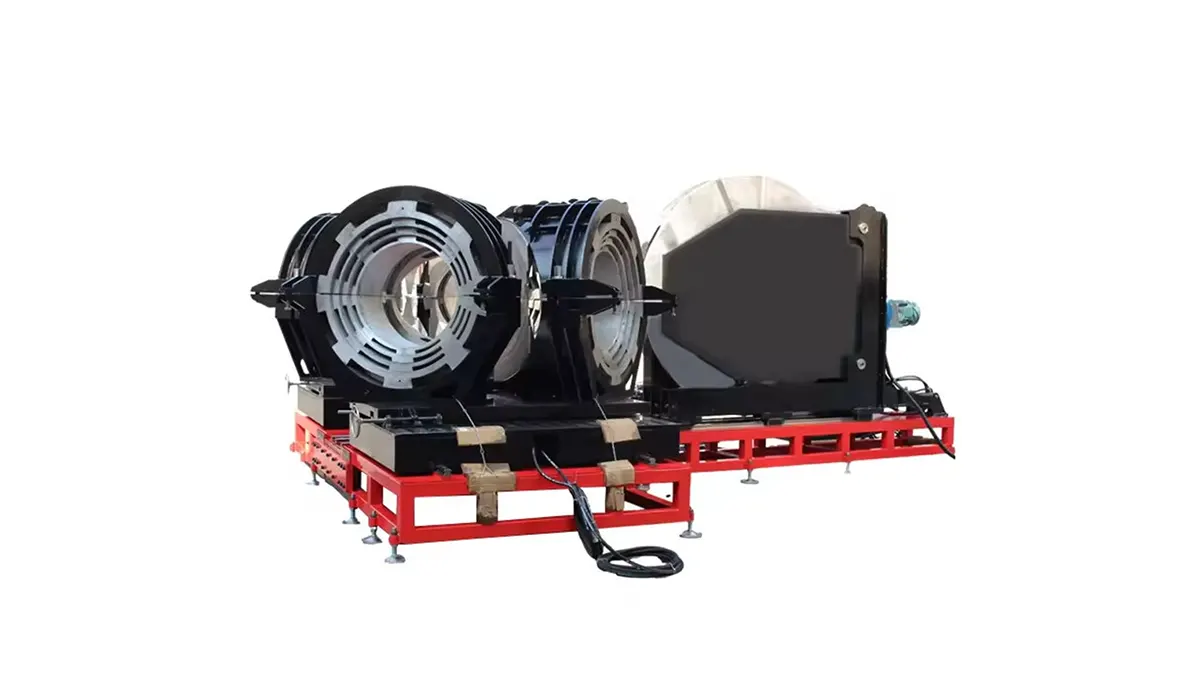
JQMA1600 Multi-Angle Pipe Fitting Welder
Engineered for workshop fabrication of segmented elbows, tees, wyes, and crosses from 800mm to 1600mm diameter ranges.
View Specifications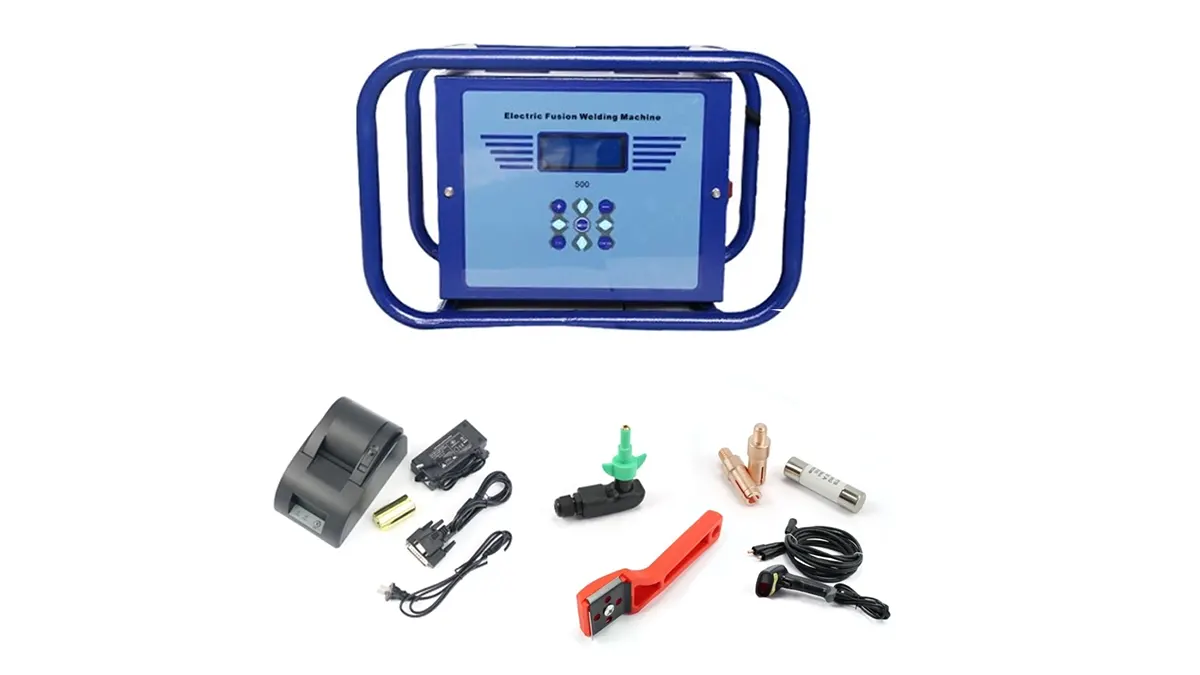
JQEA Intelligent Electrofusion System
Universal barcode-scanning electrofusion unit with real-time temperature compensation, ideal for branch saddles and tight tie-in joints.
View SpecificationsStep-by-Step Butt Fusion Cycle & Engineering Parameters
Executing certified HDPE butt fusion demands absolute compliance with international parameters set forth by the PPI butt fusion procedure and PE butt fusion equipment standard (ISO 12176-1).
The 5 Critical Stages of Butt Fusion
Every cycle executed on JQ-Fusion machinery follows a strictly calibrated mechanical sequence to guarantee molecular entanglement across the entire interface without micro-voids or thermal crystallization defects.
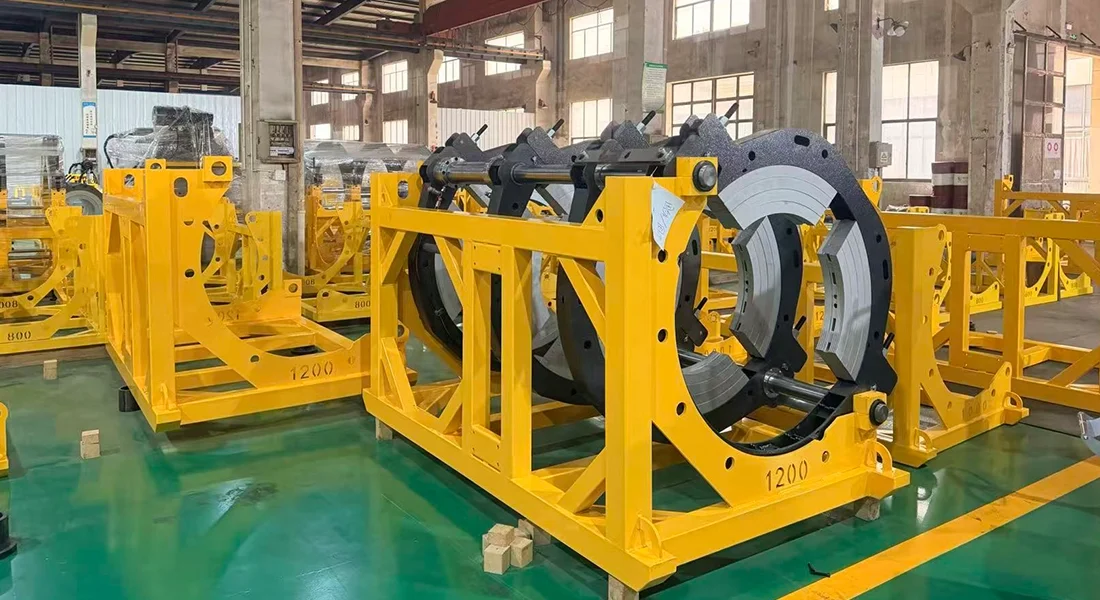
Clamping & Facing Alignment
Pipes are secured in rigid aluminum clamps. The electrical planer planes the pipe ends square and parallel until continuous shaving ribbons emerge.
Bead-Up Phase
Pipe ends are brought against the heating plate at high initial pressure until an initial melt bead forms uniformly around the circumference.
Heat Soak Phase
Interfacial pressure is dropped to near-zero (drag pressure only), allowing heat to penetrate deeply into the pipe wall without squeezing molten material out.
Rapid Changeover
The heating plate is removed rapidly within specified maximum open times to prevent ambient airflow from cooling the molten polyethylene ends.
Fusion & In-Clamp Cooling
Molten ends are brought together under calibrated fusion pressure and held rigidly for the required cooling duration under constant pressure.
Fusion Process Comparison: Standard vs High-Pressure Dual Low Method
| Parameter / Specification | ASTM F2620 (Low Pressure) | ISO 21307 Single Low Pressure | ISO 21307 Dual High Pressure |
|---|---|---|---|
| Interfacial Fusion Pressure | 0.41 – 0.62 MPa (60 – 90 psi) | 0.17 ± 0.02 MPa | 0.52 ± 0.05 MPa |
| Heating Plate Temperature | 204°C – 232°C (400°F – 450°F) | 220°C ± 10°C | 225°C ± 10°C |
| Heat Soak Pressure | Drag Pressure Only (0 psi net) | ≤ 0.02 MPa (Drag only) | ≤ 0.05 MPa (Drag only) |
| Cooling Cycle Execution | Under pressure until temp < 60°C | Long duration in machine clamps | Accelerated in-clamp hold time |
| Primary Field Application | North American Municipal / Gas | European & Global Water Systems | Large-Diameter Mining & Heavy Industry |
Certified Global Pipeline Infrastructure Solutions
JQ-Fusion maintains comprehensive ISO 9001 quality management and CE conformity certifications, backed by extensive warehouse stock ready for immediate dispatch across worldwide energy and utility networks.
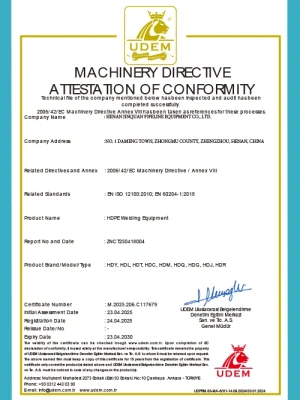
CE Conformity Mark
Conforming to European machinery safety and low-voltage electrical directives.
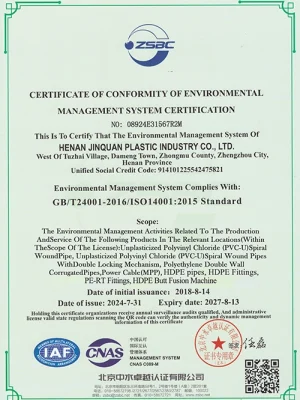
ISO 9001:2015 Registered
Standardized quality controls across CNC machining, hydraulic testing, and assembly.
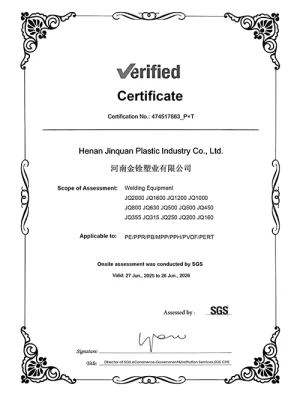
SGS Verified Facility
Third-party verified manufacturing precision and material traceability standards.
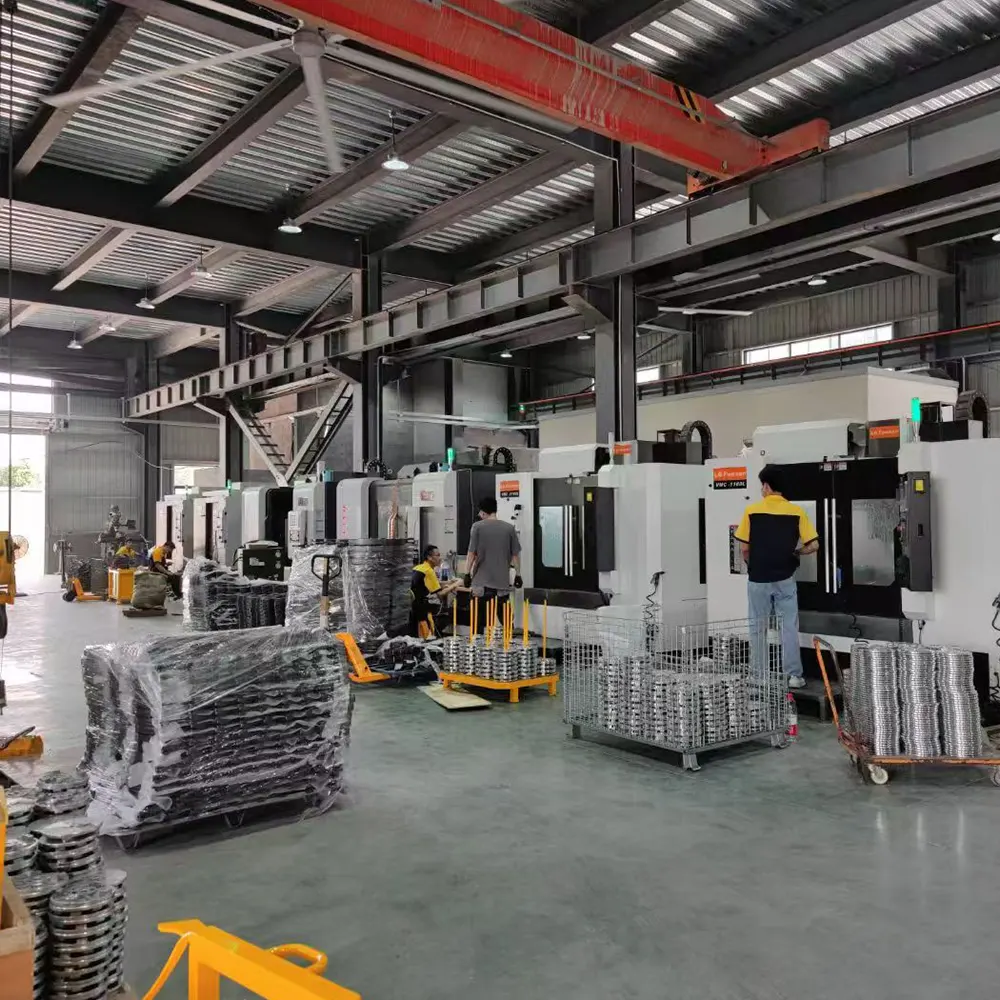
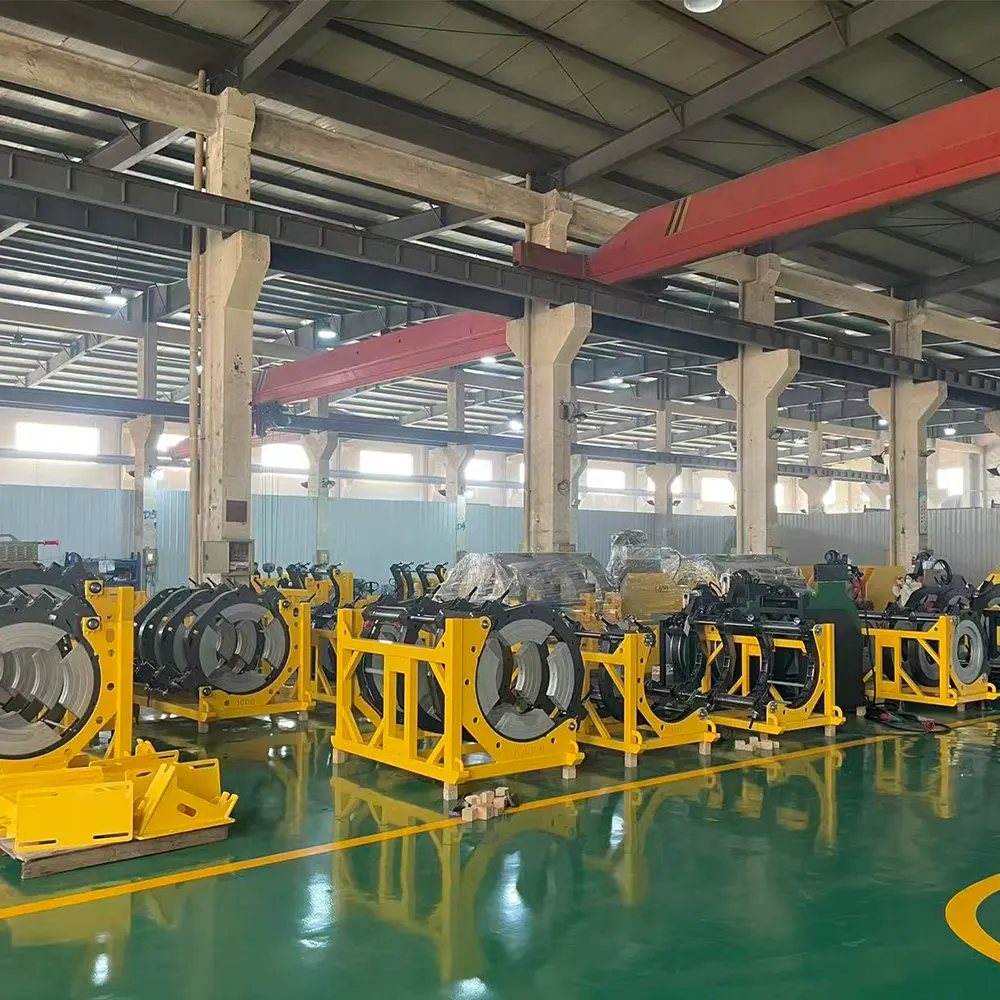
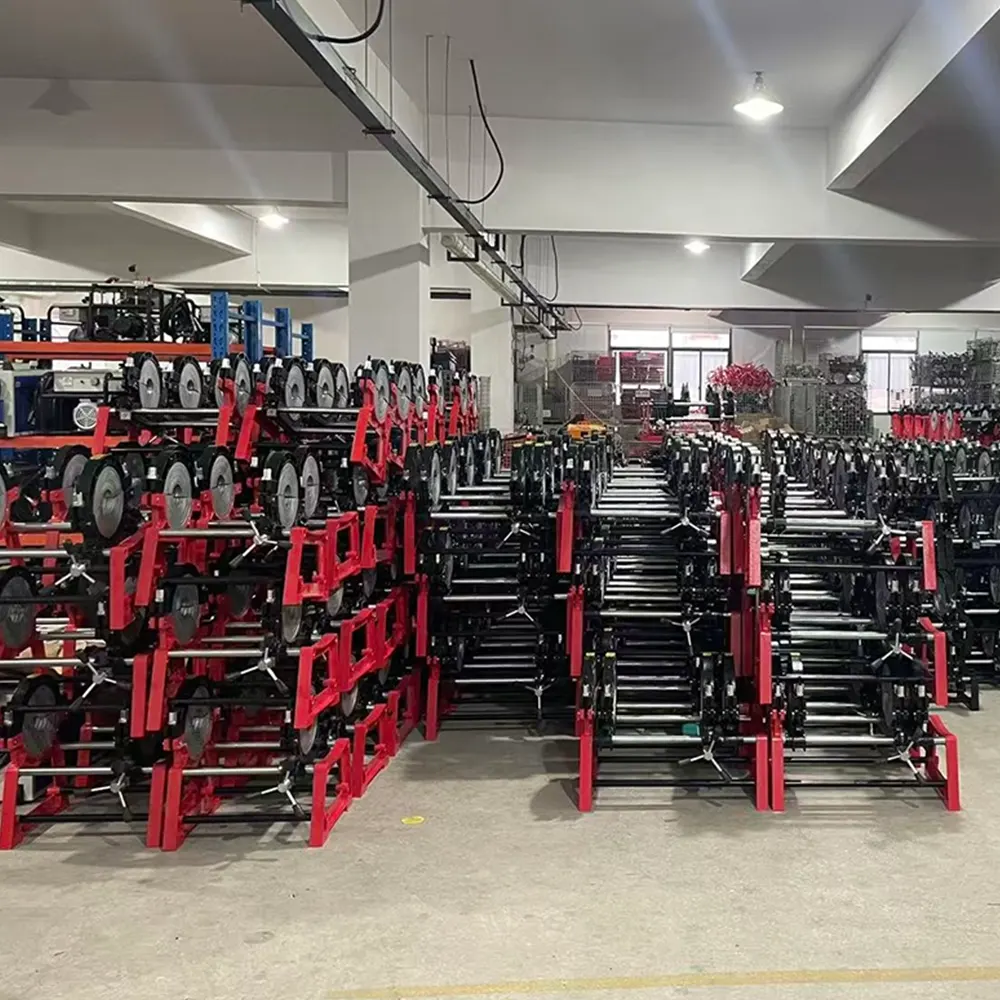
Manufacturing Facility & Global Inventory Readiness
Technical Guidance for Pipeline Engineers
Q: How is correct fusion pressure calculated for different SDR ratings?
Fusion cylinder gauge pressure equals: [(Pipe Outer Diameter Surface Area – Pipe ID Surface Area) × Interfacial Pressure] ÷ Total Machine Cylinder Hydraulic Area + Drag Pressure. CNC units calculate and set this automatically based on pipe SDR selection.
Q: Can different grades of PE pipe (e.g., PE80 and PE100) be joined via butt fusion?
According to PE pipe compatibility standards, PE80 and PE100 can be butt fused together if their Melt Flow Rate (MFR) 190/5 is compatible (within 0.2 to 1.4 g/10 min) and wall thicknesses are matched.
Q: What is the primary cause of brittle failure in HDPE butt weld joints?
Premature joint failure is typically caused by insufficient heat soak, excessive changeover time leading to oxidized molten surfaces, or premature un-clamping before reaching the critical molecular crystallization point.
Q: Are custom machine clamp sizes and OEM paint finishes supported?
Yes. JQ-Fusion provides tailored OEM and ODM fabrication including custom clamp inserts, specialized hydraulic generator power configurations, and customized PLC data-logging software for international distributor networks.
Connect with Engineering
Our sales and technical support engineering team is available 24/7 to provide quotations, equipment selection guidance, and worldwide shipping logistics.
