
HDPE Pipe Welding System for Reliable Joints
Empowering modern municipal water, natural gas distribution, mining slurries, and industrial piping networks with next-generation thermofusion technology. Master precision heat saturation, accurate hydraulic pressure dynamics, and complete field traceability.
What Constitutes a Truly Reliable HDPE Pipe Welding System?
High-Density Polyethylene (HDPE) pipelines owe their structural longevity to monolithic joint integrity. A professional HDPE pipe welding system transforms discrete pipe lengths into continuous, leak-proof conduits by synchronizing thermodynamics and fluid power.
Thermal Saturation Control
Uniform heating plate temperature distribution across both pipe ends is critical. Advanced PTFE-coated heating elements eliminate hot spots and prevent thermal degradation of the polymer matrix according to strict ISO 21307 butt fusion procedures.
Dynamic Interfacial Pressure
Hydro-dynamic force regulators compensate for drag pressure in real time. Maintaining exact interfacial pressure during the fusion and soaking phases guarantees optimal molecular chain interpenetration without squeezing out molten HDPE material.
Controlled Isobaric Cooling
Premature clamp release induces internal residual stresses and micro-voids. Reliable welding platforms maintain uninterrupted clamping pressure throughout the cooling window under ambient environmental conditions, maximizing tensile joint strength.
The science of thermofusion welding relies on heating two prepared pipe ends to the molten crystalline transition state (typically between 200°C and 230°C depending on polymer standard), followed by high-precision mechanical alignment. Understanding what is HDPE butt fusion requires appreciating that a properly executed weld produces a joint interface that equals or exceeds the mechanical and burst-pressure strength of the original pipe wall.
Modern utility infrastructure requires zero tolerance for pipeline failure. Implementing certified equipment that adheres to PE butt fusion equipment standard ISO 12176-1 ensures that parameters like cylinder surface area, hydraulic drag compensation, and temperature variance across heating plates remain within certified tolerances across challenging field environments.
HDPE Pipe Welding Machinery by Automation & Application
Selecting the appropriate machinery tier is critical to balancing capital efficiency, field labor productivity, and compliance with stringent utility codes.
Hydraulic Butt Fusion Welding Machines
The industry benchmark for cross-country pipelines, municipal mains, and industrial discharge lines ranging from 40mm up to 2250mm. Equipped with robust semi-automatic hydraulic control units, pressure accumulators, quick-release couplers, and durable aluminum alloy clamp inserts. These systems empower technicians to exert immense, stable clamping force while compensating for heavy pipe drag.
CNC Fully Automatic Fusion Systems
Designed for high-criticality installations like high-pressure gas distribution and nuclear cooling loops. CNC automated units remove human error by controlling heat time, pressure transitions, and cooling intervals via PLC microcontrollers. Complete cycle logs are recorded digitally in compliance with PE fusion traceability ISO 12176-4.
Manual Mechanical Butt Fusion Welders
Lightweight, cost-effective solutions for small diameter pipe networks (usually 40mm to 250mm) such as building internal drainage, agricultural drip irrigation, and conduit installations. Operated via mechanical lever or handwheel gear drives, these machines provide supreme portability in narrow trenches and elevated pipe racks.
Multi-Angle Workshop Pipe Fitting Machines
Specialized fabrication systems tailored for factory workshop environments. Capable of manufacturing custom mitered elbows, equal tees, crosses, and Y-branches from straight pipe segments according to butt-fused PE fittings standard ASTM F2206 and PE pipe fittings standard ISO 4427-3.
Universal Electrofusion Processors
Using barcode scanning technology aligned with ASTM F1055 electrofusion fittings, these units energize internal resistance wires embedded in specialized coupling sleeves, enabling reliable repairs, service saddle connections, and joining in congested metropolitan utility trenches.
Step-by-Step Butt Fusion Process & Welding Parameters
Achieving certified joint strength mandates rigorous compliance with universal standards such as ASTM F2620 heat fusion and PPI butt fusion procedure TR-33.
Clamping & Facing
Secure pipe ends in the machine chassis. Plane both end faces with the electric facing tool until continuous ribbons of plastic shavings emerge on both sides.
Alignment & High-Low Check
Bring pipe faces together to verify radial alignment. Radial mismatch (high-low) must not exceed 10% of minimum pipe wall thickness per international engineering codes.
Heating & Bead Up
Insert calibrated heating plate (220°C ± 10°C). Apply initial bead-up pressure until a continuous molten bead of specified height develops around the entire pipe perimeter.
Heat Soak Cycle
Reduce hydraulic pressure to drag pressure (nearly zero interfacial pressure) to allow thorough heat saturation into the pipe ends without displacing molten resin.
Rapid Plate Changeover
Quickly disengage pipe clamps, extract the heating plate, and bring molten ends together smoothly within the maximum allowable changeover time (a matter of seconds).
Fusion Pressure Application
Smoothly ramp up clamping pressure to the target interfacial fusion pressure (commonly 0.15 to 0.17 N/mm²), interlinking polymer molecular chains permanently.
Isobaric Cooling
Maintain constant hydraulic pressure throughout the prescribed cooling cycle. Never accelerate cooling with water, compressed air, or forced ventilation.
Bead Quality Inspection
Release clamps after complete cooldown. Perform visual and bead geometry dimensional checks against PE butt fusion process PPI TN-51.
Global Welding Specification Comparison Matrix
| Welding Parameter | ISO 21307 Single Low Pressure | ISO 21307 Dual High Pressure | ASTM F2620 / PPI TR-33 | DVS 2207-1 Standard |
|---|---|---|---|---|
| Heating Plate Temp. | 220°C – 235°C | 200°C – 220°C | 204°C – 232°C (400°F – 450°F) | 200°C – 220°C |
| Interfacial Pressure | 0.15 ± 0.01 N/mm² | 0.52 ± 0.02 N/mm² | 0.41 – 0.62 N/mm² (60 – 90 psi) | 0.15 N/mm² |
| Soaking Phase Pressure | ≤ 0.02 N/mm² (Drag only) | ≤ 0.05 N/mm² | Drag Pressure Only | ≤ 0.02 N/mm² |
| Cooling in Clamp | Required (Standard Duration) | Reduced Cycle Allowed | Mandatory under Pressure | Required (Extended for thick walls) |
| Target Pipeline Medium | Water Supply & General Industrial | High Pressure Mining & Gas | Municipal Gas (ASTM D2513 PE gas pipe) | European Chemical & Utility Grids |
Engineered Equipment Ready for Global Dispatch
Explore JQ-Fusion’s specialized product portfolio, manufactured under strict ISO 9001 quality protocols to deliver unrivaled operational endurance.
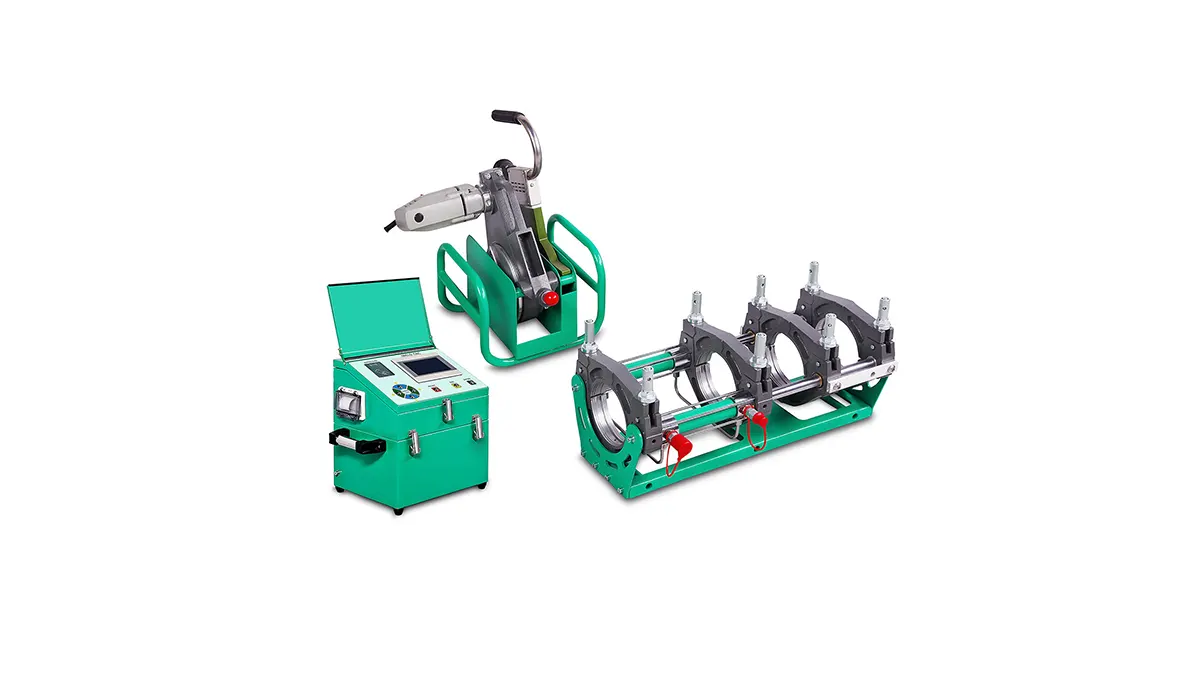
Hydraulic Butt Fusion with Aluminum Clamps
View Specifications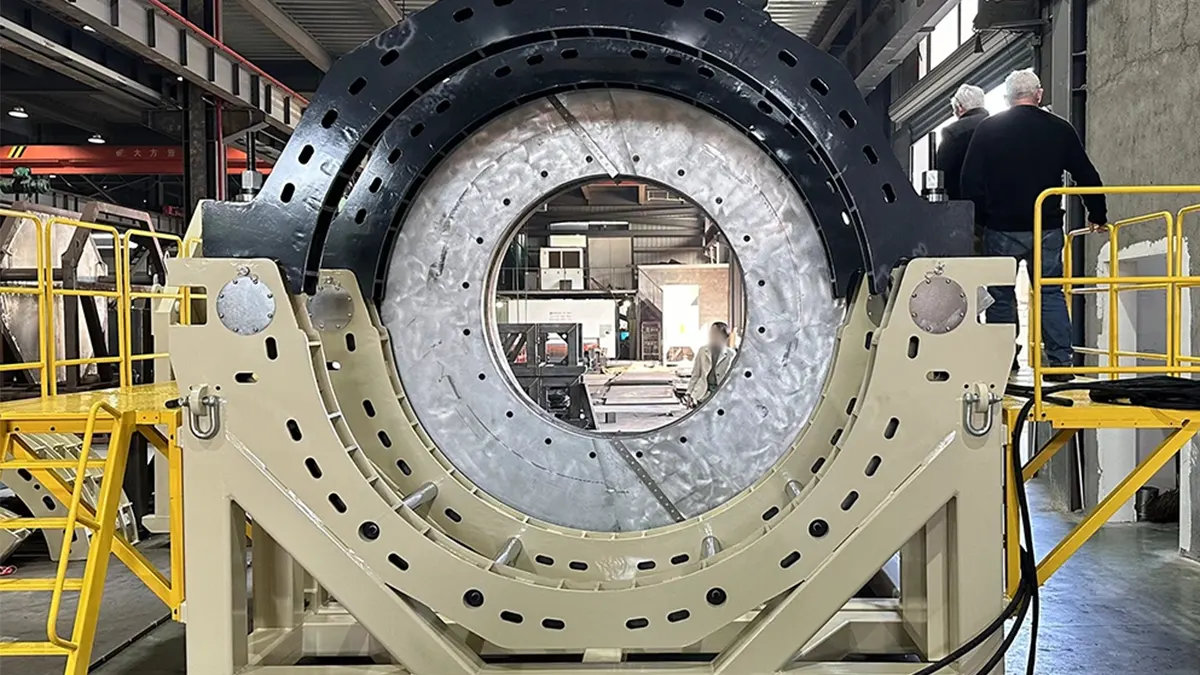
JQH2250mm Large Diameter Hydraulic Welder
View Specifications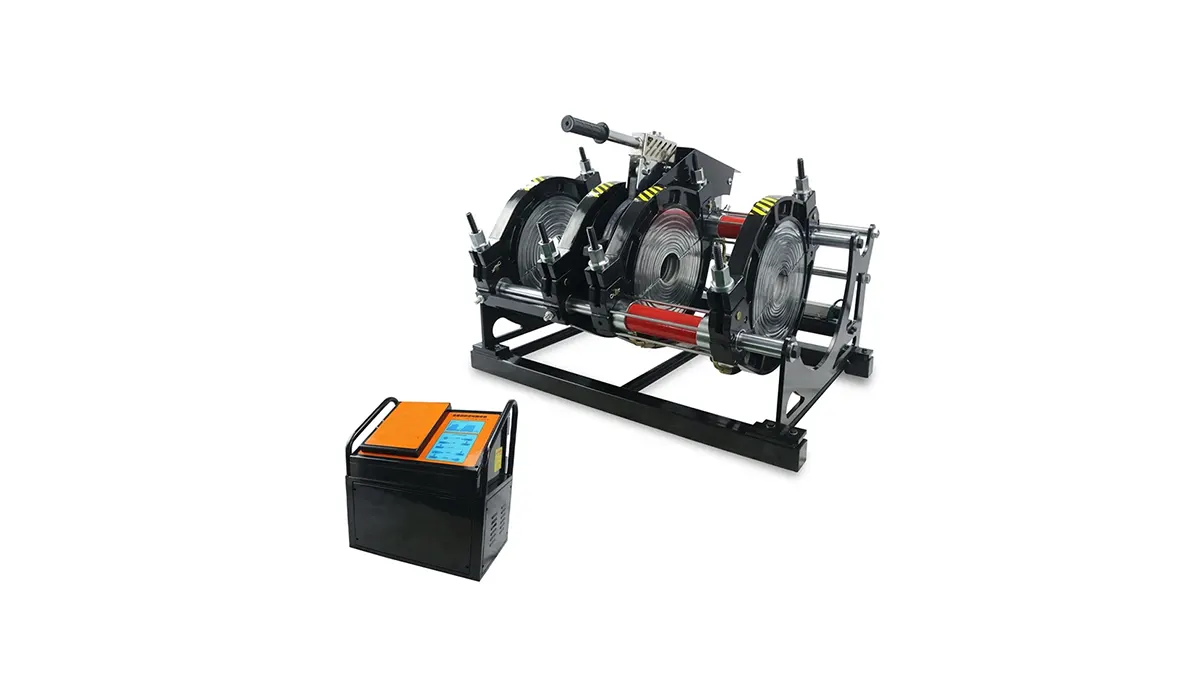
JQA630mm Automatic CNC Butt Fusion Unit
View Specifications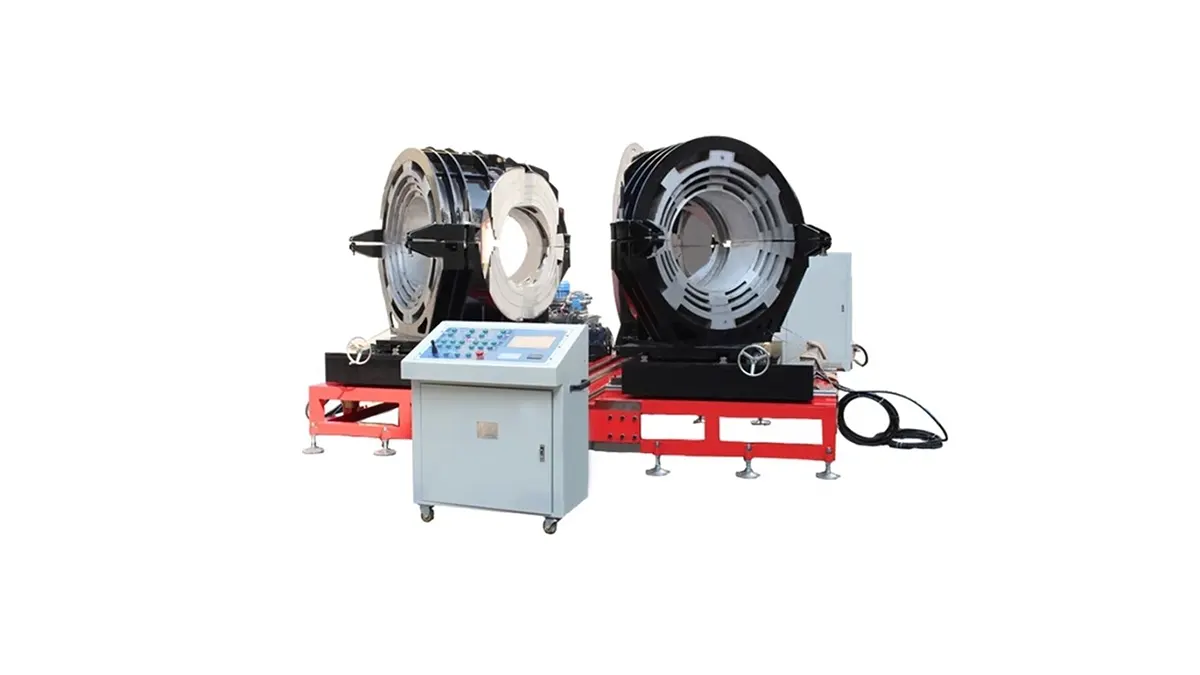
JQMA800 Multi-Angle Workshop Fitting Welder
View SpecificationsNon-Destructive Testing and Quality Control Standards
Guaranteed zero leakage requires dual-phase verification: real-time in-process parameter logging paired with rigorous field non-destructive evaluation (NDE).
Hydrostatic Pressure Testing
Field hydrostatic leak testing is governed by ASTM F2164 leak testing. Pipelines are filled, pressurized to 1.5× operating rating, and monitored across temperature-equalized periods to verify joint cohesion.
Ultrasonic Phased Array Testing
Phased Array Ultrasonic Testing (PAUT) scans the internal fusion zone without destructive cutting. High-frequency acoustic beams detect planar flaws, cold joints, embedded particulate, and void coalescences deep inside thick-walled pipes.
Data Traceability & Audit Logs
Modern CNC systems integrate ISO 12176-3 operator credentials, GPS location stamping, and ambient sensors. Raw time-pressure-temperature curves are permanently archived for pipeline infrastructure life-cycle compliance.
The integrity of HDPE piping systems across gas networks (ISO 4437-1 PE gas piping and ISO 4437-2 PE gas pipes) and potable water mains (ISO 4427-2 PE water pipes) hinges on operator competence. Certifications adhering to heat fusion operator qualification ASTM F3190 ensure operators understand how environmental factors—such as wind chilling, extreme cold, or pipe ovality—impact fusion results.
About JQ-Fusion
JQ-Fusion is a professional manufacturer specializing in HDPE pipe welding machines, providing reliable butt fusion solutions for global infrastructure projects. With years of industry experience, we focus on the development and production of manual, hydraulic, and CNC automatic butt fusion welding machines, covering a wide range of pipe sizes from small to large diameters.
Our products are widely used in municipal water supply, natural gas distribution, mining slurries, and industrial chemical pipelines. Supported by advanced manufacturing facilities, strict quality control processes, and a responsive service team, JQ-Fusion has built long-term partnerships with distributors and contractors worldwide.
Learn More About Us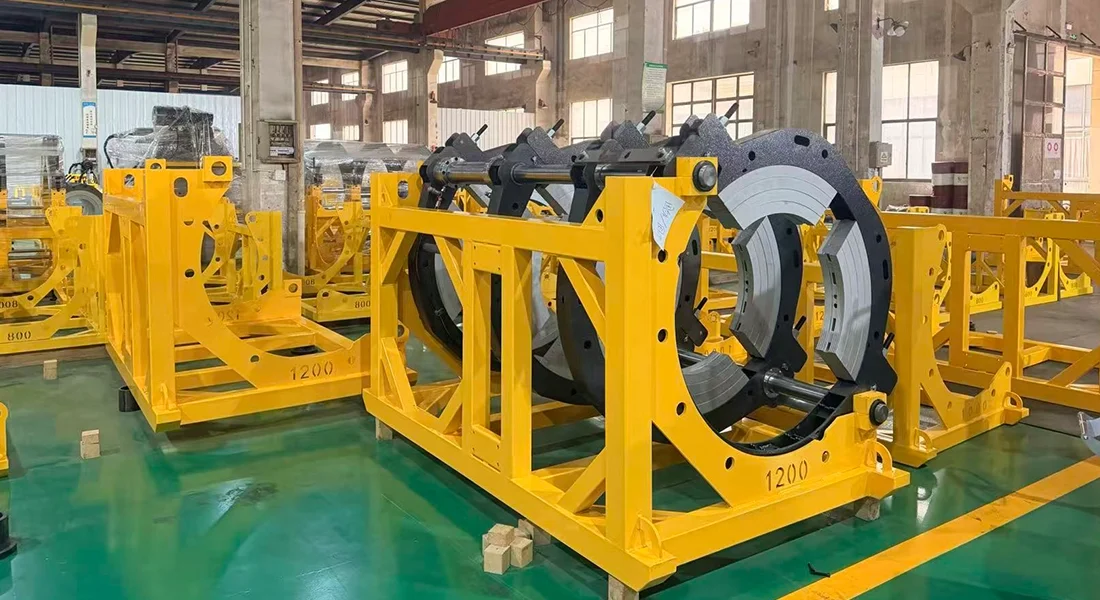
Our Promise to Global Pipeline Clients
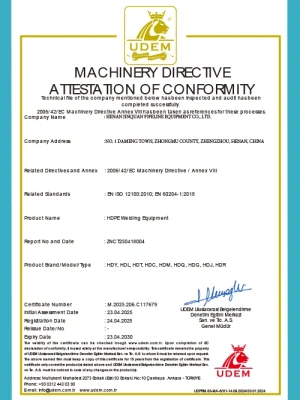
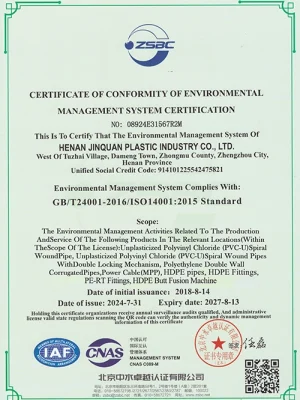
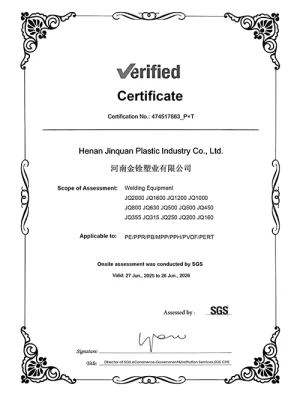
Certified International Quality
Certified to meet global industrial standards, providing peace of mind and consistent joint performance.
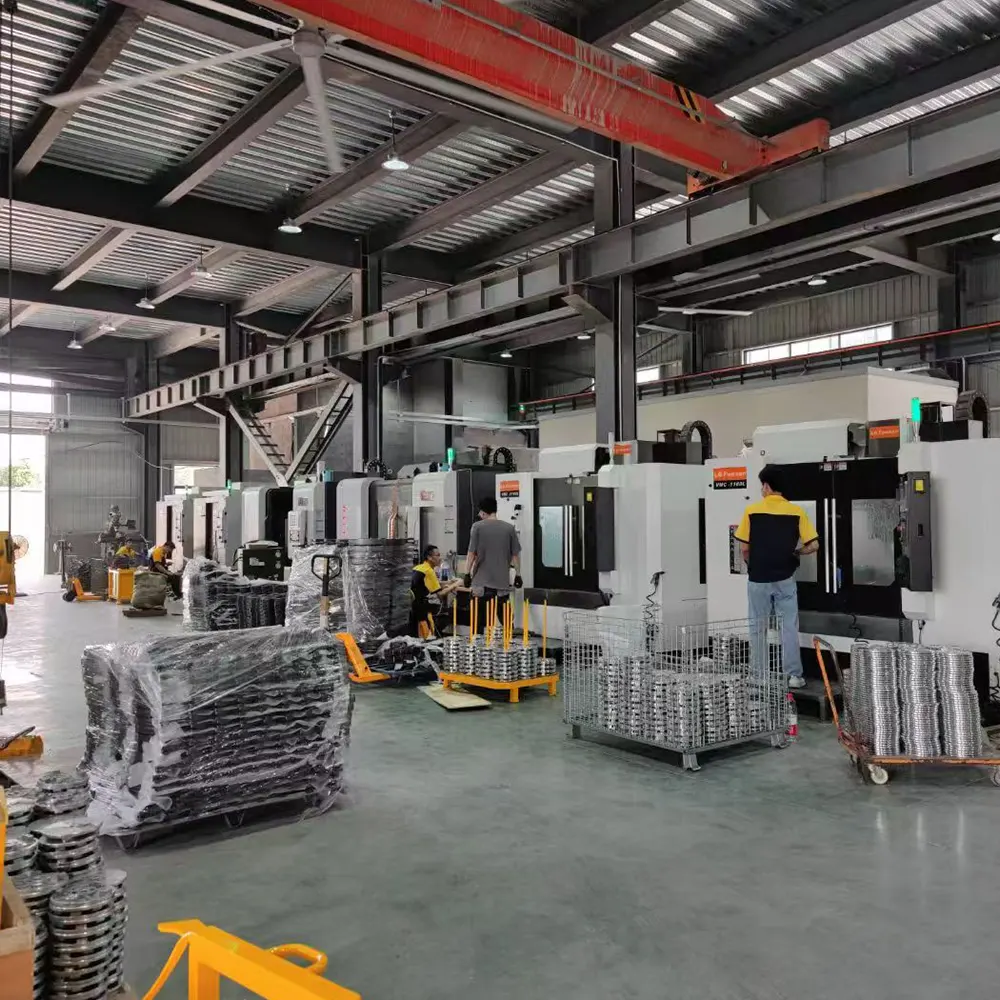
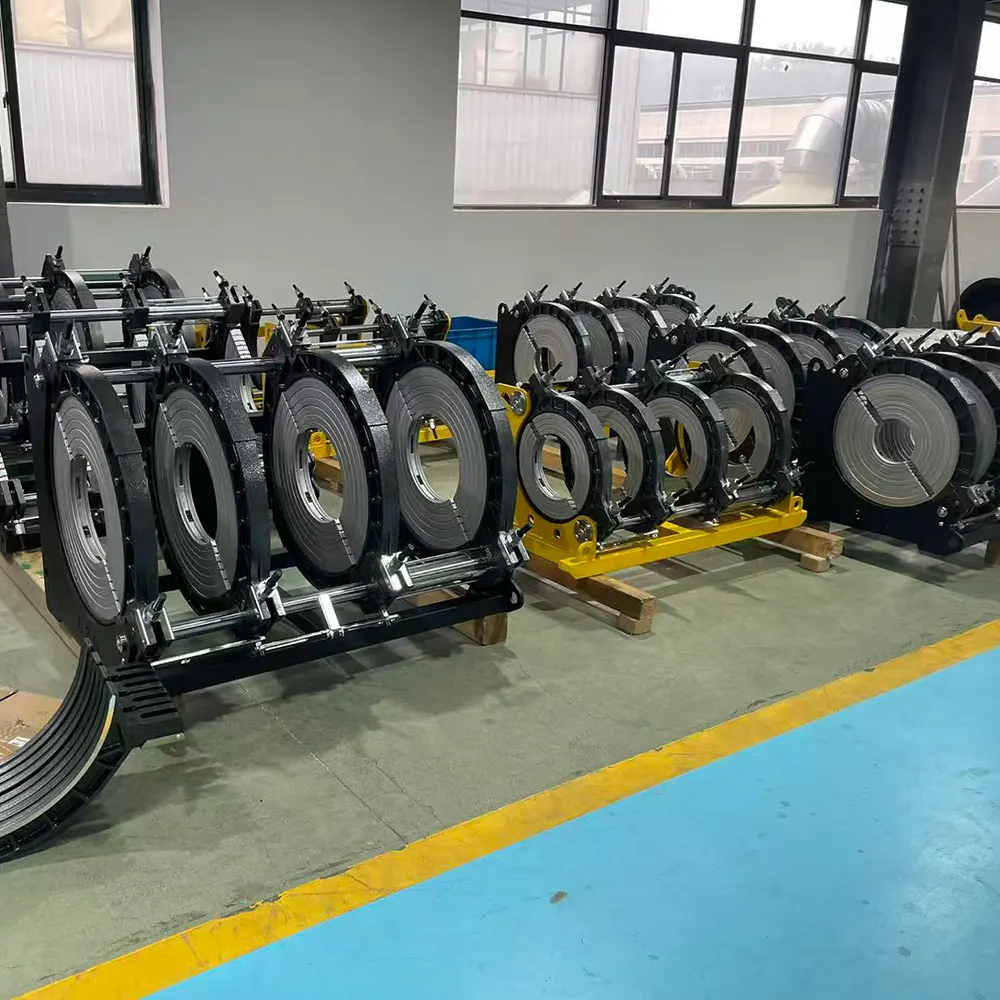
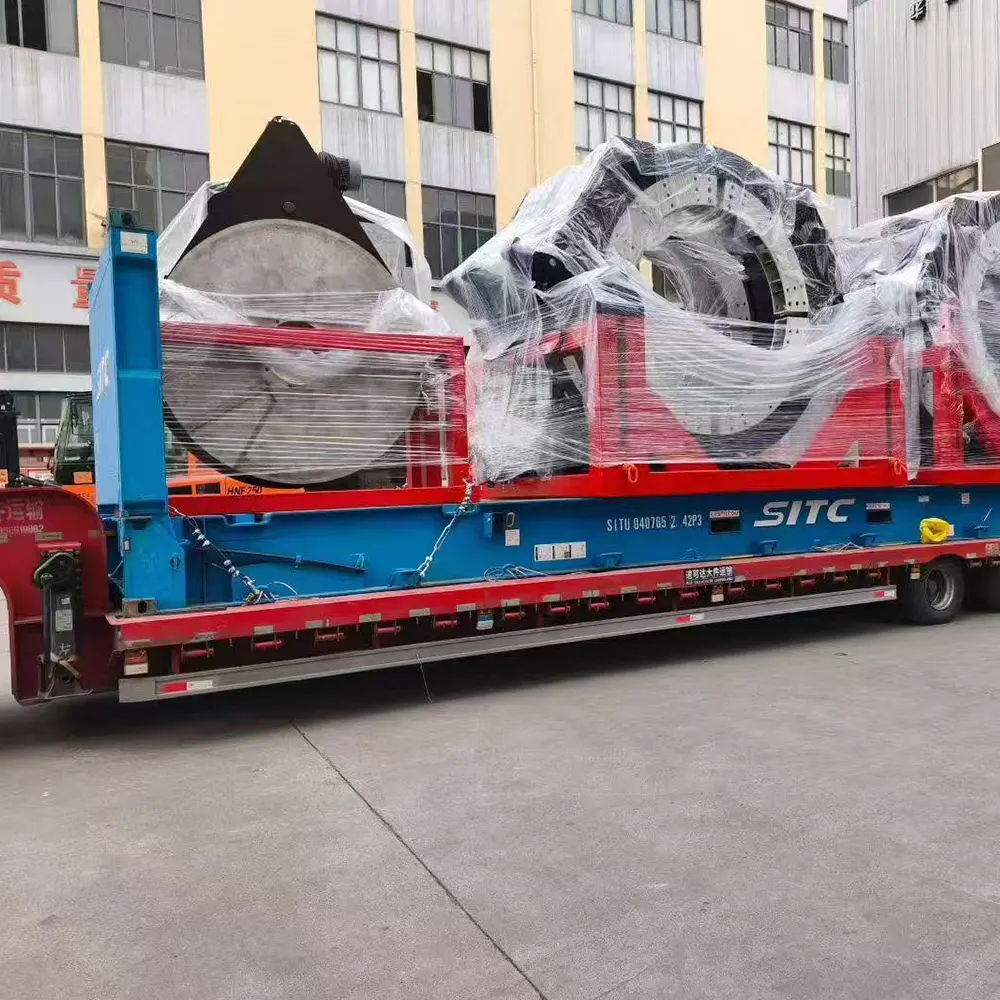
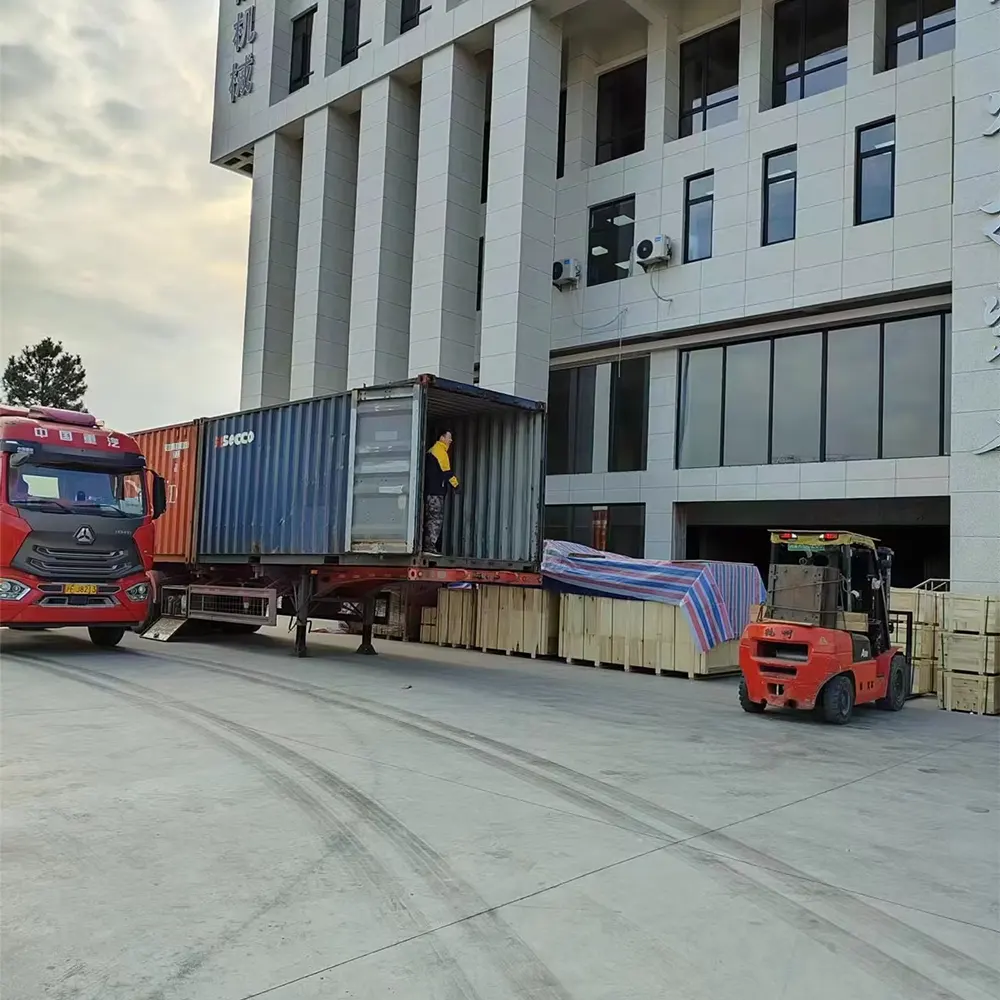
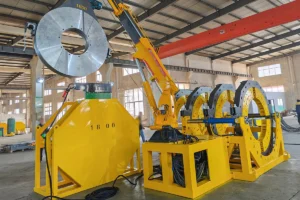
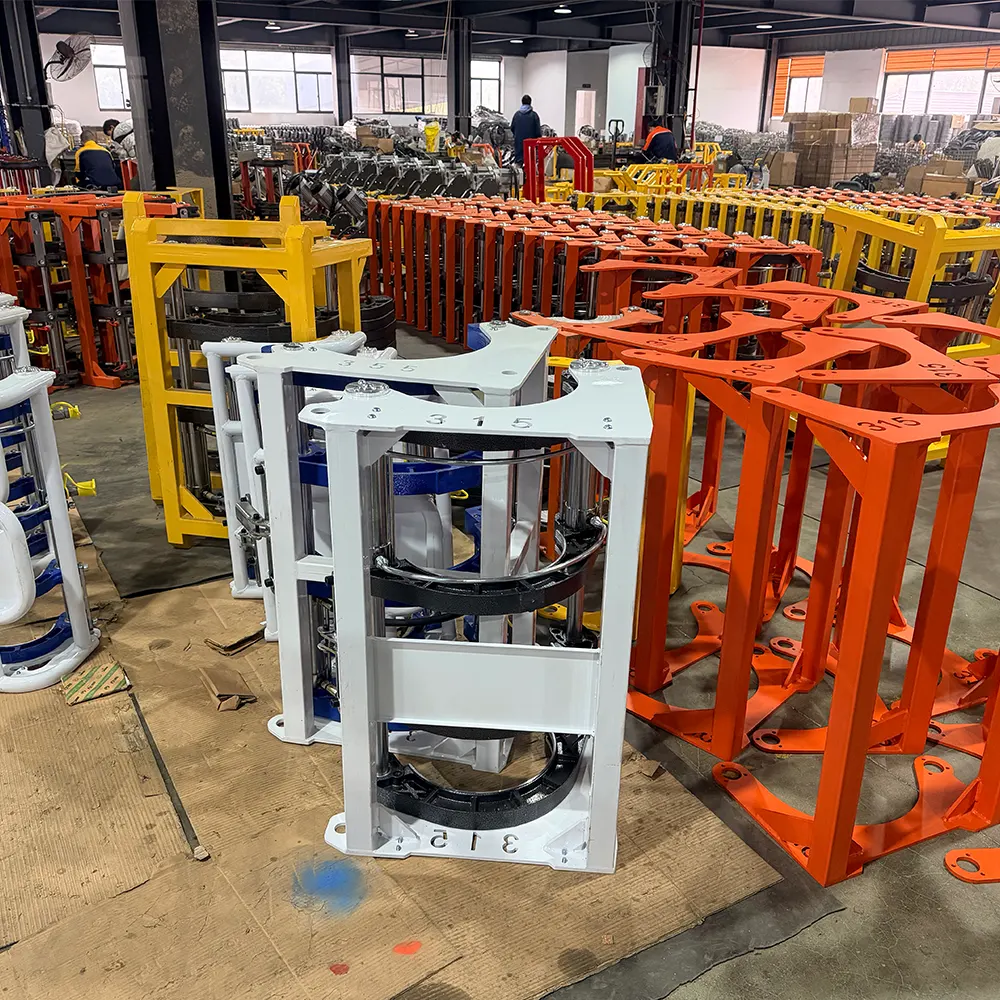
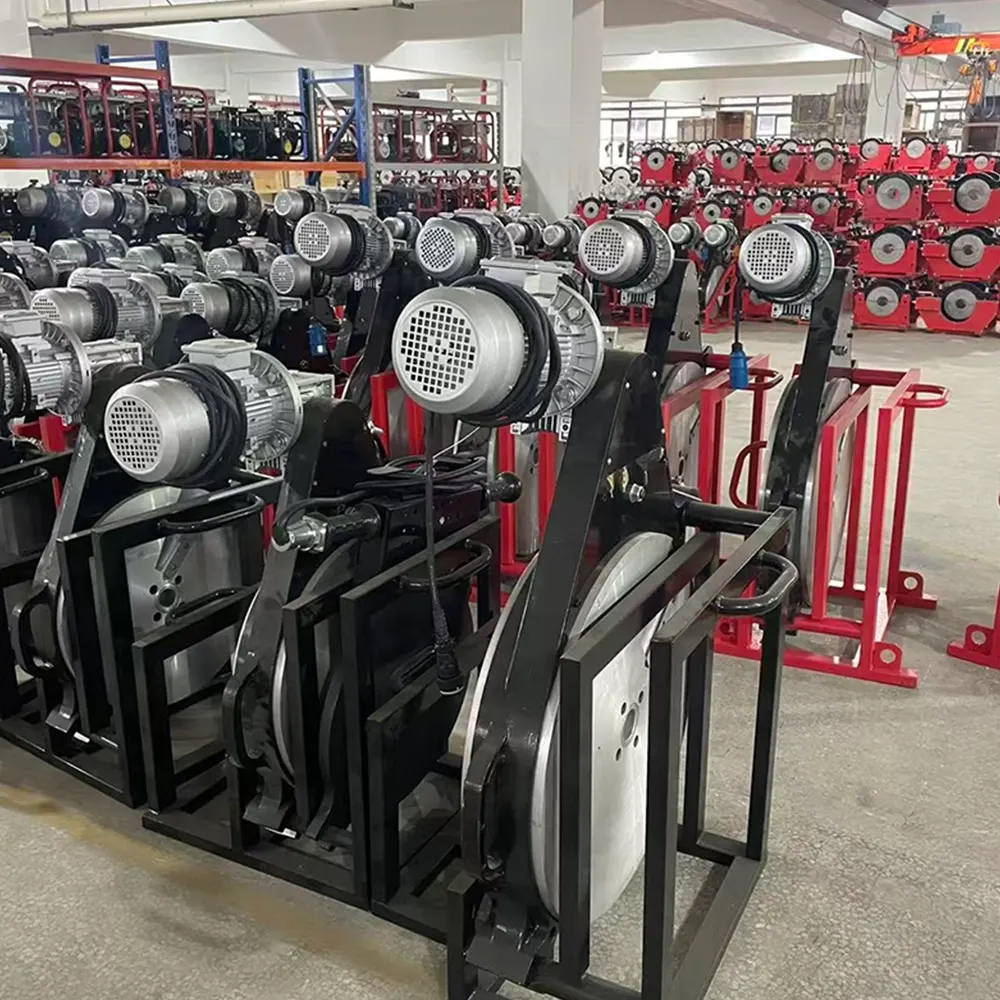
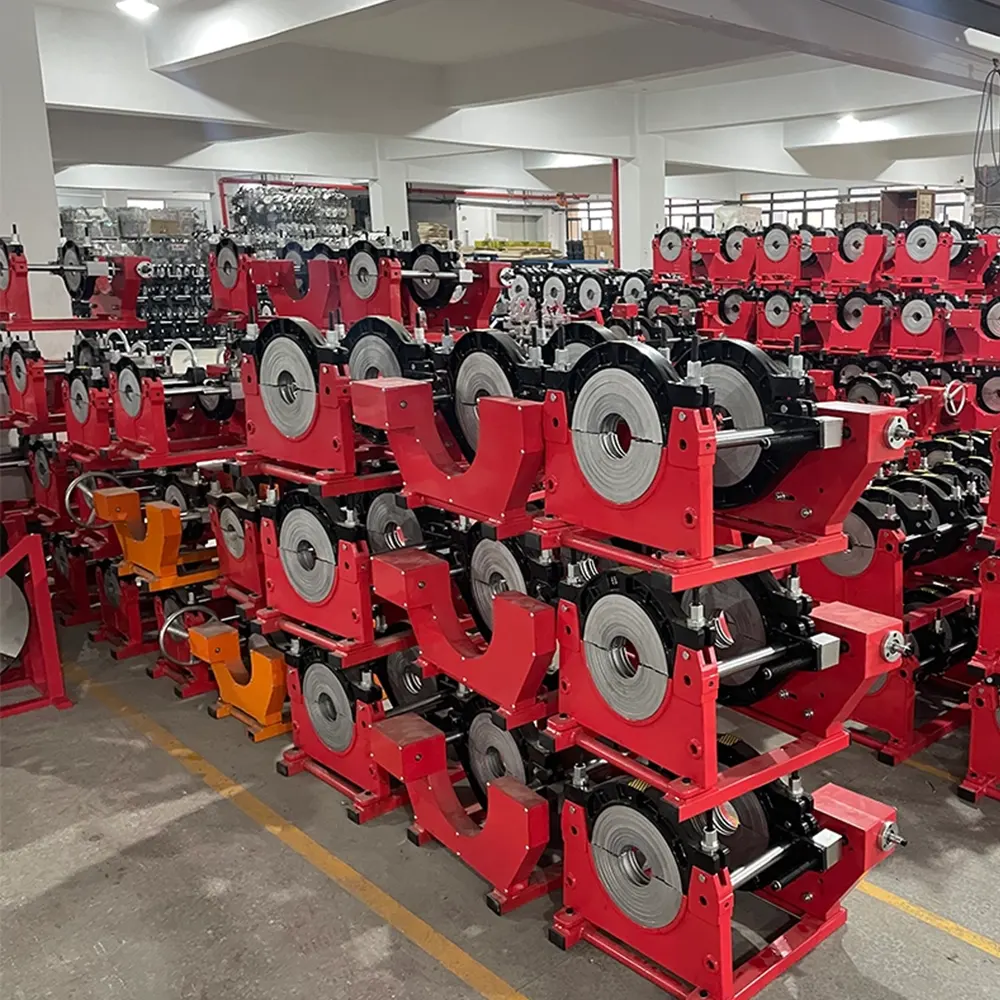
Visit Our Factory & Ready Inventory
Strategically organized warehouses and modern production lines allow us to fulfill single units and bulk container shipments promptly.
HDPE Pipe Welding Engineering FAQs
Got questions regarding welding parameter calculations, machinery sizing, or field standards? Find immediate answers below.
Equip Your Next Pipeline Project with JQ-Fusion Systems
Our sales and engineering service team is available around the clock to support equipment selection, technical data verification, and international export logistics.
