
About JQ-Fusion: Industrial Pipe Jointing Solutions
Establishing benchmark durability and precision across global gas, water, wastewater, mining, and chemical piping infrastructure.
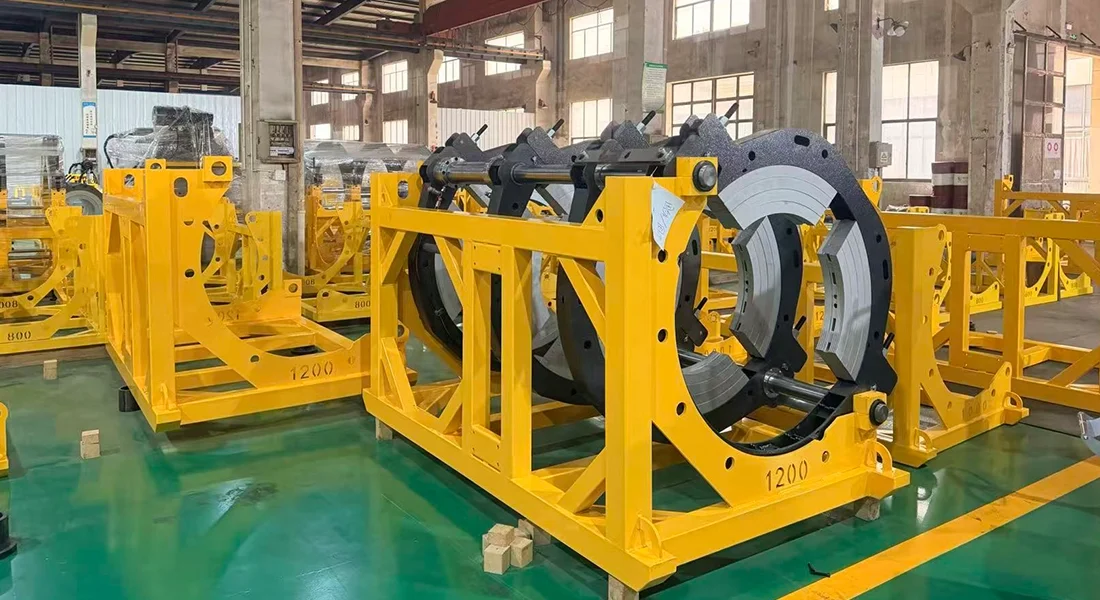
JQ-Fusion is a premier global PE pipe welding machine manufacturer dedicated to advancing butt fusion and electrofusion technology. As global infrastructure shifts toward high-density polyethylene (HDPE) and solid-wall polyolefin pipeline systems, our manufacturing facility engineers field-tested welding equipment capable of delivering high joint integrity under extreme site conditions.
With comprehensive research and precision machining capabilities, JQ-Fusion manufactures a full continuum of joining systems, including manual hand-pump welders, heavy-duty hydraulic butt fusion machines, automated CNC orbital units, and workshop multi-angle fabrication fittings machines. All equipment adheres strictly to international production standards such as PE butt fusion equipment standard ISO 12176-1 and global fusion joining criteria.
Key Mission: Providing pipeline contractors, utility operators, and distributors with defect-free jointing solutions engineered to prevent hydraulic stress failures and guarantee 50+ year pipeline lifecycles.
From urban gas distribution networks following PE gas piping systems guidelines to heavy industrial sludge slurry conveyance, JQ-Fusion integrates aerospace-grade aluminum clamps, digital temperature control plates, and smooth-action hydraulic rams to minimize joint discrepancies.
Global Standards & Fusion Principles
Understanding the molecular dynamics and international testing frameworks that govern reliable polyethylene pipe fusion.
Thermal Viscoelastic Fusion
Polyethylene butt fusion relies on strict thermal energy transfer to melt crystalline structures without thermal degradation. Following ASTM F2620 heat fusion guidelines, uniform interface temperatures (200°C–230°C) allow polymer chains to inter-diffuse across the molten zone, creating a continuous homogenous joint as strong as the raw pipe.
ISO 21307 Dual-Pressure Controls
Our hydraulic systems accommodate international low-pressure and high-pressure single/dual clamping protocols according to ISO 21307 butt fusion procedures. Accurate drag pressure measurement ensures precise bead-up formation and controlled cooling without internal stress cracking.
Traceability & Data Logging
Modern utility infrastructure requires total process transparency. Adhering to PE fusion traceability protocols, automated fusion units log real-time temperature, pressure graphs, drag values, operator IDs, and ambient conditions to generate verifiable quality assurance records.
Industrial PE Pipe Welding Equipment Series
Select from our specialized line of manual, hydraulic, automatic CNC, and workshop fitting welders configured for versatile field pipe diameters.
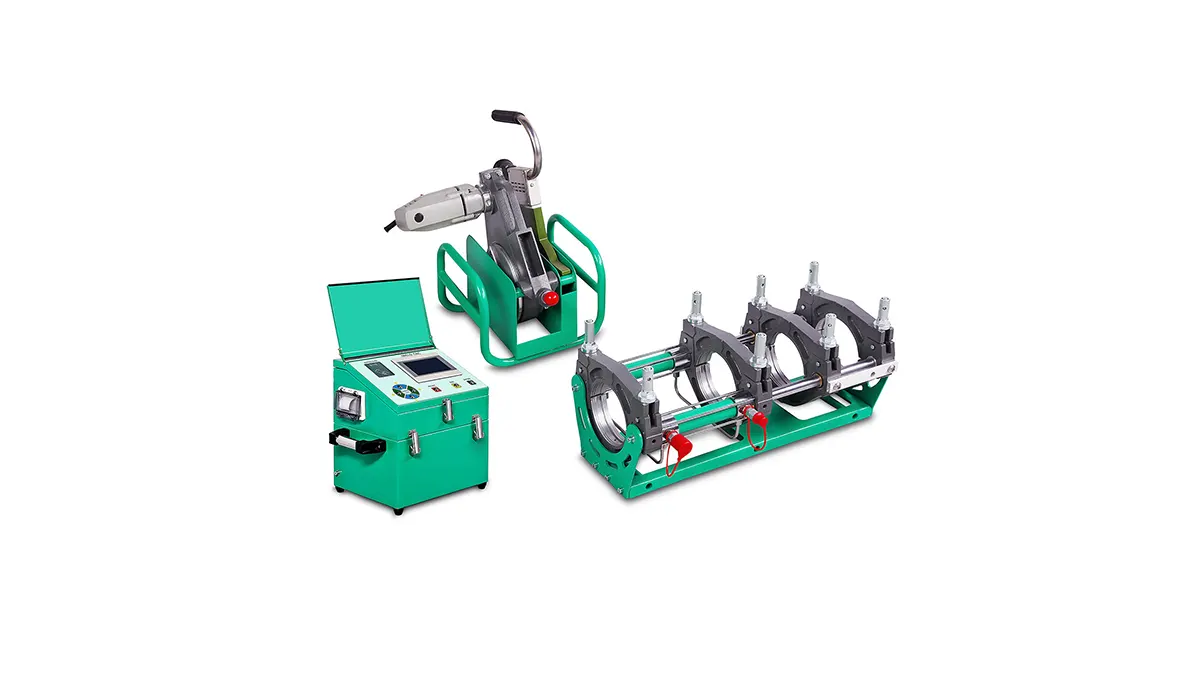
Hydraulic Clamping Series
Engineered with heavy-duty aluminum die-cast clamps for trench and surface pipe jointing from 90mm to 630mm.
View Hydraulic Series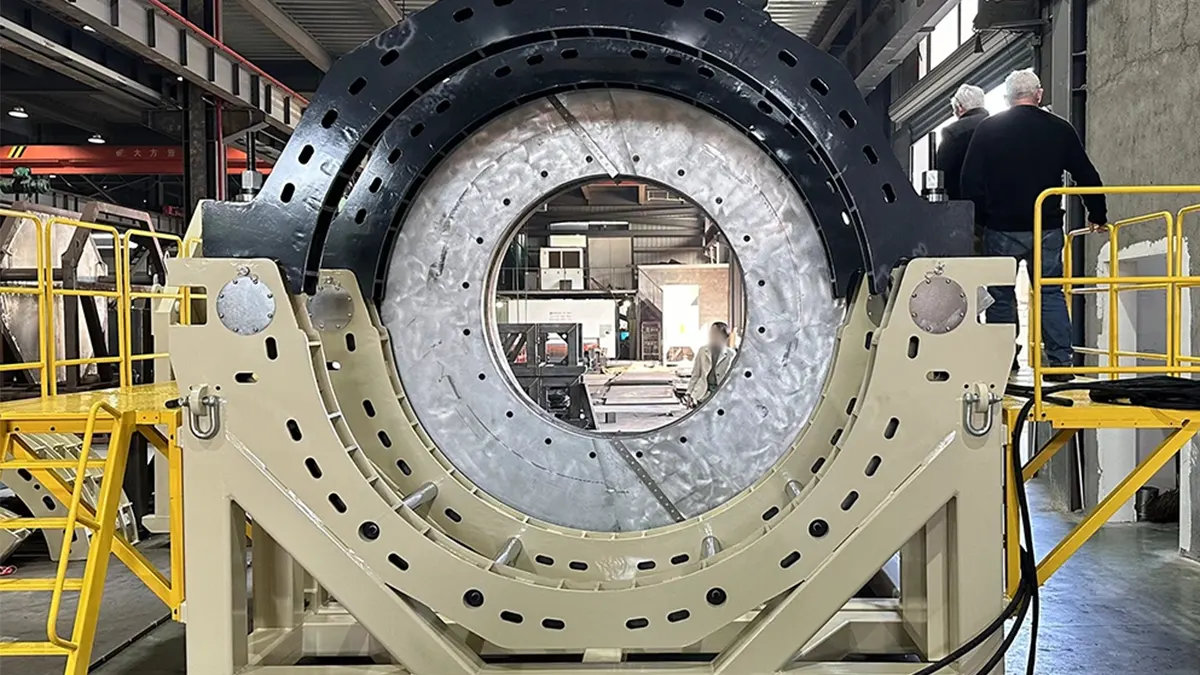
Large-Diameter JQH2250
Super-jumbo hydraulic fusion machine designed for large transmission pipelines up to 2250mm outer diameter.
View JQH2250 Model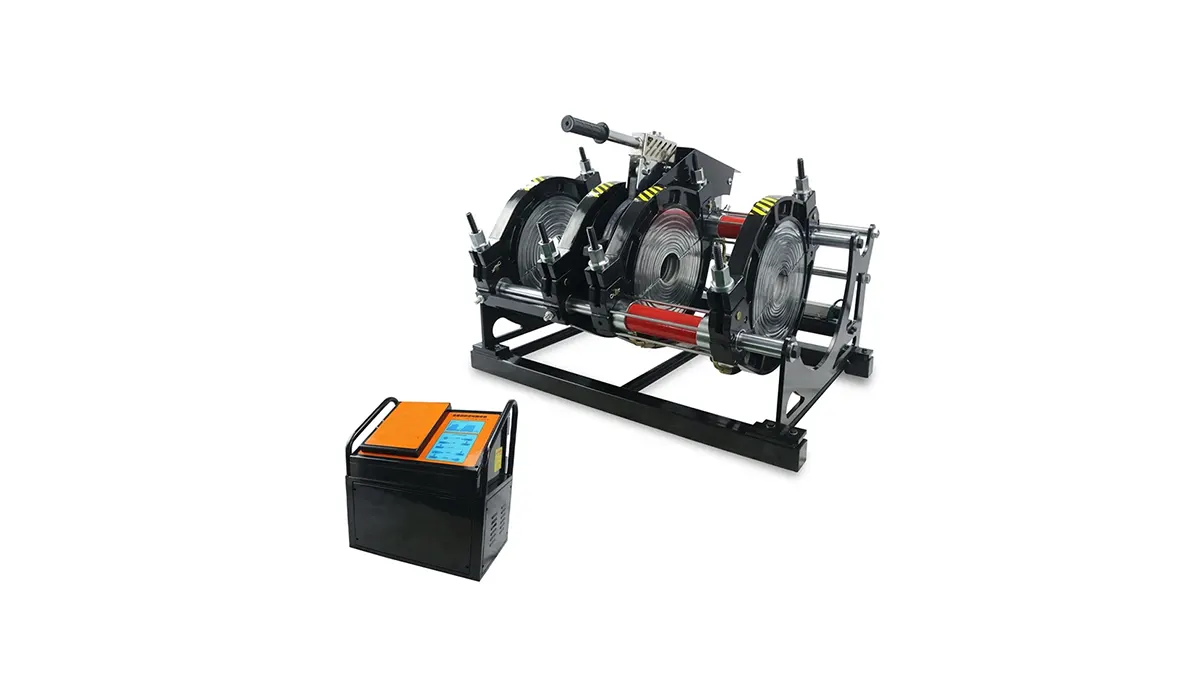
CNC Automatic Fusion
Fully automated orbital butt fusion machinery with PLC touchscreen controls and automated traceability reporting.
View CNC Automatic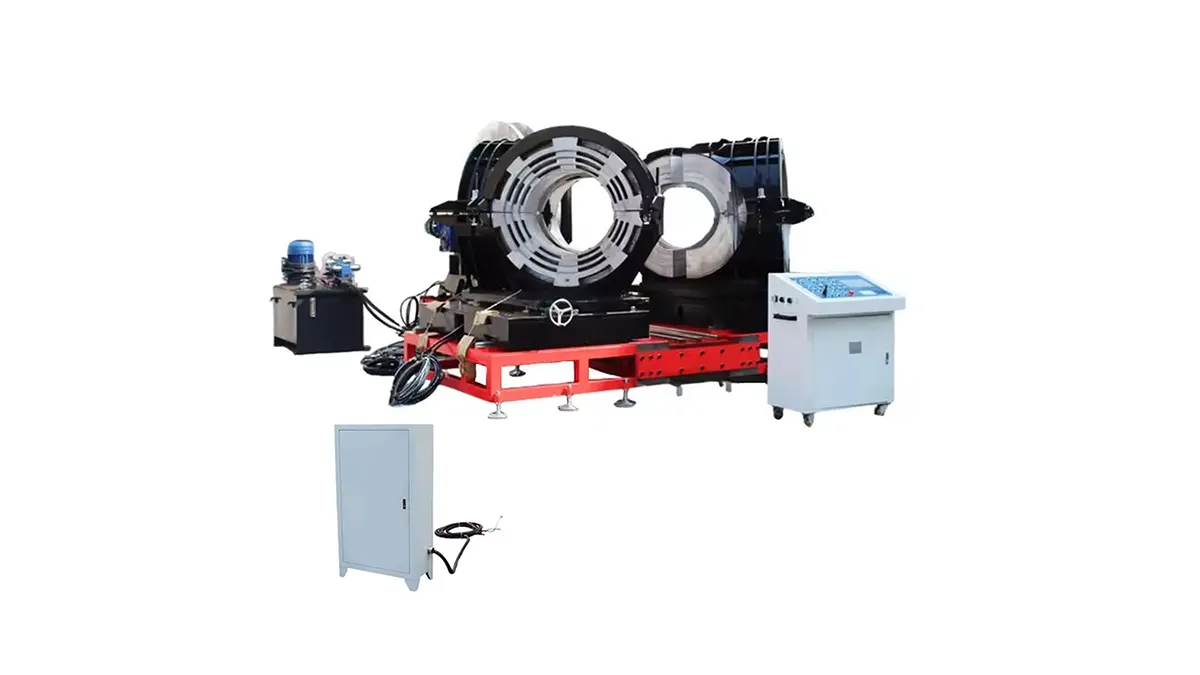
Multi-Angle Workshop Machines
Workshop fitting machines engineered for manufacturing elbows, tees, wyes, and crosses from 315mm to 1600mm.
View Workshop Series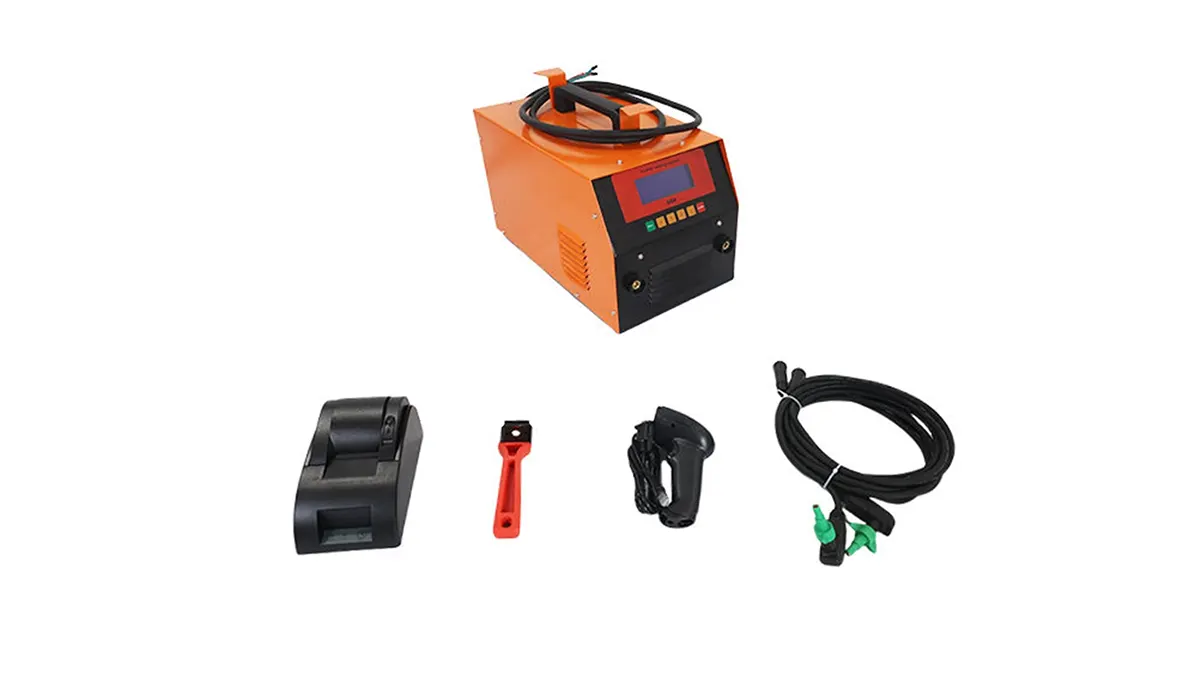
Electrofusion Welders
Universal barcode scanning electrofusion units for tight-space repairs and gas distribution service lines.
View Electrofusion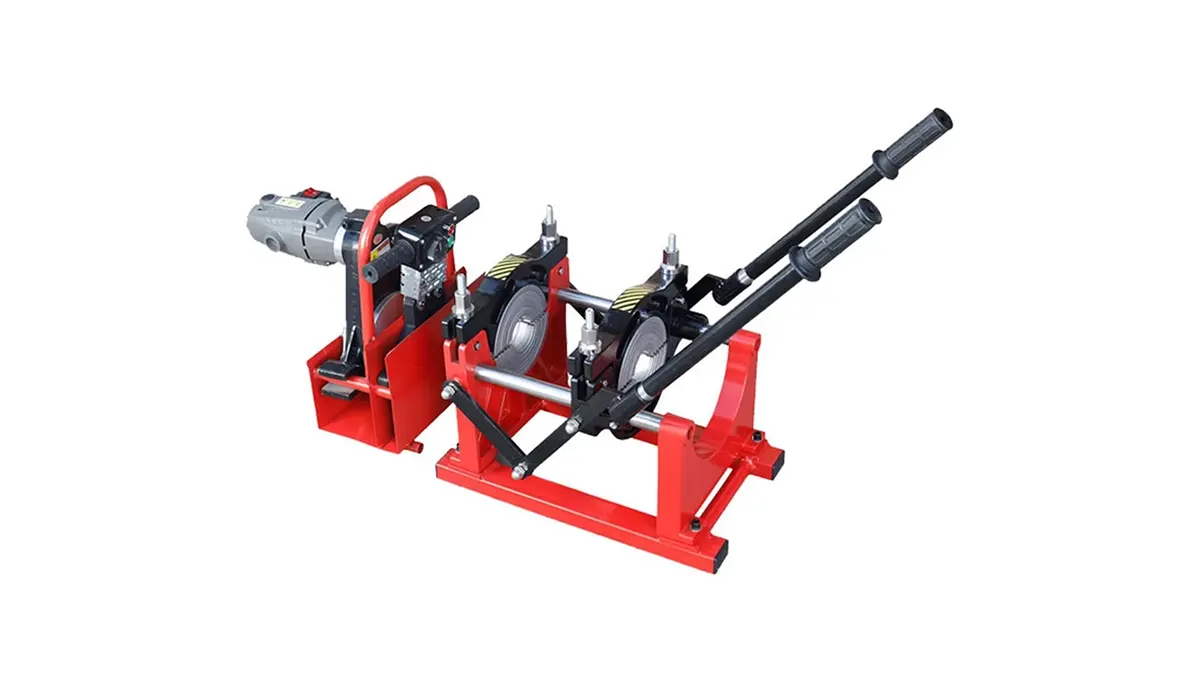
Manual Hand-Push Series
Lightweight 2-clamp and 4-clamp manual welders ideal for small diameter plumbing, drainage, and conduit setups.
View Manual Series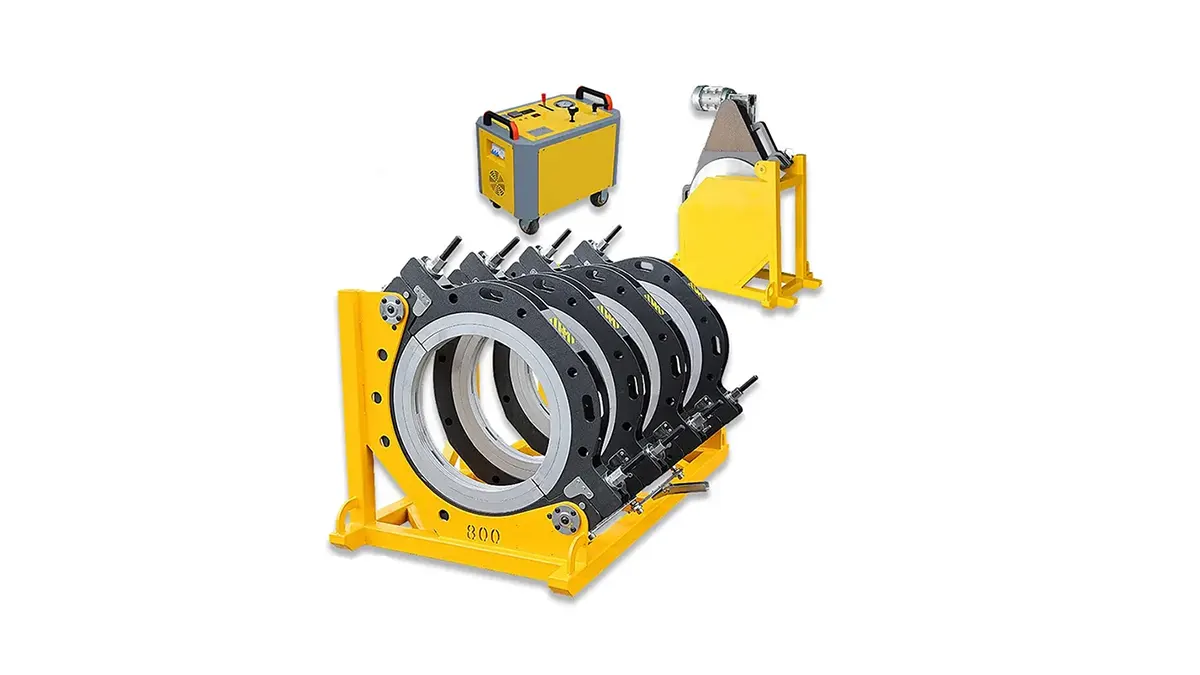
JQH800 Heavy-Duty Unit
Designed for mid-to-large mining, municipal water intake, and sea outfall HDPE butt welding applications.
View JQH800 Model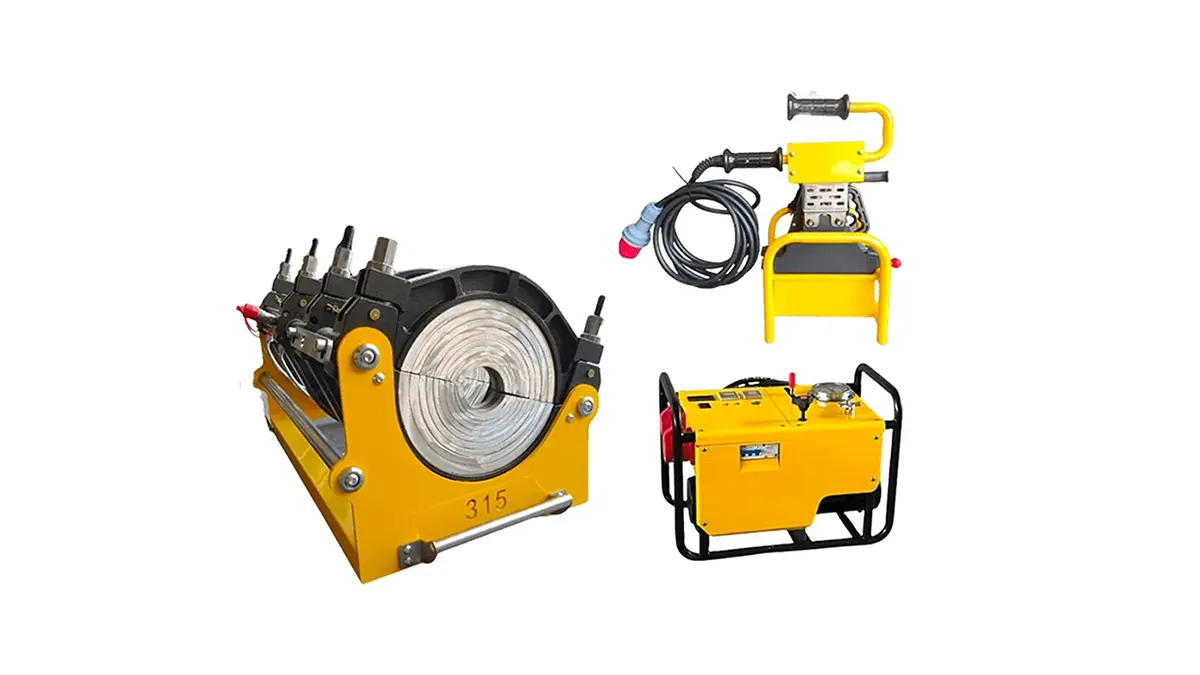
JQH315 Universal Field Welder
The industry gold-standard mid-range field butt welder handling DN90 to DN315 pipe dimensions reliably.
View JQH315 ModelComparison of PE Pipe Welding Methodologies
Evaluate operational trade-offs, standard pressure ratings, and diameter compatibilities to select the optimal joining system.
| Welding Machine Category | Applicable Pipe Range | Primary Application Fields | Compliance Standards | Key Advantage |
|---|---|---|---|---|
| Manual Butt Fusion (JQST/JQSY) | 40mm – 160mm / 200mm | Building drainage, HVAC conduit, low-pressure civil piping | ISO 12176-1, ASTM F714 | Ultra-lightweight, zero hydraulic power dependency |
| Hydraulic Butt Fusion (JQH Series) | 63mm – 2250mm (DN2250) | Municipal water trunk lines, mining tailings, industrial effluent | ISO 4427 PE water pipes, ISO 21307 | Massive clamping torque, high-pressure stability |
| CNC Automatic Butt Fusion (JQA) | 90mm – 630mm | High-pressure natural gas grids, hazardous chemical transport | ASTM D2513 PE gas pipe, ISO 12176-4 | Automated fusion cycle, full parameter data logging |
| Electrofusion Systems (JQEA/JQEB) | 20mm – 800mm | Gas service lines, tight trench repairs, tie-ins, lateral saddles | ASTM F1055 electrofusion fittings, ISO 12176-2 | Compact fit in confined spaces, automated barcode input |
| Workshop Multi-Angle (JQMA Series) | 63mm – 1600mm | Prefabricating segmented elbows (0-90°), tees, and crosses | Butt-fused PE fittings (ASTM F2206) | Multi-angle structural accuracy, heavy shop throughput |
Butt Fusion Step-by-Step Procedure Guide
Executing an error-free polyethylene butt fusion joint according to PPI technical recommendations.
Clamping & Alignment
Secure the pipe sections inside the machine chassis clamps. Adjust rollers to level pipe strings and verify concentric alignment. Offset (high-low) must not exceed 10% of minimum wall thickness per PPI butt fusion procedure.
Facing / Planing Operation
Insert the electric planer between pipe ends. Face the pipe until continuous ribbon shavings emerge from both sides. Remove planer, clean away cuttings using clean natural lint-free cloth, and verify zero gap across facing surfaces.
Drag Pressure Measurement
Measure dynamic drag pressure (the hydraulic force required to overcome friction and move the pipe carriage). Add this drag pressure to the calculated fusion pressure parameter to ensure exact interface force.
Heating & Bead-Up Formation
Place the PTFE-coated heating plate (stabilized at 220°C ± 10°C). Bring pipe ends in contact under initial bead-up pressure until a uniform melt bead forms around the complete circumference, then drop pressure to soaking level.
Heating Plate Removal & Joining
Quickly separate clamps, extract the hot plate, and bring the molten ends together within the defined changeover time (seconds). Rapid changeover prevents molten oxidation and interface skin cooling.
Cooling Under Controlled Pressure
Maintain designated fusion clamping pressure during the complete cooling phase. Do not accelerate cooling with water or wet rags. Maintain clamping until joint reaches ambient temperature to prevent crystalline structure voids.
Our Promise to Global Clients & Partners
Delivering uncompromised engineering precision, rapid fulfillment, and dedicated technical lifecycles.
1 Reliable Welding Performance
Our machines deliver stable heating and precise clamp alignment, ensuring strong, consistent, and hydrostatically sound welding results on every project site.
2 Tailored Project Solutions
From custom chassis dimensions and specialized hydraulic pressure valves to private branding, we provide flexible OEM/ODM manufacturing to match unique contractor needs.
3 Rigorous Quality Assurance
Each butt fusion machine undergoes rigorous multi-point testing, including digital thermal plate uniformity checks, cylinder pressure hold tests, and clamp deflection analysis.
4 Fast Delivery & Global Support
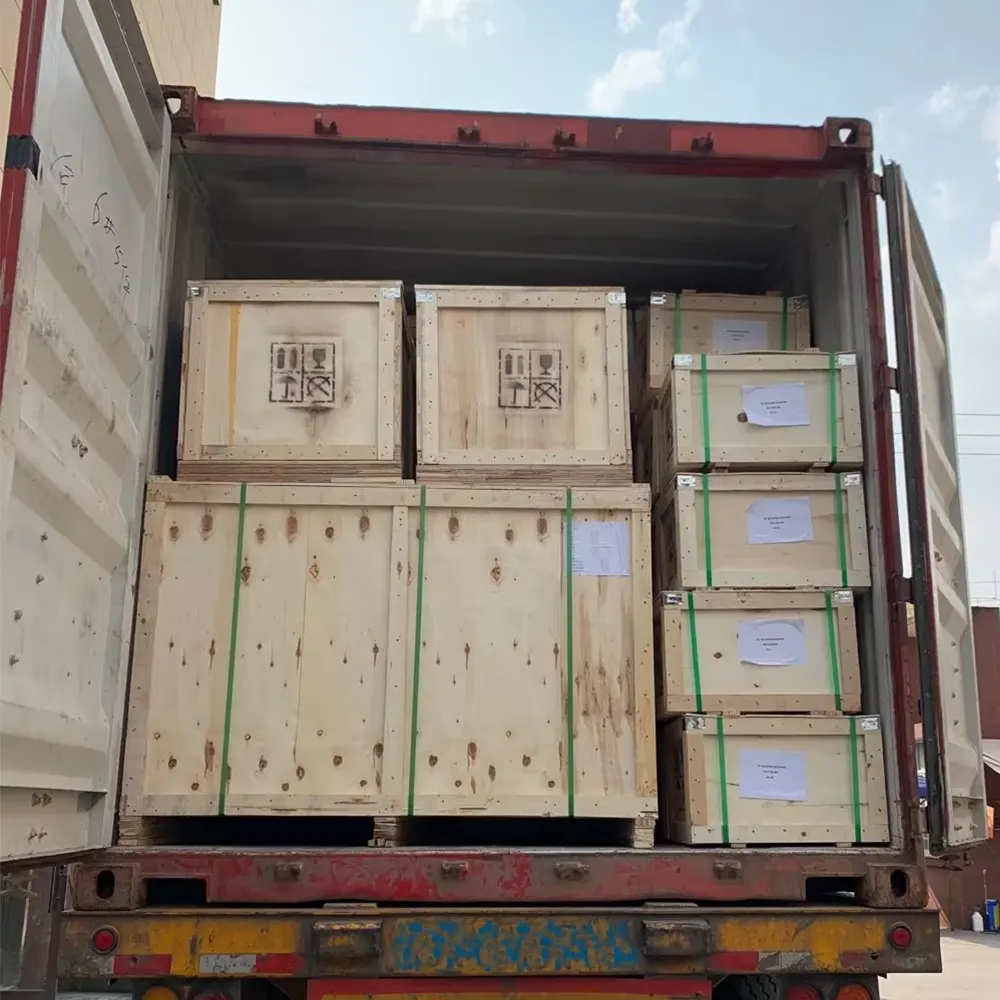
With ready stock in key standard sizes and structured export logistics, we guarantee swift dispatch and worldwide technical support to keep critical infrastructure on schedule.
5 Expert Technical Guidance
Our seasoned fusion engineering team supports contractors and distributors from initial machine selection, tooling sizing, through after-sales operational troubleshooting.
6 Strategic Large Inventory
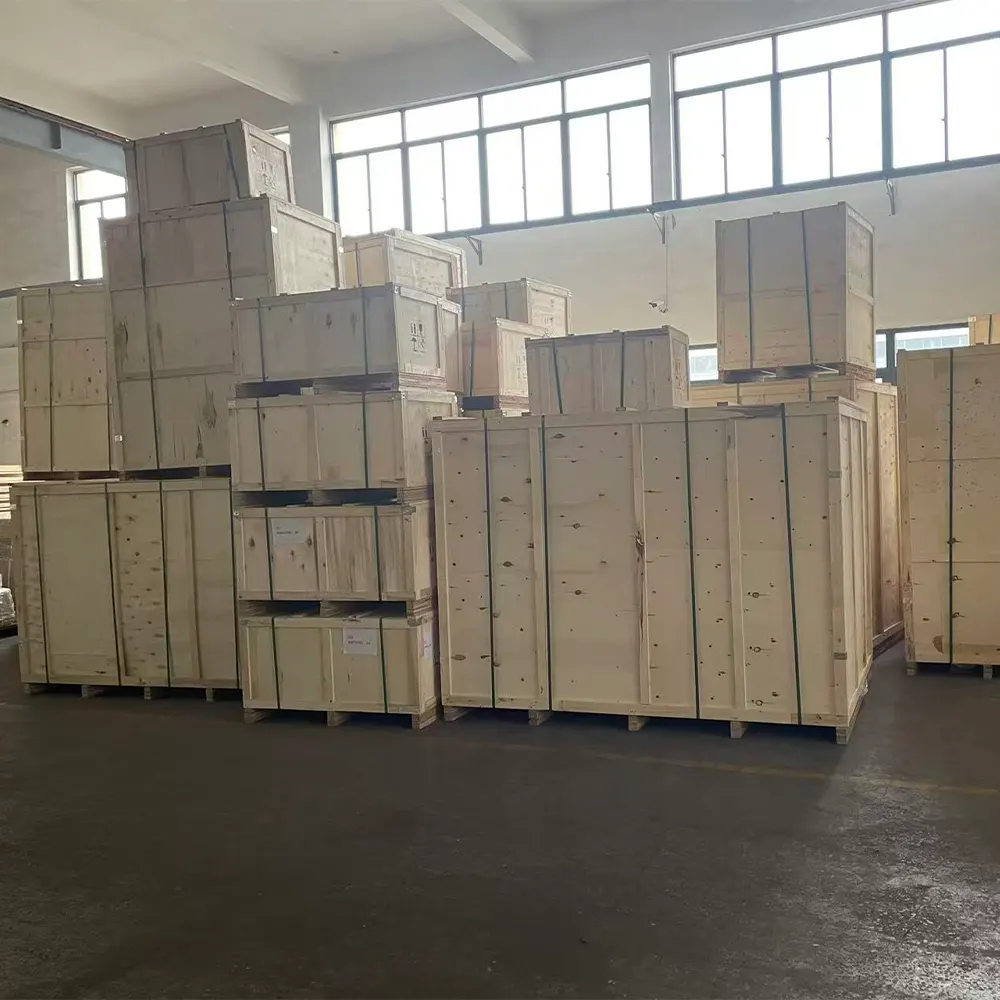
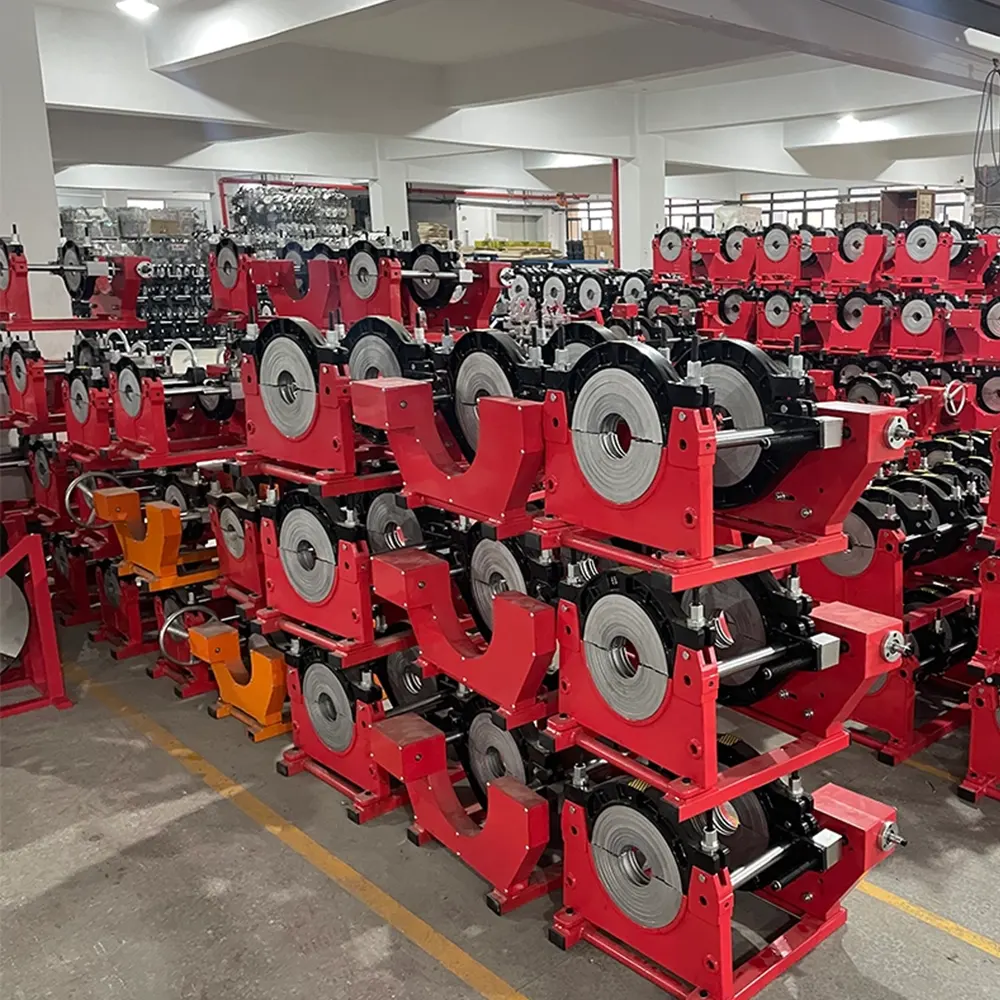
We maintain vast ready-to-ship inventories of frames, hydraulic power packs, heating inserts, planers, and replacement seals to eliminate international project downtime.
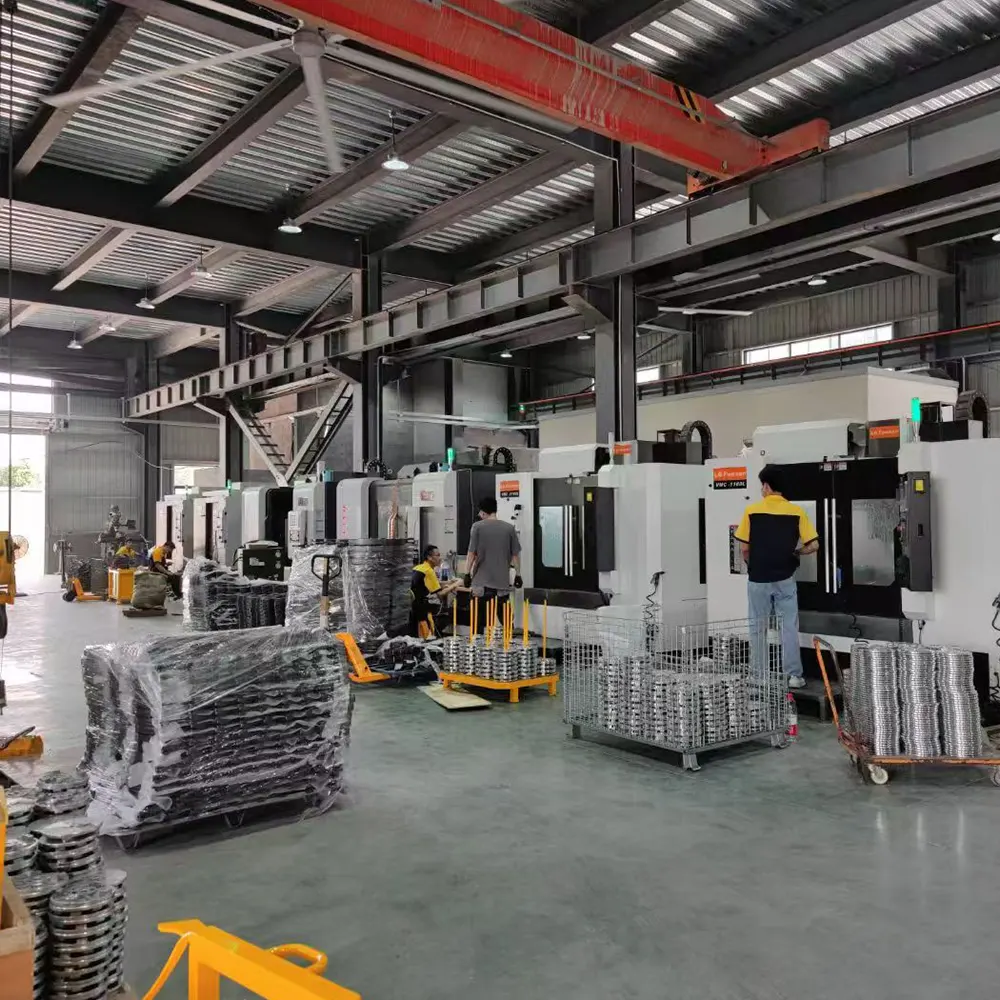
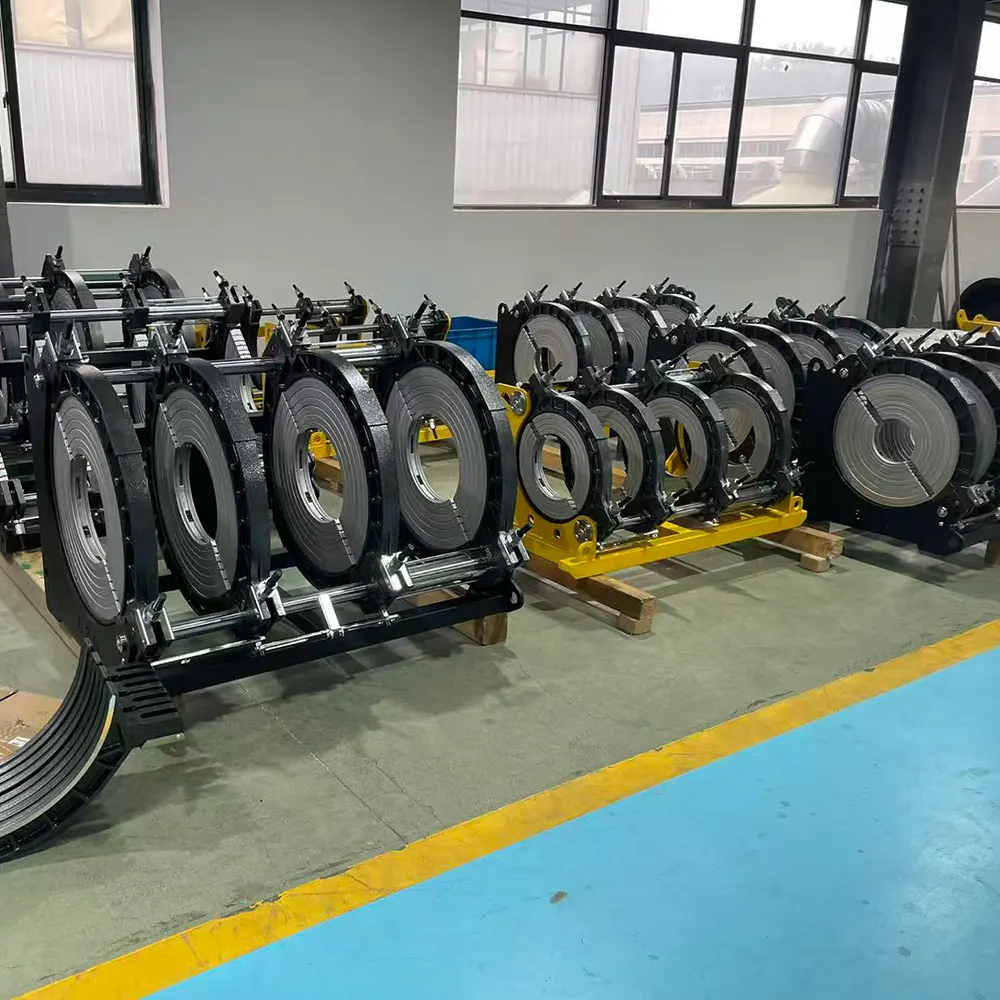
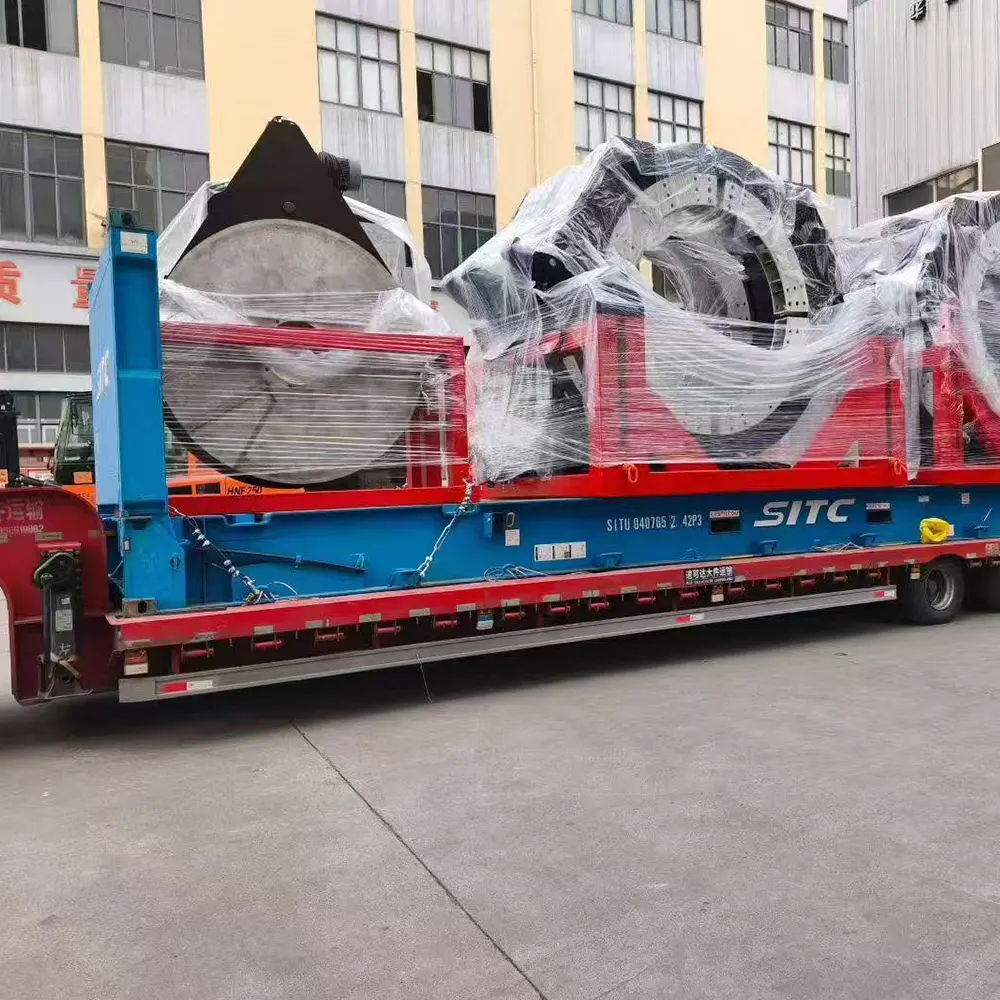
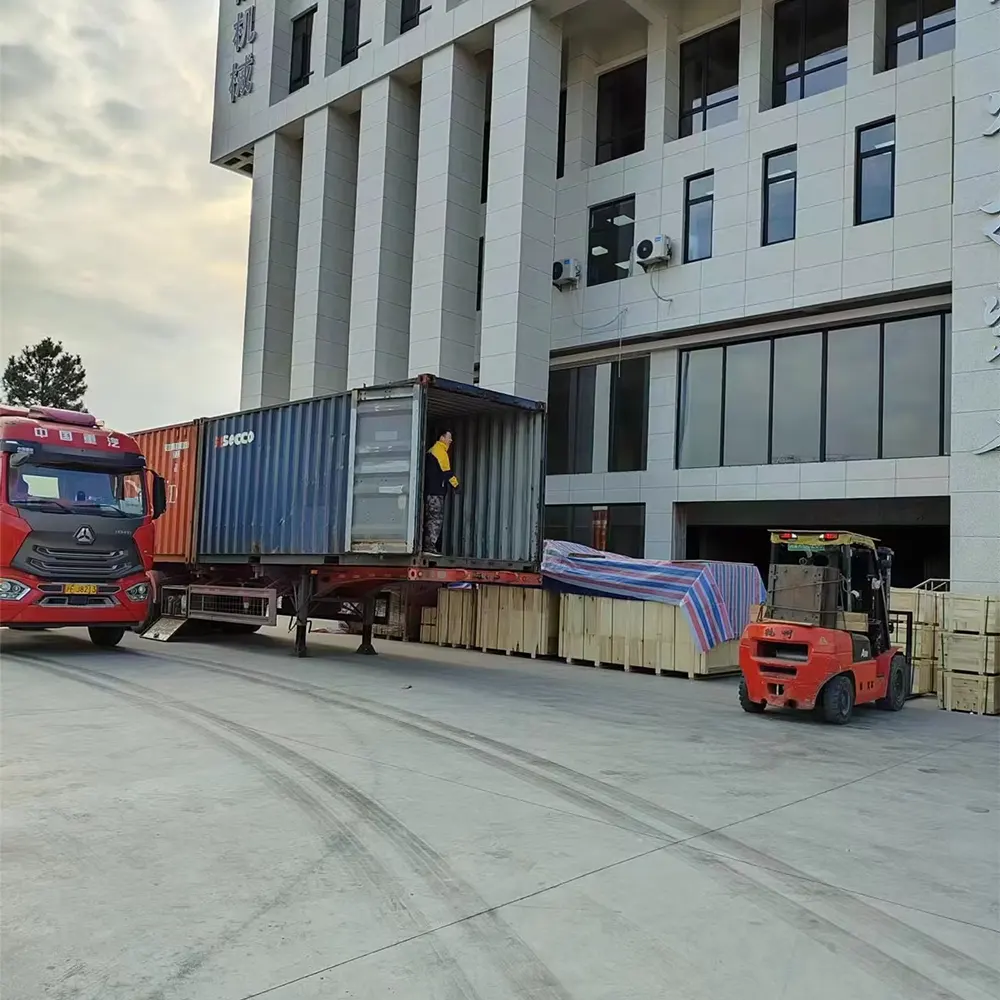
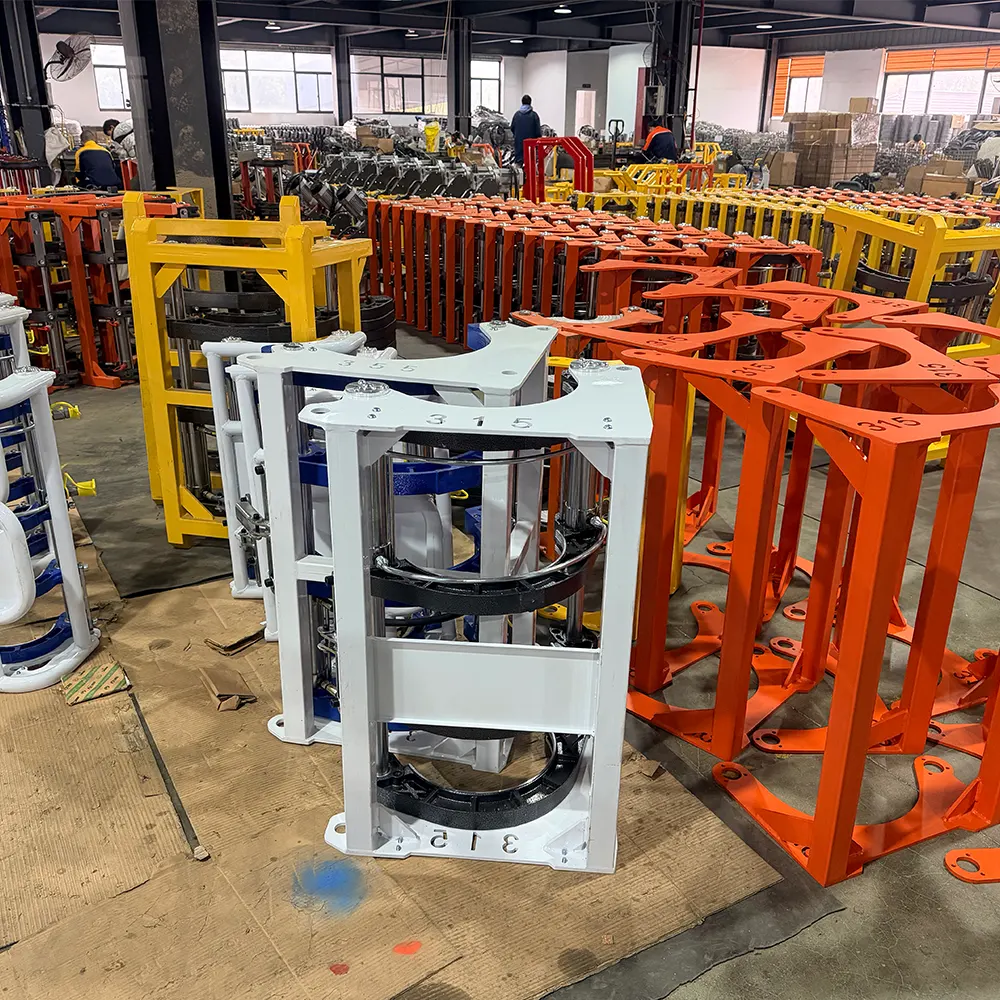
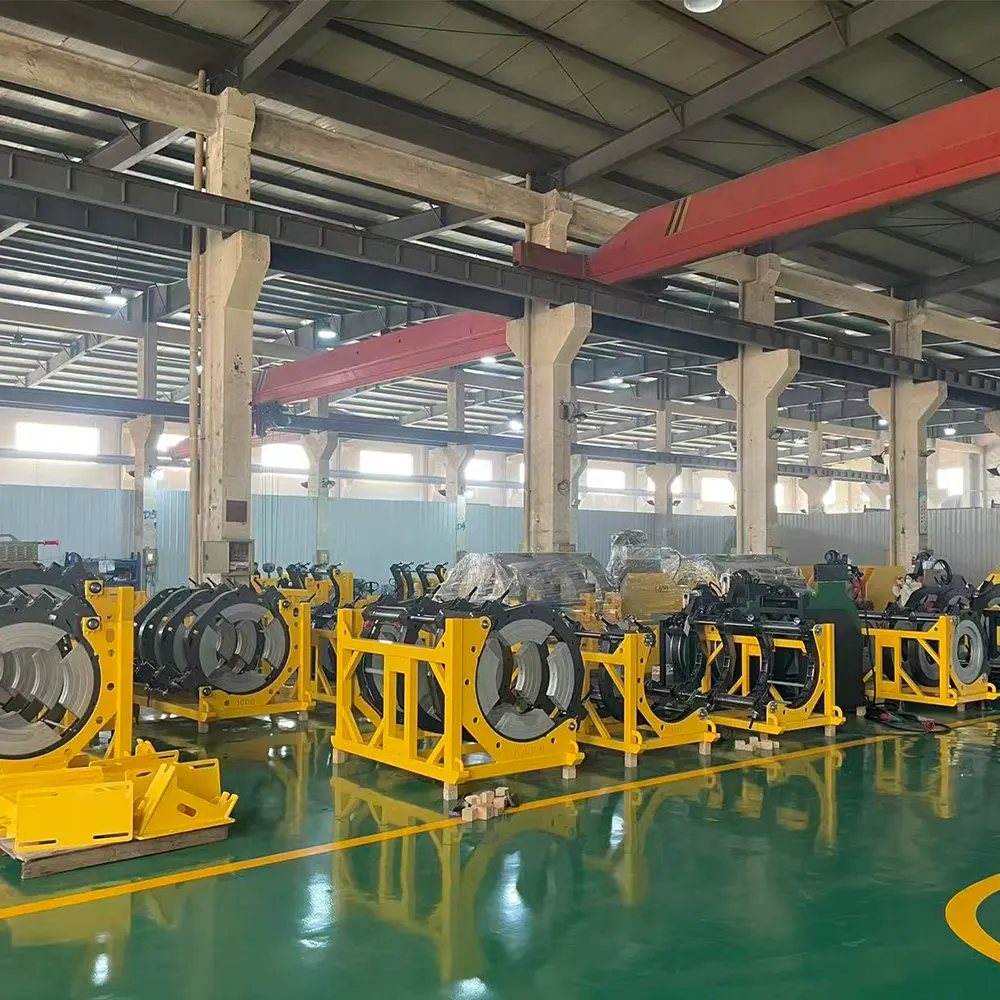
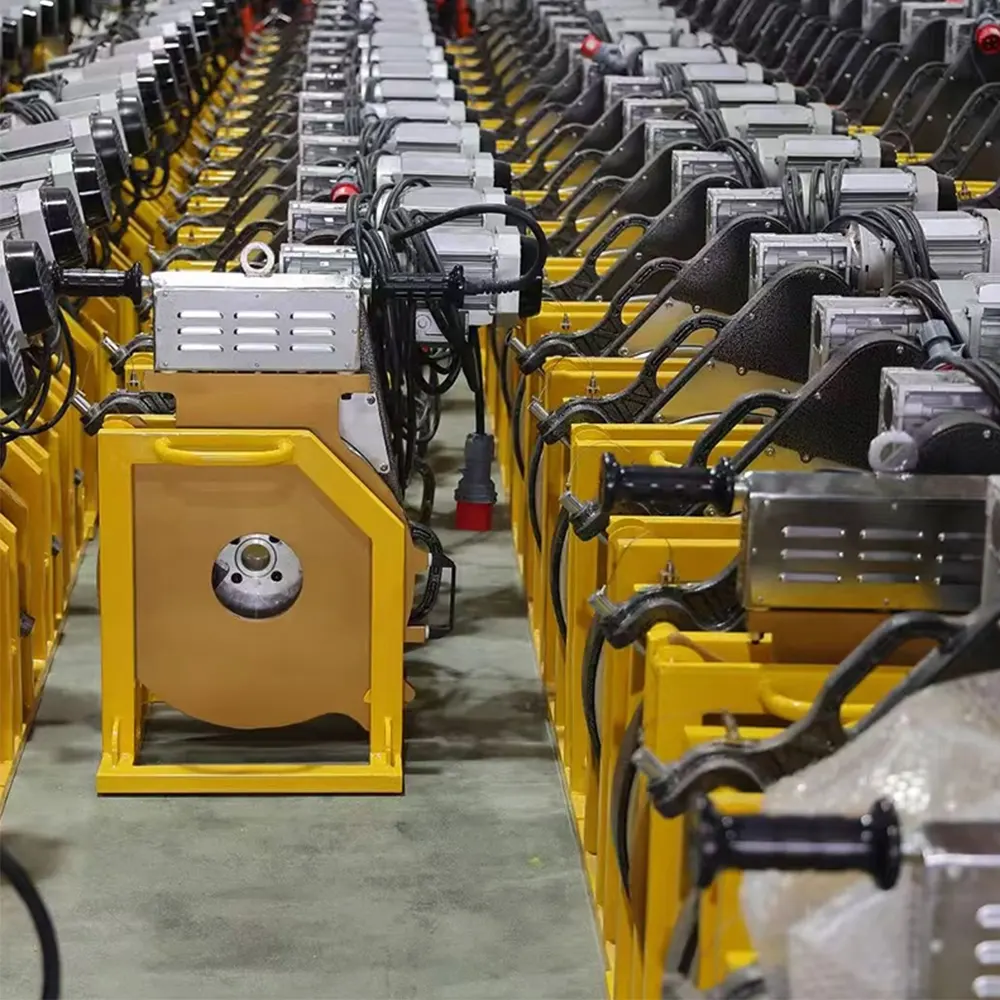
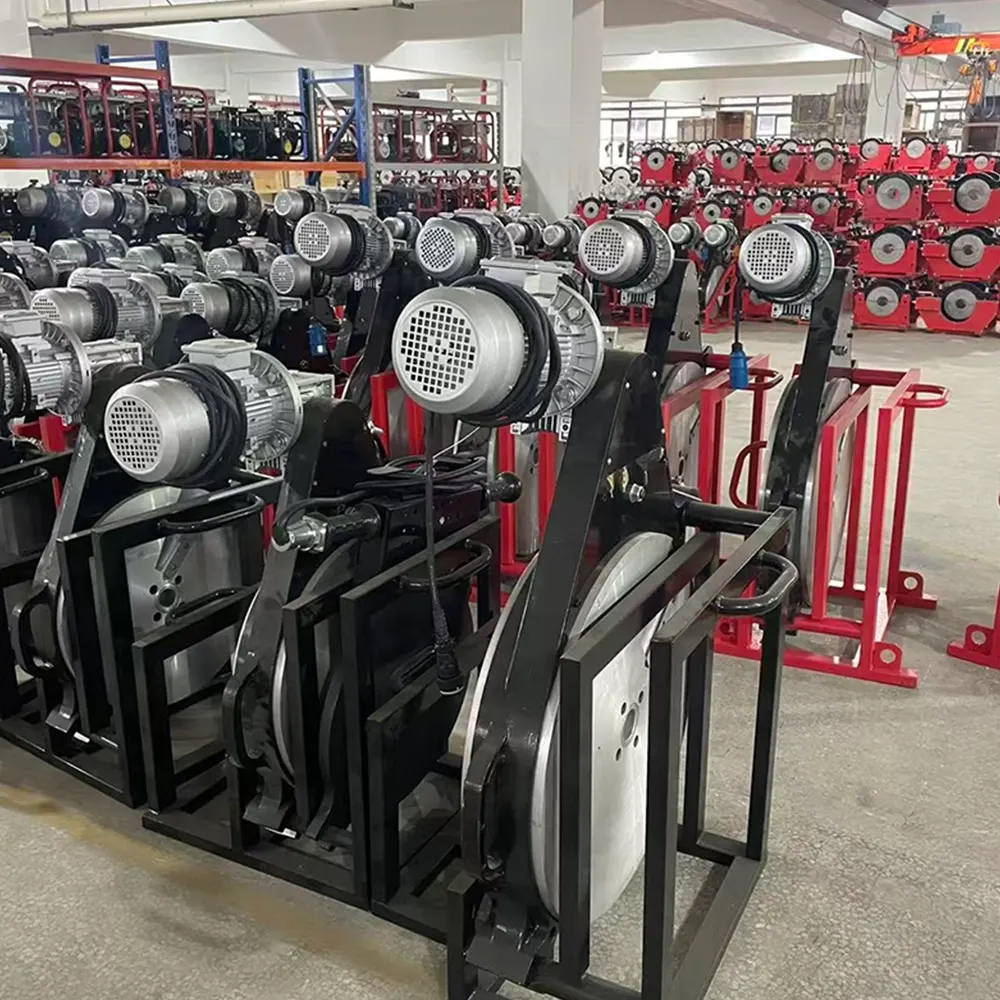
Visit Our Factory & Large-Scale Inventory
Tour our advanced fabrication bays, precision CNC tooling workshops, testing cells, and extensive ready-to-ship machine warehouses.
Global Certifications & Quality Approvals
Our pipe jointing machines undergo strict compliance testing verified by recognized international testing bureaus.
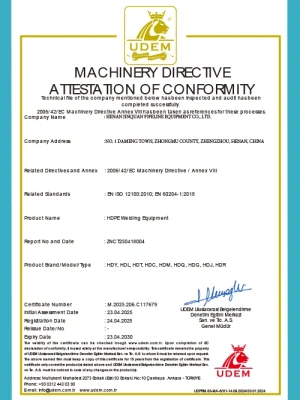
CE Safety Certification
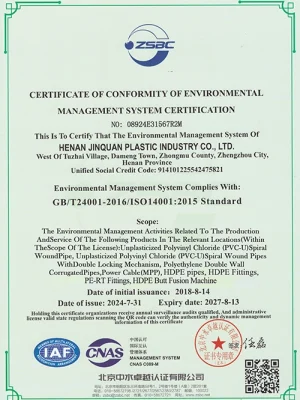
ISO 9001 Quality Management
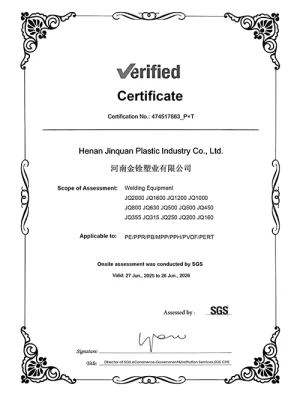
SGS Inspection & Testing
Frequently Asked Technical Questions
Clear answers to crucial engineering questions regarding polyethylene pipe welding equipment procurement and field operations.
1. What is the fundamental difference between Butt Fusion and Electrofusion?
Butt fusion involves clamping two pipe ends, facing them, heating them directly with a hot plate, and pushing them together under hydraulic pressure to create a homogeneous joint without extra fittings. Electrofusion utilizes specialized fittings with embedded resistive electrical wires that melt the surrounding resin when energized by a controlled current, making it ideal for repair work, service taps, and tight trench spaces.
2. Can PE80 and PE100 pipes be welded together using a standard butt fusion machine?
Yes, PE80 and PE100 resins with compatible Melt Flow Rates (MFR within 0.2 to 1.4 g/10min per ISO 4427) can be welded together using standard butt fusion machines. The heating plate temperature remains standard (around 220°C), but parameter calculations must respect the wall thickness (SDR rating) of the pipes involved.
3. Why is measuring dynamic drag pressure essential prior to every butt weld?
Drag pressure is the actual hydraulic force required to overcome machine carriage friction and pipe drag against the ground. If drag pressure is omitted, the actual molten interface pressure will be insufficient, causing incomplete polymer mixing and severe structural joint failure during hydrostatic pressure testing.
4. How does JQ-Fusion ensure temperature uniformity across large heating plates?
Our heating plates utilize high-grade cast aluminum cores with distributed high-density electric heating elements and microprocessor-driven digital PID controllers. This ensures the entire plate surface maintains thermal variation within ±5°C, complying strictly with ISO 12176-1.
5. What custom OEM/ODM services are available from JQ-Fusion?
We offer customized chassis frame dimensions, specialized clamp reduction inserts, custom body colors, private labeling, automated CNC data logger software localization, and custom voltage configurations (220V/380V/415V/440V) to match regional power grids worldwide.
Contact Our Engineering & Sales Team
Our technical representatives are available 24/7 to provide specifications, custom pricing, and dispatch schedules.
Direct Technical Email
Direct Phone & WhatsApp
Factory Location
Zhengzhou, Henan Province, China
Request an Instant Machinery Quote
Looking for a complete welding equipment container load, custom OEM specs, or single hydraulic units for an upcoming utility contract? We reply within 4 hours with comprehensive pricing and dimension sheets.
Contact Engineering Support