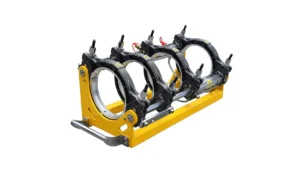
High-Yield Hydraulic HDPE Pipe Fusion Machine Systems
Engineered for high-integrity polyolefin infrastructure, JQ-Fusion’s heavy-duty Hydraulic HDPE Pipe Fusion Machine series delivers precise interfacial pressure regulation, rugged field endurance, and fully compliant joint repeatability across 50mm to 2250mm pipeline installations.
50-2250mm
Full Pipeline Range
0.01 MPa
Pressure Gauge Precision
ISO / ASTM
Global Standard Fit
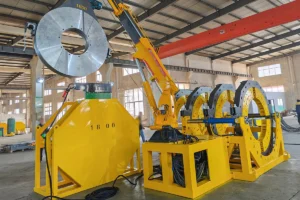
State-of-the-Art Electro-Hydraulic Jointing Precision
Butt fusion welding of thick-walled high-density polyethylene (PE80, PE100, and PE100-RC) demands relentless mechanical pressure stability. Our hydraulic HDPE pipe fusion machines are designed to fulfill stringent ISO 21307 butt fusion procedures and ASTM F2620 heat fusion engineering criteria.
Continuous Pressure Regulation
Equipped with zero-leakage hydraulic accumulator modules and sensitive micro-adjusting relief valves. Maintains unyielding interfacial drag pressure during extensive cooling cycles without pressure loss.
Reinforced Aluminum Chassis
High-tensile cast aluminum alloy clamps resist axial deflection under severe pipe drag conditions. Modular quick-release reduction inserts accommodate SDR 7.4 through SDR 41 effortlessly.
ISO 12176-1 Compliance
Meets PE butt fusion equipment standard guidelines. Features traceable digital pressure gauges and multi-conductor heavy-duty power links built for extreme site conditions.
PTFE Thermal Homogeneity
High-grade DuPont PTFE-coated heating plates ensure optimal melt-index behavior without polymer adhesion. Embedded intelligent PID controllers guarantee temperature variation below ±3°C.
High-Torque Planer System
Electric facing tools driven by copper-core geared motors eliminate pipe face unevenness. Reversible HSS double-edge blades deliver flawless perpendicular alignment to prevent joint cold fusion.
Heavy-Duty Crane Integration
Large-diameter models (from 630mm to 2250mm) include dedicated electric hoists and lifting frames to facilitate the safe transfer of heavy planning tools and heating plates in trench work.
Featured Hydraulic Butt Fusion Welding Machinery
Engineered with precision hydraulic manifolds, heavy-duty electrical components, and durable heating plates. Explore our premier models designed for in-trench and above-ground HDPE joining.
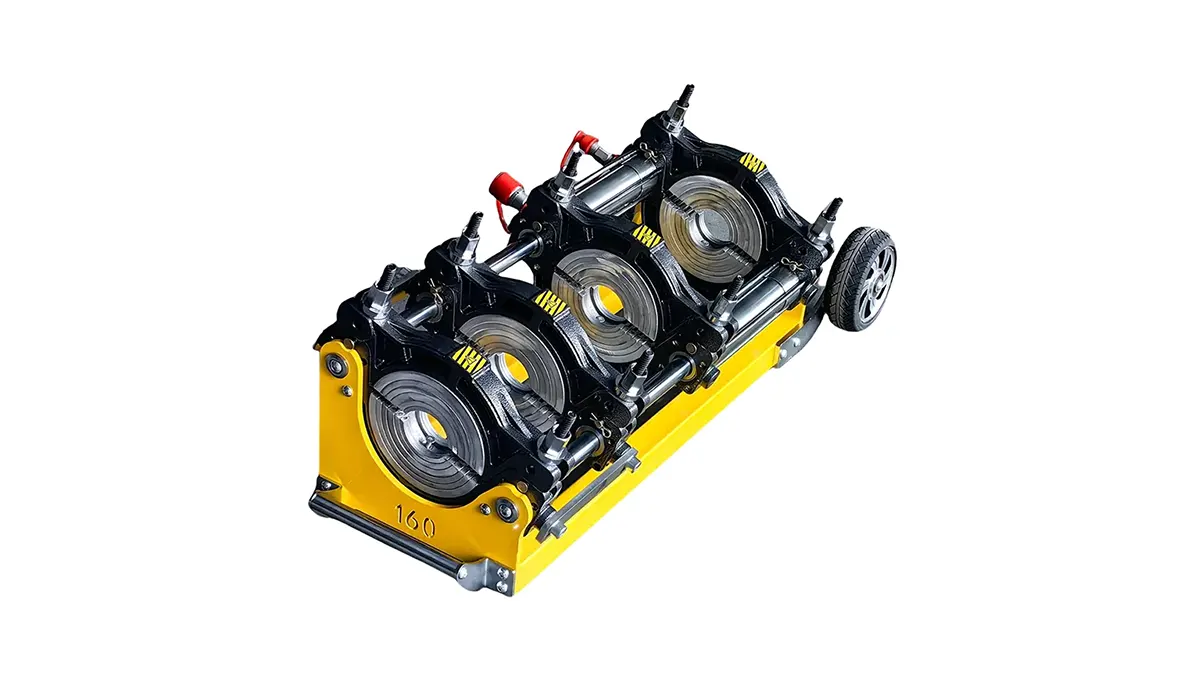
JQH160mm Hydraulic Butt Fusion Machine
Pipe Range: 50mm – 160mm
Operating Pressure: 0 – 6.3 MPa
Ideal for city gas distribution and service branches.
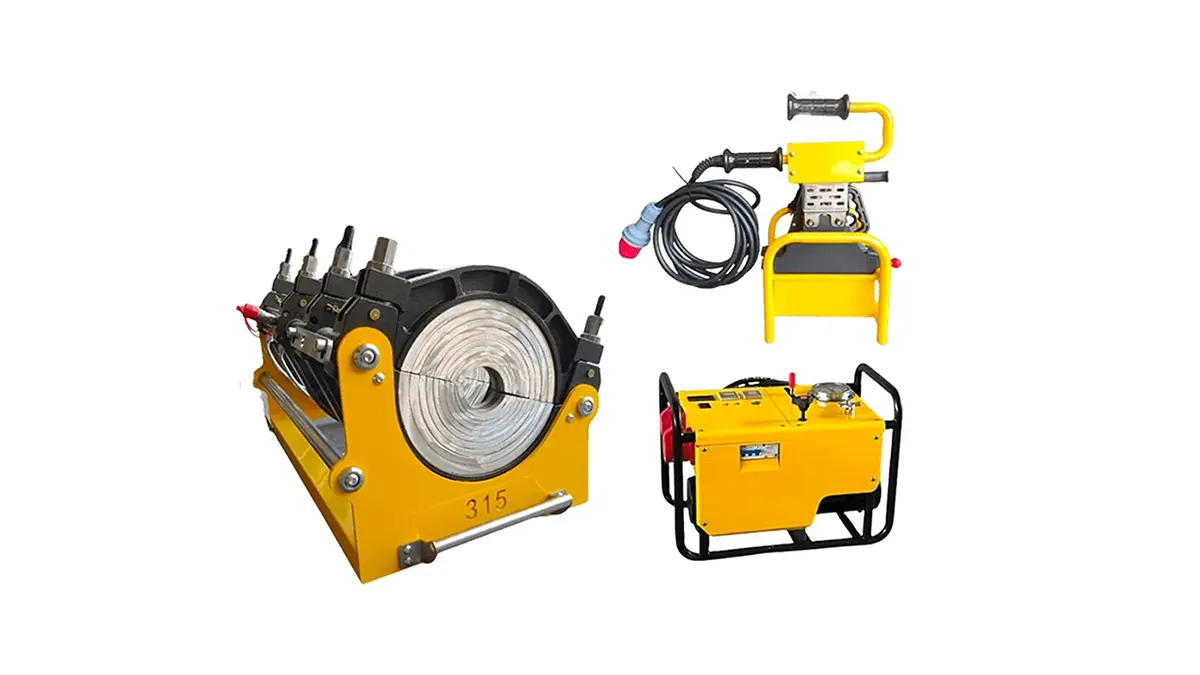
JQH315mm Hydraulic Butt Fusion Machine
Pipe Range: 90mm – 315mm
Operating Pressure: 0 – 6.3 MPa
Standard municipal water mains and industrial discharge.
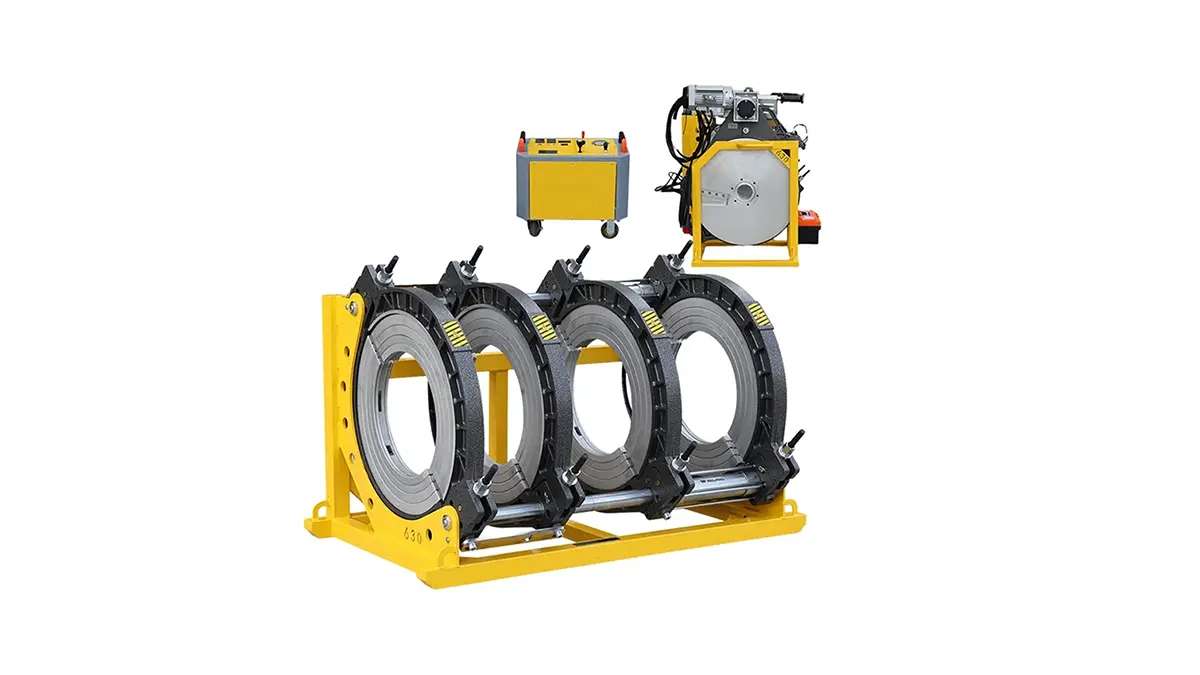
JQH630mm Hydraulic Butt Fusion Machine
Pipe Range: 315mm – 630mm
Total Power: 12.2 kW
Equipped with electric hoist for heating & planing tools.
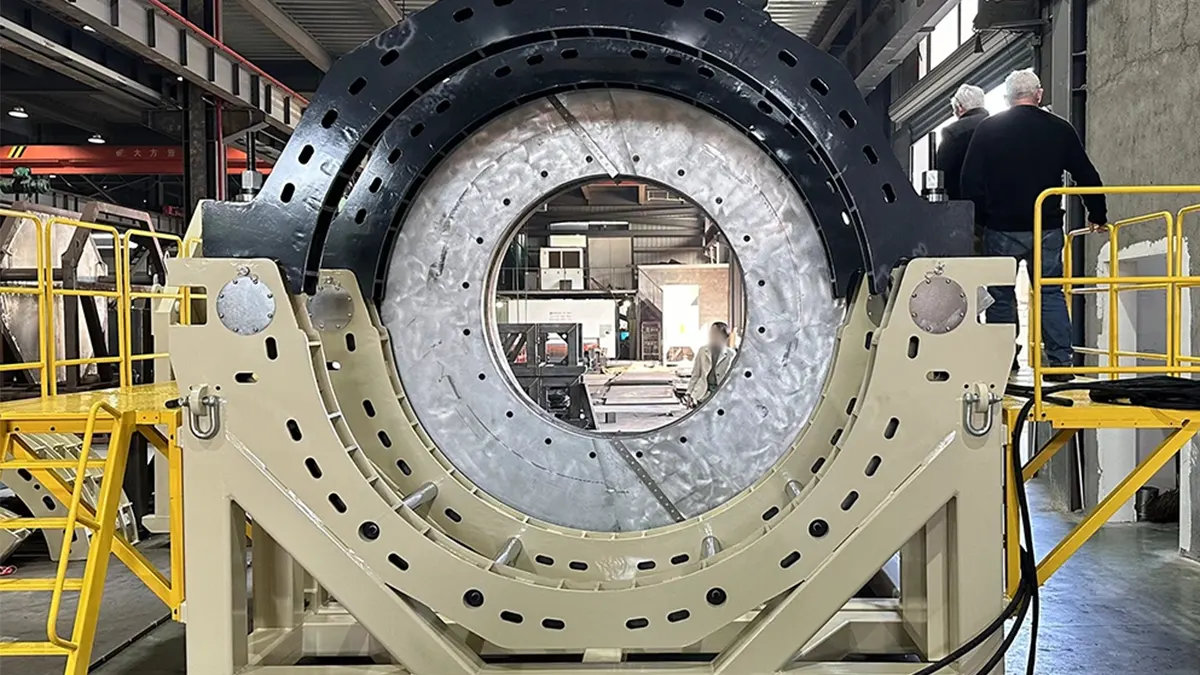
JQH2250mm Hydraulic Fusion Machine
Pipe Range: 1400mm – 2250mm
Heavy Hydro-Cylinders
Engineered for deep-sea outfalls, intake mains, & mining.
Technical Parameters & Performance Matrix
Comprehensive performance metrics of JQ-Fusion hydraulic HDPE pipe butt welders. All equipment aligns with PPI butt fusion procedure specifications and international standard tolerances.
| Model Designation | Welding Range (OD) | Heating Plate Power | Planer Motor Power | Hydraulic Station Power | Max Pressure | Temp. Fluctuation |
|---|---|---|---|---|---|---|
| JQH160 | 50, 63, 75, 90, 110, 125, 140, 160 mm | 1.0 kW | 0.75 kW | 0.75 kW | 0 – 6.3 MPa | ±3 °C |
| JQH250 | 75, 90, 110, 125, 140, 160, 180, 200, 225, 250 mm | 2.0 kW | 1.1 kW | 0.75 kW | 0 – 6.3 MPa | ±3 °C |
| JQH315 | 90, 110, 125, 140, 160, 180, 200, 225, 250, 280, 315 mm | 3.0 kW | 1.1 kW | 0.75 kW | 0 – 6.3 MPa | ±3 °C |
| JQH450 | 200, 225, 250, 280, 315, 355, 400, 450 mm | 5.5 kW | 1.5 kW | 1.5 kW | 0 – 6.3 MPa | ±3 °C |
| JQH630 | 315, 355, 400, 450, 500, 560, 630 mm | 9.2 kW | 1.5 kW | 1.5 kW | 0 – 6.3 MPa | ±5 °C |
| JQH1200 | 630, 710, 800, 900, 1000, 1200 mm | 28.0 kW | 3.0 kW | 4.0 kW | 0 – 10.0 MPa | ±5 °C |
| JQH2250 | 1400, 1600, 1800, 2000, 2250 mm | 65.0 kW | 5.5 kW | 7.5 kW | 0 – 16.0 MPa | ±5 °C |
6-Stage Hydraulic Butt Fusion Sequence
Consistent pipe welds require adherence to proven metallurgical and thermodynamic practices. Below is the field-proven welding workflow executed via our hydraulic control unit according to what is HDPE butt fusion best practice standards.
Pipe Clamping & Drag Measurement
Secure the HDPE pipes in the aluminum alloy clamps. Measure the intrinsic drag pressure (±0.05 MPa) by actuating the hydraulic cylinders to overcome pipe-on-ground friction.
Dual-Direction Facing & Squaring
Insert the electric trimming tool to machine pipe ends perpendicular to the centerline. Plane until continuous ribbon shavings emerge from both sides, verifying radial mismatch below 10% of wall thickness.
Initial Bead-Up Phase
Position the PTFE heating plate (200°C – 230°C). Apply bead-up pressure (welding pressure + drag pressure) until a uniform molten bead of prescribed height forms along the entire circumference.
Thermal Heat Soak Stage
Reduce hydraulic pressure to zero plus drag. Allow the heat to soak into the thermoplastic pipe core without pushing molten polymer out of the joint interface.
Rapid Dwell & Changeover
Retract cylinders smoothly, disengage the heater plate, and immediately bring pipe ends into intimate contact within the allocated maximum changeover window (typically < 5 to 12 seconds).
Controlled Interfacial Cooling
Ramp pressure to fusion joining pressure. Lock hydraulic station valves and maintain uninterrupted mechanical pressure for the entire duration of the cooling curve to allow proper molecular cross-linking.
Critical Infrastructure Applications
Engineered to perform in trench conditions, remote desert environments, high-altitude mining networks, and offshore dredgers.
Municipal Potable Water & Sewerage
Butt-fused polyolefin systems installed with our machinery satisfy strict ISO 4427 PE water pipes guidelines. Butt fusion eliminates mechanical gaskets, creating a fully monolithic pipeline immune to root intrusion, ground movement, and water hammer.
Natural Gas Transmission Networks
Gas distribution demands zero tolerance for micro-fissures or joint compromise. JQ-Fusion equipment satisfies the requirements of PE gas piping systems and ASTM D2513 PE gas pipe, maintaining joint strength greater than the pipe itself.
Mining Slurry & Industrial Process Piping
Abrasive slurry transport, tailings management, and chemical pipelines conform to industrial PE piping systems standards. Our heavy-tonnage hydraulic stations ensure seamless butt fusion on SDR 9, SDR 11, and heavy-walled pipes.
Agricultural Irrigation & Sea Outfalls
Large-scale intake pipelines, agricultural distribution networks, and marine outfalls utilize our large-diameter hydraulic units (up to 2250mm) for fast setup and continuous operation in demanding outdoor conditions.
Factory Scale, Inventory Capacity & Quality Control
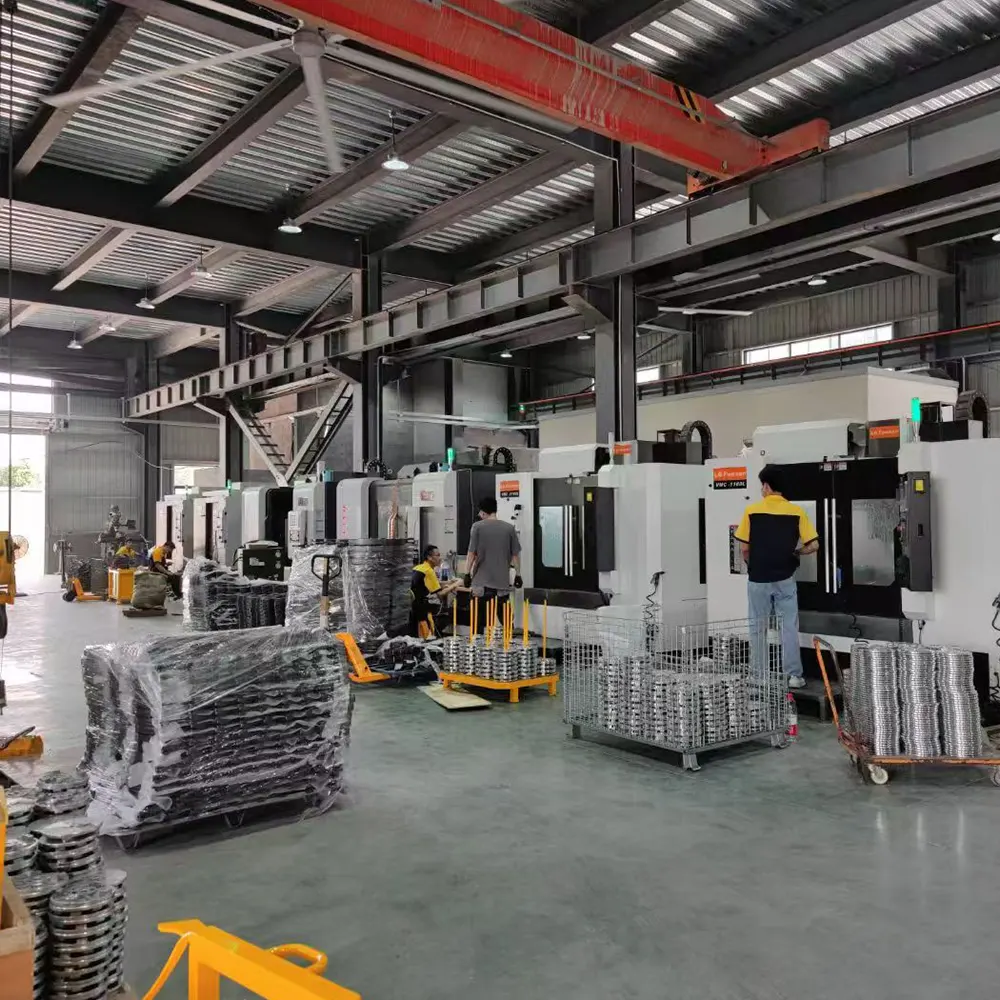
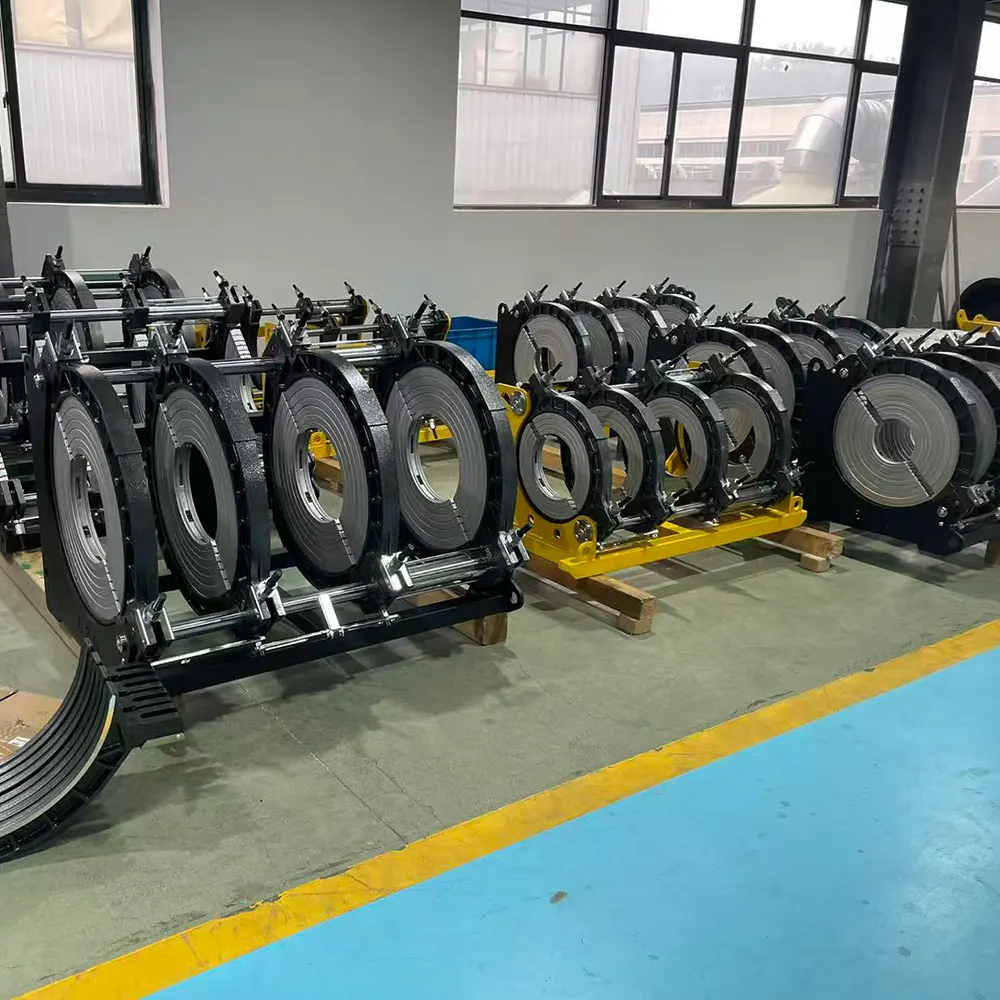
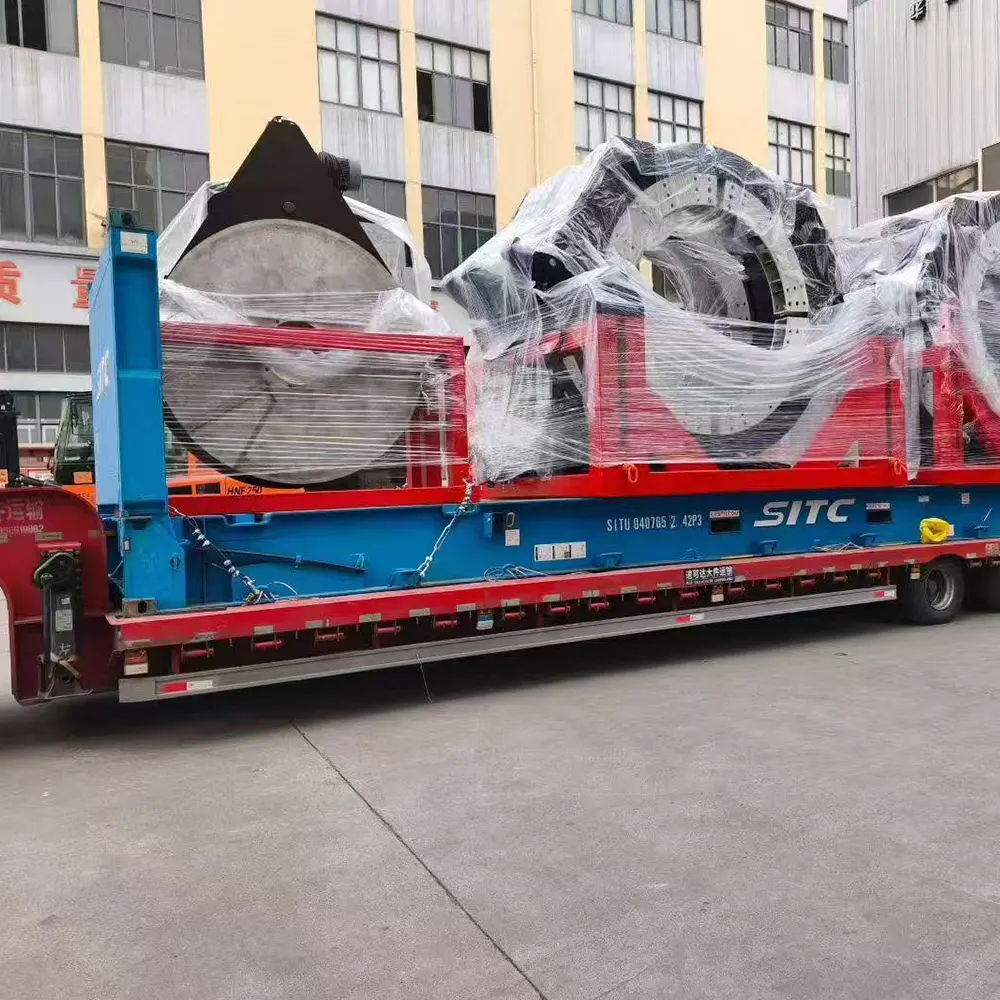
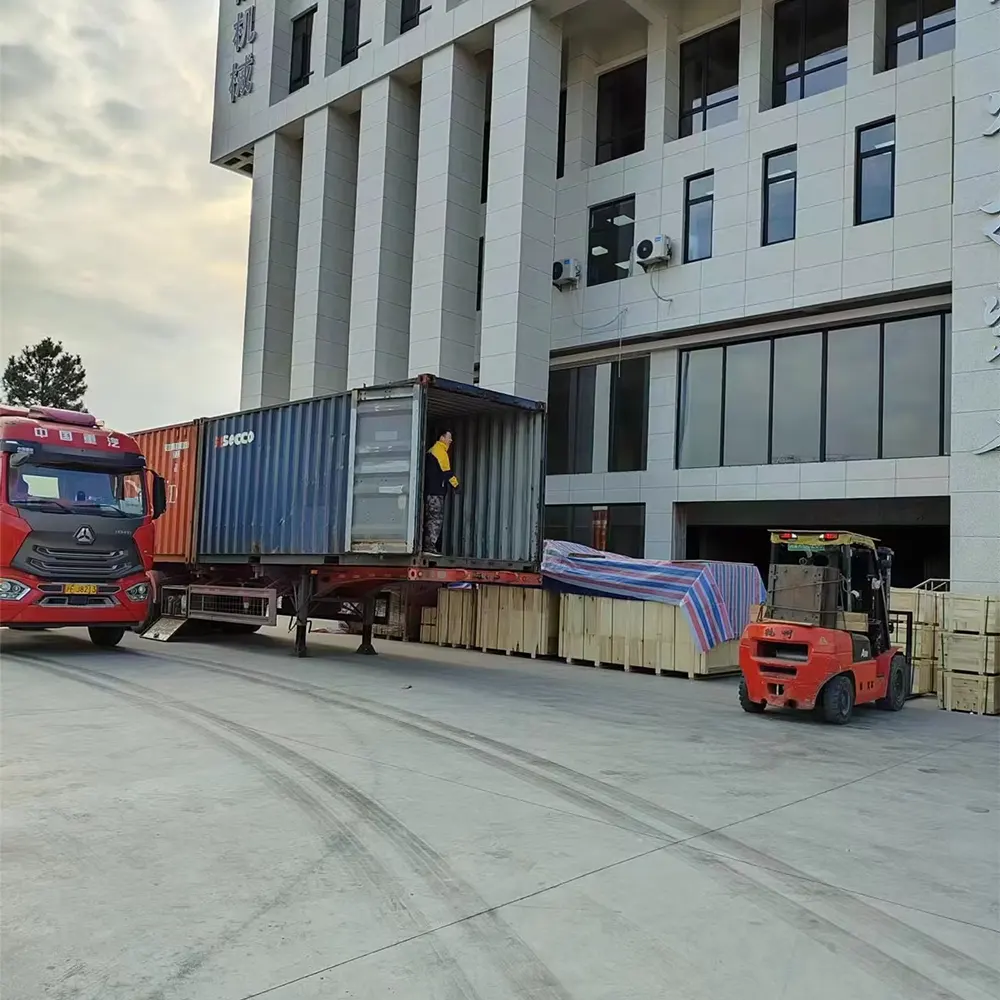
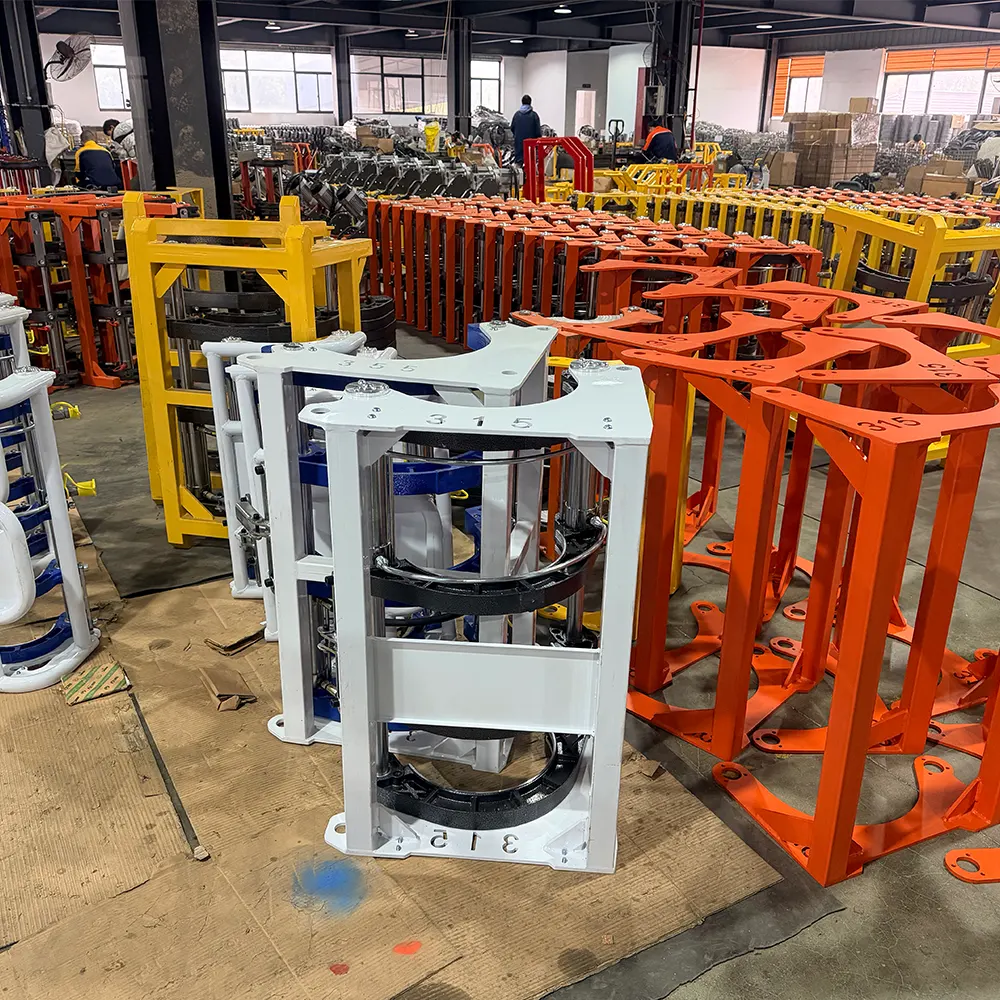
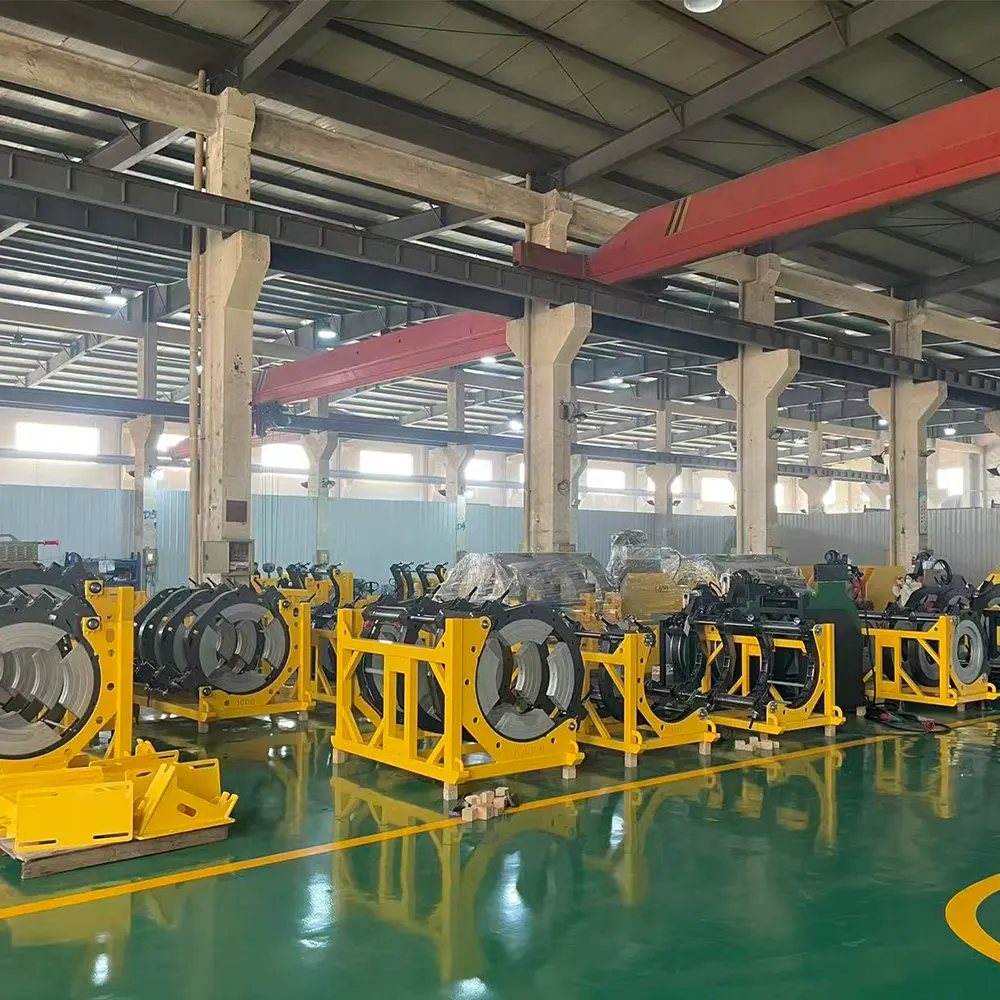
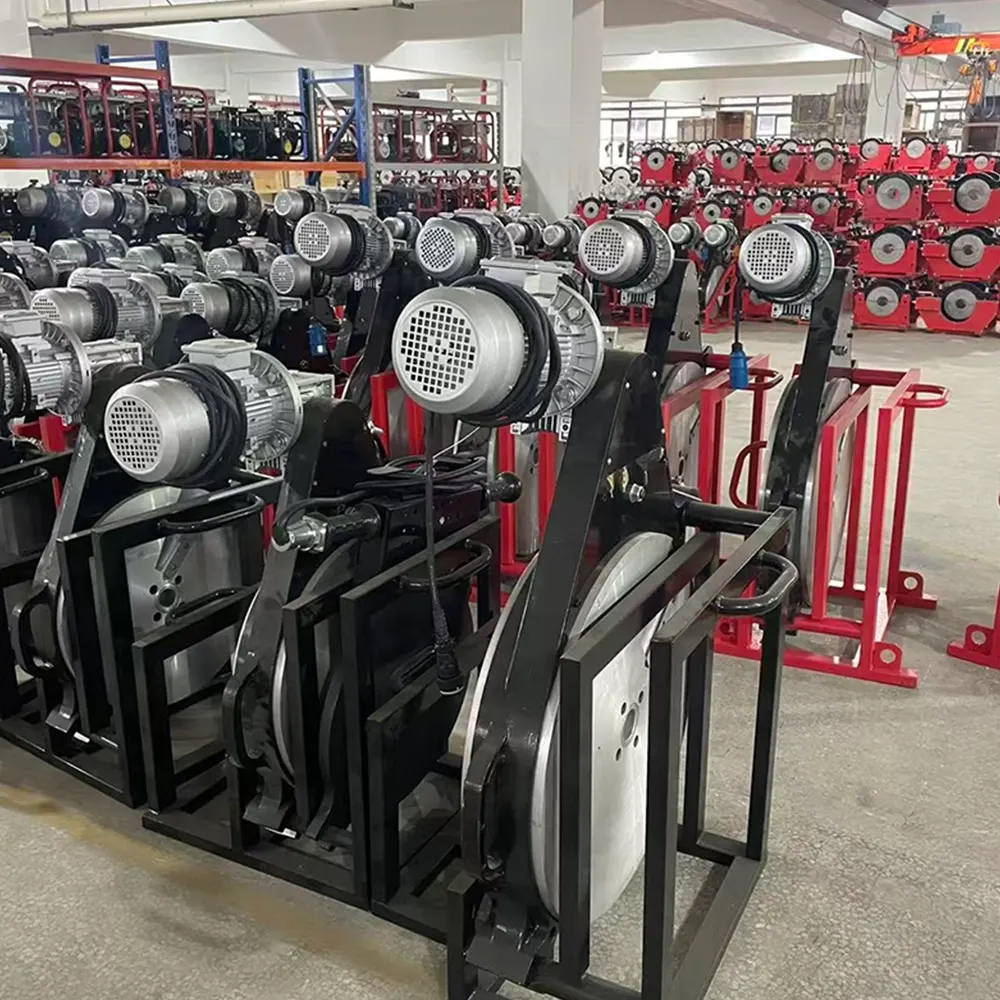
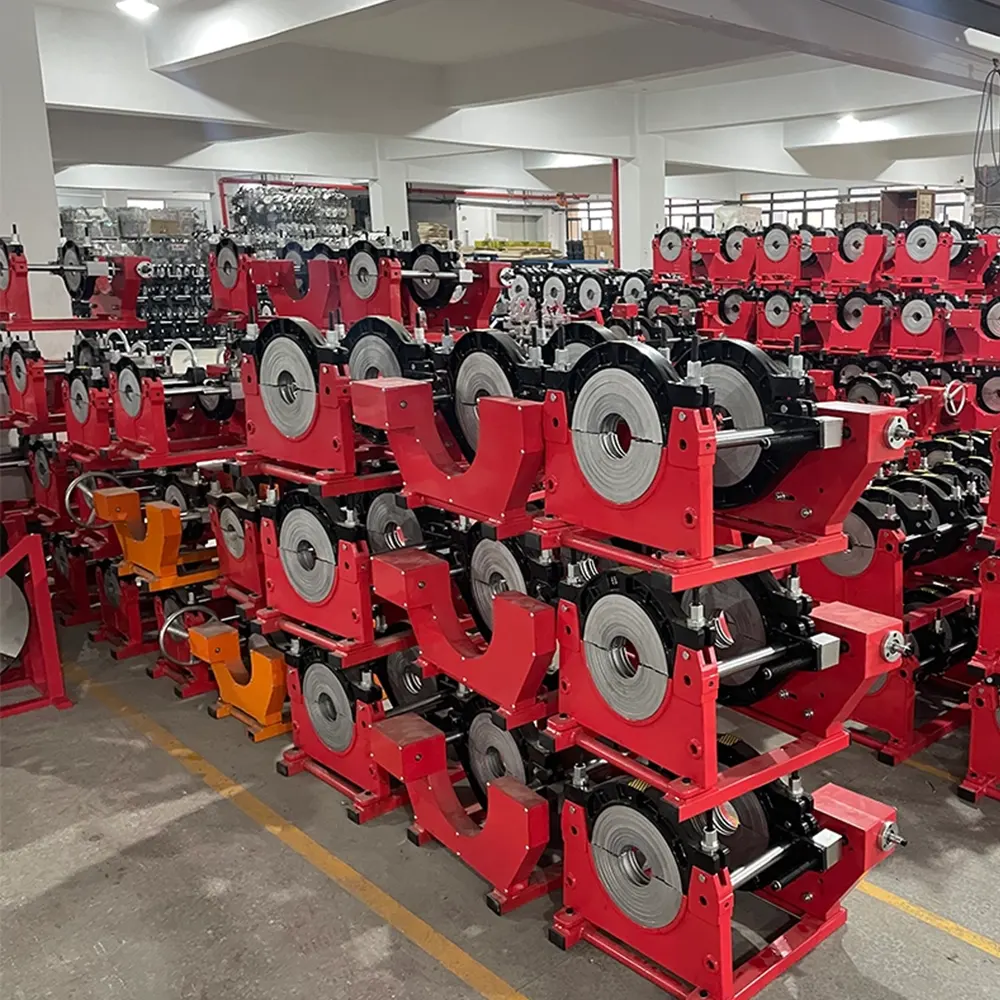
JQ-Fusion maintains an extensive raw material and finished inventory reserve in Zhengzhou, China. Every butt fusion machine undergoes dynamic hydraulic pressure tests, electrical safety checks, and heating plate thermal audits prior to export.
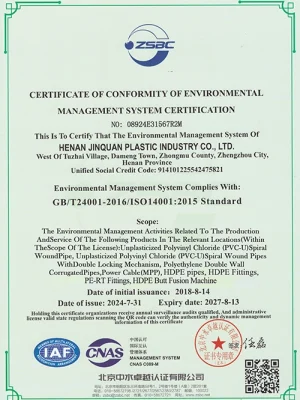
ISO 9001:2015 Quality Management
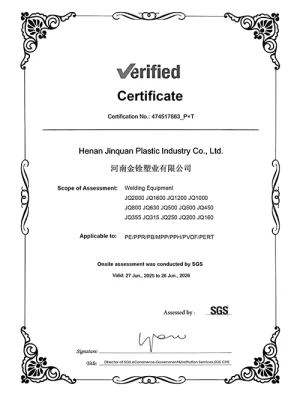
SGS Audited Manufacturing Compliance
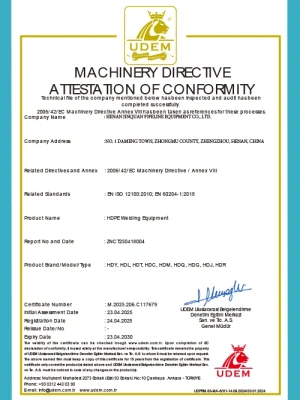
CE Conformity & Machinery Directive
Hydraulic HDPE Pipe Fusion FAQs
Clear technical answers to common questions regarding calculation formulas, drag factors, maintenance, and power requirements.
How is total hydraulic gauge pressure calculated on-site?
Total Gauge Pressure = Theoretical Interfacial Pressure (Pint × Pipe Annular Area / Total Cylinder Piston Area) + Dynamic Drag Pressure (Pdrag). Drag pressure must be measured before each weld cycle to prevent under-pressurization.
What causes cold joints during HDPE butt welding?
Cold fusion joints typically stem from: excessive changeover delay allowing the polymer skin to freeze below crystallization temperatures; insufficient heater plate temperature (<200°C); or premature release of hydraulic clamping pressure during cooling.
Can one hydraulic station run different diameter frames?
Yes, our hydraulic power units use universal quick-connect couplings and adjustable pressure relief valves. A single hydraulic unit can power multiple chassis sizes within its matching flow and pressure envelope.
How do you maintain clamping accuracy on out-of-round pipes?
Our high-strength aluminum alloy clamps provide symmetrical circular force. For severe pipe ovality caused by reel storage or sun exposure, top-clamp hydraulic re-rounding bolts can be engaged to correct pipe geometry before planing.
What generator size is recommended for field operations?
We recommend sizing your field generator at 1.3 to 1.5 times the total rated power (Heating Plate + Hydraulic Station + Planer Motor) to accommodate startup inductive surges from the electric motors.
What is the difference between Manual, Hydraulic, and CNC Fusion?
Manual machines use lever screw force for smaller diameters (≤160mm). Hydraulic machines use electro-hydraulic power packs for consistent pressure on pipes up to 2250mm. CNC Automatic machines add automated microcontrollers, automated changeover, and complete data-logging to eliminate operator variance.
Partner with JQ-Fusion for Your Next Pipeline Project
Whether you require standard 160mm-630mm hydraulic butt fusion units from stock or engineered 2250mm mega-diameter fusion machinery, our engineering team provides comprehensive product selection, OEM customization, and worldwide logistical support.
Request a Direct Factory Quotation