
Hydraulic HDPE Pipe Welding Machine Solutions
Engineered for uncompromising joint integrity across gas distribution, municipal potable water, slurry management, and industrial pressure pipelines. Discover next-generation hydraulic butt fusion systems compliant with strict global requirements.
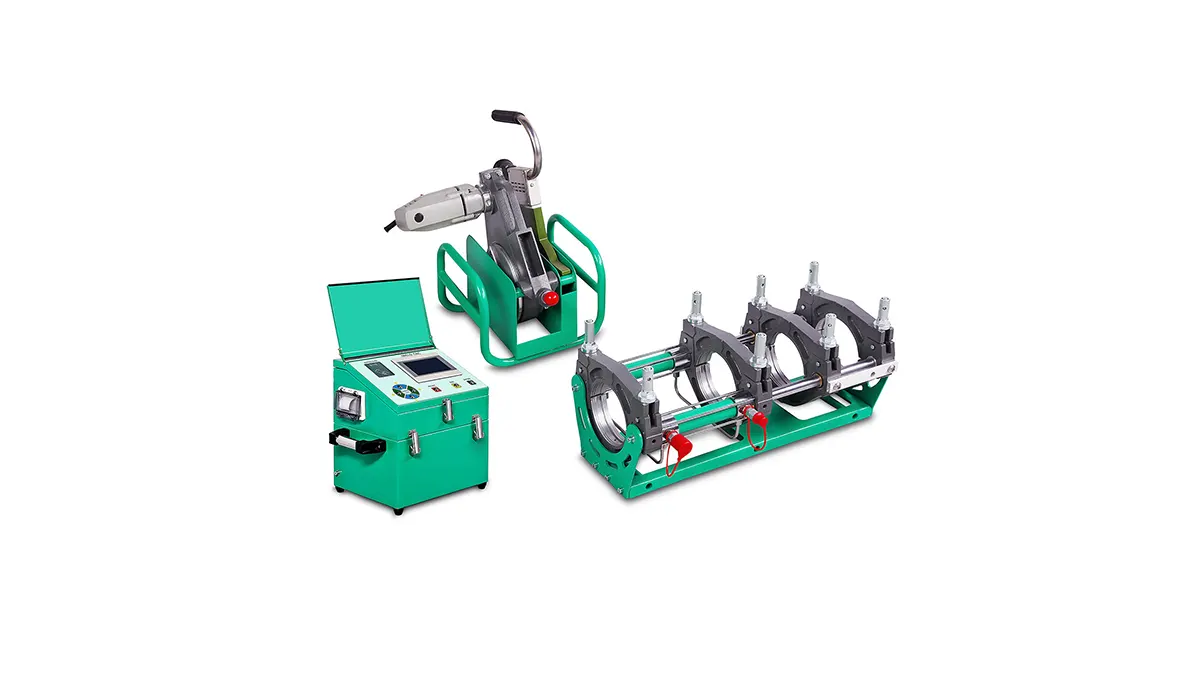
The Mechanics Behind Hydraulic HDPE Pipe Welding
Thermoplastic jointing demands uniform heat saturation, continuous interfacial pressure maintenance, and minimal drag resistance. A high-grade hydraulic HDPE pipe welding machine ensures molecular interlacing meets international engineering safety thresholds.
Micro-Calibrated Hydraulics
Equipped with zero-leakage electro-hydraulic stations and precision pressure gauges, our units maintain consistent clamping force and bead-up pressures strictly guided by ISO 21307 butt fusion procedures.
Thermal Uniformity Control
PTFE-coated heating plates offer high-efficiency thermal distribution up to 300°C with integrated digital sensors, eliminating cold-spot risks during the soak cycle under ASTM F2620 heat fusion protocols.
Heavy-Duty Aluminum Clamping
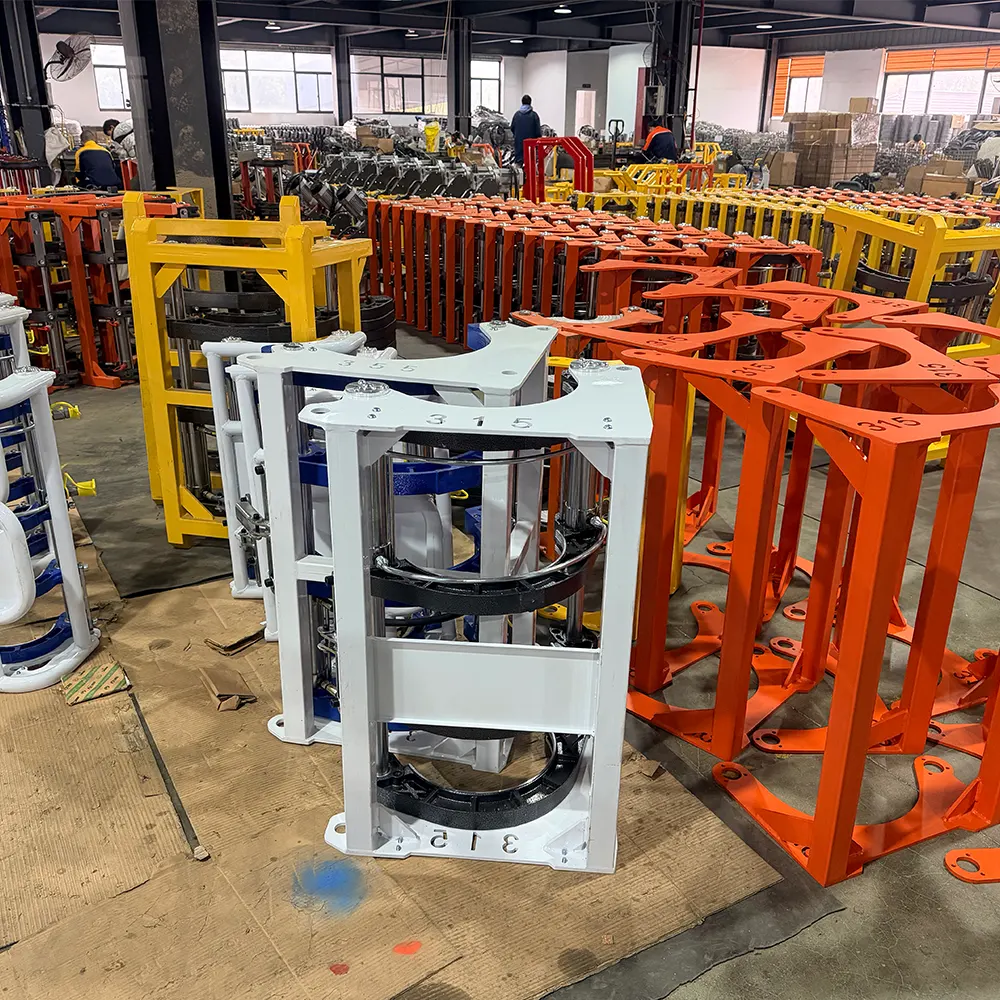
Constructed from high-tensile cast aluminum alloys, the multi-tier clamp rings prevent pipe ovality distortion while reducing overall transport weight for demanding trench-based pipeline installations.
Featured Hydraulic Butt Fusion Equipment
From compact in-trench pipe jointing tools to massive civil utility machines, choose from our heavy-duty hydraulic series engineered to fulfill PE butt fusion equipment standards.
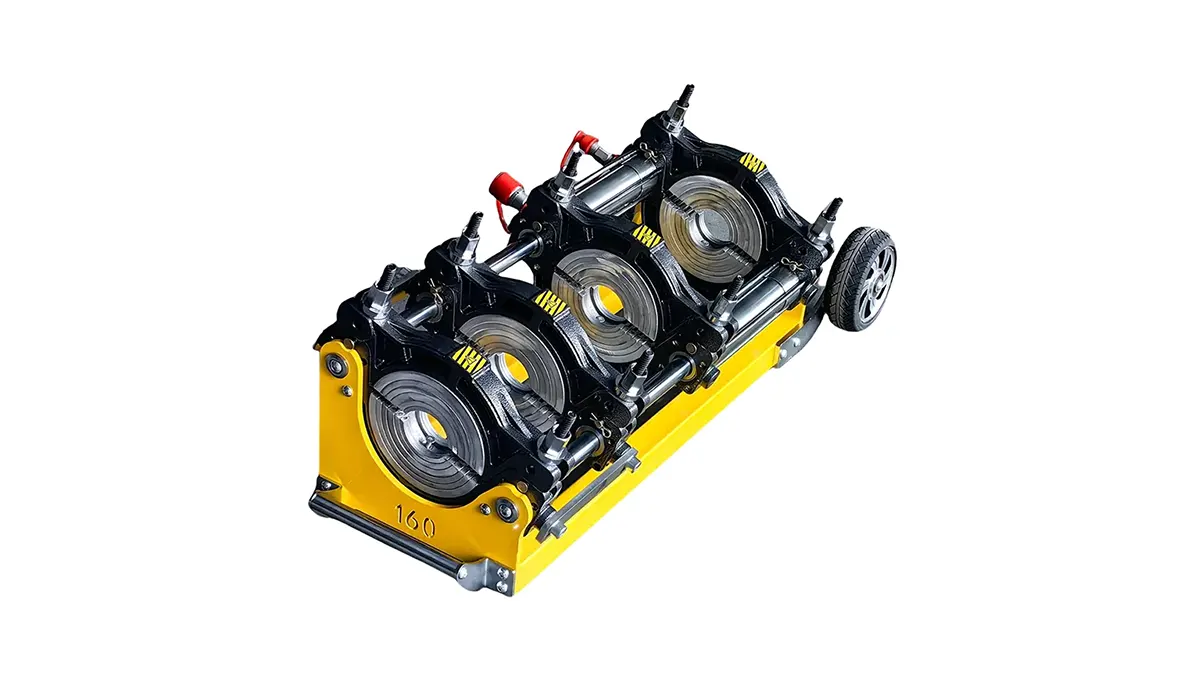
JQH160mm Hydraulic Welder
- Welding Range: 63mm – 160mm
- Compact Dual-Cylinder Rigidity
- Ideal for Gas & Potable Water Laterals
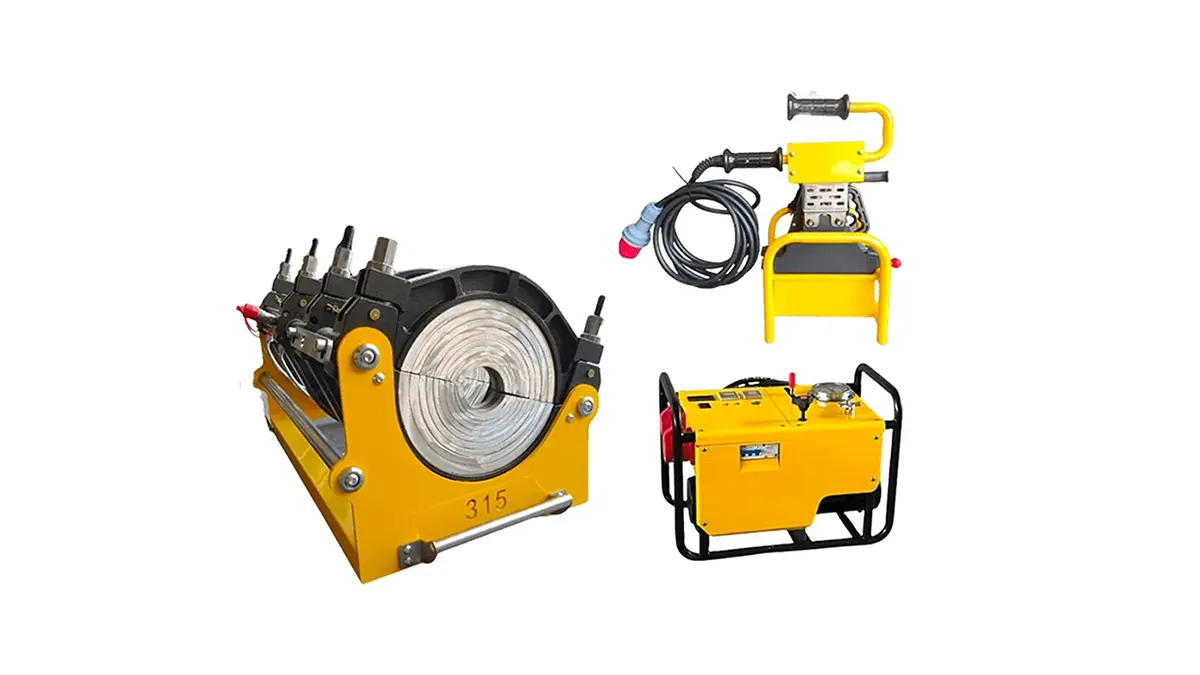
JQH315mm Hydraulic Welder
- Welding Range: 90mm – 315mm
- High-Torque Planing Tool
- Reinforced Hydraulic Pack
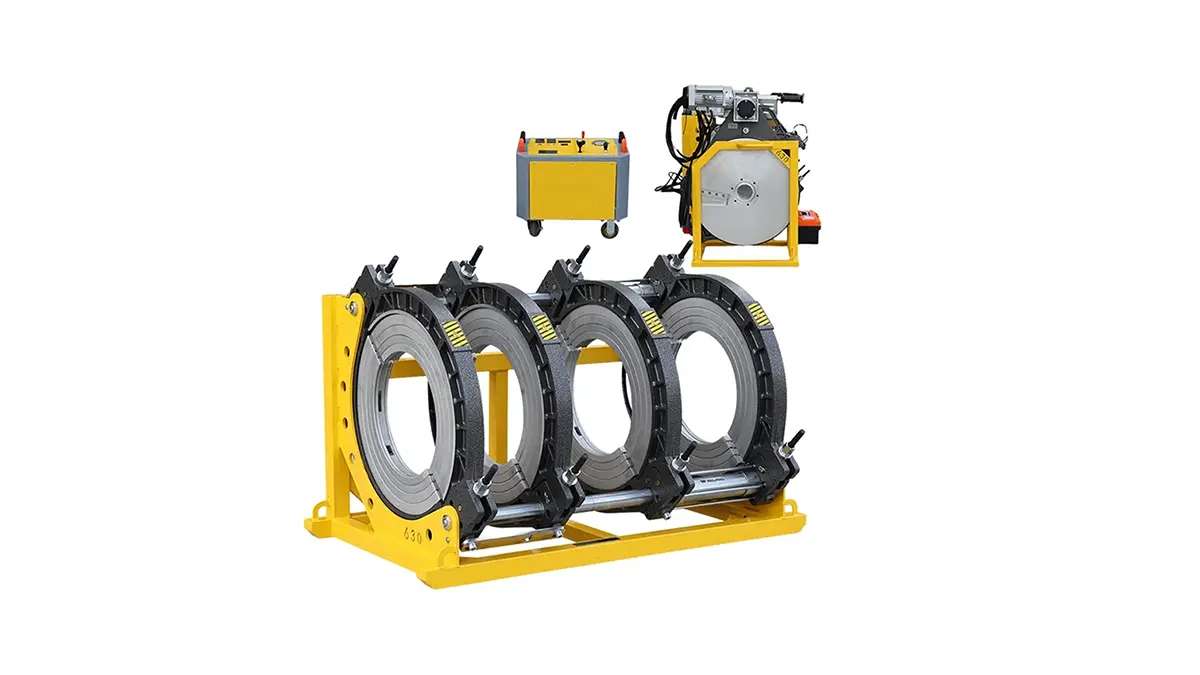
JQH630mm Hydraulic Welder
- Welding Range: 315mm – 630mm
- Hydraulic Crane & Plate Lift Compatible
- Mainline Sewer & Industrial Pipes
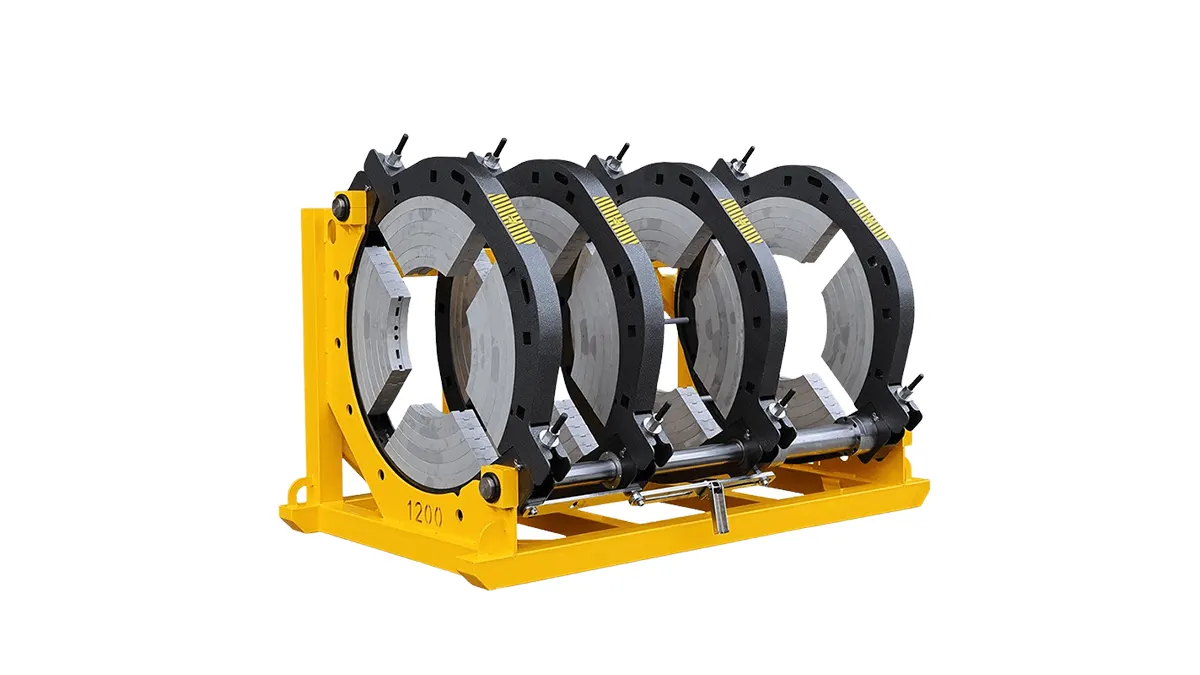
JQH1200mm Hydraulic Welder
- Welding Range: 630mm – 1200mm
- Ultra Heavy-Duty Chassis Platform
- Mining, Marine Intake & Trunk Lines
Standard Operating Procedure for HDPE Butt Fusion
Following systematic procedures based on PPI butt fusion procedure (TR-33) guarantees joint durability matching or exceeding pipe body strength.
Clamping, Alignment & Facing
Mount pipe segments securely into machine clamps. Remove out-of-roundness and calibrate linear axial alignment. Insert the electric planer to mill both pipe faces simultaneously until continuous ribbon shavings emerge, creating square, planar surfaces.
Drag Pressure Measurement
Measure the dynamic hydraulic drag pressure required to slide pipe ends together along the guide rods. Add drag pressure to the calculated theoretical fusion jointing pressure to guarantee exact interfacial force during bead-up and fusion holding.
Initial Melt Bead & Heat Soak
Position the PTFE heating plate (calibrated between 200°C–230°C per ASTM F714 PE pipe standards). Apply bead-up pressure until a uniform melt bead forms along the circumference, then drop pressure to soak without breaking contact.
Rapid Changeover & Pressure Cooling
Swiftly retract carriage, remove the heating plate within allowable dwell seconds, and smoothly bring molten ends together under designated fusion pressure. Lock the hydraulic circuit to hold pressure undisturbed throughout the mandatory cooling cycle.
Engineering Specifications Across Popular Models
Compare core hydraulic parameters, working pipe diameters, power ratings, and application standards for pipeline infrastructure planning.
| Model Designation | Welding Range (OD) | Max Operating Pressure | Heating Plate Power | Compliant Standards |
|---|---|---|---|---|
| JQH160 | 63, 75, 90, 110, 125, 140, 160 mm | 6.3 MPa | 1.5 kW | ISO 21307 / ASTM F2620 |
| JQH250 | 90, 110, 125, 140, 160, 180, 200, 225, 250 mm | 6.3 MPa | 3.0 kW | ISO 4427 / DVS 2207 |
| JQH315 | 90, 110, 125, 140, 160, 180, 200, 225, 250, 280, 315 mm | 6.3 MPa | 3.5 kW | ISO 12176-1 / ASTM D2513 |
| JQH450 | 200, 225, 250, 280, 315, 355, 400, 450 mm | 8.0 MPa | 5.5 kW | ISO 15494 / ASTM F714 |
| JQH630 | 315, 355, 400, 450, 500, 560, 630 mm | 8.0 MPa | 9.5 kW | ISO 21307 / PPI TR-33 |
| JQH1200 | 630, 710, 800, 900, 1000, 1200 mm | 16.0 MPa | 28.0 kW | ISO 4427 / ASTM F2164 |
Verified Quality & International Certifications
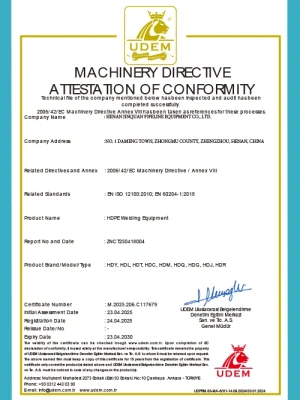
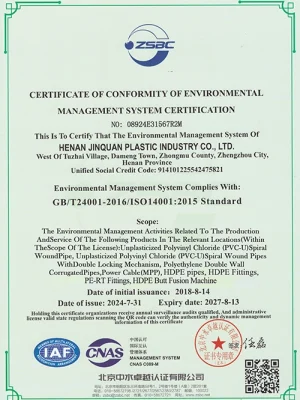
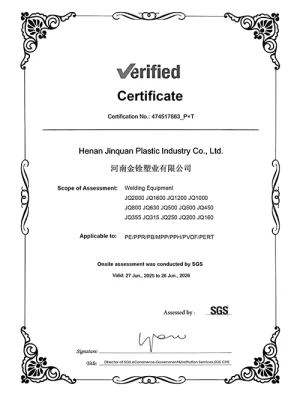
JQ-Fusion enforces strict quality assurance across all manufacturing stages, from raw aluminum casting and hydraulic valve calibration to heating plate temperature profiling under heat fusion operator qualification safety thresholds.
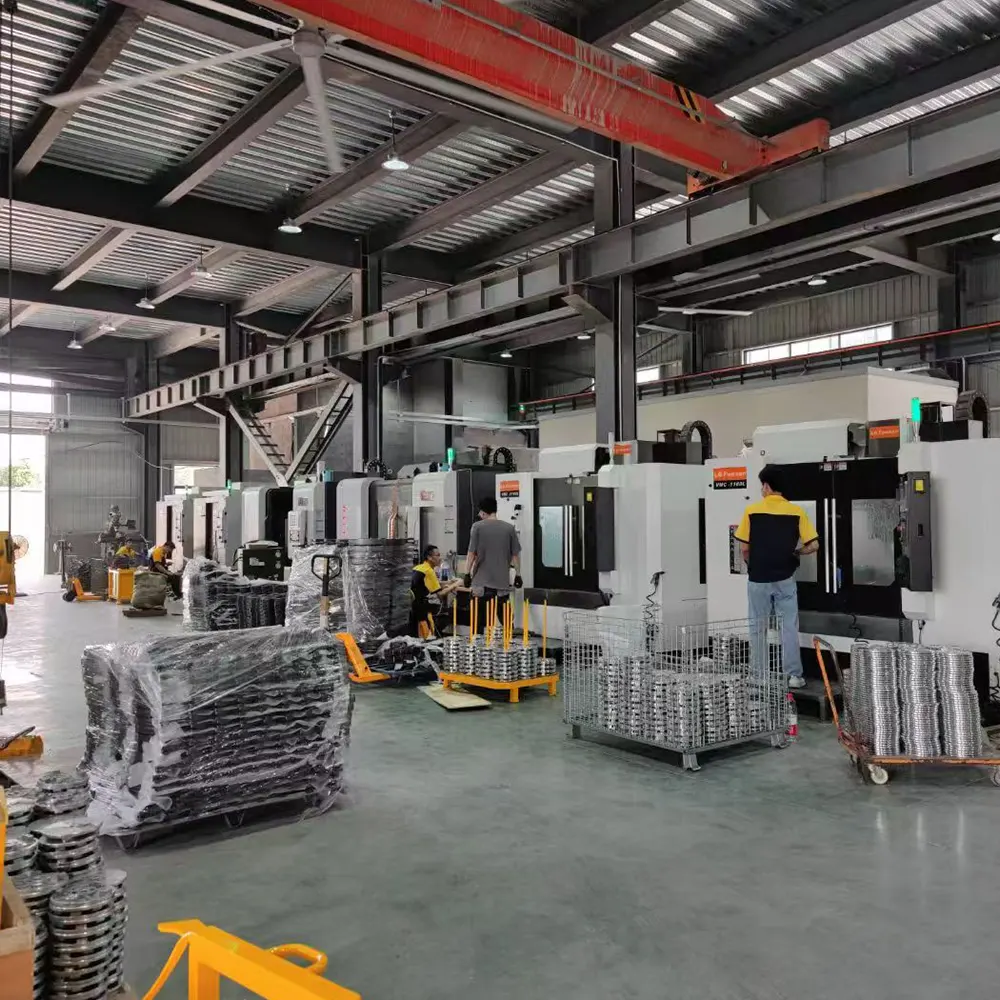
State-of-the-Art Factory & Massive Inventory
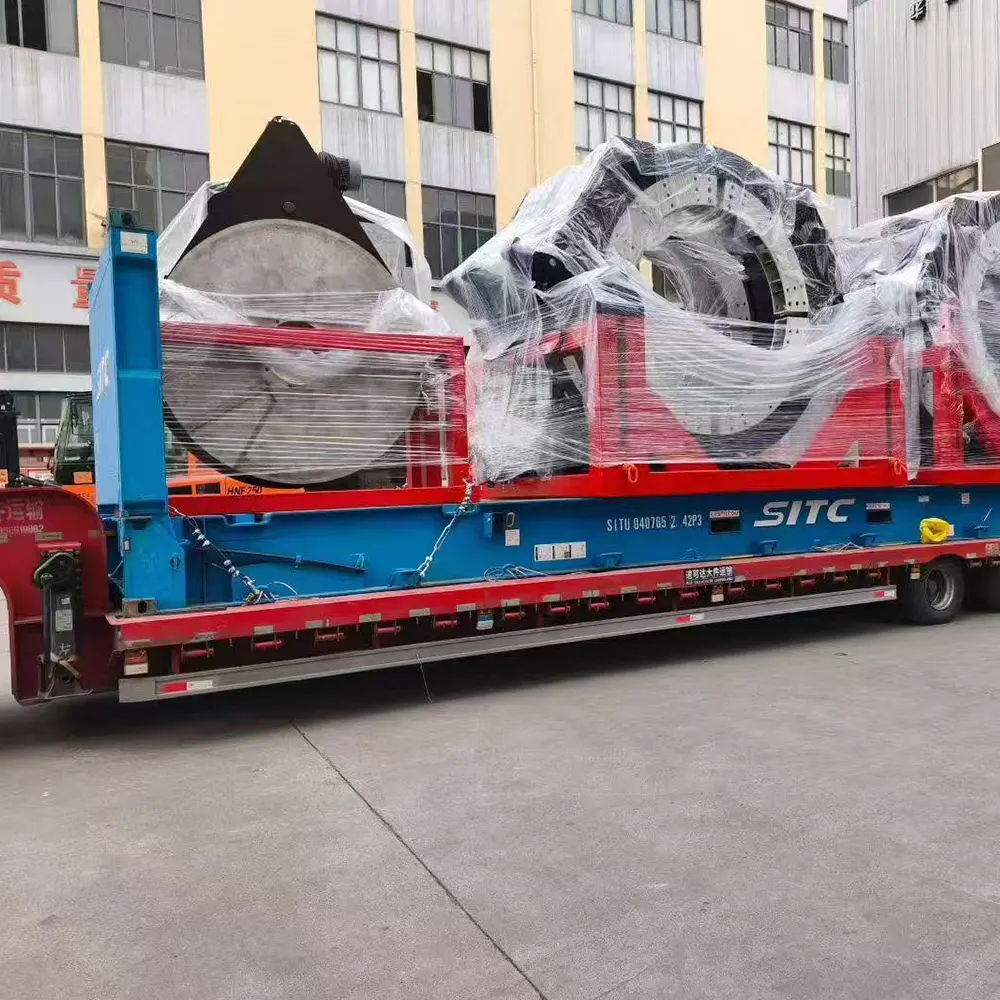
We maintain strategic ready-stock of hydraulic butt fusion units, CNC automatic butt fusion welding machines, and multi-angle pipe fitting machines for rapid worldwide dispatch.
Butt Fusion vs. Electrofusion: Selecting the Right Method
Understanding jointing dynamics per butt fusion vs electrofusion guidance assists project managers in optimizing labor cost and structural performance.
Hydraulic Butt Fusion Welding
Mechanism: Direct thermo-mechanical joining of two plain pipe ends without additional sleeve fittings. Pipe ends are faced, heated to plastic state, and joined under hydraulic thrust.
Primary Benefits: Most cost-effective method for medium-to-large pipelines (OD > 90mm). Offers 100% full-bore flow without interior restriction. Joint strength matches virgin polyethylene when executed per PE butt fusion process standards.
Best For: Long cross-country runs, municipal mainlines, mining tailings, and subsea ocean outfalls.
Electrofusion Jointing
Mechanism: Utilizes specialized fittings embedded with electrical resistance coils. An electrofusion processor energizes internal wires, melting adjacent fitting and pipe resin layers together.
Primary Benefits: Superior for confined trenches, tie-in connections, branch saddle tapping, and small diameter distribution lines where carriage movement is physically constrained.
Best For: Gas branch saddles, service repair connections, and tight urban utility corridors.
Frequently Asked Questions
Key technical answers to common questions about operating and maintaining hydraulic HDPE butt fusion equipment.
How is the exact hydraulic welding pressure calculated?
Welding pressure equals [Interfacial Area (calculated from Pipe OD and Wall Thickness) × Specific Interfacial Pressure] ÷ Cylinder Piston Area + Drag Pressure. Modern hydraulic power packs provide direct gauge readouts to match standard welding charts.
Can different SDR ratings and PE grades be welded together?
According to PE pipe compatibility guidelines, pipes with differing wall thickness (SDR) require transition fittings or interior bevel machining to ensure equal wall mass during thermal plasticization.
What maintenance is essential for hydraulic butt fusion equipment?
Regularly check hydraulic oil levels (ISO VG 46/68 anti-wear oil), inspect quick-connect couplers for contaminants, verify heating plate surface non-stick integrity, and inspect planing cutter blades for edge sharpness before every operational shift.
Partner with JQ-Fusion for Reliable Pipeline Solutions
Whether you require standard stock machines, high-volume OEM manufacturing, or custom engineering adaptations for heavy mining and utility pipelines, our technical team is ready to support your infrastructure projects 24/7.
Contact Engineering Support